
Ski suits come in two primary types: one-piece coveralls and two-piece sets. The decision between these types depends on whether a user prioritizes maximum core heat retention or increased mobility for specific movements. A buyer should measure their torso length and hip circumference before ordering to ensure the garment allows for a full range of motion without fabric bunching.
Ski Suit Types Among the Listings We Screened
| Type | What sets it apart | Listings we screened | Price range |
|---|---|---|---|
| One-Piece Suits | piece count: 1-Piece | 3 | $139.99 to $149.99 |
| Two-Piece Suits | piece count: 2-Piece | 2 | $149.99 |
Counted over the 7 listings this site screened; a listing that does not state the figure a type is defined by is not counted under any type.
If you prefer board sports, find out the best ski suit for snowboarding to ensure maximum mobility.
Where these choices show up in our reviews
Prices across these 3 run from $119.99 to $149.99; each one has a full review here.

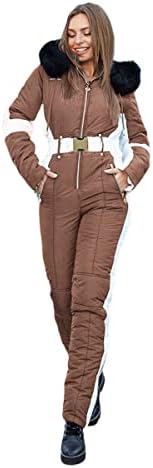

What defines a one-piece ski suit?
A one-piece ski suit, often called a ski coverall or ski onesie, is a single garment that covers the torso and legs in a continuous piece of fabric. This design eliminates the gap between a jacket and trousers, which prevents cold air from entering the midsection and stops snow from falling into the waistband area. One-piece suits are designed for high-exposure environments where maintaining a consistent core temperature is the primary goal.
To find a cozy all-in-one option, see our comparison of the best one piece snowsuits for kids.
Thermal advantages of a one-piece ski suit
The primary advantage of a one-piece ski suit is the continuous insulation layer. Because there is no break at the waist, heat remains trapped more effectively around the core. This makes the one-piece ski suit a preferred choice for stationary activities or extreme cold where the body is not moving rapidly enough to generate high levels of internal heat. The design ensures that the thermal barrier remains intact even when the wearer is bending or twisting.
Female skiers can browse our curated list of the best winter ski outfit for women for the season.
Mobility trade-offs in one-piece ski suits
While providing superior heat retention, a one-piece ski suit can limit mobility in the hips and crotch area. The construction of the garment requires specific articulation to prevent the fabric from pulling tight during deep squats or wide stances. If the garment lacks sufficient room in these areas, the wearer may experience restricted movement or fabric bunching at the knees. Buyers often find that one-piece suits require a slightly larger size than a standard jacket to accommodate these movements comfortably.
Typical price points for one-piece ski suits
One-piece ski suits generally sit in a mid-range price bracket relative to other configurations. Because they involve a single, large piece of construction, the manufacturing focus is on seam placement and fabric flow. They offer a high level of protection for the price, making them a standard choice for those seeking a complete, unified winter outfit.
Beginners should start by learning how a ski suit works to understand the basic design and function.
What defines a two-piece ski suit?
A two-piece ski suit consists of a separate ski jacket and a pair of ski pants. This configuration is the standard for most alpine environments where a balance of protection and freedom of movement is required. By separating the upper and lower garments, the wearer can adjust the fit of each piece independently to suit their specific body shape.
Mobility advantages of two-piece ski suits
The primary advantage of a two-piece ski suit is the freedom of movement it allows in the lower body. Because the pants are a separate garment, they can be tailored to the specific length of the leg and the width of the hips without affecting the fit of the jacket. This makes the two-piece ski suit better suited for active skiing where constant leg movement and high-velocity turns are required. The lack of a joined waist allows for a more natural range of motion in the hips.
Proper fit is essential, so learn how to choose your ski suit length before purchasing.
Thermal considerations for two-piece ski suits
A two-piece ski suit can be more difficult to seal against the elements compared to a one-piece suit. A gap can exist between the jacket and the pants, which may allow cold air to enter or moisture to seep in if the waistbands are not properly adjusted. To mitigate this, users often look for jackets with longer tails or pants with high-waisted designs to ensure overlap. While slightly less efficient at core heat retention than a coverall, the two-piece set remains highly effective when the garments are properly layered and fitted.
If you prefer a different style, explore the alternatives to a ski suit for similar warmth.
Typical price points for two-piece ski suits
Two-piece ski suits often sit at a similar or slightly higher price point than one-piece options depending on the complexity of the zippers and pocket configurations. Because the buyer is purchasing two distinct items, the cost is often distributed across the jacket and trousers, allowing for more specific investment in the piece that requires more heavy-duty construction.
How do one-piece and two-piece ski suits compare?
| Ski Suit Type | Best-Fit Buyer | Main Advantage | Main Compromise |
|---|---|---|---|
| One-Piece Suit | Extreme cold / Stationary use | Maximum core heat retention | Restricted hip mobility |
| Two-Piece Suit | Active skiing / High mobility | Independent fit and movement | Potential for air gaps at waist |
How do I know which ski suit type is right for me?
You know a one-piece ski suit is the correct choice if you prioritize staying warm in sub-zero temperatures over a wide range of athletic movement. If your primary activity involves standing in the snow or moving slowly in high-wind conditions, the continuous insulation of a coverall provides a more stable thermal environment. You should check your measurements to ensure you can move your legs freely in a single garment before purchasing.
For a detailed look at the aesthetics, see our full Yousify Snow Suit review.
Two-piece ski suits provide a customizable fit and full range of motion
You should choose a two-piece ski suit if you require a full range of motion for aggressive skiing or snowboarding. If you prefer to be able to adjust your jacket and pants separately to accommodate different body proportions, the two-piece set offers a more customizable fit. This option is ideal for those who spend the majority of their time in active motion and need the fabric to move with their body without restriction.
How do these products compare to industry standards?
The ski suit category is often measured against the standards set by high-performance brands like Helly Hansen and Arc’teryx. These brands are known for setting the standard in seam sealing and ergonomic articulation, which ensures that water does not penetrate the garment at high-pressure contact points. While many ski suits provide excellent protection, they may differ from these high-end benchmarks in the precision of their seam taping and the specific articulation of the joints.
Check out our full YEEFINE Ski Suit review to see if the two-piece design meets your needs.
Gore-Tex Pro serves as the benchmark for high-performance waterproof membranes
Another critical benchmark in the industry is Gore-Tex Pro. This represents the standard for high-performance waterproof-breathable membranes used in professional alpine gear. While the products evaluated on this page provide various levels of water resistance, they are measured against the performance of these professional-grade membranes. A buyer looking for the highest level of moisture management should look for the specific material standards used in the construction of the garment.
You can see our full Aurgelmir Ski Jumpsuit review to evaluate the materials and fit.
What happens if you choose the wrong ski suit type?
Selecting the wrong type can result in a return because the garment does not allow for the necessary range of motion. A buyer who chooses a one-piece suit without checking hip clearance may find they cannot sit or squat comfortably. Conversely, a buyer who chooses a two-piece suit but ignores the waist overlap might find cold air entering the midsection during high-speed descents.
Selecting a ski suit involves assessing activity levels and body measurements
A user starts by identifying their primary activity level and the expected temperature. They then measure their torso and leg lengths to determine if a one-piece or two-piece configuration provides the necessary room for movement. Finally, they select the type that aligns with their priority of either maximum heat retention or maximum mobility.
We provide a detailed look at how the Bluemagic skisuit003 performs in our latest analysis.
When a skier feels a sudden draft of cold air hitting their lower back while moving, they are experiencing a gap in a two-piece suit. The data shows that ensuring the jacket and pants overlap at the waist is the primary way to solve this without switching to a one-piece coverall.
Yuppie Plaza is reader-supported: some links on this page are affiliate links, and as an Amazon Associate Yuppie Plaza earns from qualifying purchases at no extra cost to you. Learn more.