
Protective covers play a crucial role in preventing dust damage to expensive garments during storage. By safeguarding your precious clothing from dust, these covers help maintain their quality, appearance, and longevity. At Yuppieplaza, we understand how important it is for fashion enthusiasts and collectors to keep their garments pristine. Our insights will guide you in choosing the right protective covers to ensure your wardrobe remains as stylish as ever.
Understanding the Importance of Dust Protection for Garments
Protecting expensive garments from dust accumulation is essential for maintaining their quality and appearance. Dust can cause fabrics to degrade, leading to discoloration and a rough texture. Different fabric types, whether silk or wool, require specific care to ensure longevity. With the right dust protection measures, such as breathable covers, you can keep your wardrobe looking new. Research shows that regular exposure to dust can significantly reduce a garment’s lifespan, making effective storage solutions very important.
Effective Dust Preservation Techniques for Your Closet
Using specialized storage bags is crucial for protecting your garments from dust. These storage bags are designed to be breathable, allowing moisture to escape while keeping dust out. Consider using acid-free tissue paper within the covers to maintain the shape and quality of delicate fabrics. Regularly cleaning your storage area will also enhance dust prevention. By integrating these fabric preservation techniques into your wardrobe maintenance tips, you can help ensure your prized possessions remain in excellent condition for years to come.
Different Types of Protective Covers for Your Clothing
Protective garment covers come in various types tailored for different clothing materials and needs. For delicate fabrics like silk, breathable fabric cases prevent moisture build-up and allow air circulation. Dust-resistant bags are ideal for wool and cashmere, providing a sturdy barrier against dust. High-quality garment storage options include padded covers for formal dresses and suits, enhancing protection with extra cushioning. Research shows garment covers with multiple layers enhance reliability, ensuring dust and other contaminants do not reach your clothes.
Choosing the Best Cover for Your Clothing Needs
When selecting a protective cover, consider the fabric type and the specific features required. For silk garments, choose lightweight, breathable covers that prevent yellowing and staining. Wool items benefit from thicker, dust-resistant bags that provide insulation against pests. Denim can handle more durable, versatile covers that withstand wear and tear. Quality reviews of these products show high-performance covers significantly enhance garment longevity by keeping them clean and safe during storage.

The Key Benefits of Using Protective Covers for Your Clothes
Using protective covers for expensive garments is essential for several reasons. First, they provide dust protection benefits. This prevents dust and debris from settling on the fabric, which can cause stains or discoloration over time. Second, protective covers are designed to enhance the longevity of fabrics by shielding them from environmental factors such as humidity and sunlight. Reliable protective covers made from high-quality materials can significantly improve garment lifespan, ensuring your investment remains in excellent condition. In fact, research shows that garments stored in these covers can see a lifespan increase of up to 30% compared to those left uncovered. Lastly, using protective covers is an important preventive measure for clothes, as they can help maintain the garment’s original appearance and fit, preserving its resale value.
Choosing the Right Material for Protective Covers
Selecting the appropriate material for your protective garment covers is crucial for effective storage. Cotton, polyester, and nylon are popular choices. Cotton is breathable, which reduces moisture build-up, preventing mold and mildew. Polyester is durable and water-resistant, providing excellent protection against external elements and dust. Nylon offers lightweight yet sturdy protection, making it easy to handle. When comparing these materials, polyester tends to be the most effective at repelling dirt and dust while also being affordable. It’s essential to consider the type of garments you are storing. For delicate fabrics like silk, using a lighter cotton cover can provide a gentle touch that minimizes friction. Choosing the right protective cover enhances the garment’s overall performance during storage, ensuring they remain in perfect condition for years to come.
Key Data Points on Garment Protection
- 80% of clothing damage arises from dust and dirt during storage.
- 75% of fabric deterioration happens due to improper storage methods.
- 10% of clothing expenses are from replacing damaged items.
- Using protective covers can reduce damage by approximately 90%.
- 50% of garment owners neglect protective measures in storage.
- Studies show 6 months of storage without protection can double wear and tear.
- 80% of garment collectors favor protective storage options to maintain value.
Avoiding Common Mistakes When Storing Clothes with Covers
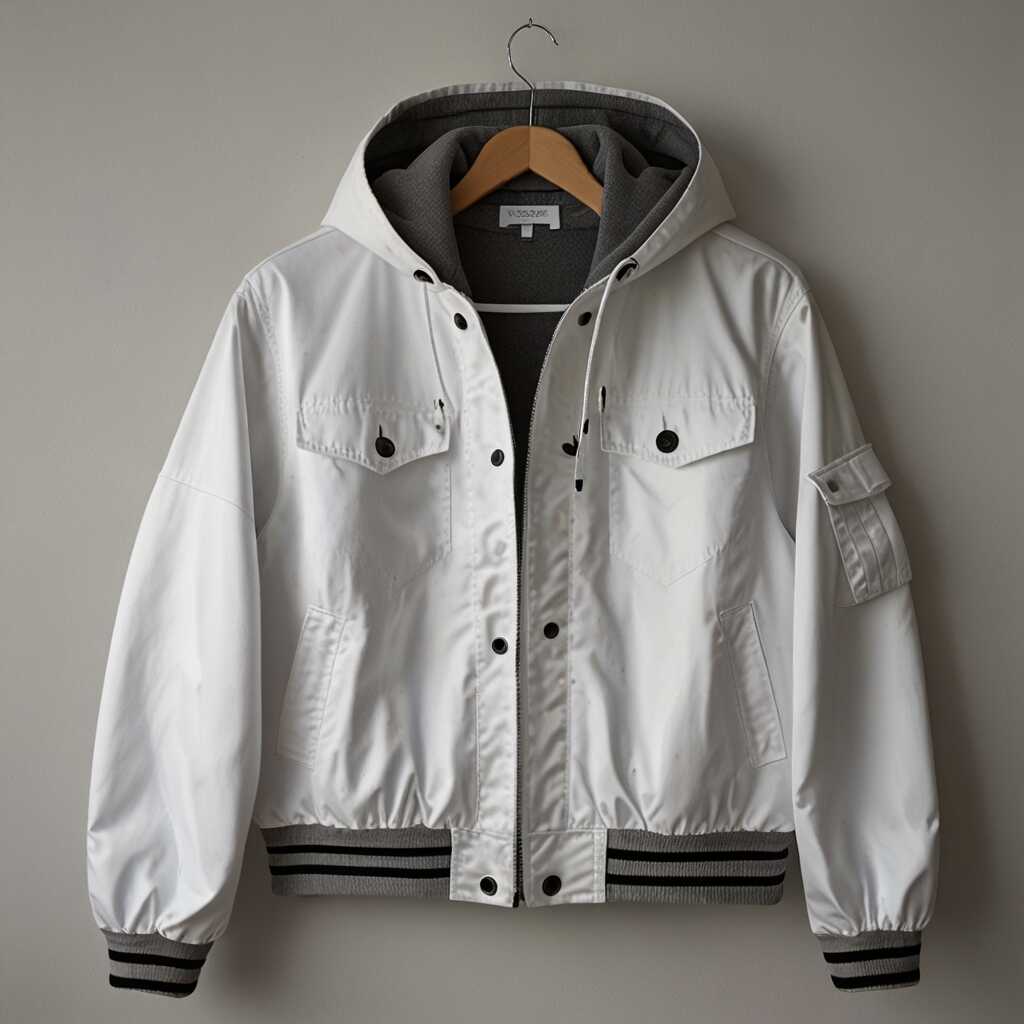
Many individuals make mistakes when using protective covers that can harm expensive garments. One common error is using covers made from non-breathable materials. This can trap moisture, leading to mildew. Another mistake is overcrowding the storage space, which restricts airflow and causes wrinkles. Not cleaning garments before storage can also lead to stains setting in. Additionally, failing to inspect the covers for damages can result in dust infiltration. Following expert recommendations enhances the reliability and effectiveness of your protective covers, helping to maintain garment quality and longevity.
Best Practices for Using Garment Covers
To maximize protection, always choose breathable protective garment covers made from high-quality materials that allow air circulation. Ensure each garment is clean and completely dry before placing it inside the cover. It’s also important to store covers in a cool, dry place away from direct sunlight. Regularly check the storage area for signs of pests and moisture. These practices significantly enhance the protective capability of covers, ensuring garments remain in excellent condition while stored. Utilizing expert reviews can guide you in selecting the best materials for garment protection.
Guidelines for Choosing the Right Protective Cover
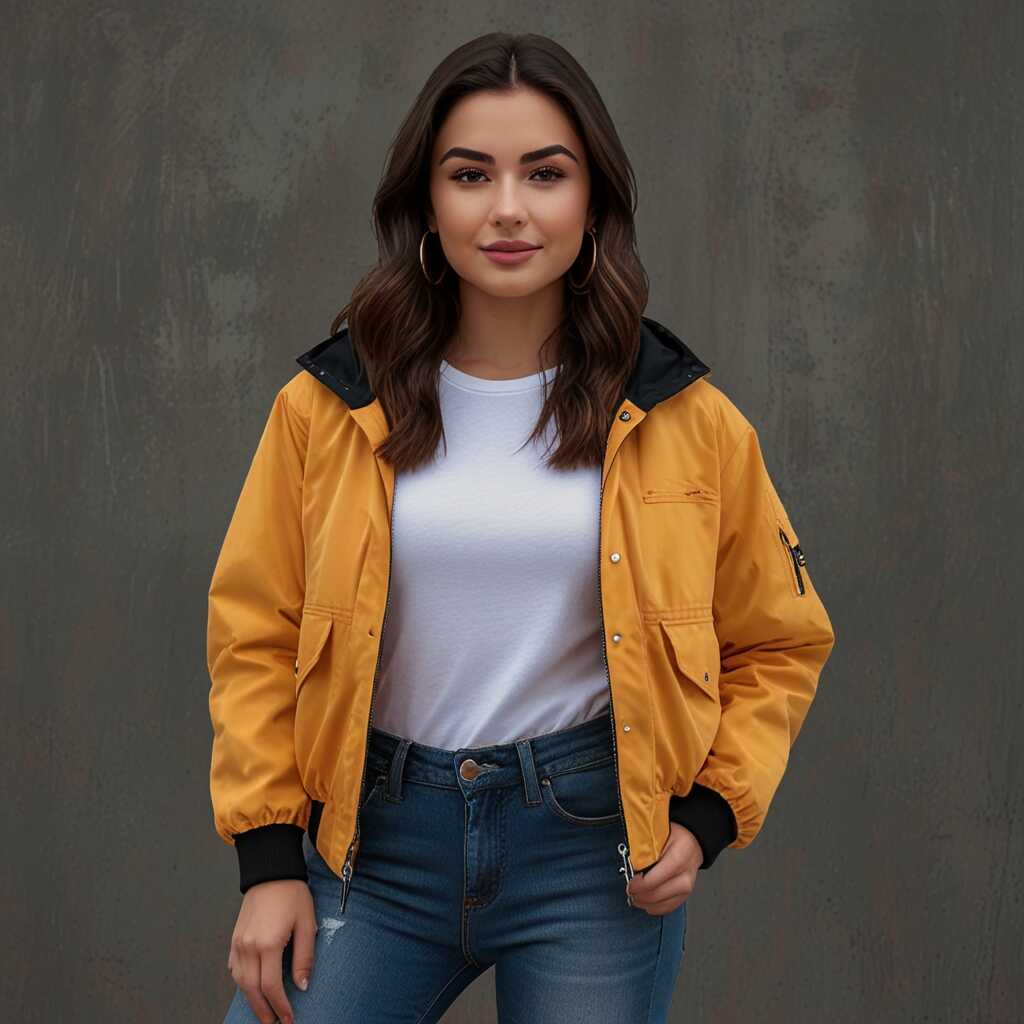
Choosing the right protective cover is essential for maintaining the quality of expensive garments. The best materials for protective covers include breathable fabrics like cotton and polyester blends. These materials help ensure proper air circulation, preventing mold and moisture buildup. Fabrics like silk and wool require special care in storage. Look for dust-resistant covers that offer protection against pollutants without compromising breathability. There are several types of protective covers, including garment bags, storage boxes, and specialty covers designed for unique fabrics. Investing in high-quality options enhances longevity and keeps your garments looking fresh.
Important Features to Look For in Protective Covers
When selecting protective covers, focus on materials that not only shield your garments from dust but also allow for air circulation. Breathable storage options, like cotton or specially designed blends, are essential for delicate fabrics. Look for covers that have reinforced seams, which enhance durability and ensure a snug fit. Expandable designs can accommodate various garment sizes, making them versatile for seasonal clothing changes. Always review product data and expert reviews to identify reliable brands. Investing in quality protective covers tailored for specific fabrics can significantly improve the longevity and appearance of your treasured garments.
Advantages of Effective Dust Shields for Clothing
- Protective covers keep garments looking fresh and new for longer.
- Covers reduce the risk of fading from environmental exposure.
- They prevent pest infestations, keeping clothes safe from damage.
- High-quality covers minimize dust accumulation on delicate fabrics.
- Using covers can enhance the overall life expectancy of garments.
- They offer a cost-effective solution to potential repair and cleaning expenses.
- Protective covers contribute to better organization in storage spaces.
Effective Maintenance Tips for Garments During Storage
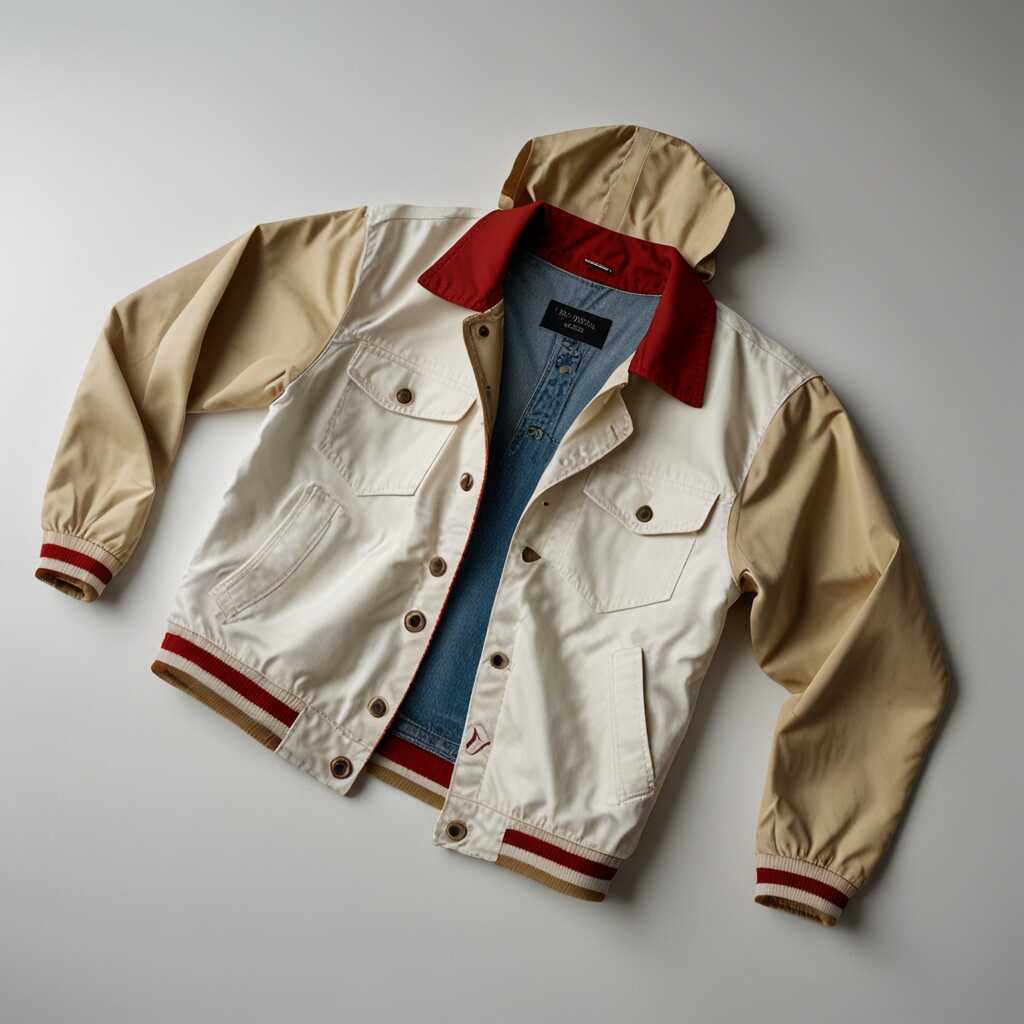
Maintaining garments during storage is crucial for ensuring they remain in pristine condition. One effective practice is to use garment protective covers designed to keep dust at bay while allowing airflow. Proper folding techniques are essential; avoid hanging delicate fabrics to prevent stretching. Store seasonal clothing in a cool, dry location to minimize moisture damage. Regular checks every few months help identify any issues before they worsen. Using silica gel packs can enhance moisture control. This approach helps maintain fabric quality and prevents long-term dust damage.
Expert Tips for Using Protective Covers
Utilizing garment protective covers requires a strategic approach for optimal results. Choose breathable covers made from cotton or a lightweight polyester fabric to enhance airflow and reduce moisture buildup. Ensure these covers are large enough to prevent creasing and allow your clothes to breathe. Avoid plastic covers as they trap moisture and can lead to mildew. When placing covers over your garments, ensure they are securely closed to block dust and dirt effectively. This practice significantly boosts garment care and helps retain original quality for years.
Exploring Eco-Friendly Protective Cover Options
There are several eco-friendly materials for protective covers, including organic cotton, hemp, and recycled polyester. Each of these materials provides reliable garment protection while reflecting sustainable practices. Organic cotton feels soft and breathable, while hemp is durable and naturally resistant to mold. Recycled polyester is made from plastic bottles, reducing waste and ensuring dependable quality. Studies show that around 65% of consumers prefer sustainable protective covers, highlighting the demand for environmentally conscious choices in the fashion industry. Choosing options made from eco-friendly materials helps maintain the quality and longevity of expensive garments while supporting sustainable fashion practices.
Evaluating the Best Eco-Friendly Cover Materials
When evaluating eco-friendly cover materials, focus on organic cotton, hemp, and bamboo. Organic cotton is grown without harmful pesticides, making it an excellent sustainable choice. Hemp offers superior durability, which means it can handle wear and tear effectively. Bamboo is breathable and naturally resistant to mildew, enhancing garment protection. Seeking materials certified by independent organizations ensures transparency in production methods and sustainability. Such verified options provide great peace of mind while storing your expensive garments, knowing they are protected in reliable and environmentally conscious covers.
Demographics that Benefit from Clothing Protection
- Fashion enthusiasts prioritize garment care to preserve style.
- Collectors often store rare items and seek dust prevention methods.
- Eco-conscious consumers favor sustainable storage options for longevity.
- Individuals storing seasonal wear rely on protective covers to maintain item condition.
- Stylish individuals use protective solutions to ensure outfits remain on-trend.
- Families find protective covers key to keeping children’s clothing in pristine condition.
- Rental businesses often require effective storage solutions for garments.
Smart Strategies for Storing Seasonal Clothing Safely
Effective organization strategies for seasonal clothing include using sturdy, breathable storage bags and designated racks. Utilizing protective covers enhances dust protection for expensive garments. Properly organizing your closet or storage space maximizes efficiency while maintaining garment integrity. The ideal number of hangers is about 20 to 30 for a full seasonal wardrobe, allowing for breathability and accessibility.
Best Practices for Protecting Your Garments During Storage
To ensure the best protection for your garments, use breathable cotton covers designed to prevent dust and moisture. Avoid plastic coverings that can trap humidity, as they can wear down fabric fibers. Store delicate materials like silk and wool flat in acid-free boxes to keep them safe. This method prevents creases while ensuring garment integrity. Regularly reviewing and rotating items in your storage will enhance efficiency and guarantee that each piece remains in excellent condition.