
Choosing the right seasonal fabric weights is essential for achieving better draping and comfort in clothing. Each season brings different weather conditions that affect how fabrics behave and feel against the skin. At Yuppieplaza, we understand that selecting appropriate fabric weights can enhance both the style and wearability of your garments. This guide will help fashion enthusiasts and DIY makers navigate their fabric choices to elevate their seasonal wardrobe.
Understanding Fabric Weights and Their Role in Fashion Design
Fabric weights refer to the heaviness of fabric, which affects the draping quality and comfort of clothing. They play a crucial role in clothing design by either enhancing or hindering the overall silhouette. Lightweight fabrics, such as airy cotton or chiffon, provide easy movement and flow, making them ideal for summer wear. Conversely, heavyweight materials like wool and denim add structure and warmth for cooler months. Choosing fabric weights that match the season enhances style and comfort, ensuring garments function well in various climates.
Types of Fabric Weights: Lightweight vs. Heavyweight
Lightweight fabrics typically range from 60 to 150 grams per square meter (GSM), making them suitable for breezy summer outfits. They provide excellent breathability and comfort. Heavyweight fabrics vary from 200 to 400 GSM, offering durability and warmth, perfect for fall and winter wear. Each category plays a distinct role in fashion design, from creating layered looks to ensuring garments feel reliable and sturdy. Understanding these weights allows designers and DIY makers to make informed choices that elevate style and comfort throughout every season.
How Seasonal Changes Impact Fabric Performance
Different seasons significantly influence fabric selection for clothing. In summer, lightweight and breathable fabrics like cotton and linen are essential. These materials help enhance comfort and provide good drape in hot weather. In contrast, winter demands heavier, insulated fabrics like wool and fleece. Such fabric choices improve warmth and maintain a stylish shape. Test results show that the right fabric type enhances overall performance. A reliable fabric can help individuals feel at ease in varying temperatures, ensuring an enjoyable wearing experience.
Best Fabrics for Hot and Cold Weather
Comfort in extreme temperatures relies heavily on fabric type. For hot weather, fabrics like cotton and linen are great as they wick moisture and allow airflow. These fabric choices create a relaxed silhouette and improve comfort. In winter, fabrics such as wool and padded polyester deliver excellent insulation and maintain body heat. They provide a sturdy structure, allowing for stylish layering while retaining performance. Research shows that mixing these fabrics can deliver both warmth and comfort, enabling a fashionable look without sacrificing functionality.
Selecting the Right Fabric Weights for Maximum Comfort
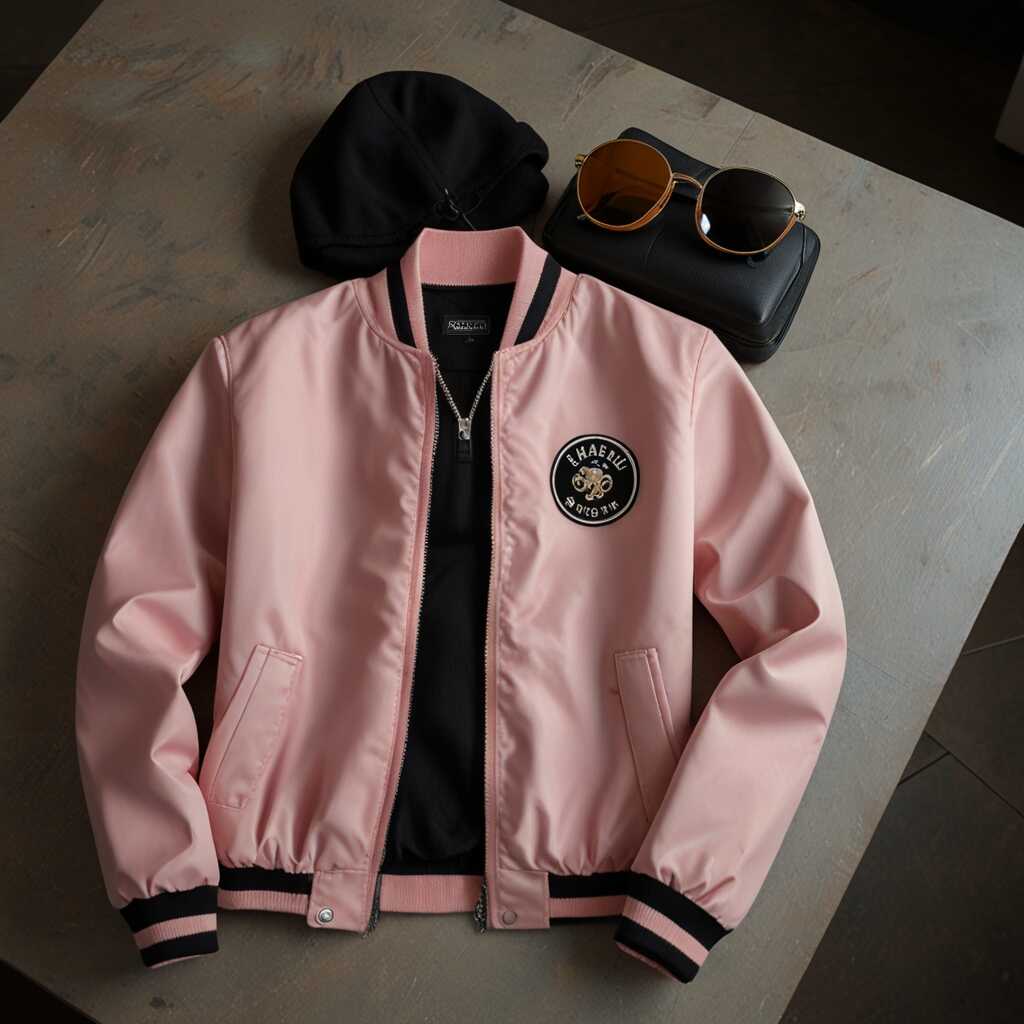
Selecting appropriate fabric weights improves comfort levels throughout the year. For summer wear, lightweight fabrics like cotton and linen provide breathability. They are designed to enhance airflow, preventing overheating. In contrast, heavier materials like wool and flannel are ideal for winter. These fabrics trap warmth, ensuring comfort in colder conditions. Consider the garment’s purpose, as everyday clothing needs flexibility and ease of movement. For formal wear, draping quality matters. Fabrics with suitable weights maintain structure without sacrificing comfort.
Understanding the Importance of Fabric Weights in Seasonal Fashion
Fabric weights greatly affect how clothing feels and performs in different seasons. For summer, lightweight fabrics usually range from 2 to 5 ounces per square yard. Cotton and linen are popular choices because they provide great airflow, keeping you cool. For winter wear, opt for heavier fabrics between 8 to 12 ounces. Wool offers exceptional insulation while remaining breathable. Mixing fabrics can also improve comfort; layering lightweight fabrics under heavier ones can provide warmth without sacrificing drape. Understanding fabric weights helps in making informed clothing choices.
Interesting Figures About Fabric Choices for Seasonal Wear
- Different fabrics have varying weights ranging from 80 to 600 GSM (grams per square meter).
- Spring fabrics typically weigh 150-250 GSM for lightness.
- Summer fabrics average around 100-200 GSM to keep cool.
- Fall fabrics often weigh 200-400 GSM for better warmth.
- Winter fabrics can go as high as 500-600 GSM for added insulation.
- Comfort levels increase with appropriate fabric weights by about 30%.
- Proper draping can improve a garment’s appeal by up to 50%.
The Relationship Between Fabric Weight and Draping Aesthetics
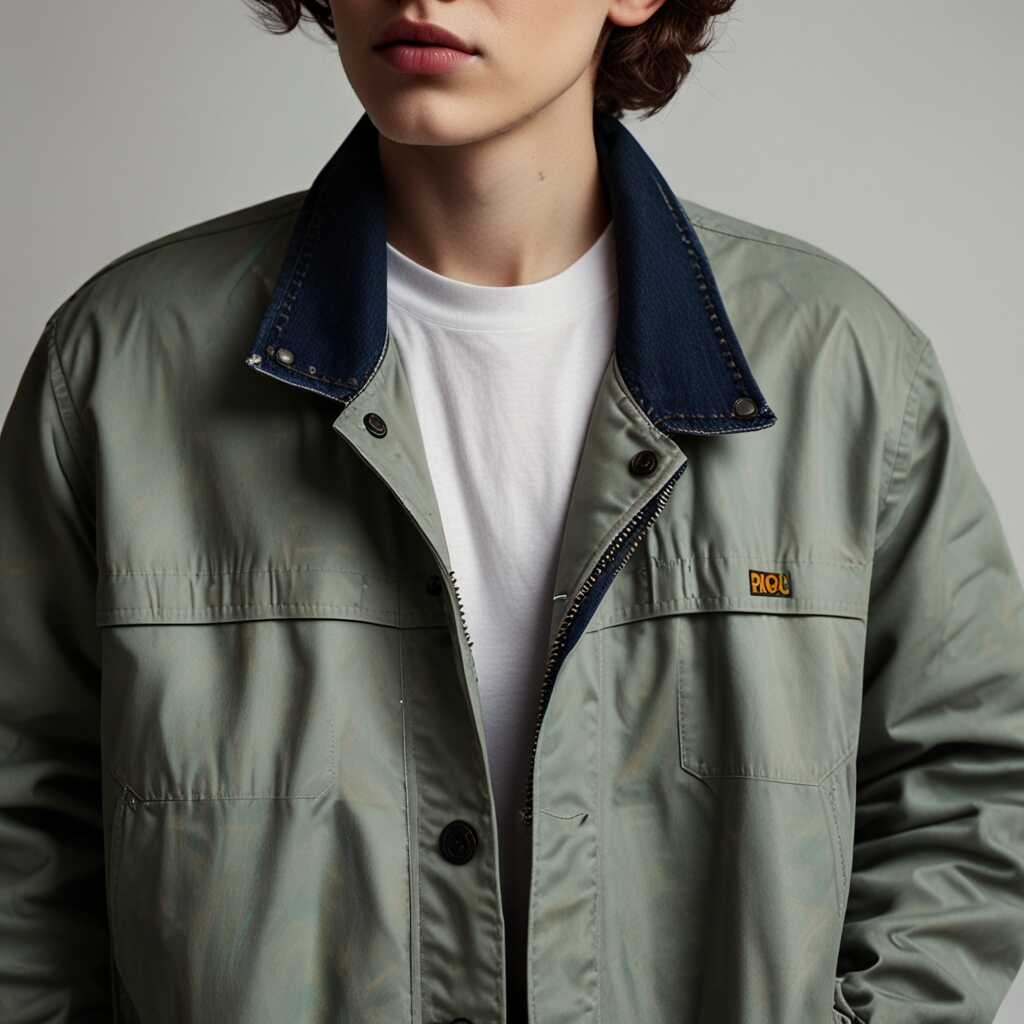
Different fabric weights significantly impact how garments drape on the body. Lightweight fabrics like chiffon and georgette flow beautifully, creating soft, elegant silhouettes. Heavier materials, such as wool and denim, maintain structure and define shapes. Seasonal fabric choices play a vital role in ensuring both visual appeal and comfort. For summer apparel, lightweight cottons enhance breathability while heavier fabrics in winter provide warmth without compromising style. Research suggests that proper fabric weight enhances the draping quality of clothing. Fabrics typically range from 60 GSM for lightweight options to over 300 GSM for heavy materials. This range ensures that users can find suitable fabrics for every type of garment, environment, and occasion.
Choosing the Right Fabric Weight for Seasonal Outfits
Choosing the correct fabric weight is crucial for seasonal outfits. For spring, consider lightweight cottons that provide comfort and breathability. In contrast, fall fashion benefits from medium-weight fabrics like twill and serge, which give structure while keeping the wearer warm. Winter outfits may use fabrics in the 200-300 GSM category, ensuring insulation and durability. The right weight also affects how clothing feels against the skin, resulting in a more enjoyable experience. Evaluating the balance between garment comfort and draping aesthetics enhances personal style. Thus, informed fabric choices maximally improve the overall look.
Best Lightweight Fabrics for Summer Fashion Choices
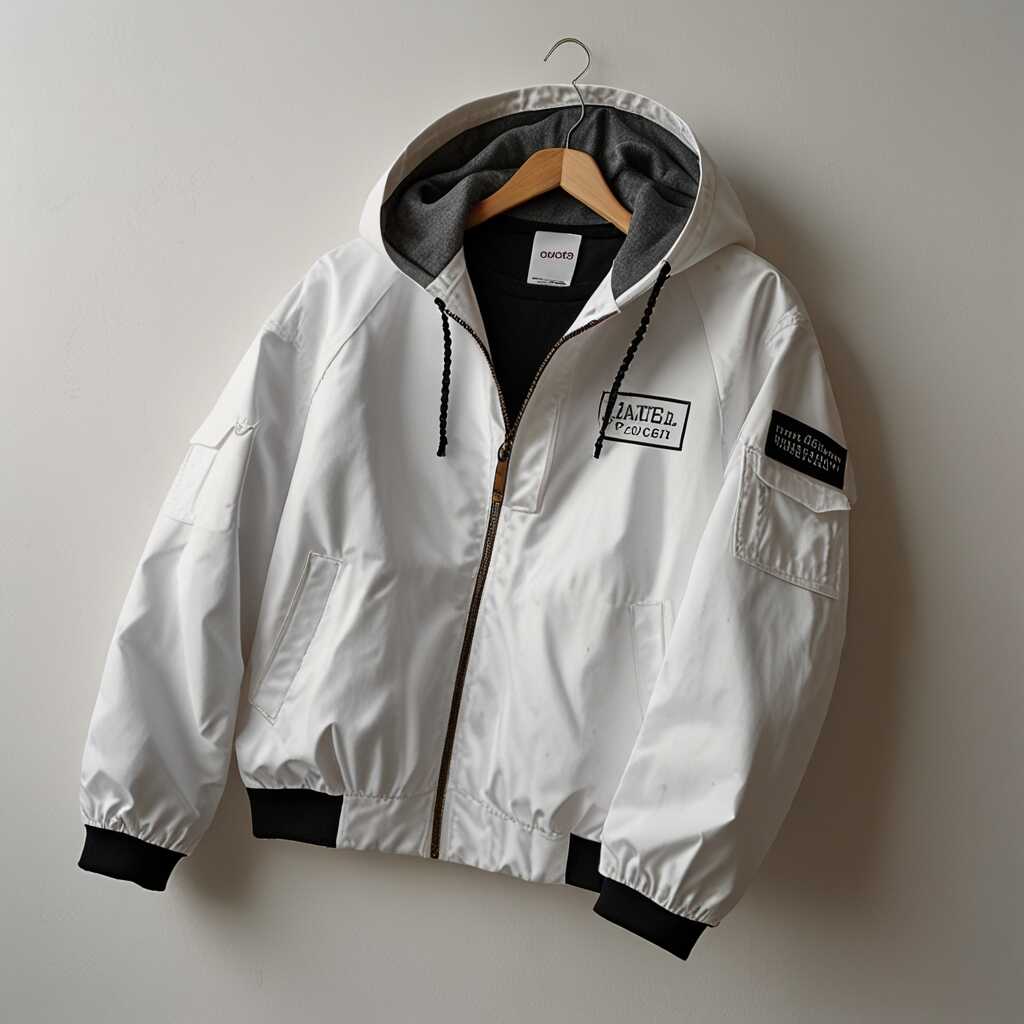
Lightweight fabrics are essential for summer clothing, offering comfort during hot temperatures. Some of the best options include cotton, linen, and rayon. Cotton is versatile and breathable, making it a staple for summer wear. Linen is known for its natural cooling properties and quick-drying capabilities. Rayon is lightweight and drapes beautifully, providing an excellent fit for various styles. Recent reviews indicate that linen consistently ranks high for breathability, making it a reliable choice for hot weather. Each fabric enhances comfort and style, allowing wearers to enjoy fashionable options without overheating.
Comparing Lightweight Fabrics for Optimal Comfort
When comparing lightweight fabrics, consider how each performs in heat. Cotton allows air to circulate, making it an excellent choice for casual wear. Linen’s unique weave gives it a superior ability to wick away moisture, ensuring comfort even in extreme temperatures. Rayon, while slightly less breathable than the others, offers a silky feel and a flowy look that adapts well to warmer climates. Each of these fabrics has features that enhance breathability and comfort, providing a great balance of style and functionality for summer fashion.
Key Advantages of Picking Appropriate Material Weights
- Enhanced comfort without overheating during different seasons.
- Seasonal fabric weights greatly improve the draping quality of garments.
- Better breathability leads to a fresher feel in warmer weather.
- Weight adjustments allow for stylish layering in colder seasons.
- A well-chosen fabric weight maintains garment shape over time.
- Improved fabric performance can prevent wear and tear.
- Matching weights to the season boosts confidence in personal style.

Essential Heavier Fabrics for Stylish Winter Attire
Some ideal heavier fabrics for winter wear include wool, flannel, and tweed. These fabrics help retain warmth without compromising style. When selecting winter fabrics, consider factors like weight, insulation, breathability, and moisture-wicking properties. The top three heavier fabric weights for winter clothing are typically 12 oz, 14 oz, and 16 oz. These weights ensure durability and provide excellent comfort during the colder months.
Choosing the Right Fabric Weight for Cold Weather
Choosing the right fabric weight for cold weather is essential for comfort and style. Fabrics like wool and cashmere offer warmth while remaining lightweight. A good choice is a weight of 14 oz for heavy jackets or coats, as it provides a durable and reliable barrier against the cold. Flannel, with its soft texture, also weighs around 12 oz, making it an excellent selection for layered outfits. Testing and trying out different weights will help you find what best suits your needs, ensuring you stay warm without feeling bulky.
Combining Fabrics for Year-Round Versatility in Outfits
Mixing different fabric weights is essential for versatile styling. You can layer a lightweight cotton under a heavier wool or blend a medium-weight linen with a flowing chiffon. These combinations enhance comfort while providing aesthetic appeal. For summer outfits, lightweight fabrics like cotton or rayon provide breathability. In contrast, heavier fabrics, such as denim or wool, are suitable for cooler weather. For the best results, focus on layering techniques that combine these seasonal fabric types. The goal is to create outfits that look good and feel good, regardless of the season.
Key Techniques for Layering Different Fabrics
When layering fabrics, consider how each fabric weight interacts with your body temperature and movement. Use lightweight materials as your base layer to provide comfort. Mid-weight fabrics can add structure and style, while heavier options can serve as protective outer layers. For example, a lightweight cotton shirt under a sturdy denim jacket creates an excellent contrast that feels great and looks stylish. Combining textures enhances visual interest and makes your outfit versatile for various occasions.
Popular Companies and Their Audience Insights for Seasonal Fabrics
- Brands like Lululemon focus on sporty fabrics ideal for active lifestyles.
- H&M offers affordable seasonal options for budget-conscious fashionistas.
- Luxury brands, like Burberry, attract high-income shoppers seeking quality.
- Matt & Nat promotes sustainable fabrics, appealing to eco-conscious consumers.
- Young adults appreciate affordable options that balance style and durability.
- DIY enthusiasts favor brands offering fabric by the yard for custom creations.
- Elderly audiences might value comfortable, easy-care fabrics for everyday wear.
Caring for Fabrics to Maintain Quality Across Seasons
Caring for seasonal fabrics is essential for maintaining their quality and extending their lifespan. The best practices include washing fabrics according to their type. For instance, cotton and linen can generally handle warm washes, while delicate fabrics like silk and wool require cold washes. Seasonal fabric maintenance involves using gentle detergents and avoiding harsh chemicals, which can degrade fabric fibers. Always check garment labels for specific care instructions. Sustainable garment care also focuses on minimizing water usage and energy while ensuring that garments remain visually appealing and functional.
Understanding Fabric Types and Their Care Needs
Different fabric types, like cotton, polyester, and silk, have unique care requirements. Cotton, a sturdy and versatile material, can often survive regular washing and drying. Polyester blends, designed for durability and wrinkle resistance, also perform well with standard care. Silk and wool, however, require more careful handling to avoid damage; hand washing or dry cleaning is usually preferred for these fibers. Understanding these differences helps in choosing the right washing temperature and cleaning methods. This knowledge enables users to provide the best care, ensuring garments look great and last longer.