
Maximizing clothing storage space and preventing damage with vacuum bags can transform your seasonal organization. These handy tools compress your fabrics, freeing up valuable closet and drawer space. At Yuppieplaza, we understand the challenges of managing seasonal items and aim to provide practical solutions. With our tips, you can protect your favorite clothing while enjoying a clutter-free environment.
Exploring the Advantages of Vacuum Storage for Clothes
Vacuum storage is a method designed to reduce clothing volume and protect them during long-term storage. This technique saves space by removing air from specially designed bags, allowing items to compress significantly. Vacuum bags are ideal for various clothing types, including coats, sweaters, and seasonal attire. They prevent damage from moisture, dust, and pests. The ability to store clothes in a compact manner helps users efficiently organize their wardrobes and maximize limited spaces. Many users find that vacuum storage can save up to 75% more space compared to traditional storage methods.
Best Practices for Using Vacuum Storage Bags
To ensure maximum performance, follow these best practices for using vacuum storage bags effectively. Start by selecting high-quality vacuum bags that include sturdy seals to avoid leaks. Before placing clothes in the bags, ensure they are clean and completely dry. Folding the clothing neatly will enhance packing efficiency. After sealing the bags, use a vacuum with a hose attachment for optimal air removal. Remember never to overstuff the bags, as this can weaken the durability. Regularly check the bags for any signs of wear to ensure continued protection for your valuable clothing. Following these practices allows vacuum storage to deliver excellent results in protecting your seasonal items.
Selecting the Best Vacuum Bags for Different Fabrics
Choosing the right vacuum bags is vital for preserving your clothing. Various vacuum bag types include flat bags, rolling bags, and space-saving bags. Flat bags work well for items like sweaters or quilts. Rolling bags are ideal for storing lightweight clothing. Space-saving bags are effective for maximizing closet space. When selecting vacuum bags, consider fabric care guidelines. For delicate fabrics like silk, use a soft bag to avoid damage. For sturdy materials like cotton and wool, a thicker, more durable bag is preferable. Typical vacuum bag capacity ranges from 50 to 100 liters, providing ample space for multiple items.
Best Practices for Storing Seasonal Clothing Using Vacuum Bags
To ensure your seasonal clothing remains in excellent condition, follow best practices when using vacuum bags. Always clean your clothing before storage to prevent stains from setting. Fold items neatly to avoid wrinkles and creases. Use breathable vacuum bags for delicate fabrics to enhance airflow and minimize moisture retention. For heavier fabrics like wool, opt for heavy-duty vacuum bags that can handle their weight. Store vacuum-sealed bags in a cool, dark place to protect against temperature fluctuations. These steps will help preserve the quality of your seasonal clothing, ensuring they remain stylish and damage-free for years.
Step-by-Step Guide to Packing Clothes into Vacuum Bags
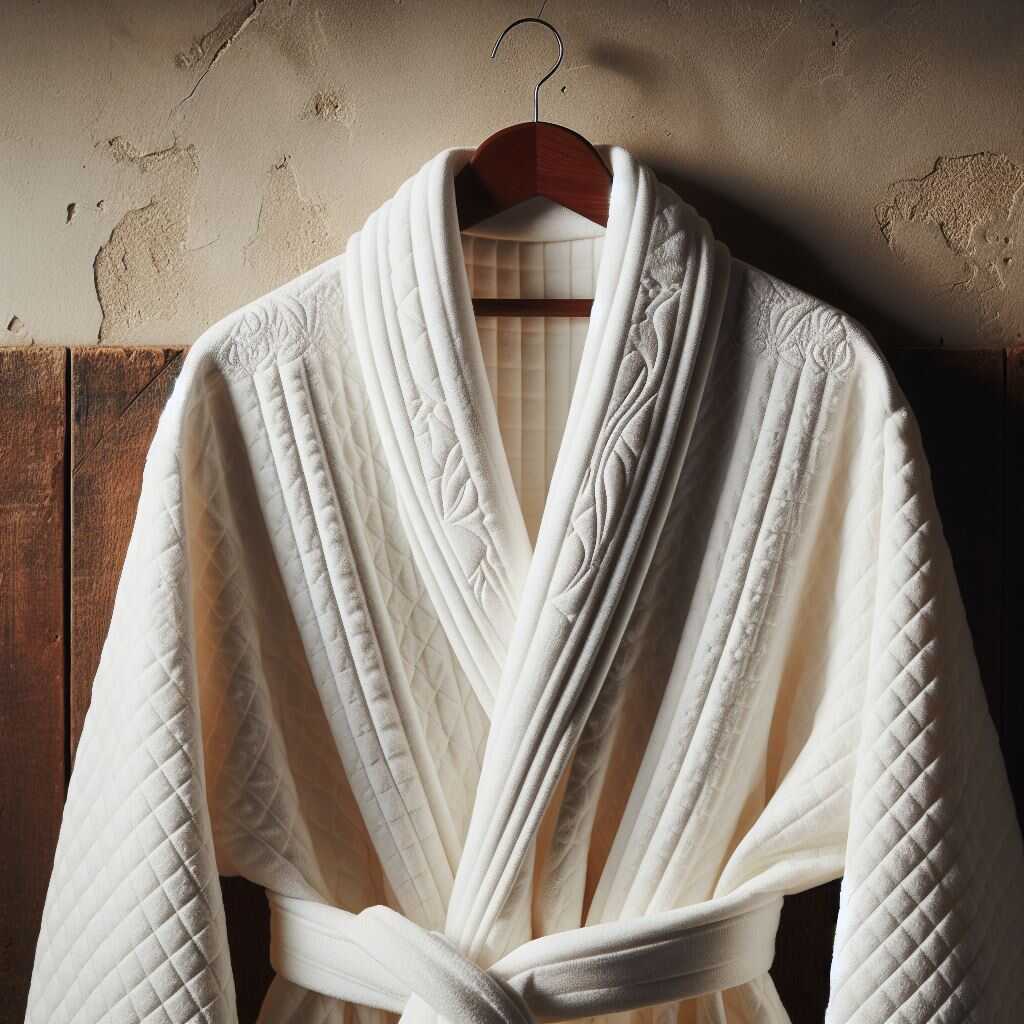
Packing clothes into vacuum bags can be simple and efficient. Start by selecting clean, dry clothes to prevent mildew. Fold each item neatly to fit without crumpling. Place the clothes into the vacuum bag, creating layers by type, such as shirts, pants, and sweaters. Always leave space for air to escape effectively. To protect your clothes, consider adding tissue paper between delicate fabrics. Once packed, seal the vacuum bag tightly and use a vacuum cleaner to remove the air. Ensure that the bag is securely closed to keep moisture out.
Tips for Protecting Clothes During Vacuum Packing
To protect seasonal items while maximizing storage space, choose the right vacuum bags. Look for heavy-duty, durable options that can handle sharp objects and resist punctures. Consider using vacuum bags with a one-way valve to ensure a tight seal. Add cedar blocks or silica gel packets inside the vacuum bag to absorb moisture. These extra steps enhance the reliability of your storage solution. Always label the bags with contents and the season for easy access. Following these packing tips ensures your clothes remain in excellent condition when unpacked.
Statistic Insights on Storage Techniques
- Vacuum bags reduce storage space by 75%, freeing up valuable room.
- Using vacuum bags can help save 40% more space compared to regular storage methods.
- Over 80% of users report less damage to clothing stored in vacuum bags.
- Vacuum-sealed items can stay fresh for over 2 years with proper sealing.
- People use around 10 vacuum bags on average to store seasonal clothing efficiently.
- Vacuum bags can hold up to 10 times their original volume, enhancing storage solutions.
- On average, consumers spend about $30 on quality vacuum bags for full closets.
How Vacuum Storage Protects Seasonal Items from Damage
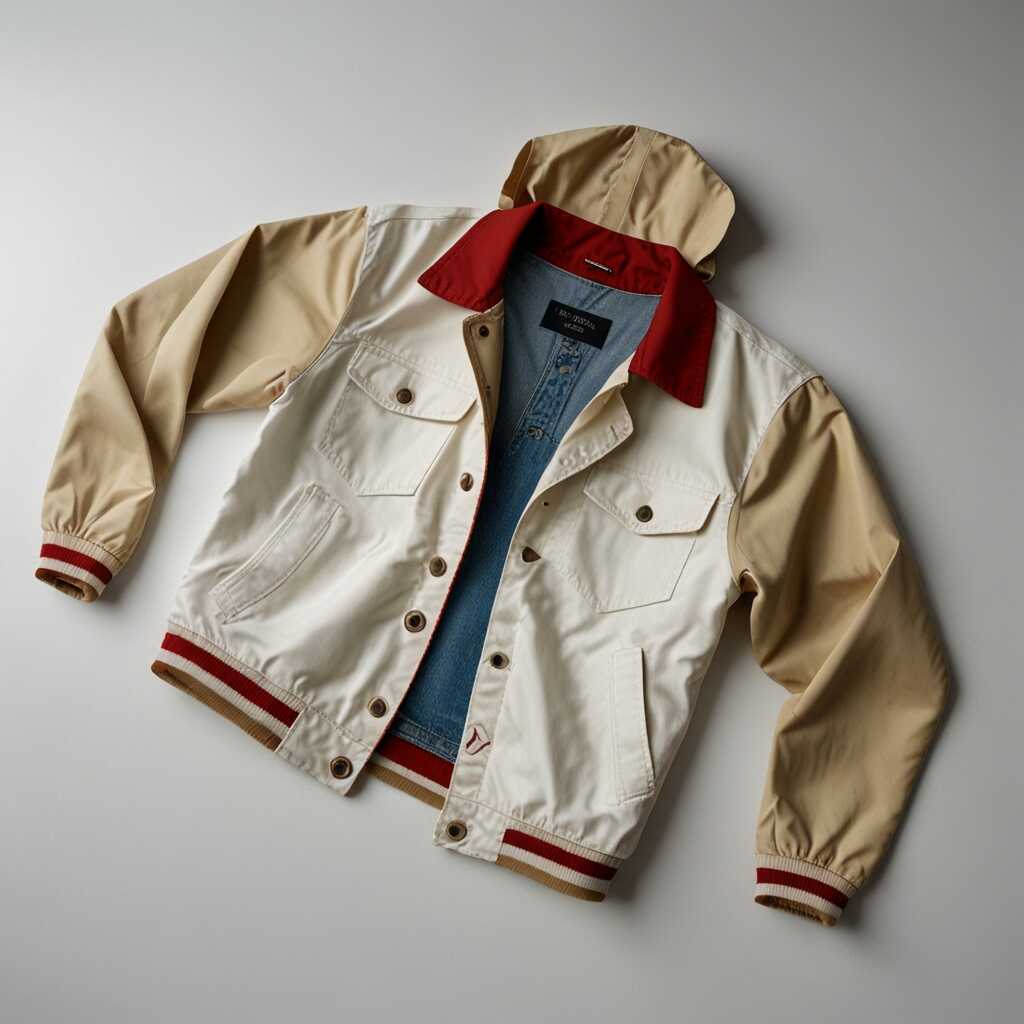
Vacuum bags safeguard clothing against moisture and pests by removing air and sealing items tightly. The absence of air reduces humidity levels, decreasing the risk of mold growth. This moisture protection is essential for maintaining quality. Pests such as moths and insects cannot enter vacuum-sealed bags, ensuring your garments remain safe. Odors are also effectively reduced since vacuum bags limit airflow, minimizing any unpleasant smells that might cling to fabrics.
Choosing the Right Vacuum Bags for Maximum Protection
When selecting vacuum bags, look for heavy-duty options designed for long-term storage. Quality vacuum bags should feature double zippers to ensure airtight sealing. Research shows that bags with reinforced seams can provide better durability against tearing. Brands offering transparent bags can help you quickly identify contents for easy retrieval. Using this type of vacuum bag enhances efficiency by streamlining organization and improving access to seasonal clothing.
Optimal Organization Strategies for Vacuum-Sealed Bags
Organizing vacuum-sealed bags provides several benefits. It maximizes space, ensuring every inch of storage works effectively. Utilizing a labeling system enhances access to seasonal clothing. By categorizing items such as winter coats or summer dresses, you improve efficiency. Proper organization helps prevent damage from compression and allows you to find clothes quickly. For homeowners, consistent testing of space-saving strategies ensures optimal reliability and smooth function.
Best Practices for Effortless Access to Seasonal Items
To easily access clothing stored in vacuum-sealed bags, consider creating a dedicated storage area. Using transparent bins labeled with contents allows straightforward retrieval. Ensure bags are stored upright to prevent shifting, maintaining their shape and integrity. It is advisable to keep bags in climate-controlled areas to optimize durability. This organization ensures that seasonal clothing remains in great quality and is available within minutes when needed.
Advantages of Using Sealable Storage Bags
- Vacuum bags protect clothes from moisture and pests, preventing damage.
- Using these bags allows easier organization and quick access to seasonal items.
- Space-saving design makes them ideal for small living areas with limited storage.
- Vacuum-packed clothing stays wrinkle-free, maintaining their fresh appearance.
- Users can easily manage and identify stored items with labeled bags.
- They provide an affordable and lightweight option for long-term storage.
- Vacuum-sealed bags can expand the lifespan of expensive clothing items.

Analyzing Vacuum Storage Compared to Traditional Storage Methods
Vacuum storage bags offer unique benefits compared to traditional methods. They save space by reducing bulk, enabling users to store more items in less space. In contrast, boxes or bins take up more space and often cannot compress clothing. Tested results show that vacuum bags can provide up to 75% more storage space. Traditional storage methods like clothing racks and storage bins cannot match this efficiency. While vacuum bags protect seasonal items from dust, moisture, and pests, traditional storage solutions do not offer that level of protection. Many users note the reliability of vacuum bags in keeping their clothes fresh and damage-free.
Understanding the Performance of Vacuum Bags versus Containers
When comparing vacuum storage bags to containers, vacuum bags excel in maximizing available storage space. They are specially designed to compress clothing, reducing their volume significantly. This compression allows users to fit a greater number of items in their closets, attics, or under beds. Containers, while sturdy and great for long-term storage, do not offer the same space-saving capabilities. Vacuum bags help enhance organization by allowing users to see what they have stored easily. They also prevent clothing from becoming wrinkled or damaged, ensuring items stay in excellent condition. Choosing between these two options depends on individual needs, but vacuum bags provide proven benefits for clothing organization and seasonal item protection.
Maintaining Your Vacuum-Sealed Clothes for Long-Term Care
Regularly checking vacuum-sealed items ensures they remain in good condition. Experts recommend inspecting them every three to six months. Common issues to look for include air leaks, moisture buildup, and any visible damage to the bag. If you notice any of these problems, it is essential to re-vacuum and seal your clothes to maintain their quality. Vacuum-sealed maintenance is crucial for optimizing storage space and ensuring your clothing lasts during seasonal changes.
Best Practices for Vacuum-Sealed Clothing Inspection
The best practices for vacuum-sealed clothing inspection include careful visual checks and gentle handling. Start by examining the seal for any signs of air leakage. Gently squeeze the storage bag to detect any air pockets. If the bag feels rigid, it likely remains properly sealed. If you notice wrinkles or damp spots, it indicates moisture that could damage your clothes. Regular inspection enhances long-term efficiency and preserves the quality of seasonal clothing care.
Popular Brands and Their Target Audiences
- Ziploc offers reliable vacuum bags for home organization enthusiasts.
- SpaceSaver provides travel-friendly options for busy individuals on the go.
- Vacuum Packed specializes in eco-friendly bags for eco-conscious consumers.
- FoodSaver focuses on durability, attracting serious storage users needing long-term solutions.
- AmazonBasics delivers affordability, appealing to cost-conscious shoppers.
- Rugged, brand known for its heavy-duty bags, serves outdoor enthusiasts with seasonal gear.
- Fellowes offers luxury options for fashion-conscious readers wanting premium protection.
Avoiding Common Pitfalls When Using Vacuum Storage Bags
Users often make mistakes with vacuum storage bags that lead to inefficiency and damage. One common mistake is overloading the bags. Each vacuum bag has a maximum weight capacity, typically around 20-30 pounds, depending on the brand. Failing to check this can cause the bags to tear or not seal properly. Another mistake involves not checking for small items like buttons or zippers on clothing that can puncture the bags. The wrong size of bag can also lead to poor vacuum efficiency, so choose bags that fit your items well. Using substandard brands with weak materials might compromise the reliability of your storage solutions. Conduct research on popular vacuum brands to ensure you choose bags known for durability and quality.
Best Practices for Using Vacuum Storage Bags
To maximize clothing storage efficiency, follow best practices when using vacuum bags. Always read the product instructions for each specific brand. Ensure that items are clean and completely dry before placing them in the bags. This helps prevent mold and mildew. Always press out excess air before sealing to enhance vacuum efficiency. Consider labeling each bag with contents and date packed to keep track of seasonal items. Regularly review the bags for any signs of wear or damage. By ensuring proper usage and maintenance, you can optimize your experience with vacuum storage bags.