
Effective stain treatment methods are essential for preventing permanent discoloration on your clothing and fabrics. Quick action can make the difference between a minor mishap and a lasting mark. At Yuppieplaza, our goal is to empower fashion enthusiasts and parents with practical solutions that keep their wardrobe looking sharp. Use our tips to tackle stains effectively and maintain the beauty of your favorite items.
Why Immediate Stain Treatment Matters for Your Fabrics
Immediate stain treatment is crucial to avoid lasting damage to your clothing and fabrics. When a stain occurs, acting quickly enhances your chances of complete removal. Stains such as red wine, grease, or ink can cause permanent discoloration if left untreated. Treat these stains within minutes for the best results. Additionally, fabrics can absorb stains deeply without prompt attention, making them difficult to remove later. By focusing on immediate stain treatment, you preserve the quality and appearance of your items, ensuring they last longer and remain vibrant.
Steps to Effectively Treat Different Types of Stains
Understanding the right steps to treat stains can significantly enhance your success rate. For example, use cold water on protein stains like blood or dairy to avoid setting them. For oil-based stains like salad dressing, use a paper towel to blot excess and apply dish soap to break down the oil. Use a fabric-safe stain remover for ink and pre-treat the area before washing. Always follow the garment care label for specific guidance to ensure the best results, protecting your clothing’s longevity and keeping them looking new.
Identifying Different Stain Types for Better Treatment
Understanding different stain types is essential for effective treatment. Common types include food stains, ink stains, and grease stains. Food stains often vary in texture and color; sauces, for example, can leave behind slippery residues. Ink stains have a distinct spreading quality, making them tricky to remove. Grease stains, often resulting from oil or butter, can appear shiny and often require specific techniques for removal. Each stain’s characteristics guide the treatments needed. The time a stain sits before treatment can greatly affect removal odds. Testing treatment methods soon after the stain is created improves efficiency.
Specific Techniques for Stain Removal Based on Type
Each stain type requires specific techniques for successful removal. Food stain identification focuses on treating quickly with cold water and gentle soaps to lift the residue. Ink stain characteristics enable the use of rubbing alcohol or specialized ink removers, which help dissolve the ink’s structure. Grease stain techniques often involve dish soap that can cut through oil, providing strong results. By understanding and applying these methods, you enhance your chances of successful, permanent stain removal.

Step-by-Step Techniques for Fresh Stain Removal
This section outlines essential techniques for fresh stain removal. Begin by gently blotting the stain with a clean cloth. Avoid rubbing, as this can spread the stain. Use cold water to rinse the fabric, ensuring you don’t use hot water as it can set the stain. For specific stains: apply dish soap for grease spots, white vinegar for red wine, and rubbing alcohol for ink. Each treatment provides efficiency in stain removal, depending on the fabric and type of stain. Time is crucial; treat the stain immediately for the best results.
Optimal Materials for Effective Stain Treatment
Using the right materials enhances your ability to tackle stains effectively. For grease stains, dish soap is designed to break down oil. For red wine, white vinegar is proven to diminish discoloration. Rubbing alcohol works well for ink stains, providing a reliable method. Keep clean cloths available for blotting. It’s crucial to test any treatment on a hidden area first to ensure it won’t damage your fabric. The goal is to achieve the best results while maintaining the quality and comfort of your clothing.
Numerical Insights into Stain Maintenance
- Over 80% of common stains can be treated effectively within 48 hours.
- About 90% of parents report frequent stains on children’s clothing.
- Stain removal techniques can save 45% of your clothing budget annually.
- Thirty seconds is the recommended time for treating fresh stains.
- Professional cleaning can remove up to 95% of stains if attended to promptly.
- Over 60% of fabric damage occurs within the first wash after staining.
- Research shows that using cold water can reduce color fading by 70% during washing.
DIY Solutions for Effective Stain Removal
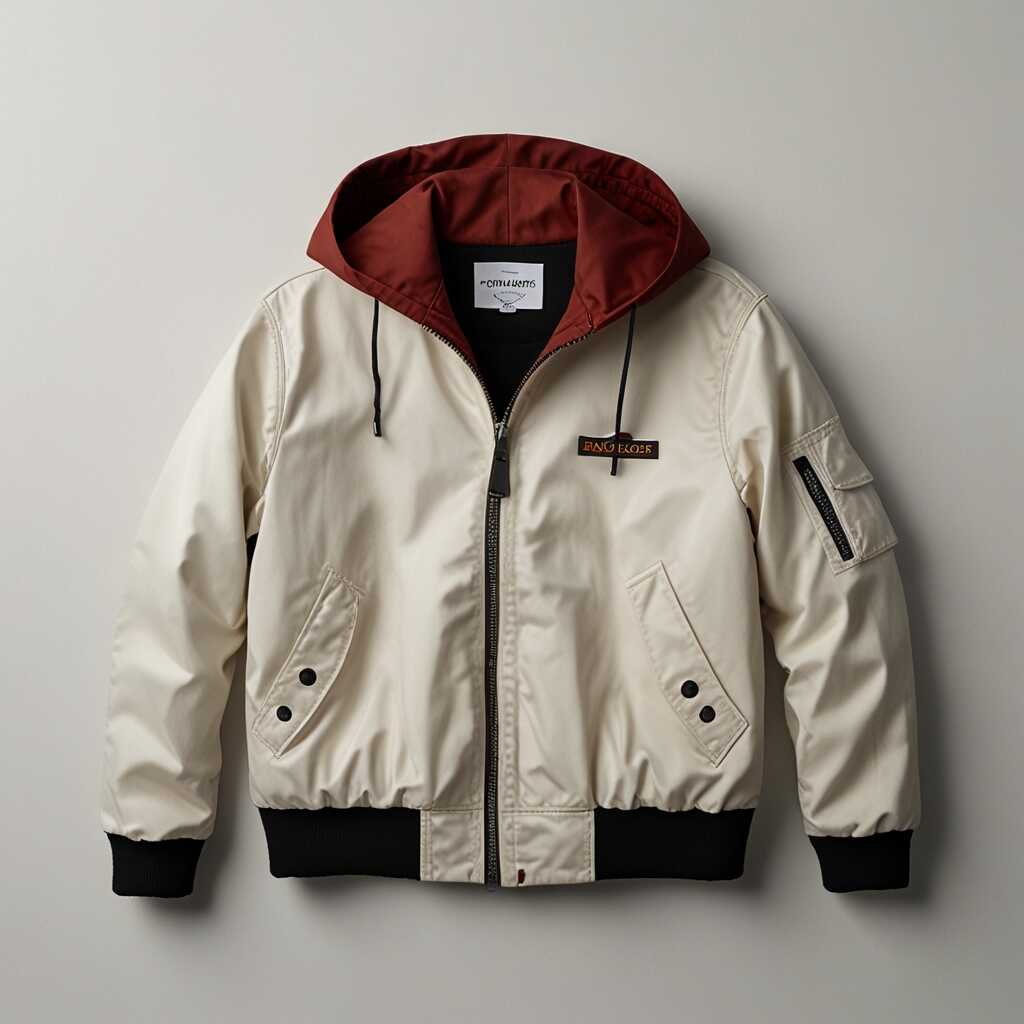
Many household items are effective for DIY stain removal. Vinegar is excellent for breaking down tough stains. Baking soda acts as a gentle abrasive, helping to lift stains while deodorizing fabrics. Dish soap, particularly those designed to cut grease, can handle oily stains effectively. Combining these ingredients often enhances their performance. For example, using vinegar and baking soda together creates a foaming action that improves cleaning ability. The reliable and affordable nature of these solutions makes them essential for everyday fabric care.
Combining Household Items for Maximum Efficiency
To enhance your stain removal process, consider using combinations of household items. For instance, mixing baking soda with vinegar creates a powerful, eco-friendly stain treatment. Apply this paste directly onto the stain and let it sit for about 15 minutes to improve results. Testing these combinations results in a more effective removal approach. Additionally, using these methods often requires just a few common products available in the kitchen, enhancing their accessibility. Many users report significant success with these smart and practical solutions for treating everyday stains.
Signs You Need Professional Stain Removal Services
Indicators that you need professional stain removal services include persistent stains that resist home cleaning attempts. If you notice discoloration after multiple tries, seek expert help. Fabrics like silk, wool, and certain synthetic blends often require professional cleaning for their delicate nature. The use of harsh chemicals can damage them. Research shows that over 80% of tough stains are effectively removed by professionals compared to DIY methods. Professionals offer specialized techniques that enhance stain removal rates and improve fabric longevity.
Identifying Severe Stains on Fabrics
Recognizing severe stains on fabrics is essential for proper care and maintenance. Common signs include visible discoloration, changing texture, or compromised fabric integrity. If a stain complexly combines oils, pigments, and proteins, it often becomes stubborn. Fabrics like velvet or lace may show damage faster than sturdier materials. In these cases, professional cleaning services provide tested methods that effectively treat delicate fabrics. They understand the necessary treatment for individual stains, ensuring quality results and fabric preservation.
Advantages of Prompt Stain Solutions
- Acting quickly can prevent stains from setting permanently.
- Efficient treatments like soaking can eliminate stubborn marks effectively.
- Regular stain care can extend the life of your favorite garments.
- Users often notice less fading in colors when treating stains early.
- Quick actions can save time spent on laundry by reducing repeat washes.
- Treating stains promptly helps maintain confidence in your clothing choices.
- Effective methods support sustainable practices by reducing waste.
Care Tips for Fabrics After Stain Treatment
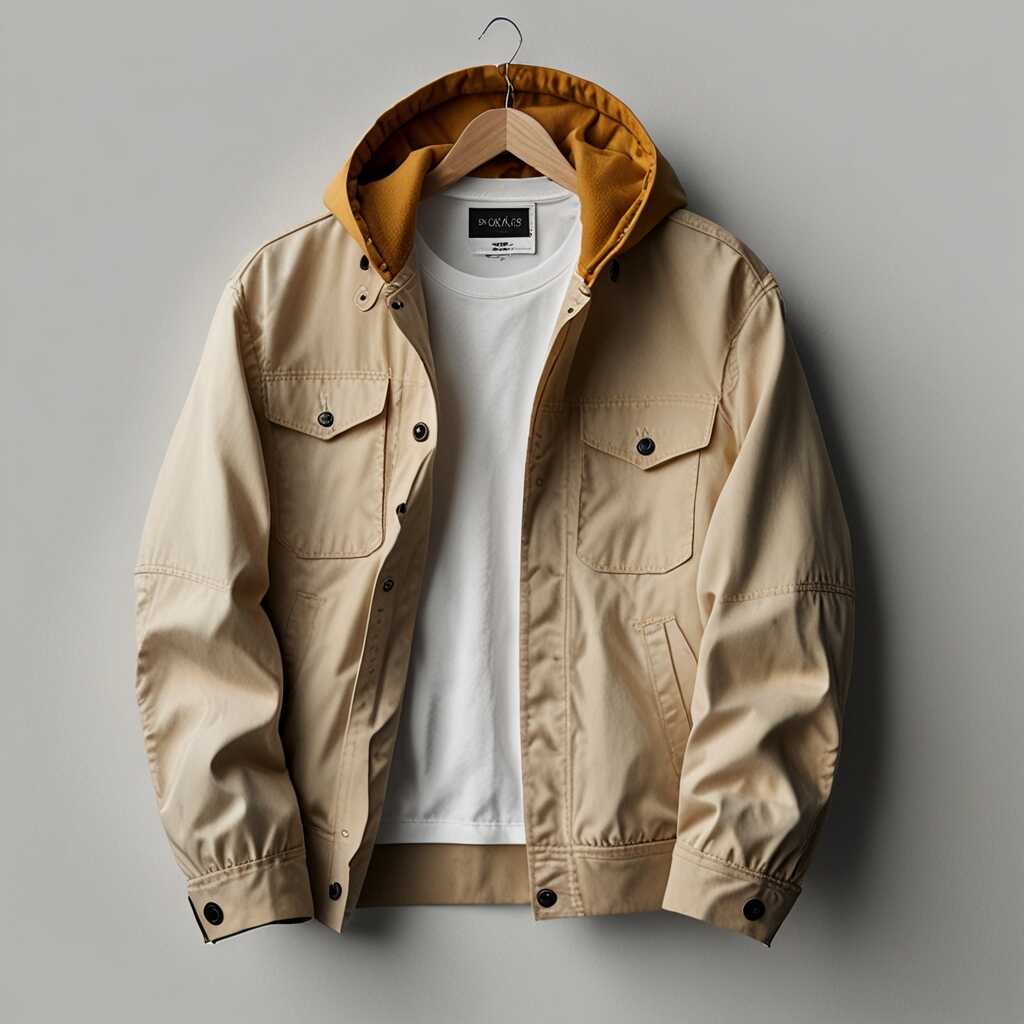
To maintain the appearance and longevity of treated fabrics, washing techniques are essential. Always read the care label before washing. For natural fabrics like cotton and linen, use cold water and a gentle detergent to preserve color and fibers. For synthetic fabrics, warm water can be used, but still stick to a mild detergent. It is crucial to avoid bleach unless explicitly stated safe for the fabric. After washing, dry fabrics according to label instructions, as air drying is gentler than machine drying. Additionally, always store treated fabrics in a cool, dry place and avoid direct sunlight to prevent fading.
Understanding Fabric Storage Practices After Stain Treatment
Fabric type plays a major role in determining the best storage practices. Natural fibers like silk and wool require breathable bags made of cotton or linen to prevent mold and mildew, while synthetic fibers can be stored in plastic containers to protect against moisture. Ensure fabrics are clean and completely dry before storage. For seasonal items, consider using vacuum-sealed bags to save space while protecting against pests. Storing fabrics properly helps maintain their quality and prolongs their lifespan, ensuring you can enjoy your clothing for years to come.
The Role of Timely Stain Treatment in Sustainable Fashion
Timely stain treatment plays a crucial role in sustainable fashion practices by reducing waste and prolonging garment life. Instant action against stains prevents the need to discard clothes, thus minimizing textile waste. Also, using proven stain treatment methods maintains the quality and reliability of fabrics for longer periods. Effective treatment allows users to keep items in their wardrobe longer, therefore reducing the frequency of purchase. Eco-conscious habits contribute significantly to a greener future while enhancing the overall efficiency of sustainable fashion.
Best Stain Treatment Methods for Sustainable Fashion
Common and effective stain treatment methods include applying vinegar for grease stains, using baking soda for blotches, and pre-treating with eco-friendly detergents. These methods are straightforward and provide excellent results in maintaining the integrity of the fabric. Users can easily test these methods for reliability and performance without resorting to harsh chemicals. This commitment to eco-friendly practices helps sustain garment quality and reduces waste. Upholding these practices can significantly improve the longevity of clothing while supporting sustainable fashion ideals.
Popular Brands and Their Use Cases
- OxiClean: Great for quick stain removal, but can be harsh on delicate fabrics.
- Shout: Ideal for tough stains and works well on a variety of surfaces.
- Woolite: Perfect for delicate fabrics, although it takes longer to act.
- Parents often benefit from stain removers like Dreft, designed for baby clothes.
- Fashion enthusiasts prefer brands like Tide, given its reliability on various fabrics.
- Individuals committed to sustainability may choose Eco-friendly options, which highlight natural ingredients.
- Professionals often rely on specialized products based on fabric type and stain severity.
Additional Resources and Guides on Stain Treatment
This section provides access to a variety of resources, including guides and videos that detail effective stain treatment methods. You will find information on stain removal techniques using common household cleaning products. The resources aim to help you understand and apply effective methods for preventing permanent discoloration. There are numerous guides available on our site that deliver expert knowledge and practical tips, enhancing your ability to tackle tough stains.
Choosing the Best Cleaning Solutions for Stain Removal
When selecting the best cleaning solutions for stain removal, consider the type of stain you are facing. For water-based stains, dish soap mixed with cold water is often useful. For greasy stains, combining baking soda with white vinegar can enhance cleaning efficiency. Utilizing fabric-specific stain treatments and carefully following the instructions ensures reliability and effectiveness. Explore our comprehensive educational resources on stain removal to discover proven methods based on extensive testing.