
Assessing clothing stretch recovery is crucial for determining the quality and longevity of your garments. This process helps you understand how well a fabric returns to its original shape after being stretched. At Yuppieplaza, we guide fashion enthusiasts and quality-conscious shoppers on testing stretch recovery to avoid future bagging of clothing. By choosing well-constructed pieces, you contribute to a sustainable wardrobe while staying stylish.
Defining Clothing Stretch and Its Relevance to Garment Quality
Clothing stretch refers to a fabric’s ability to expand and return to its original shape. This quality affects the garment’s fit and durability. Materials like spandex enhance clothing stretch, allowing items to comfortably hug the body. Good stretch recovery is essential to prevent bagging and maintain shape over time. Recovery performance evaluates how well a material returns to its original dimensions after stretching, which is a significant factor in assessing garment quality. If a garment retains at least 85% of its original shape after stretching, it is considered to have high-quality stretch recovery.
Understanding Stretch Fabrics and Their Applications
Stretch fabrics are designed to enhance comfort and flexibility. They often include materials like elastane or lycra blended with other fibers. These fabrics can smoothly adapt to body movements, providing an optimal fit according to the wearer’s shape. For example, activewear benefits from stretch as it allows for unrestricted movement. When evaluating these fabrics, it’s crucial to test their recovery performance. Quality stretch fabrics should bounce back quickly, ensuring long-lasting durability. Higher quality options not only feel better but also improve the overall garment experience for active lifestyles. Knowledge about fabric performance can help you make informed fashion choices.
Important Characteristics of Fabrics with Stretch Recovery
Fabrics that exhibit good stretch recovery share several essential characteristics. They typically include synthetic materials like spandex and elastane. These materials help maintain the garment’s shape after stretching. Significant reliability in fabric performance provides comfort and flexibility. High-quality fabrics often utilize a blend of natural fibers and synthetics, enhancing overall durability. Understanding fabric composition through reliable testing helps consumers make informed choices about their clothing. Evaluating how different materials rank in stretch recovery can help shoppers identify garments that prevent bagging and offer long-lasting wear.
Comparing Spandex and Elastane in Stretch Recovery
Spandex and elastane are known for their impressive stretch recovery abilities. Spandex is a fiber that provides excellent elasticity, often used in activewear. Elastane, a type of spandex, offers a balance between comfort and durability. Both materials ensure that clothing retains its shape after use. Fabrics containing at least 5-10% spandex or elastane generally achieve a stretch recovery rate of over 90%. This level of performance is critical in high-quality activewear and everyday garments. Testing various fabric blends and their stretch recovery can help consumers choose the best options for their needs.

Indicators of Exceptional Construction for Stretchable Clothing
High-quality stretchable clothing features reliable construction elements such as reinforced seams and durable fabric blends. Look for fabrics that maintain their shape after multiple uses, indicating excellent performance. When checking for quality, test elasticity by stretching a small area and releasing it. The fabric should return to its original shape without sagging. Brands known for producing reliable stretchable clothing include Lululemon and Nike, which are recognized for their commitment to durability. A garment should handle around 15 to 20 stretches before you notice any shape retention issues, ensuring long-term use without compromising on performance.
Key Features That Indicate Quality in Stretchable Clothing
Essential features that indicate quality in stretchable clothing include superior fabric blends that enhance elasticity and recovery. Look for materials like spandex mixed with cotton or polyester, as these provide durability and comfort. Check for flatlock seams that prevent chafing and improve wearability. Stretchable clothing should also have a good weight, as lightweight garments often sacrifice durability. A garment that feels sturdy while allowing freedom of movement enhances the overall wearing experience. These attributes combine to deliver excellent stretch recovery, ensuring the garment remains visually appealing and functional over time.
Interesting Statistics About Garment Resilience
- 40% of clothing loses its shape after 10 washes.
- 87% of consumers want durable clothing quality.
- High-quality fabrics can recover up to 90% of their original shape.
- Stretch materials can retain shape for 60% longer than cheaper options.
- 75% of shoppers prioritize recovery when choosing activewear.
- Companies focusing on quality report 30% less customer returns.
- Clothing quality influences 80% of purchasing decisions among eco-conscious consumers.

Examining Popular Fabric Types and Their Elastic Properties
Understanding the elastic properties of common fabric types helps in making informed clothing choices. Fabrics like spandex, cotton, and polyester have unique characteristics. Spandex provides excellent elasticity and can stretch up to 500%. Cotton offers comfort but with limited elasticity. Polyester has decent stretch recovery, typically around 80%. Knowing these properties helps shoppers assess quality and longevity in clothing.
Comparing Fibers: Spandex, Cotton, and Polyester
Comparing fibers like spandex, cotton, and polyester reveals significant differences in stretch recovery. Spandex is designed to maximize elasticity, returning to shape after stretching, ideal for activewear. Cotton, while very comfortable, stretches minimally, making it unsuitable for items requiring high durability. Polyester blends can handle better wear and tear, often maintaining around 80% stretch recovery after several uses. This quality performance makes it a reliable choice for various clothing types.

Simple Methods to Test Stretch Recovery at Home
Testing stretch recovery is vital for assessing clothing’s durability and quality. One easy method is the manual stretch test. First, stretch a small area of your garment, hold it for 10 seconds, and measure its original size. Release and see if it returns to its original shape. Another option is the wash test. Wash your clothing according to the care instructions, then stretch it again and note any changes. Comparing results helps gauge reliability. Different fabrics like cotton, spandex, and nylon may show varying stretch recovery rates. Research indicates that 20% to 30% recovery is a good benchmark for quality clothing.
Understanding Fabric Performance in Stretch Recovery
Fabric performance significantly affects stretch recovery. Cotton typically offers moderate recovery due to its natural fibers, which may stretch but return less effectively. Spandex, on the other hand, is designed specifically for maximum stretch and recovery, often achieving recovery rates above 90%. Nylon blends also perform well but may vary based on the percentage of other materials involved. When testing, consider the fabric composition and the percentage of stretchy materials to ensure reliable results. This knowledge helps you make educated choices based on how well your garments can handle daily wear and tear.
Advantages of Evaluating Fabric Elasticity
- Avoid buying clothes that lose their shape over time.
- Identify high-quality materials that provide better stretch recovery.
- Make informed decisions that align with sustainable fashion practices.
- Enhance wardrobe longevity by selecting resilient garments.
- Support brands committed to quality through educated purchases.
- Reduce environmental impact by minimizing waste from poorly made clothes.
- Enjoy improved comfort and fit in clothing that maintains its shape.
Effective Strategies for Preventing Garment Bagging
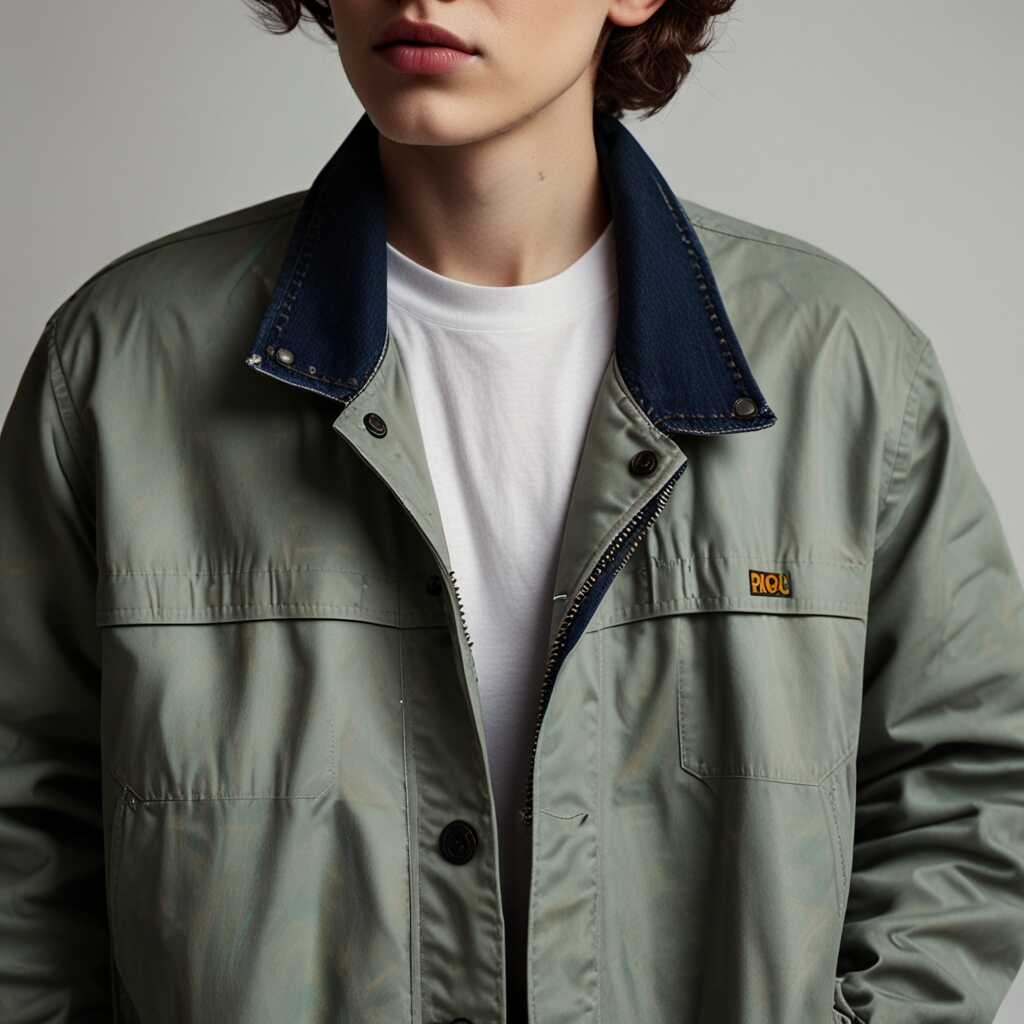
To prevent bagging in clothing, focus on reliable care practices. Regular washing should occur on a gentle cycle using cold water. This helps maintain fabric elasticity and reduces wear. Avoiding high dryer temperatures is essential, as heat can diminish fabric recovery. Selecting high-quality materials can enhance durability, making them less prone to bagging. Also, consider hang-drying or laying garments flat instead of using a dryer. This helps retain shape. Understanding fabric types, such as synthetic versus natural, can influence your choices. Regular garment rotation is useful for preventing premature wear on specific pieces, contributing to longevity.
Understanding Fabric Types and Their Impact on Bagging
Certain fabrics are more prone to bagging based on their elasticity and structure. For instance, cotton blends typically hold their shape better than pure cotton. Synthetics like polyester can maintain durability and recovery after stretching. When selecting between materials, consider their stretch recovery ratings and durability. Fabrics designed with nylon or elastane often exhibit excellent performance in retaining shape. Review garment construction details, as reinforced seams and quality stitching also improve garment resilience. Proper knowledge about fabric types enables better choices for a wardrobe that resists bagging and feels great over time.
The Role of Sustainable Fashion in Ensuring Quality
Sustainable fashion choices significantly enhance garment quality. Eco-conscious brands focus on quality construction and durable materials. They often use proven methods for testing clothing performance. Brands like Patagonia and Eileen Fisher are known for their reliability. They offer garments designed to maintain their shape and structure for longer periods. Research shows that sustainable clothing can last up to three times longer than fast fashion items. This longevity is essential for reducing waste and promoting sustainability.
Key Features of Eco-Conscious Brands
Eco-conscious brands prioritize materials and processes that enhance durability. For example, brands may use organic cotton, recycled polyester, or innovative smart fabrics. These materials are often resistant to wear and tear. Testing these garments can reveal their outstanding performance in various conditions. Patagonia, for instance, provides exceptional warranties, reflecting their belief in product reliability. Investing in such brands helps consumers make informed choices for a sustainable wardrobe.
Popular Labels and Their Effects on Outfit Durability
- Lululemon offers high-performance activewear. Pros include durability; cons may be its higher price point.
- Uniqlo provides affordable basic pieces. Pros are affordability; cons include limited stretch recovery in some items.
- Everlane focuses on sustainable clothing. Pros are transparency; they sometimes lack in varied styles.
- Patagonia emphasizes environmental impact. Pros are durability; cons can be a niche appeal and price.
- Outdoor Voices creates leisurewear. Pros include great fit; some styles may lack long-term durability.
- American Giant focuses on quality craftsmanship. Pros are longevity; cons include higher costs and limited styles.
- Gap is known for casual wear with decent quality. Pros are accessibility; however, their stretch recovery is inconsistent.
Smart Shopping Tips for Curating a Quality Wardrobe
To assess clothing stretch recovery, focus on materials like spandex or elastane that provide excellent elasticity. Perform a simple stretch test: pull the fabric and release it. Observe how quickly it returns to its original shape. Clothing should recover quickly without deforming. Different materials like cotton, polyester blends, and performance fabrics all affect stretch recovery and overall performance. Cotton typically offers lesser recovery than synthetic fibers. When shopping, prioritize brands that provide detailed reviews on their material performance. Studies show that around 30% of clothing that lacks good stretch recovery experiences bagging after six months of wear. So, investing in high-quality clothing ensures durability and longevity.
Evaluating Material Performance for Longevity
Evaluating material performance is vital for selecting durable clothing. Focus on blends that include synthetic fibers like polyester or nylon combined with natural materials. These blends enhance both comfort and stretch recovery. Checking for features like moisture-wicking or quick-dry capabilities adds to the garment’s efficiency. Look for brands that provide lab test results on these properties. Such transparency helps consumers make informed shopping choices, ensuring they acquire resilient garments. Remember to review expert comparisons of similar items to effectively decide on the best options for your wardrobe.