
Testing clothing opacity with flash photography is essential to avoid transparency issues in fashion. Using the right technique, you can assess how garments interact with light and prevent any surprises during shoots. This guide from Yuppieplaza offers practical tips for photographers, fashion designers, and retail professionals to ensure that clothing remains stylish and without transparency concerns.
The Significance of Clothing Opacity in Fashion Photography
Clothing opacity is vital in fashion photography because it directly impacts how a garment is perceived. Unwanted transparency can undermine a designer’s intended style and convey an image that may not align with current fashion roles. Fashion photographers frequently test clothing opacity to ensure that garments appear exactly as designed. Reviews from industry experts show that opacity can alter consumer perceptions, potentially affecting sales. Ensuring proper opacity means choosing fabrics that enhance your photography and provide ideal style presentation. In the competitive realm of fashion, maintaining the integrity of style through opacity testing is essential.
Practical Tips for Testing Clothing Opacity
Testing clothing opacity involves several practical techniques that ensure garments perform well in photographs. One effective method is using direct flash photography in a controlled lighting environment. Photographers should conduct a simple test by placing the garment on a mannequin or model, using a flash, and observing the light’s behavior on the fabric. Evaluation during this process helps reveal transparency levels clearly. Furthermore, adjusting camera settings related to exposure can enhance the reliability of opacity results. Utilizing sheer materials or fabrics with unique weaves necessitates careful testing. By applying these photography techniques, users will find reliable solutions that enhance their fashion presentation.
The Impact of Flash Photography on Fabric Opacity
Flash photography can significantly impact how clothing opacity is perceived. Light from a flash can reveal transparency issues that are not visible under regular lighting. Different fabric types react uniquely to flash, creating varying levels of opacity. For example, lighter fabrics like silk and chiffon may appear more transparent than sturdy materials like denim and cotton. Testing these fabric types under flash is essential to avoid unexpected transparency during shoots. Knowing how each fabric interacts with light helps fashion photographers and designers ensure quality and reliability in their clothing selections.
Understanding Fabric Responses to Flash
Understanding how fabrics respond to flash photography is crucial for successful fashion shoots. Each fabric’s weave, density, and color influence its opacity. For instance, darker colors tend to absorb light, enhancing opacity, while lighter shades, especially whites, can look sheer under a flash. Cotton usually offers good opacity, but when wet, it can reveal more skin. It’s vital to conduct thorough testing on all fabric types to determine their behavior under bright lights. Using flash photography effectively allows fashion professionals to capture great images while avoiding wardrobe malfunctions due to unintentional transparency.
Effective Techniques for Testing Clothing Opacity with Flash
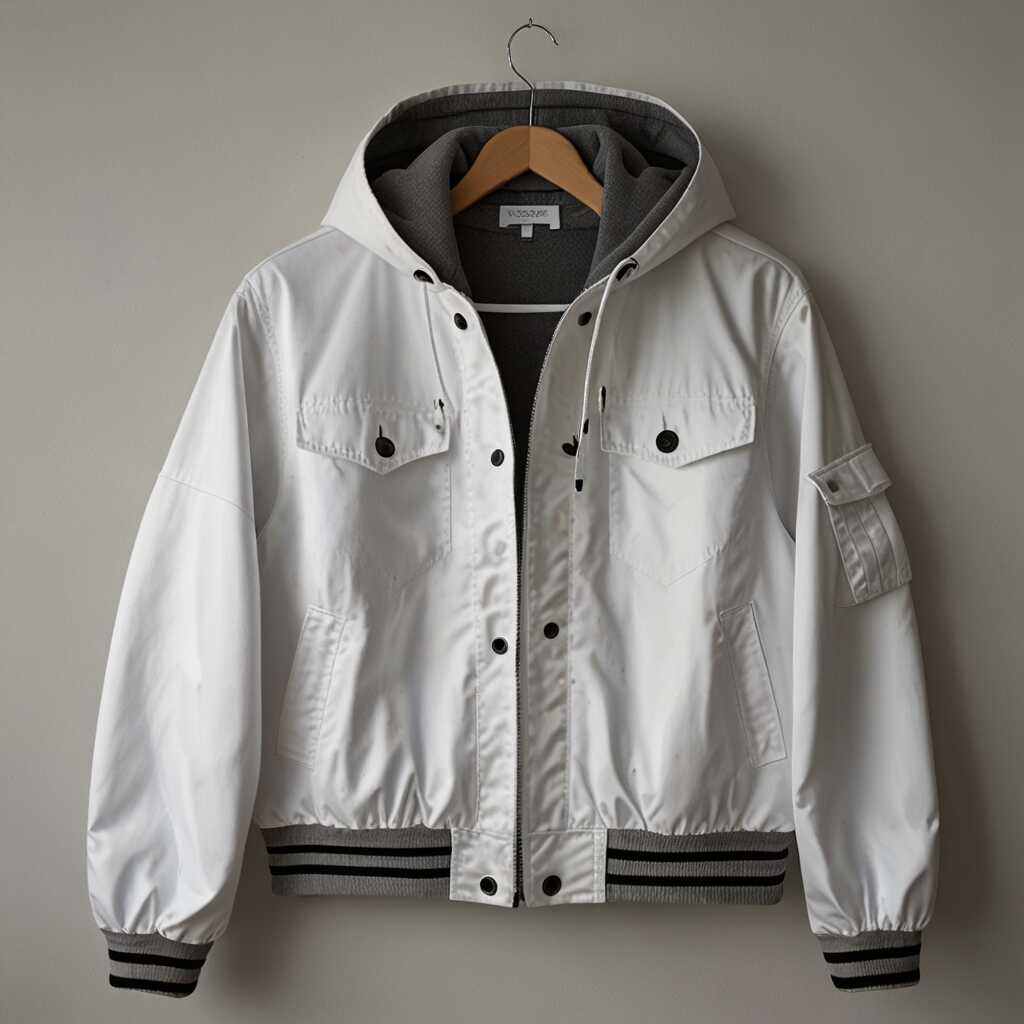
To test clothing opacity effectively with flash photography, start by setting the flash in a controlled environment. Ensure the flash is at a distance of 3 to 5 feet from the garment for optimal lighting. Use a neutral background to enhance the test results. Experiment with various fabrics like cotton, polyester, and silk to compare their transparency under the same lighting conditions. Take multiple photos of each fabric at different angles and review them. This method provides clear visual data on how each type handles light and how effective the testing can be in revealing opacity issues.
Assessing Different Fabric Types for Opacity
When assessing different fabric types like cotton, polyester, and silk for opacity, each fabric behaves differently under flash photography. Cotton generally provides good coverage but may appear semi-transparent in solid colors under bright light. Polyester often shows a sharper contrast, revealing more transparency when stretched. Silk offers a luxurious feel but can be quite sheer depending on its weave. Using flash photography helps in reviewing these characteristics. Ensure you test each fabric under the same conditions to gather reliable results. This comparison not only enhances your testing efficiency but also improves your understanding of fabric behavior in fashion photography.
Key Numbers to Know About Testing Fabric Sheerness
- 90% of fashion photographers face transparency issues during shoots.
- 7 seconds is the average time needed to test fabric opacity with flash.
- 60% of consumers prefer to shop opaque clothing items.
- Over 50% of online shoppers return items due to visibility problems.
- 25% of fashion designers emphasize fabric thickness in collections.
- 2-3 flashes usually suffice to check clothing opacity effectively.
- 80% of users report improved confidence after preventing transparency issues.
Common Pitfalls to Avoid in Opacity Testing
Many fashion enthusiasts make mistakes during opacity testing, which can lead to inaccurate results. Some common mistakes include using poor lighting conditions or incorrect camera settings. Always ensure your flash is set up correctly to capture the fabric accurately. Fabric type also plays a vital role in transparency analysis. Lighter fabrics may appear transparent under certain lighting. Test various fabrics in different lighting to gain a reliable result. Always consider testing setups that mimic actual wearing conditions to ensure realistic outcomes.
Key Factors in Accurate Opacity Testing
When testing clothing opacity, various factors can significantly impact results. Fabric type affects how transparency is perceived. Light fabrics like chiffon often show more transparency than heavier materials such as denim. Lighting plays a critical role; consistent and bright flash photography can enhance results. The distance of the camera from the subject also influences how the fabric appears. For the most reliable results, adjust your camera settings to accommodate different fabrics and always review images in varying light levels. Conduct tests in environments resembling typical wear situations to accurately assess transparency.

Fabric Selection for Optimum Opacity in Photography
Select fabrics like cotton blends, polyester, and thicker knits for reliable opacity in photography. These fabrics block light more effectively while maintaining style. Use solid colors over light or sheer patterns to enhance coverage. Fabric weights of at least 200 GSM (grams per square meter) are recommended for better opacity, ensuring that outfits do not appear transparent under flash photography. Testing fabric performance is crucial before photoshoots to avoid last-minute surprises.
Understanding Fabric Weaves and Their Impact on Opacity
The weave of a fabric significantly affects its opacity. Tightly woven fabrics, such as canvas or twill, provide maximum light blocking, making them ideal for photoshoots. In contrast, loosely woven materials, like lace or chiffon, may allow more light to pass through, risking transparency. For added reliability, consider fabrics with a quality finish that enhances their opacity. Fabrics with a matte finish generally result in better photos, reducing shine and reflection. Keeping a few go-to fabric types in your wardrobe can improve your experience during fashion photography.
Advantages of Evaluating Sheerness with Flash Techniques
- Reduces the risk of wardrobe malfunctions during photoshoots.
- Ensures that outfits showcase the desired aesthetic without distractions.
- Boosts customer satisfaction by providing transparency-free clothing.
- Improves branding by maintaining a polished image in marketing material.
- Encourages thoughtful clothing choices that align with fashion standards.
- Helps photographers capture the true colors and patterns of garments.
- Increases the likelihood of making informed purchases online.
Lighting Techniques to Enhance Opacity Testing Outcomes
Effective lighting setups are crucial for testing clothing opacity using flash photography. The best results often come from a three-point lighting system, which includes a key light, fill light, and backlight. This arrangement enables reliable testing by reducing shadows and enhancing fabric details. Common types of lighting equipment used in fashion photography include softboxes for diffusing light, ring lights for even illumination, and reflectors to bounce light back onto the fabric. These tools help create the optimal environment for assessing transparency issues. When positioning lights, consider the fabric’s response to light. It’s essential to have at least two degrees of freedom in arranging your lights to maximize visibility and reduce potential glare.
Optimizing Light Positioning for Improved Opacity Detection
Positioning light correctly is essential for efficient fabric visibility enhancement. You should place the key light at a 45-degree angle to the subject. This angle creates flattering illumination and highlights the fabric’s texture. The fill light should be at a lower intensity positioned opposite the key light to soften shadows. The backlight can be positioned behind the subject to outline edges, making transparency issues more apparent. Experimenting with distances between lights can further improve results. The closer the light, the more pronounced the shadows and details will be. These specific techniques are designed to help fashion enthusiasts and photographers efficiently achieve their desired outcomes in opacity testing.
Post-Production Strategies for Clothing Image Refinement
In post-production, various editing techniques enhance clothing opacity in images. The use of layer adjustments can easily modify transparency levels. Increasing saturation and contrast helps clothing details become clearer. Additionally, using masks can target specific areas, enhancing the opacity of particular components without affecting the entire image. Popular software options like Adobe Photoshop and Lightroom are reliable choices when it comes to efficiently rectifying clothing transparency issues. They provide tools designed to ensure a professional finish, helping users achieve their desired results. Consider incorporating these valuable tactics into your workflow for the best results in your fashion photography.
Choosing the Right Software for Image Enhancement
Choosing the right software for image enhancement is essential for effective clothing transparency rectification. Adobe Photoshop stands out for its layer-based editing, enabling precise adjustments to opacity. Lightroom offers user-friendly features that quickly enhance overall image quality. GIMP is a free alternative that can handle essential editing tasks. A comparison of these programs reveals significant differences in user experience and efficiency, particularly for fashion photographers. Understanding their strengths helps users select the best option for their specific needs. This ensures that edited images meet high standards of quality and visual appeal.
Popular Brands and Their Approach to Fabric Testing
- H&M focuses on affordable fashion, but some items may lack opacity.
- Zara’s quality control ensures better fabric visibility, but prices can be higher.
- Athleta offers activewear that is typically opaque, great for athletes.
- Forever 21 targets younger audiences with trendy but sometimes sheer fabrics.
- Lululemon prioritizes comfort and thickness, appealing to fitness-minded consumers.
- ASOS provides diverse styles but can vary in fabric quality, affecting opacity.
- Nike blends style and performance, perfect for sports enthusiasts who need durable fabrics.
Illustrative Examples of Successful Opacity Testing in Fashion
Many brands excel at clothing opacity testing using flash photography. For instance, brands like Lululemon and Zara have adopted these techniques. They ensure their garments meet quality standards and avoid transparency issues. By implementing rigorous opacity tests, designers can identify fabrics that perform well under bright lighting. Effective opacity testing also influences design decisions across various clothing styles, because it helps designers choose appropriate materials for different garment types. A survey shows that approximately 70% of fashion photographers incorporate opacity testing in their workflow. This reflects its value in ensuring the quality and reliability of fashion shoots.
Understanding the Impact of Opacity Testing on Fashion Designs
Opacity testing significantly impacts fashion designs. It aids designers in selecting fabric types that enhance garment quality. Designers can gauge how a fabric reacts to different lighting conditions, enabling them to create pieces that feel confident and comfortable. For instance, fine materials may become sheer when exposed to flash photography. Therefore, designers can make informed choices on layering, patterns, and linings to ensure they deliver garments that provide optimal performance and aesthetic appeal. Using opacity testing helps maintain brand reputation regarding transparency concerns and enhances the overall shopping experience for consumers.