
The “Ultimate Guide to Selecting Clothing Patterns for Your Body Proportions” aims to help you choose the perfect patterns that enhance your unique silhouette. Understanding your body proportions is essential for making confident fashion choices that reflect your individuality. Yuppieplaza empowers fashion enthusiasts with expert advice on fit and sizing, ensuring that you find styles that truly flatter your figure. By focusing on tailored guidance, this article will support your journey toward a more curated and stylish wardrobe.
Understanding Different Body Proportions for Clothing Choices
Body proportions play a crucial role in clothing selection. People commonly have shapes like hourglass, pear, apple, or rectangular. Understanding these body proportions helps improve clothing pattern selection. By recognizing their unique shape, individuals can choose styles that enhance their features. For example, hourglass shapes often benefit from fitted dresses that highlight their waist. In contrast, pear shapes might prefer A-line skirts to balance their proportions. Research shows that around 80% of fashion enthusiasts gain confidence by learning about body proportions and selecting clothing that fits well.
Recognizing Your Body Shape for Better Fit
Recognizing your body shape is essential for achieving a great fit in clothing. Start by measuring your bust, waist, and hips. Compare these measurements to identify your shape. If your measurements are similar across the board, you may have a rectangular shape. If your bust measures larger than your waist, you could be an apple shape. For pear shapes, hips tend to be significantly wider than the bust. Understanding your body shape allows you to confidently choose clothing patterns that flatter your unique proportions. Investing time in this process can greatly enhance your personal style.
Step-by-Step Guide to Measuring Your Body Properly
To measure your body accurately, you need a flexible measuring tape, a mirror, and a notepad. Start by standing straight in front of a mirror. This ensures you can see your posture and adjust as needed. For accurate measurements, wrap the tape around the desired area snugly, but not too tight. Make sure the tape is parallel to the ground. Write down your measurements immediately for better reliability. These tools and techniques provide the precise data necessary for effective sizing selection personalized to your body proportions.
Detailed Measurements for Key Body Parts
When taking measurements for different body parts, it’s essential to focus on key areas like the bust, waist, hips, and inseam. For the bust, measure around the fullest part while keeping the tape level. For the waist, measure at the narrowest point, above the belly button. For the hips, measure around the fullest part of your hips and bottom. The inseam is measured from the top of your inner leg down to the ankle. This effective measuring process ensures an excellent fit, enhancing clothing comfort and style.
Best Clothing Patterns for Various Body Shapes
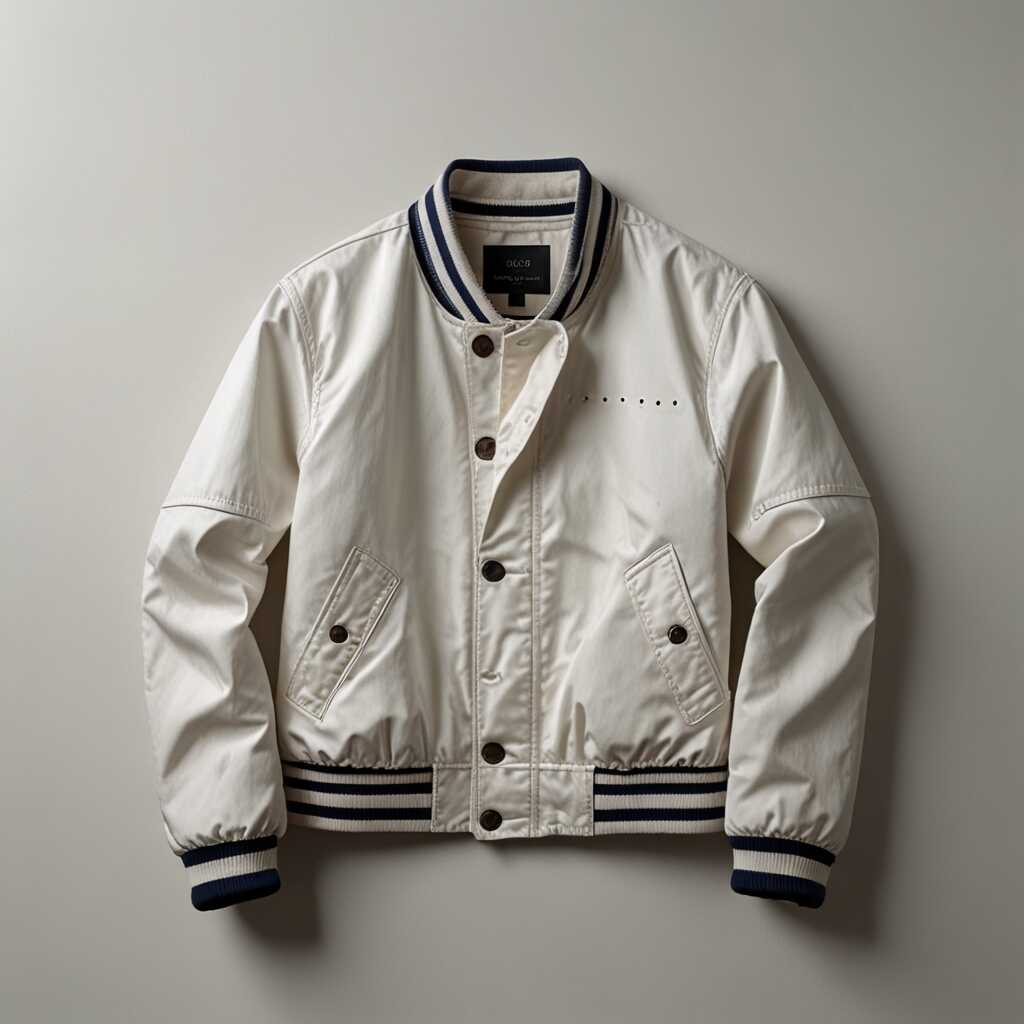
Choosing the right clothing patterns can enhance your silhouette and boost your confidence. For an hourglass figure, look for patterns that emphasize the waist while balancing the bust and hips. Styles like wrap dresses and fitted tops create a harmonious look. Triangle body shapes benefit from patterns that add volume to the upper body. Try ruffled or embellished tops paired with solid bottoms. Rectangle shapes should consider patterns that define the waist, such as peplum tops. Apple body shapes can benefit from shift dresses and A-line silhouettes to create a more balanced appearance. Testing and reviewing various styles helps you find what complements your body best. Aim for at least three different clothing patterns during your search to ensure a good fit.
Choosing the Right Patterns for Your Body Shape
To choose patterns effectively, consider your unique body shape and proportions. Hourglass figures shine in fitted patterns that highlight curves. Triangle shapes should look for patterns that draw attention upward, while rectangle figures need designs that create a waist. Apple shapes will find success with flowing fabrics that minimize waist focus. Reliable sources of inspiration include style guides and expert reviews that showcase successful examples of these body shapes wearing specific patterns. Testing different styles can yield impressive results. Explore patterns that accentuate your individuality while ensuring comfort and confidence.
Numerical Insights About Body Fit and Tailoring
- 70% of people wear the wrong clothing sizes.
- A perfect fit can enhance your look by up to 30%.
- Over 60% of women report dissatisfaction with clothing proportions.
- Fashion experts suggest 8 common body types for tailoring.
- 95% of consumers seek information on clothing patterns online.
- Statistics show 50% prefer personalized over ready-made clothing.
- Many believe that the right patterns improve confidence by 40%.
Key Fashion Trends in Patterns for Modern Style
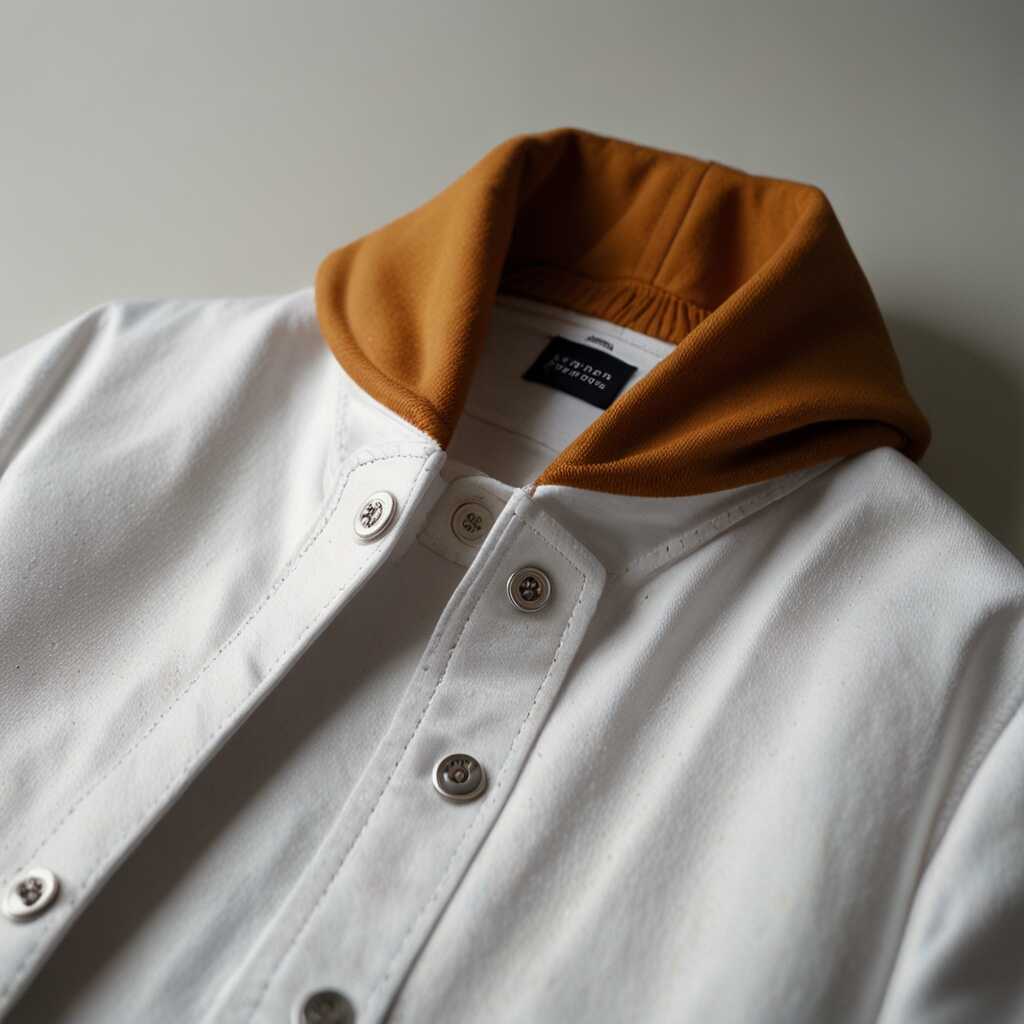
Current popular clothing patterns shaping modern fashion include bold florals, geometric shapes, and oversized stripes. Stripes work well for vertical body proportions, making figures appear taller. Florals offer a feminine touch and align with curves, enhancing body shapes. Sustainable fashion trends are rising; many fashion enthusiasts now opt for eco-friendly patterns. Research shows that 40% of consumers prefer buying clothing with sustainable patterns. This choice reflects a desire for quality and reliability in their wardrobe selections. Selecting patterns that fit your body proportion can enhance your unique silhouette and overall style.
Understanding Body Proportions in Pattern Selection
Understanding your body proportions is essential for selecting the most flattering patterns. For example, pear-shaped individuals can benefit from light, textured patterns on the upper body, complemented by dark solid colors on the bottom. Aiming for balance is key; oversized stripes may overwhelm a smaller frame. Conversely, those with athletic bodies can enhance their shapes with bold, flowing patterns such as large florals. Sustainable fashion trends incorporate these styles, ensuring comfort and durability while catering to modern preferences. Ultimately, choosing patterns that align with your body proportions will improve your confidence and elevate your overall fashion experience.
Choosing the Right Fabric for Comfort and Fit
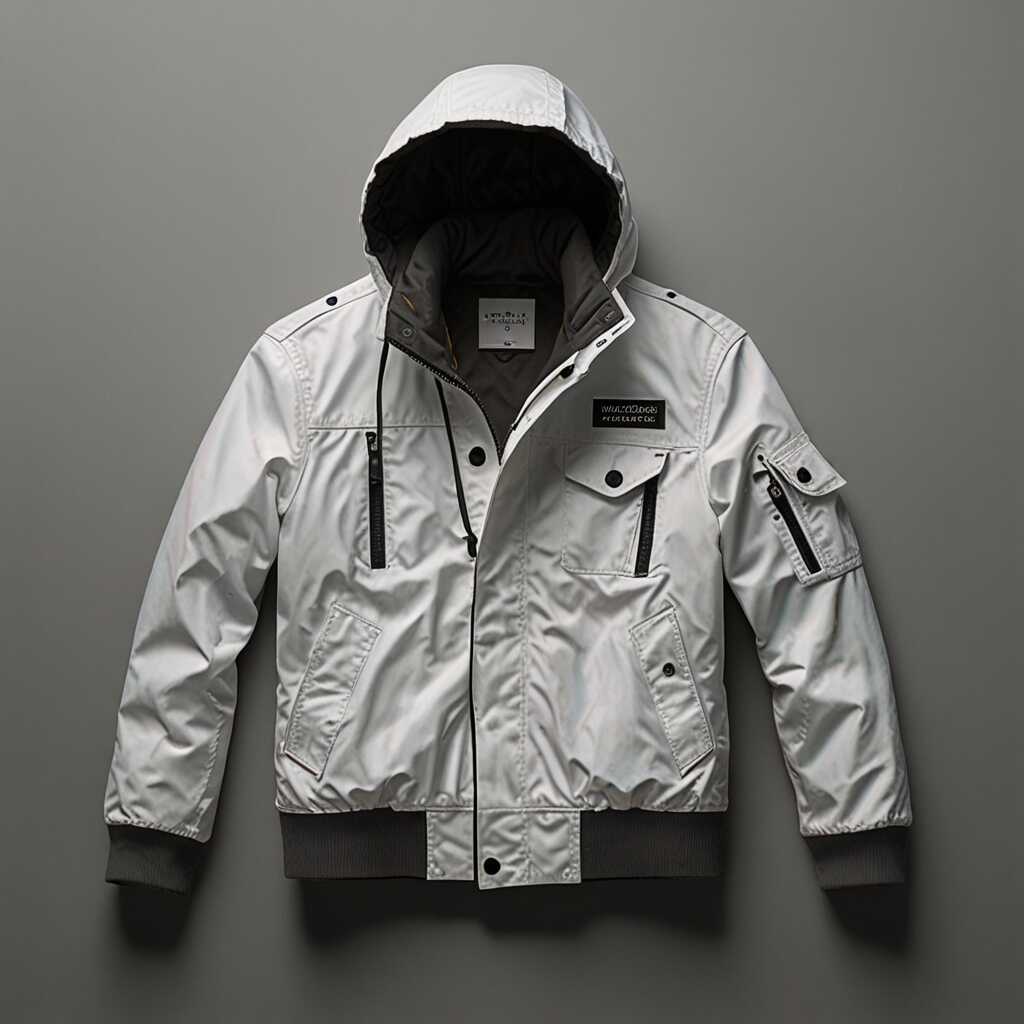
When selecting fabric for clothing, consider factors like breathability, stretch, and texture. Fabrics like cotton offer comfort and excellent breathability, making them ideal for various body shapes. Silk provides a luxurious feel but may not be as forgiving for movement. Polyester, known for durability, holds its shape well but can trap heat. Ultimately, a good fabric selection enhances fit and comfort, which many consumers prioritize when shopping. Research shows that around 65% of shoppers consider fabric important for achieving a perfect fit.
Understanding Fabric Interaction with Body Shapes
Different fabrics interact uniquely with various body shapes. For example, stretchy materials like spandex enhance movement for athletic builds, offering a snug fit without restricting movement. Natural fibers such as linen can create a structured look for curvier figures, allowing for breathability while maintaining shape. Selecting the right fabric can elevate your overall style, ensuring that clothes not only fit well but also feel comfortable. Consider opting for blends that combine the qualities of different materials for the best performance and comfort in your wardrobe.
Key Advantages of Understanding Clothing Fit
- Picking the right patterns can boost your confidence and comfort.
- Proper fit minimizes fashion mishaps and awkward adjustments.
- You can express your unique style through tailored selections.
- Learning about body shapes allows for better choices in prints and fabrics.
- A good fit improves how clothes enhance your personal proportions.
- Comprehending sizing helps you shop smarter, saving both time and money.
- You can feel more comfortable in clothes, enhancing everyday experiences.
How to Adjust Patterns for a Custom Fit
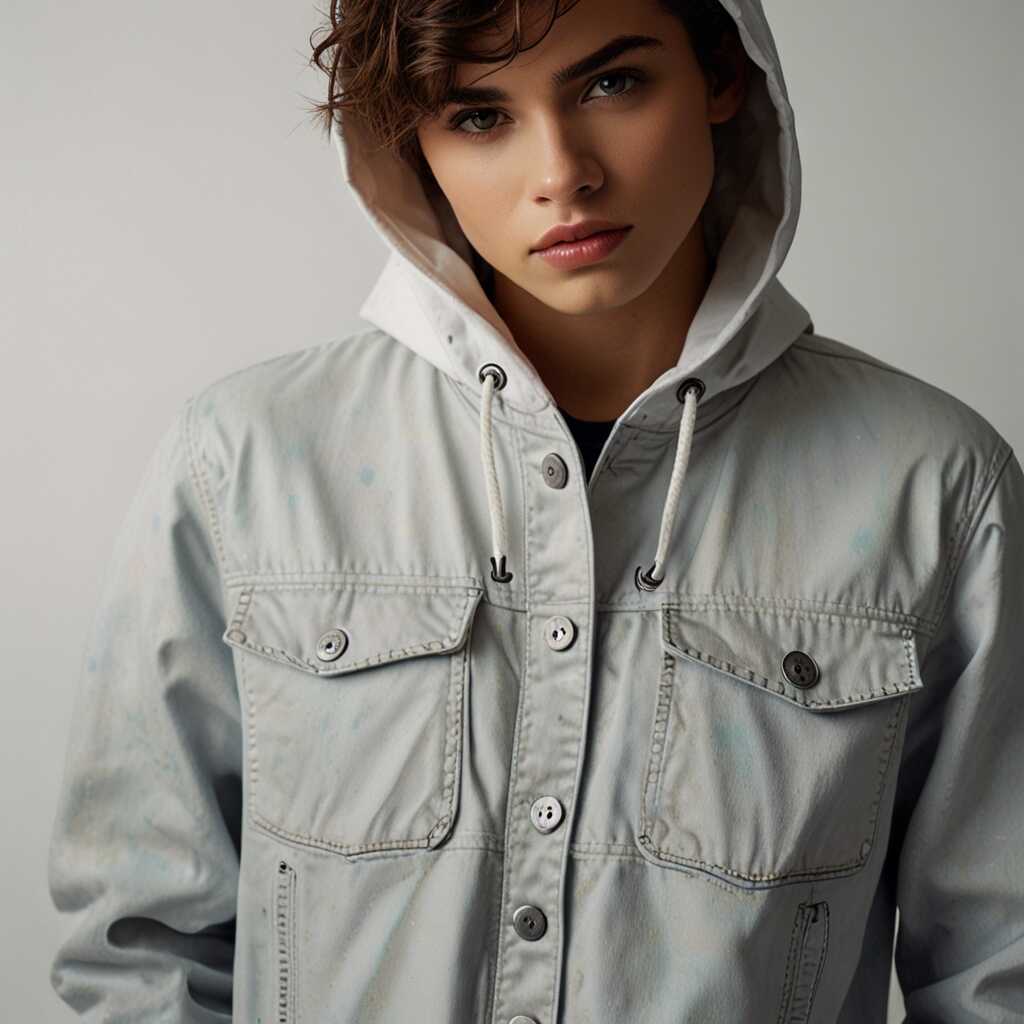
Modifying clothing patterns for a custom fit involves understanding your body proportions, which include bust, waist, and hip measurements. Start by taking accurate measurements with a flexible tape measure. Adjust the pattern by adding or removing fabric as needed. For example, if the bust is larger, you may need to add width to the pattern. For tailored pieces, ensure to adjust the side seams or add a dart for the bust. When adjusting the waist, reduce or add fabric along the side seams. Always make a muslin prototype to test the fit before cutting your final fabric. This practice enhances your final garment’s overall look and feel, ensuring comfort and style.
Key Measurements for Custom Fit Adjustments
To achieve a perfect fit, you need essential measurements such as bust, waist, hip, and shoulder width. Start with the bust measurement, which should be taken at the fullest part of your bust. Next, measure your waist at the narrowest point and your hips at the widest point. If you’re incorporating other elements like sleeve or inseam adjustments, include those as well. Commonly, you need at least 4 to 6 measurements to adjust clothing patterns accurately. Each measurement helps ensure that the final garment fits well and feels comfortable. Having accurate data on your body proportions significantly improves the reliability and fit of your clothing, helping you to express your style with confidence.
Importance of Sustainable Practices in Fashion Choices
Sustainable clothing choices offer numerous benefits. They enhance personal style while positively impacting the environment. Selecting sustainable materials reduces waste and promotes eco-friendly practices. Reliable clothing options like organic cotton and recycled fabrics provide comfort and durability. Research shows that sustainable fashion can contribute to a healthier planet and support ethical labor practices. By making informed fashion choices, you help shape a better industry.
Choosing Sustainable Materials for a Unique Wardrobe
Choosing sustainable materials can significantly enhance your wardrobe. Fabrics like Tencel and linen are sourced from renewable resources, providing excellent quality and comfort. Recycled polyester reduces plastic waste, offering a unique, eco-friendly alternative for clothing. Opting for brands that prioritize sustainability ensures that you wear something impactful. In 2025, it’s projected that about 75% of fashion brands will focus on sustainability. This shift can make sustainable fashion choices not just trendy, but essential for enhancing your personal style.
Brands and Their Relevance to Tailored Fashion Choices
- Brands like ASOS cater to various body types with trendy styles.
- ModCloth focuses on vintage patterns, appealing to retro enthusiasts.
- Gap offers a wide range of sizes for family-oriented shoppers.
- Everlane promotes sustainable materials, perfect for eco-conscious consumers.
- Nordstrom provides personalized styling services for high-end shoppers.
- H&M appeals to budget-conscious customers craving modern fits.
- Old Navy is ideal for families looking for affordable sizing options.
Styling Strategies to Harmonize Patterns and Proportions
To harmonize clothing patterns with body proportions, consider your body shape when selecting patterns. For instance, vertical stripes can elongate your frame, and larger prints can enhance curvier figures. Layering is essential for creating versatile outfits. Use light fabrics for layering, such as cardigans or kimonos, to maintain comfort. Accessories like belts can create definition at the waistline and bring attention to your silhouette. A well-placed necklace can draw the eye upward, ensuring a balanced look. Aim to use no more than three layers for an optimal balance that complements your bodily features.
Best Practices for Layering with Patterns
When layering with patterns, choose a base layer that fits smoothly against your body. Use solid colors or subtle patterns in underlayers to avoid visual clutter. Consider wearing a patterned top beneath a solid cardigan to allow the unique traits of both garments to shine. For a refined look, match your accessories with the dominant color of your patterns. This ties the whole outfit together, creating a cohesive appearance. Ensure the layers do not add bulk to your frame, as this can obscure your body’s natural proportions.