
Techniques for Accurate Clothing Fit Evaluation with Movement and Posture focus on finding the right fit in various situations. Evaluating clothing fit is crucial for ensuring the garments are stylish, comfortable, and functional. At Yuppieplaza, we aim to provide you with practical advice on assessing fit while considering movement and posture. This guidance will help enhance your wardrobe experience and support your journey toward stylish yet functional pieces.
The Significance of Finding the Right Clothing Fit
Proper clothing fit is essential for enhancing comfort and confidence. When garments fit correctly, they feel good against the skin, allowing for easy movement. Proper fit boosts self-esteem, making wearers feel more stylish. It improves mobility by allowing a full range of motion without restricting body movement. Factors like body type, body posture, and fabric choice play significant roles in achieving the best fit. The right fit can enhance the overall appearance of an outfit, making it suitable for any occasion. Studies show that choosing well-fitting clothing can significantly impact daily activities by improving performance in various tasks.
Factors Influencing Clothing Fit During Movement
Choosing clothing designed for movement is crucial in achieving both mobility and comfort. Factors influencing clothing fit include body type, fabric stretchability, and garment design. For example, athletic wear often features stretchy materials that adapt to body movements. This flexibility enhances comfort during workouts. Additionally, styles such as fitted versus relaxed cuts may affect how clothing performs when in motion. When assessing fit, consider fabrics that breathe and wick moisture for activities like running or yoga. Reviews of various clothing options can provide insights into which designs best balance style and functionality, ensuring that you feel comfortable and confident throughout your day.
Essential Considerations for Evaluating Garment Fit
When assessing clothing fit, users must consider essential characteristics of their body shape. Different body shapes like pear, apple, hourglass, and rectangle require varied garment designs for the best fit. The cut of a garment, which includes styles like A-line, straight, or tailored, also plays a vital role in how well the clothing conforms to the body. Users should note that each cut enhances specific body features while downplaying others. Stretch in fabrics is another critical aspect; knowing the types of stretch, such as two-way and four-way, helps in selecting clothes that allow for movement and comfort. This knowledge equips consumers to make informed choices tailored to their personal style.
Understanding Garment Cuts for Better Fit
Familiarity with various garment cuts can significantly enhance the fit experience. Common cuts include A-line, which flares from the waist, and fitted, which hugs the body. A-line cuts flatter skinnier legs and create a balanced silhouette for various body shapes. Fitted cuts provide a streamlined appearance, emphasizing the body’s natural contour. Loose or relaxed cuts offer comfort for casual wear but may not shape the body effectively. Understanding these garment cut variations ensures that users select pieces that align with their aesthetic goals while maintaining comfort and style.
Impact of Movement on Clothing Comfort and Fit
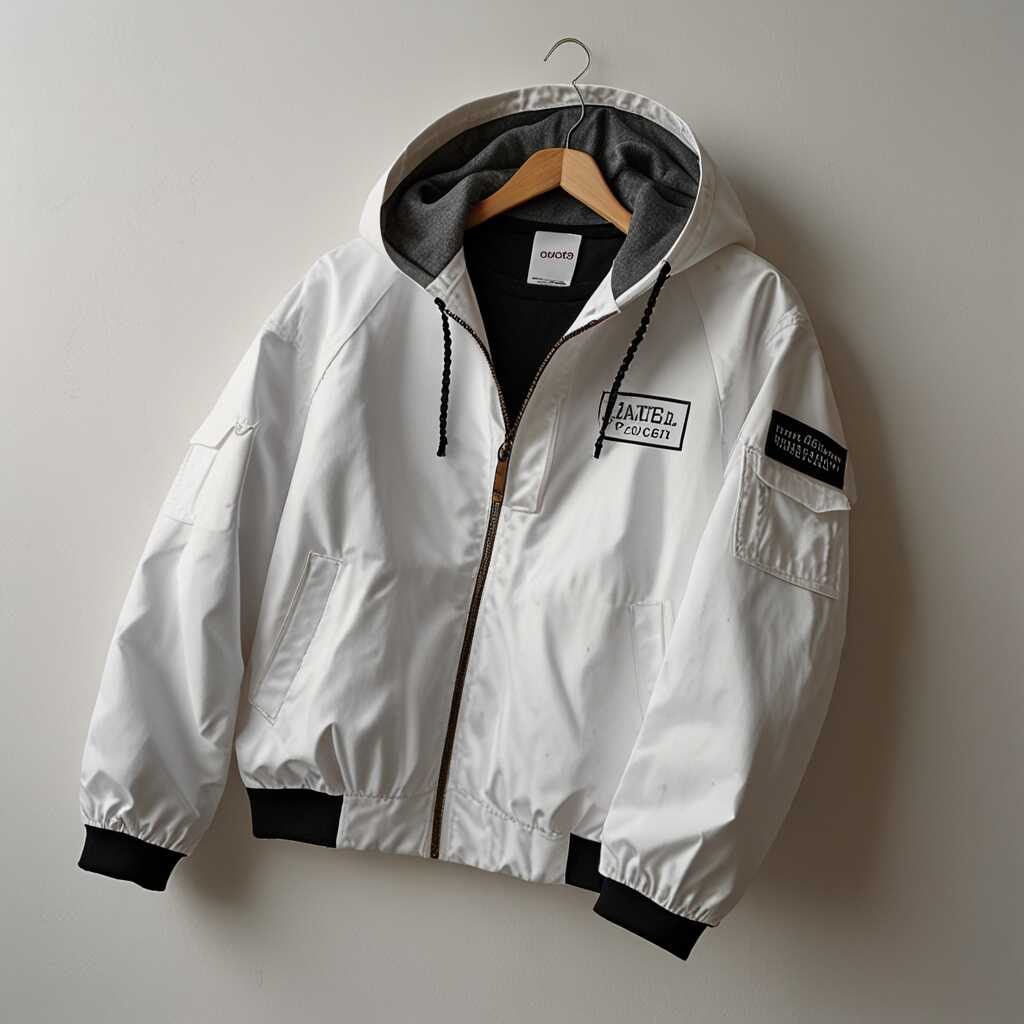
Movement greatly impacts clothing fit and comfort. During physical activities, garments must accommodate body shifts without constricting movement. Fit assessments should include testing how clothing behaves while walking, sitting, or stretching. Users should examine areas such as the shoulders, waist, and knees for any tightness or gaps. Functional fit is essential for ensuring that garments remain stylish while allowing full range of motion. When assessing fit, users should regularly review the performance of different materials. Certain fabrics with stretch technology can handle dynamic movements better than others. A well-executed testing routine helps identify the best options effectively.
Essential Techniques for Assessing Fit During Movement
To evaluate clothing fit effectively during movement, consider performing specific tests. Stand up, sit down, and bend to see how garments respond. Look for areas that may restrict movement or cause discomfort. Try on clothes while performing common activities, like reaching for items or walking briskly. Observe how the clothing behaves in different positions. For example, fabrics such as spandex blend provide elasticity for comfortable movement. Compare various styles to determine which offers the best functional fit. This hands-on approach not only enhances your wardrobe but also helps in selecting durable and reliable clothing for daily activities.
Fascinating Facts About Garment Assessment
- 95% of people wear clothing that doesn’t fit properly in movement.
- Over 60% of consumers prioritize comfort when choosing their wardrobe.
- 80% of clothing returns are due to poor fit.
- Proper fit evaluation methods can reduce the return rate by at least 30%.
- Only 25% of shoppers try on clothes before making a purchase.
- 70% of fashion professionals believe fit is key to customer satisfaction.
- Clothing that fits well can enhance confidence by up to 50%.
The Effect of Posture on Clothing Fitting
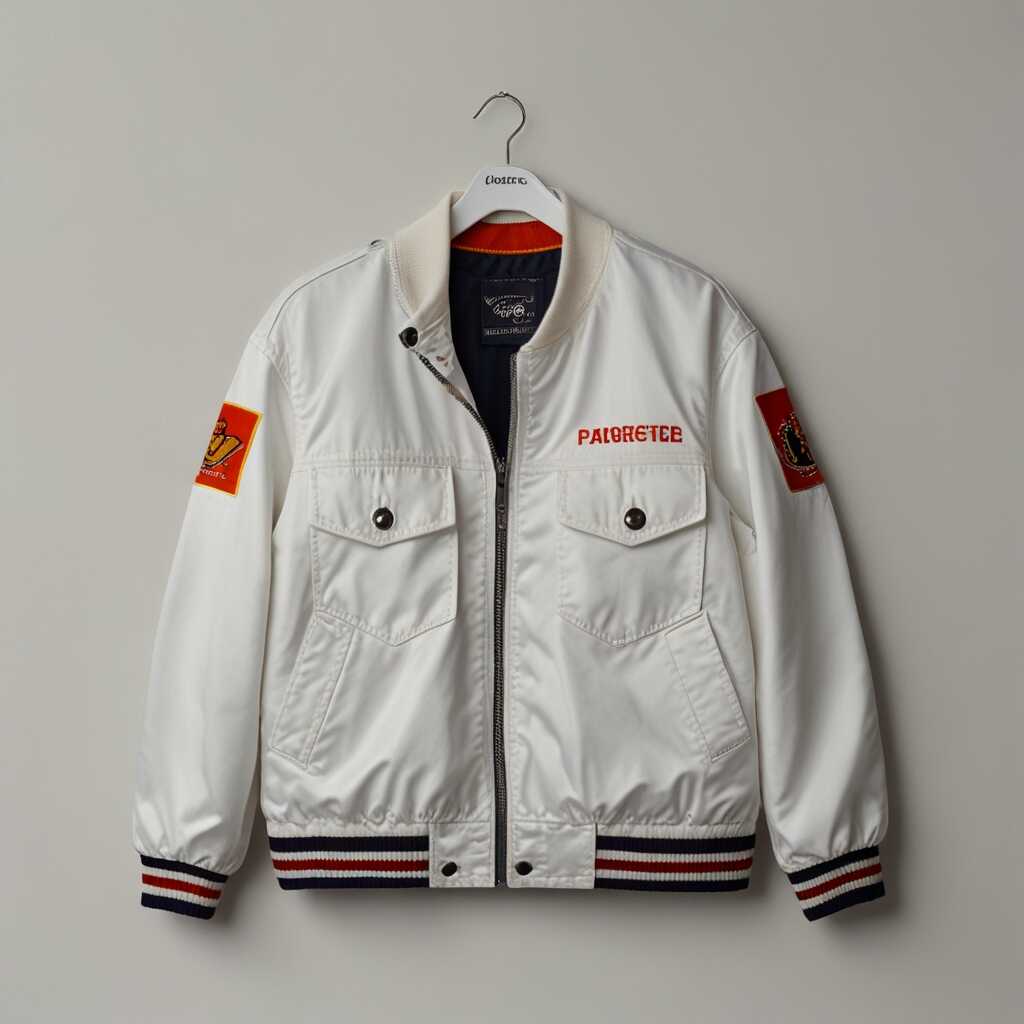
Understanding how standing, sitting, and moving affects clothing is essential. Standing posture usually emphasizes length in clothing, while sitting can cause fabric to stretch or bunch. Movement may lead to a change in fit due to fabric behavior; clothes shift and adjust differently. Evaluating clothing fit throughout different postures ensures a versatile fit. Activewear may require extra stretch and length, while business attire may prioritize form and structure. By examining how different postures affect clothing, consumers can choose items that provide comfort and a flattering look across various activities.
Evaluating Fit While in Motion
When assessing clothing fit during movement, focus on how items handle bending, stretching, and walking. Activewear needs to accommodate dynamic movements seamlessly, without restricting your range of motion. Fabrics such as spandex offer excellent stretch, enhancing comfort while active. Business attire should remain structured yet flexible, allowing for natural body movements. Casual wear often has a relaxed fit that permits easy transitions between sitting and standing. Overall, ensure that every piece provides reliability and comfort, helping you maintain style without compromising functionality.
Selecting Fabrics That Promote Superior Fit
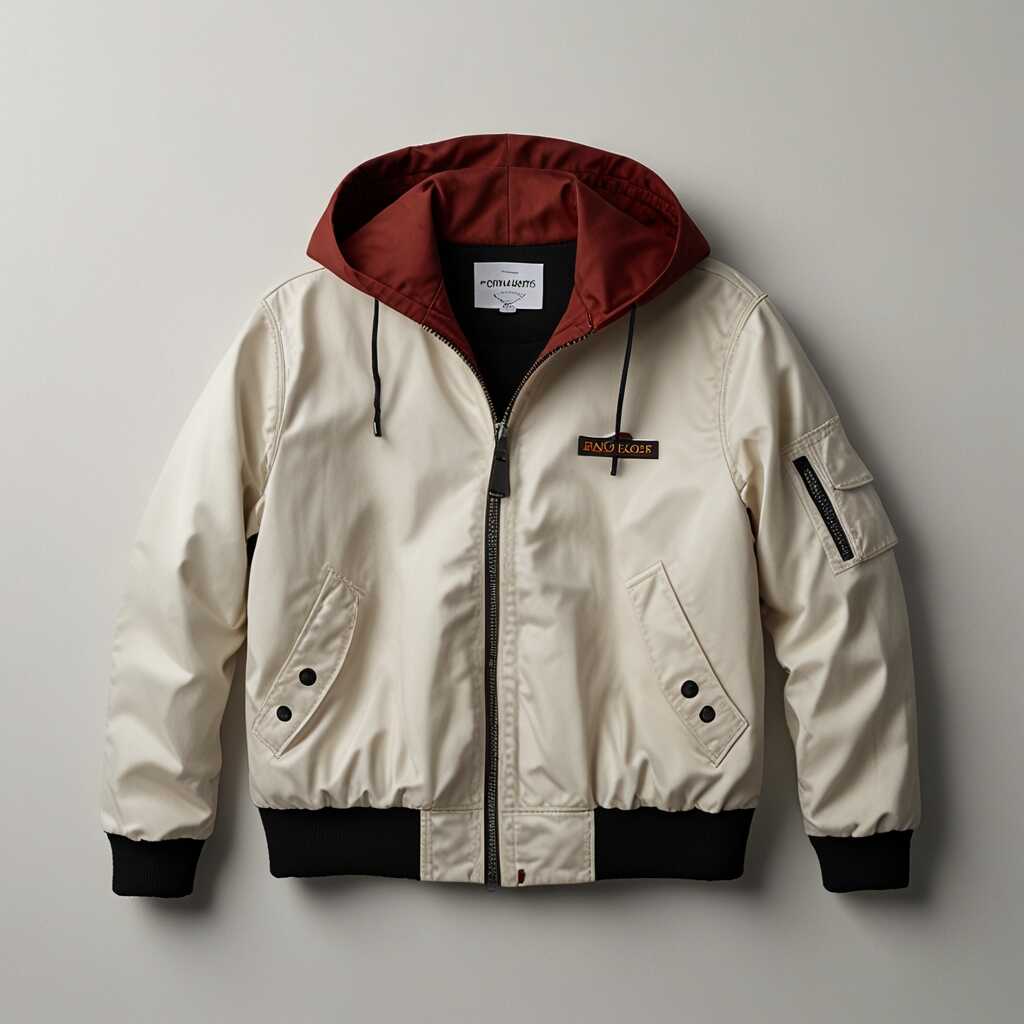
Choosing the right fabrics is essential for achieving superior fit and comfort in clothing. Stretchable materials like spandex and elastane offer reliable flexibility, allowing garments to adapt seamlessly to the body’s movements. Comfortable fabrics such as cotton blends provide breathability while maintaining structure. Fit-enhancing textiles include performance knits and jersey fabrics that help in achieving a smooth silhouette. Movement-friendly options like stretch denim enable a full range of motion, making them ideal for active lifestyles. Testing various fabric blends ensures you find the perfect combination for comfort and style.
Key Fabric Properties for Optimal Fit
Understanding key fabric properties is crucial for selecting the right materials. Stretchable materials should include elastic fibers that provide necessary support and recovery. Comfortable fabrics like bamboo and modal offer breathability and softness against the skin. Fit-enhancing textiles should feature moisture-wicking properties, especially in activewear, ensuring comfort during movement. Performance knits often incorporate mesh for airflow while maintaining elasticity. Research shows that specific blends, such as polyester and spandex, enable garments to retain their shape and enhance overall performance, delivering reliability and durability over time.
Advantages of Proper Garment Fit Assessment
- Enhances comfort, allowing for better mobility during activities.
- Improves overall appearance, boosting self-esteem and confidence.
- Reduces the likelihood of wardrobe malfunctions and discomfort.
- Promotes longevity of garments by encouraging wise purchasing choices.
- Facilitates the selection of versatile pieces for various occasions.
- Encourages sustainable fashion practices by minimizing waste from returns.
- Provides insight into the best styles for individual body types.
Strategies for Effective Garment Try-Ons
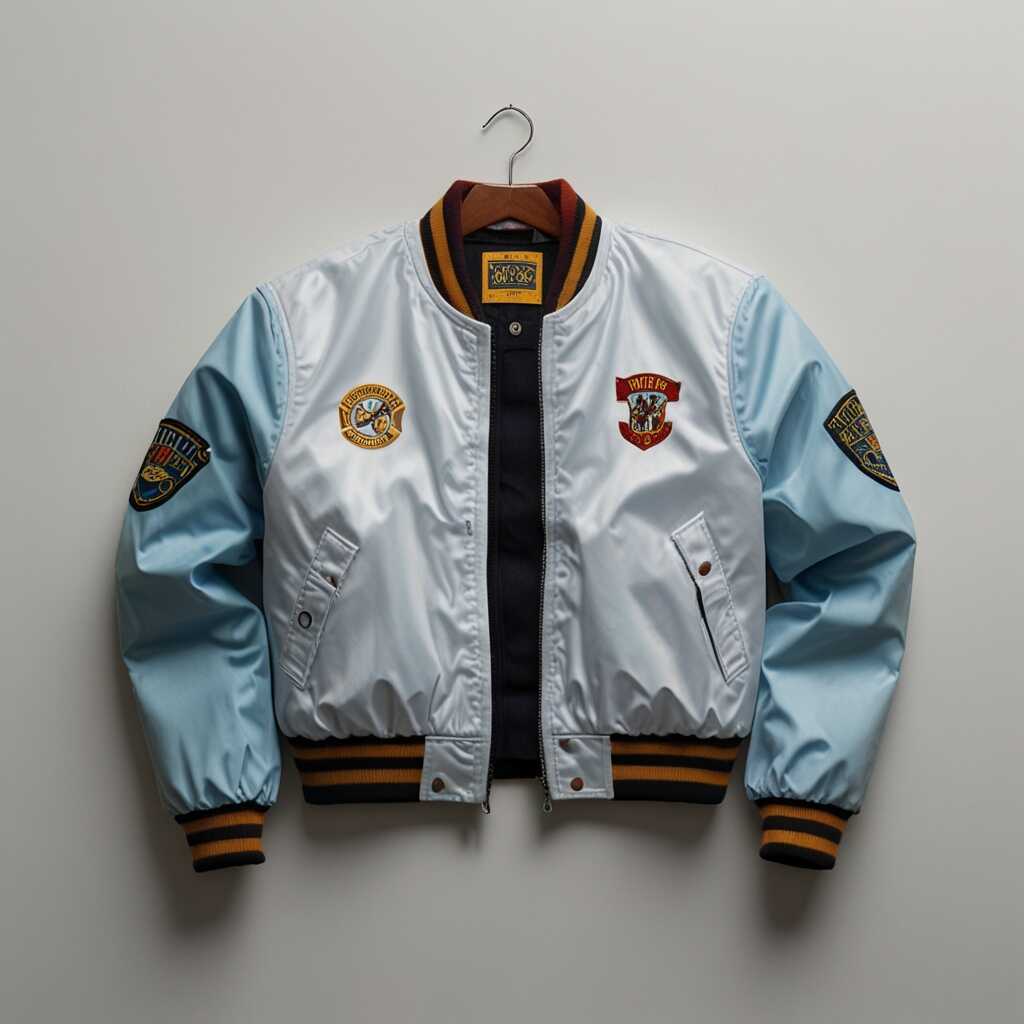
To evaluate clothing fit effectively, follow best practices for garment try-ons. First, wear appropriate undergarments as they influence fit. When trying on clothes, move as you would in daily life. Bend, reach, and walk to ensure comfort. Prioritize essential movement simulation to assess how the fabric handles motion. Test the fit in varied postures, like sitting and bending, to identify potential discomfort. Aim to try on at least five different clothing items to gather reliable data on overall fit and comfort.
Maximizing Movement during Fit Sessions
Maximizing movement during fit sessions enhances the reliability of your garment assessments. Focus on actions like sitting, squatting, and reaching overhead. These movements reveal how the clothing adapts to daily activities, highlighting any potential fit issues. Invest time to walk around in the fitting room. Pay attention to any tightness or looseness that may emerge in specific areas. This practice helps ensure you choose clothing that remains comfortable and functional throughout the day. It provides a comprehensive understanding of how the fabric performs in real-life scenarios.
Innovative Technology for Fit Assessment
Modern technologies like virtual fitting rooms, body scanning apps, and augmented reality tools are changing how users evaluate clothing fit. These technologies provide detailed measurements and simulate how clothes fit real bodies. Fit assessment apps offer various features including size recommendations, fabric analysis, and customer reviews, enabling users to compare options easily. Research shows that around 80% of users find these tools useful in enhancing their clothing choices, ensuring a better shopping experience.
Exploring Body Scanning Applications for Fit Accuracy
Body scanning applications provide precise measurements of users’ bodies, enhancing the fit of clothing. These apps often utilize 3D technology to create a detailed avatar that reflects true body shape. Users simply input basic information or take a photo. The app then generates accurate measurements. Some popular apps include MySize, Fit3D, and Nettelo. Each offers features tailored for comfort, style, and performance. Such innovations greatly improve the reliability of sizing, ensuring users make informed decisions while shopping.
Popular Brands and Their Target Demographics
- Athleta focuses on active women, offering breathable and flexible styles.
- Levi’s caters to those seeking durable and iconic denim options.
- Nike emphasizes sports enthusiasts, providing both style and function.
- Everlane appeals to consumers valuing transparency and sustainable materials.
- Gucci targets luxury buyers seeking unique, high-fashion items.
- Uniqlo attracts budget-conscious shoppers with minimalist designs.
- Patagonia engages the eco-friendly crowd by promoting sustainable practices.
Avoiding Common Pitfalls in Fit Evaluation
Many individuals make common mistakes when evaluating clothing fit. A frequent error is relying solely on size labels, which often vary between brands. Another mistake is not considering body movement. Clothing that feels good while standing may not perform well during activities like bending or sitting. Also, many overlook the importance of fabric type and stretch. These factors affect how clothing fits during movement. To sidestep these errors, try different styles and pay attention to how garments adjust to physical activities. This will help ensure that clothing is both stylish and functional.
Essential Tips for Effective Clothing Fit Evaluation
When assessing clothing fit effectively, prioritize trying on multiple garments. This allows for a side-by-side comparison of how items form to your body. Test the clothing with movement, like reaching or sitting, to capture its comfort level. Consider the fabric’s stretch and recovery because these qualities determine comfort during daily activities. Focus on seams and construction as well; quality garments will offer durability and withstand normal wear. Use fitting rooms to analyze fit under different lighting and angles, which ensures a complete evaluation. Incorporating these tips leads to a more reliable clothing fit assessment, ultimately enhancing your wardrobe experience.