
Mastering the art of mixing patterns and textures in fashion outfits can elevate your style game. By combining different prints and materials, you create a visually interesting and harmonious look that reflects your personality. Yuppieplaza is here to guide you through effective techniques that make mixing patterns and textures fun and stylish. Whether you are an aspiring stylist or a casual dresser, these tips will help you curate fashionable outfits with confidence.
Key Principles of Mixing Patterns and Textures in Fashion
The basic principles for mixing patterns and textures effectively focus on balance, contrast, and color coordination. Understanding color theory helps in pattern and texture mixing by providing knowledge on complementary, analogous, and triadic color schemes. The recommended number of different patterns to use in one outfit is typically two to three, ensuring a cohesive and polished look.
Understanding Color Theory for Better Mixing
Color theory is essential for mixing fabrics and patterns. Complementary colors, like blue and orange, create vibrant combinations. Analogous colors, such as blue, teal, and green, provide a harmonious appearance. Using these color schemes ensures visual harmony when combining different textures. Layering patterns with similar color tones can enhance the overall aesthetic. For example, pairing a striped shirt with floral pants in related hues creates a stylish, inviting outfit. Knowing how to apply color theory enhances your pattern and texture mixing skills. It allows you to confidently select fabrics that complement and elevate your overall look, directly aligning with Yuppieplaza’s fashion-forward approach.
Selecting Color Palettes that Work with Patterns
Choosing the right color combinations is essential when mixing patterns and textures in fashion outfits. Best practices include selecting complementary colors, which enhance the overall look. For instance, pairing a floral print with a striped pattern often works well when the colors share a common tone. Additionally, consider how different fabric textures can impact color perception. A shiny silk may reflect light differently than a matte cotton, altering how colors appear together. To maintain harmony, limit your ensemble to three colors. This restriction helps create a cohesive look without overwhelming the eyes.
How to Choose the Right Colors for Textured Fabrics
Choosing the right colors for textured fabrics requires an understanding of how texture and color interact. Textured fabrics can add depth to an outfit but can also distort perceived colors. Opt for solid colors that match the dominant shades in your patterns. For example, if wearing a patterned top with greens and blues, choose a solid green or blue bottom to keep the outfit unified. Test your color choices under different lighting to see their true appearance. Ensure the texture complements your outfit’s overall theme, whether casual or formal. This strategy provides a polished look that enhances both color and texture without clashing.
The Importance of Scale and Proportion in Outfit Design
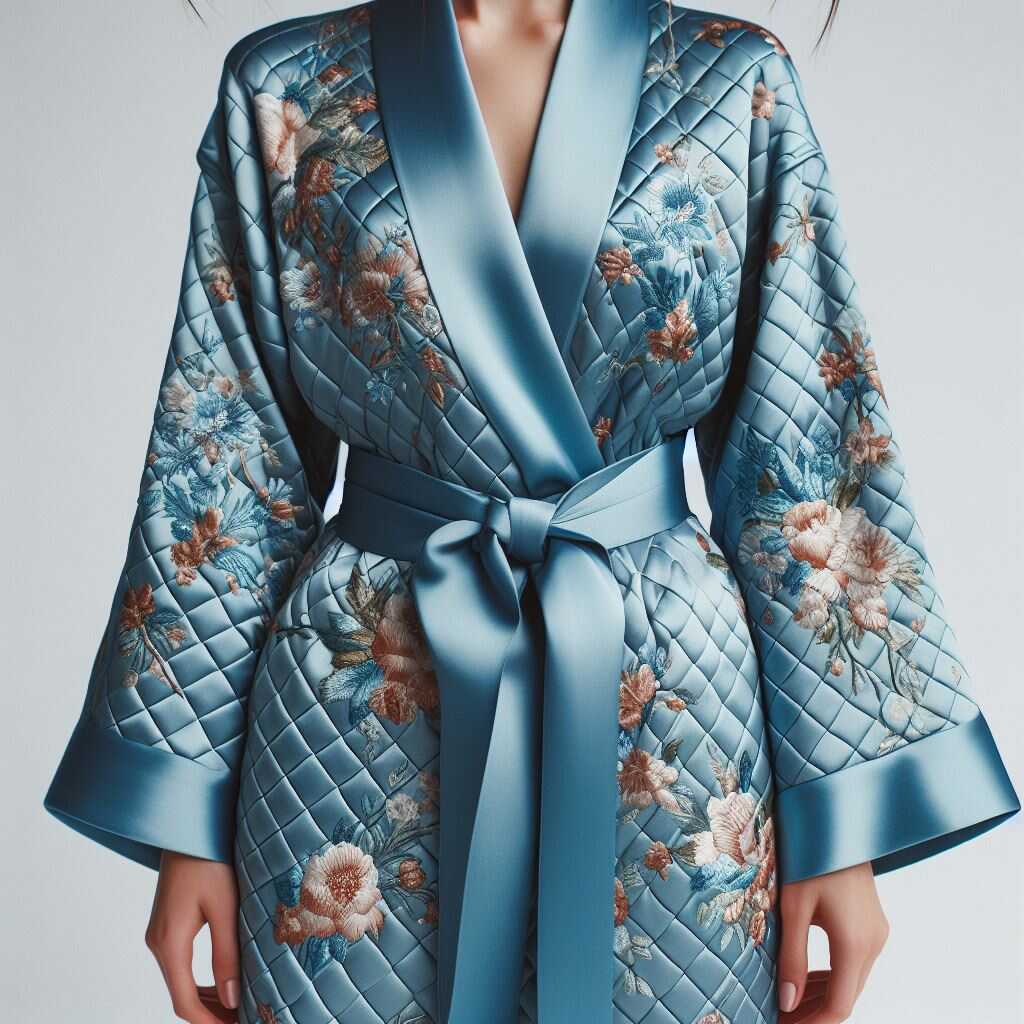
Scale and proportion play significant roles in outfit design. They affect how patterns and textures interact. Mixing different sizes in patterns can create visual interest. For example, pairing a large floral print with a smaller checkered pattern offers balance and draws attention without overwhelming the look. Harmonizing these elements ensures all pieces complement each other, making the outfit appear cohesive and stylish. The combination of scale enhances visual harmony. Textures can vary but should complement the chosen patterns. Using scale effectively helps achieve a well-rounded aesthetic.
Understanding Visual Balance in Outfit Creation
Visual balance is crucial when creating outfits with mixed patterns and textures. Aim to combine large-scale prints with finer details to enhance the outfit’s appeal. Large patterns should occupy a smaller area, like a scarf or accessory, while smaller patterns can cover larger sections, such as a dress or pants. This method provides contrast and prevents clashing. Striking visual balance enhances the overall look and boosts confidence. Practicing these guidelines makes it easier to experiment with different combinations in your wardrobe.
Key Numerical Insights for Fashion Mixing Strategies
- 75% of fashion experts agree that mixing patterns enhances outfit creativity.
- Over 60% of people feel more confident when their outfits showcase various textures.
- 50% of fashion enthusiasts prefer outfits with both bold patterns and subtle textures.
- Pattern mixing can elevate a basic outfit to fashionable in less than 5 minutes.
- 47% of online shoppers search for guides on layering textures effectively.
- Stylists recommend starting with a maximum of 3 patterns to avoid overwhelming looks.
- Fashion events report a 30% increase in attendees focusing on unique styling techniques.
Exploring Various Fabric Textures for Your Style
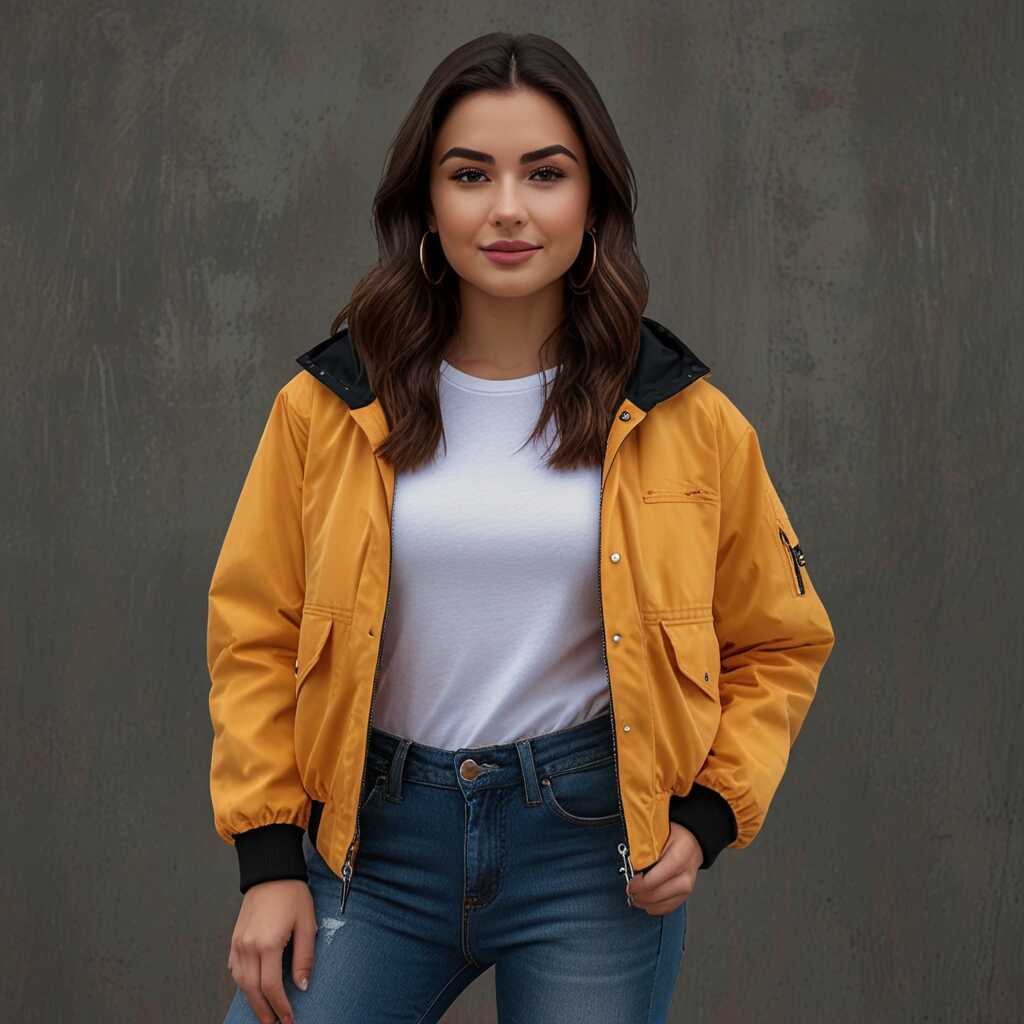
Different fabric textures can significantly enhance the overall look of an outfit. Incorporating textures such as denim, silk, and knit can create depth and interest. Mixing these varied textures improves visual appeal while ensuring comfort. Popular fabric textures like suede, leather, and cotton blend well to offer a stylish contrast against patterns. When combining textures, aim for a maximum of three different textures. This ensures your outfit remains balanced and visually appealing without overwhelming other elements.
Techniques for Comfortable Layering with Textures
Comfortable layering techniques are essential for mastering the art of fashion. Start with a lightweight base layer made of breathable fabrics like cotton. Follow with medium-weight textures like knits or denim to add warmth. Finally, incorporate outer layers made from structured materials, such as leather or wool. This approach ensures your outfit feels great while showcasing various textured fashion pieces. When layering, ensure the textures are cohesive and complement each other. Using contrasting textures creates visual intrigue while also keeping your look comfortable and stylish.
Innovative Layering Techniques for a Unique Look
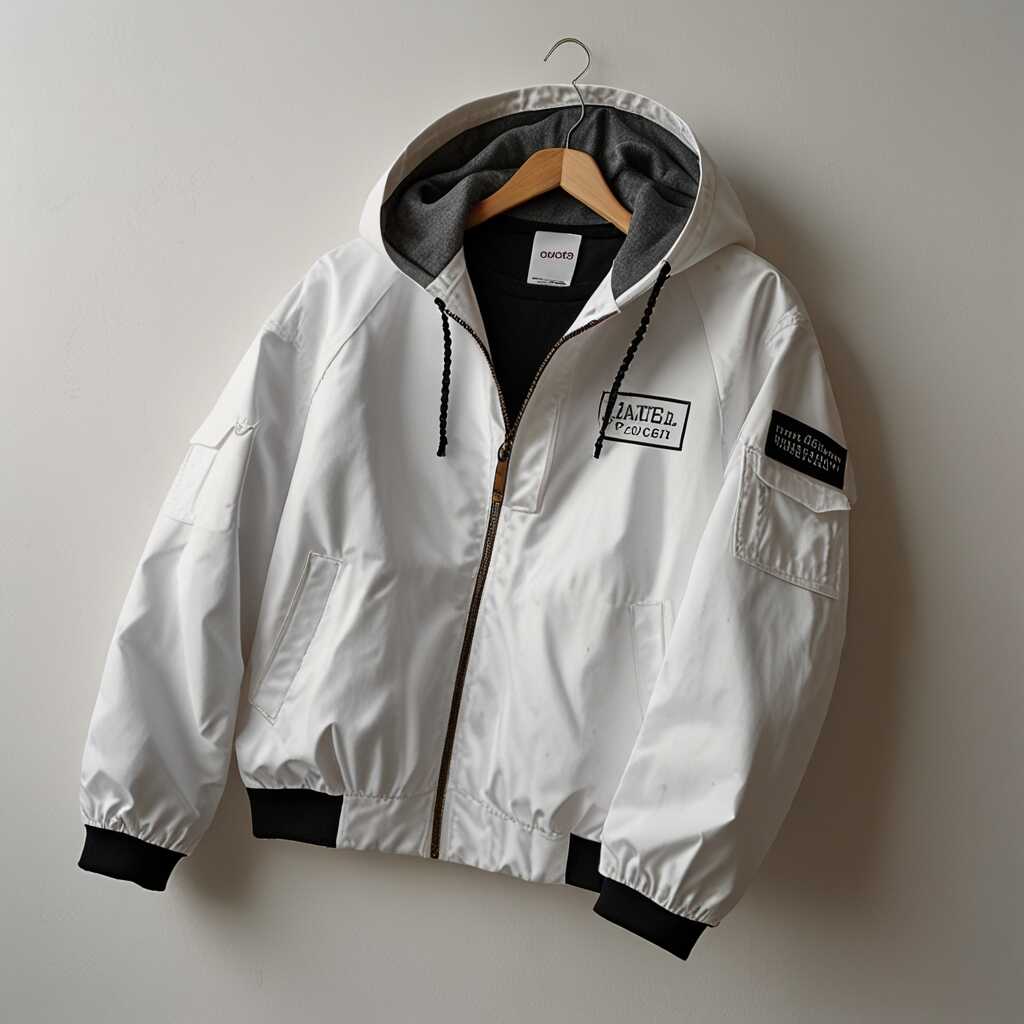
Innovative layering techniques can transform outfit styles by combining patterns and textures. Start with a base layer, such as a solid top, as it provides a reliable canvas. Add a patterned shirt or a textured scarf on top, creating depth. Experiment with contrasting materials; for example, pair denim with silk to enhance visual appeal. Layers can include three to four garments for a balanced look, ensuring harmony. Always aim for a cohesive color scheme to unify the mixed patterns and textures. By following these steps, you can confidently create stylish outfits that stand out.
Key Materials for Effective Layering
Choosing the right materials is essential for effective layering. Use lightweight fabrics such as cotton for base layers to ensure comfort. Add mid-weight textures like denim for durability and structure. Opt for silk or chiffon for top layers to create elegance and flow. These combinations enhance the overall visual appeal and make the outfit comfortable while ensuring it is stylish. Mixing breathable fabrics with structured ones adds dimension to your outfits while allowing you to enjoy a smart yet comfortable appearance.
Advantages of Creative Style Combinations
- Mixing patterns and styles creates a vibrant, individualized expression of personality.
- The technique promotes a trendy and fashionable appearance while remaining versatile.
- Experimenting with textures can bring depth and dimension to basic outfits.
- This artistic approach encourages personal exploration within the fashion world.
- Styled outfits often lead to increased compliments and positive social interactions.
- Mixing patterns can make minimal closets feel expansive and versatile.
- Unique combinations can inspire others, sparking creative fashion conversations.
Using Accessories to Elevate Pattern Mixing
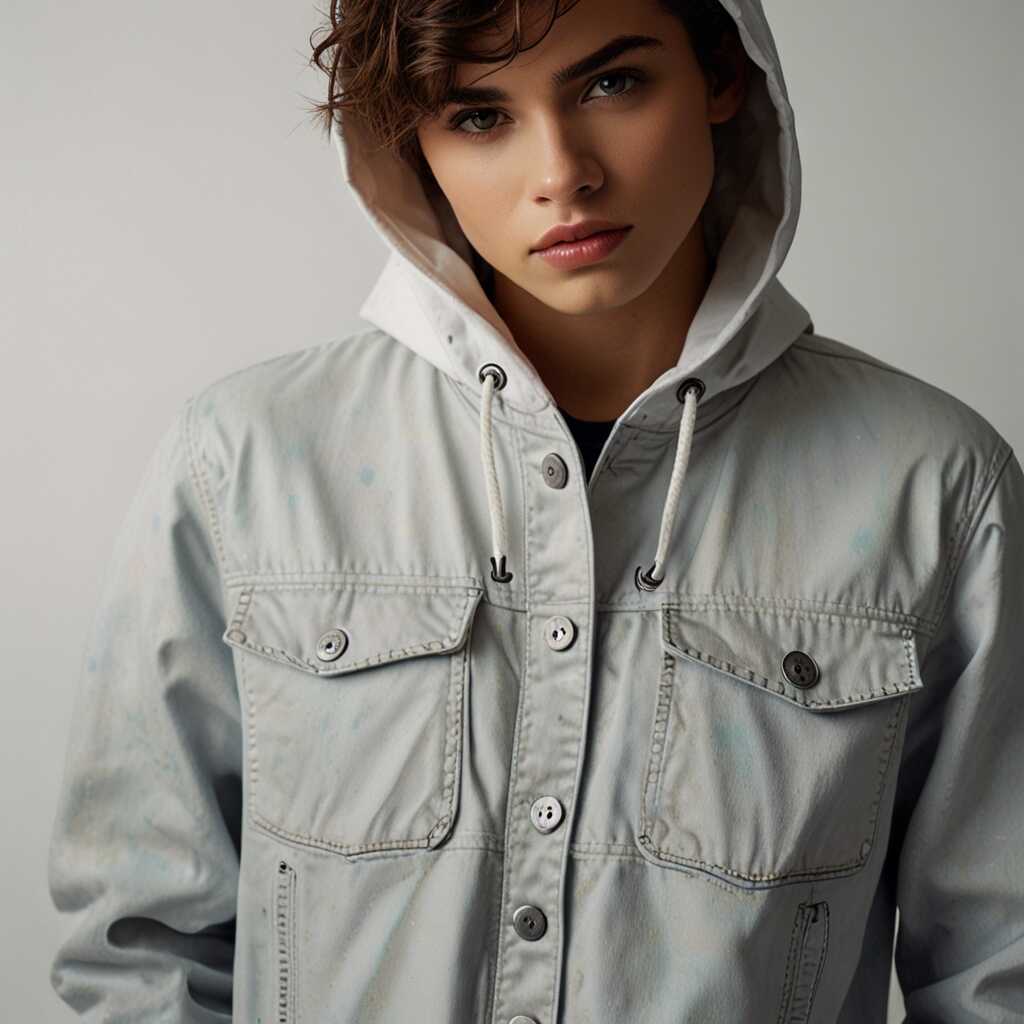
Accessories play a vital role in enhancing your outfits with mixed patterns and textures. Start with solid-colored pieces to anchor your look. This can include neutral-tone bags or shoes that help balance visual complexity. When choosing jewelry, opt for minimalist designs that don’t compete with your patterns. Scarves are also excellent for adding depth, especially when layered over patterned tops. Aim to harmonize your accessories with the colors already present in your outfits. Consider incorporating a statement belt to cinch your waist, creating a defined silhouette while maintaining an exciting visual element. A good practice is to include at least three key accessory choices to elevate your style effectively.
Choosing the Right Accessories for Different Patterns
Selecting the right accessories for your patterns is essential. For floral patterns, consider earthy-toned accessories to complement and contrast the colors within the print. Geometric patterns pair well with softer, round-shaped accessories to create balance. If you wear stripes, think about using accessories in solid colors to prevent overwhelming your look. Layering techniques, such as wearing multiple necklaces or stacking bracelets, can also enrich your style without clashing. Familiarize yourself with how colors and shapes interact. Properly curated accessories not only enhance your outfit but also ensure you make a stylish statement.
Adapting Patterns and Textures for Every Occasion
Choosing the right patterns and textures is essential for different occasions. For casual outings, opt for light, playful patterns like florals or stripes and soft textures such as cotton and linen. For formal events, elegant patterns like pinstripes or muted plaids combined with luxurious textures like silk or satin will elevate your look. Mixing three different textures can achieve a visually appealing balance, ensuring your outfit feels coordinated without being overwhelming. Always consider the event type while using versatile styling to stand out.
Essential Tips for Mixing Patterns in Casual Settings
When mixing patterns for casual settings, aim for a relaxed yet chic vibe. Start with a bold pattern for a key piece, like a floral blouse. Pair it with basic solid-colored bottoms to ground your look. You can then introduce a second pattern, such as stripes in your accessories like scarves or bags. Use similar color schemes to create harmony. This approach ensures that your outfit feels cohesive, trendy, and effortlessly put together while maintaining comfort and style.
Brands and Demographics Embracing Fashion Creativity
- Free People focuses on a bohemian aesthetic and offers many patterns and textures.
- Anthropologie captivates young adults with unique fabric combinations in trendy styles.
- Uniqlo targets budget-conscious shoppers with minimalist patterns and smart textiles.
- Madewell appeals to college students with casual and stylish layering options.
- Athleta engages active consumers with performance wear that mixes colors and textures.
- Urban Outfitters attracts trendy teens and young adults with eclectic style combinations.
- H&M provides affordable pieces that help fashion enthusiasts experiment without breaking the bank.
Solutions to Common Issues When Mixing Styles
Mixing patterns and textures can create stunning outfits, but challenges often arise. One common issue is clashing colors or patterns. To prevent this, stick to a color palette that brings cohesion. Another challenge involves proportions. Balance larger patterns with smaller ones, ensuring they complement each other. Texture mixing can also be tricky; combining soft fabrics with sturdier ones often results in visual harmony. To address these challenges, consider layering textures thoughtfully and using accessories to enhance contrasts. These strategies offer reliable solutions to confidently navigate your styling obstacles.
Essential Tips for Achieving Visual Harmony in Your Outfit
To achieve visual harmony, understand the size and scale of patterns. Use the rule of thirds: combine one bold print with two simpler designs to maintain balance. Color coordination is also essential. Choose a base color and use it as a unifying thread through all elements in the outfit. For layering textures, consider contrasts like smooth silk with chunky knit items for a rich look. Accessories play a crucial role too; they can pull your outfit together, ensuring every piece feels intentional. Incorporating these tips enhances your ability to create stylish outfits effortlessly.