
Techniques for Coordinating Outfit Elements with Visual Cohesion can elevate your style game. Finding the perfect balance between different clothing pieces is crucial for a fresh look. At Yuppieplaza, we provide simple strategies to help you create outfits that feel stylish yet effortlessly put together. Our approach focuses on blending colors, textures, and patterns while promoting sustainable fashion choices.
Key Principles for Creating Cohesive Yet Unique Outfits
To achieve visual cohesion in your outfits, focus on essential elements like color, pattern, and texture. Balancing these aspects helps create a unique look. When choosing colors, consider a palette of up to three complementary shades. This provides harmony while allowing for individuality. Incorporating patterns can also elevate your outfit. Mix stripes with florals, ensuring one pattern is more dominant for better coordination. Texture plays a crucial role as well. Combining matte and shiny fabrics enhances the visual interest of your outfit while ensuring a cohesive style.
Maximizing Color Balance for Unique Styles
Maximizing color balance involves selecting shades that complement each other and align with your personal style. Start with a neutral base color to ground your outfit. Add one or two accent colors to enhance visual appeal. For example, if you wear a white top, consider navy trousers and a mustard-colored blazer. This combination maintains elegance while still allowing for personal flair. Consider using accessories, like a scarf or bag, to introduce an additional color. Doing this keeps your overall look cohesive and stylish without overwhelming the ensemble.
Utilizing Color Theory to Enhance Your Fashion Choices
Understanding the basics of color theory helps you make informed fashion decisions. The foundation of color theory includes the color wheel, which shows primary, secondary, and tertiary colors. Outfits can achieve visual harmony when colors are chosen deliberately. Complementary colors, which are opposite each other on the wheel, create a vibrant look. Analogous colors, located next to each other, offer a more subtle combination. Personal expression is key. Experiment with shades and tones, ensuring that the selected colors reflect your style without becoming monotonous. The top three combinations for a cohesive outfit include navy and coral, olive and mustard, and gray and blush.
Combining Colors for Unique Style Statements
Combining colors allows for individuality in fashion choices while maintaining visual appeal. To create unique style statements, consider the 60-30-10 rule: use 60% of a dominant color, 30% of a secondary color, and 10% as an accent. For example, a dominant navy dress can be paired with mustard shoes and a blush handbag. This approach not only balances the outfit but also enhances the overall look. Don’t shy away from experimenting with textures. Mixing different fabrics in your chosen colors can elevate your ensemble, adding dimensions that tie your outfit together while ensuring each piece stands out.

Techniques for Mixing Patterns Without Clashing
Mixing patterns can create a dynamic outfit that showcases your personal style. First, consider the size of the patterns. Pair larger prints with smaller ones for balance. Stripes and florals can work well together if one is subtle. Another technique is to stick to a color palette to enhance visual cohesion. Restrict your colors to two or three that complement each other. You can effectively combine prints like stripes, florals, and polka dots by ensuring one pattern dominates the outfit. This keeps your look cohesive and avoids confusion. Aim for a ratio of about two-thirds solid colors to one-third patterns. This helps ground your outfit without overwhelming it.
How to Balance Prints and Solids for a Cohesive Look
Balancing prints and solids is crucial for achieving a stylish outfit that feels intentional. Start by selecting your main print to anchor the outfit. Use solids in the same colors to create harmony. For example, if your main piece is a floral top with a vivid background, choose solid bottoms in one of the print colors. This anchors the look and prevents visual chaos. You can also incorporate accessories, like a patterned scarf with solid clothing, to enhance your style without adding clutter. Consider the type of fabrics too; mixing textures adds depth and enhances the overall appeal of your outfit.
Factual Insights Into Outfit Coordination
- Approximately 60% of people feel more confident in well-coordinated outfits.
- Color theory suggests using complementary tones improves visual appeal.
- Matching accessories can enhance the cohesiveness of your look.
- Experts recommend mixing patterns for dynamic yet balanced outfits.
- Studies show that 70% of shoppers prioritize style over practicality.
- Incorporating texture contrasts creates visual interest and depth.
- Research indicates that 80% of fashion influencers coordinate outfits with cohesive elements.
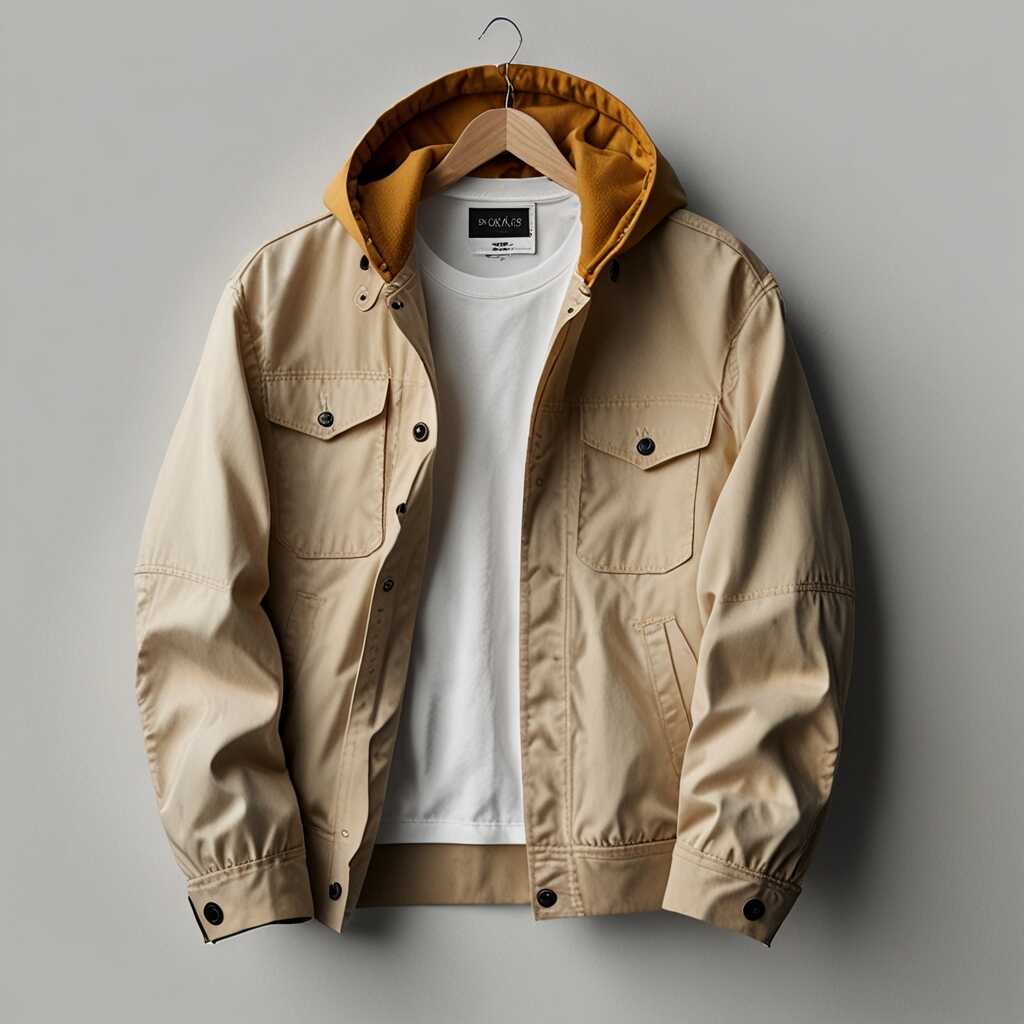
Exploring the Impact of Texture on Fashion Coordination
Incorporating different textures adds visual interest to an outfit. Use materials like cotton, leather, or silk to create texture contrast. For instance, pairing a leather jacket with a soft cashmere sweater enhances depth. Layered textures can bring dynamism to your look. The right mix of texture can transform an ordinary outfit into a striking ensemble, significantly boosting its visual appeal.
Understanding Textural Contrast for Enhanced Style
Textural contrast is essential for creating an eye-catching outfit. Start by combining materials that differ in feel and appearance. For example, pair a chunky knit sweater with sleek leather pants to achieve a balanced look. Explore denim with soft fabric blouses for a relaxed vibe. Choosing two or three contrasting textures in one outfit can enhance its overall style. This approach ensures the outfit remains coordinated while avoiding a monotonous appearance.

Accessorizing Smartly to Elevate Any Outfit
Accessories play a crucial role in creating visual cohesion in outfits. They can enhance your overall look without making you appear overly uniform. The right accessories can include statement jewelry, stylish bags, or fashionable hats. Popular accessories like scarves, belts, and footwear can elevate your ensemble and showcase your personal expression. To maintain balance, aim for three to four accessories that complement your outfit while allowing you to express your individuality.
Choosing the Right Accessories for Your Outfit
To choose the right accessories, consider the colors and textures of your outfit. For a classic look, select accessories in similar hues that match your clothing palette. If you wear a monochrome outfit, use bold accessories to add interest. A carefully chosen statement piece, like an oversized necklace or a unique bag, can define your look. Experiment with layering delicate bracelets or stacking rings for a chic touch. Ensure your accessories fit comfortably and suit the occasion, making your outfit both stylish and practical.
Positive Effects of Stylish Coordination
- Visual coherence can elevate your overall appearance significantly.
- Coordinated outfits boost self-esteem and provide a polished look.
- A well-integrated wardrobe allows for effortless mixing and matching.
- Creating visual harmony enhances personal style and sets trends.
- Aligned clothing choices can save time during outfit selection.
- Those with strong outfits often experience positive social interactions.
- A cohesive outfit reflects thoughtful fashion decisions and individuality.
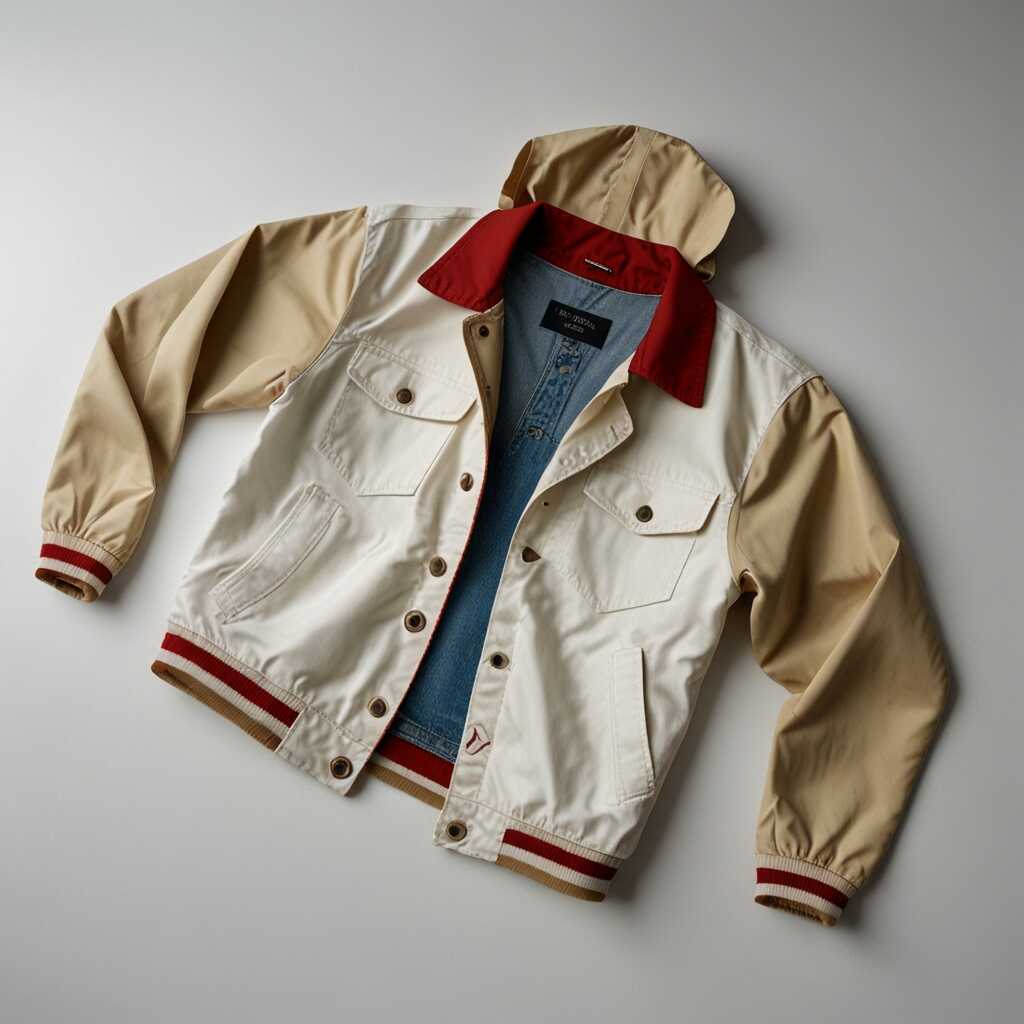
Finding the Right Silhouettes for Balanced Outfit Coordination
Silhouettes play a crucial role in achieving balanced outfit coordination. To create flattering looks, consider wide-leg trousers paired with fitted tops. Alternatively, A-line skirts combined with tailored blazers can enhance your shape. Understanding proportions enables you to avoid an overly matched appearance while still looking polished. For example, an oversized sweater with skinny jeans provides a stylish balance. Other successful pairings include flowy maxi dresses styled with structured jackets. Using contrasting shapes adds visual interest and keeps your outfit dynamic.
Understanding Silhouette Types for Outfit Coordination
Different silhouette types serve specific purposes in outfit coordination. A tailored fit remains reliable as it helps define your body shape. Flowing silhouettes like peplum tops create movement, which can enhance comfort. Look for structured pieces such as a structured coat paired with draped fabrics to maintain a polished appearance. When combining two different silhouettes, maintain harmony by choosing one fitted and one loose. For example, a cropped top with wide-leg pants offers a balanced look. Yuppieplaza encourages exploring these combinations to create stylish outfits that feel good and elevate your personal style.
Adapting Outfits for Various Occasions with Individual Style
To adjust outfit coordination strategies for formal events versus casual gatherings, consider the dress code. For formal occasions, choose tailored pieces with classic colors and elegant fabrics. Incorporate unique accessories to reflect your style. For casual gatherings, opt for comfortable, relaxed outfits. Use vibrant colors and playful elements to maintain an engaging look. The key elements to consider include the type of event, location, and expected behavior of participants. Ensure your style remains intact by mixing textures and materials that resonate with your personality. This keeps your outfit fresh and unique.
Strategies for Tailoring Outfits Across Different Settings
When tailoring outfits for work, parties, or outdoor events, aim for a balance between style and appropriateness. For work, select outfits that are professional yet personal. Incorporate subtle patterns or a statement piece to stand out without overshining professionalism. At parties, don’t hesitate to express your personality through bold colors or trendy styles. Outdoor events require practical pieces that still represent your style, such as breathable fabrics, layered outfits, and weather-appropriate accessories. This strategic adaptation addresses the necessity of looking great while being comfortable. Understanding how to balance individuality with event requirements enhances your overall outfit choices.
Demographics at the Heart of Outfit Styling
- Style-conscious teens often explore fashion aesthetics to express themselves.
- Millennials prioritize sustainable fashion brands that promote visual cohesion.
- Career-focused women appreciate how structured outfits enhance professionalism.
- Appropriate outfit coordination can cater to diverse fashion styles.
- Fashion students learn essential techniques for building cohesive looks.
- Sustainable fashion advocates demand products that balance style and ethics.
- Individuals seeking casual wear benefit from elevated yet versatile pieces.
Drawing Inspiration from Fashion Trends and Influencers
Gathering style inspiration starts with exploring fashion influencers across social media platforms. Follow those who resonate with your style. Look for current trends impacting outfit choices, such as layering, monochrome looks, or vintage aesthetics. Aiming for three to five main elements helps in achieving visual cohesion while avoiding uniformity. Use statement pieces to express your unique style identity while grounding your outfit in current trends.
Combining Influencer Styles with Personal Touches
To enhance your outfit choices, mix influences from fashion leaders with your personal touch. Start by studying how influencers style their outfits. Note the colors, patterns, and textures they use. Incorporate these elements into your wardrobe but make sure to add your unique flair. Choose accessories that reflect your personality or combine different fabrics for depth. This reliable approach can elevate your style, enabling you to stand out while remaining visually cohesive.