
The “Ultimate Guide to Comfortable Summer Layering for Temperature Variations” offers valuable tips to help you dress smartly for the unpredictable summer weather. Layering your summer clothing effectively keeps you comfortable while still looking stylish, no matter the temperature changes. At Yuppieplaza, we focus on providing practical fashion advice that combines sustainability and trends, ensuring you make informed choices. Discover how to create versatile outfits with the right pieces, so you can enjoy summer activities without worries about sudden weather shifts.
The Importance of Layering for Summer Comfort
Layering is vital for summer comfort because it balances protection against sudden temperature changes and breathability. Effective layering helps you adapt to morning chill, noon heat, and evening coolness. Using varied fabric types enhances the capability of your attire. Lightweight fabrics like cotton or linen wick away sweat, while an additional layer in the form of a lightweight jacket provides warmth for cooler instances. By introducing smart layering techniques, such as combining breathable and moisture-wicking materials, summer clothing becomes more adaptable, ensuring your comfort throughout the day.
Choosing the Right Fabrics for Effective Layering
Choosing the right fabrics is crucial for effective summer layering. Fabrics like cotton and linen allow airflow and absorb moisture. Synthetics like polyester can wick moisture away, making them a great top layer. A lightweight cardigan in a breathable cotton blend can enhance your comfort, helping to manage unpredictable temperatures. For outdoor activities, look for fabrics that provide UV protection and are quick-drying. When combined, these layers ensure your summer look remains stylish and functional, adapting to every situation with ease.
Choosing Lightweight Fabrics for Breathable Summer Layering
When selecting breathable summer layering options, focus on fabrics like cotton, linen, and moisture-wicking materials. Cotton is known for its softness and breathability, ensuring comfort in high temperatures. Linen has excellent airflow properties, and it dries quickly, making it ideal for sudden temperature shifts. Moisture-wicking materials pull sweat away from the body, keeping you dry and comfortable. Explore options like bamboo and rayon as well; they feel great against the skin and enhance wearability during the heat. Combining these lightweight fabrics provides versatility in layering while maintaining breathability, ensuring comfort throughout your day.
Benefits of Each Lightweight Fabric for Summer
Cotton is an essential fabric for summer due to its quality and comfort. It feels soft against the skin and allows air to flow freely. Linen has natural moisture-wicking properties, keeping you cool and dry even on the hottest days. Moisture-wicking materials have a unique design that enhances evaporation, allowing sweat to escape easily. Bamboo fabric offers a silky texture and provides excellent temperature regulation. Rayon also delivers breathability and a stylish look, making it an excellent choice for summer layering. Together, these fabrics create a reliable combination that helps you adapt to changing temperatures while looking great.
Key Summer Pieces for Successful Layering
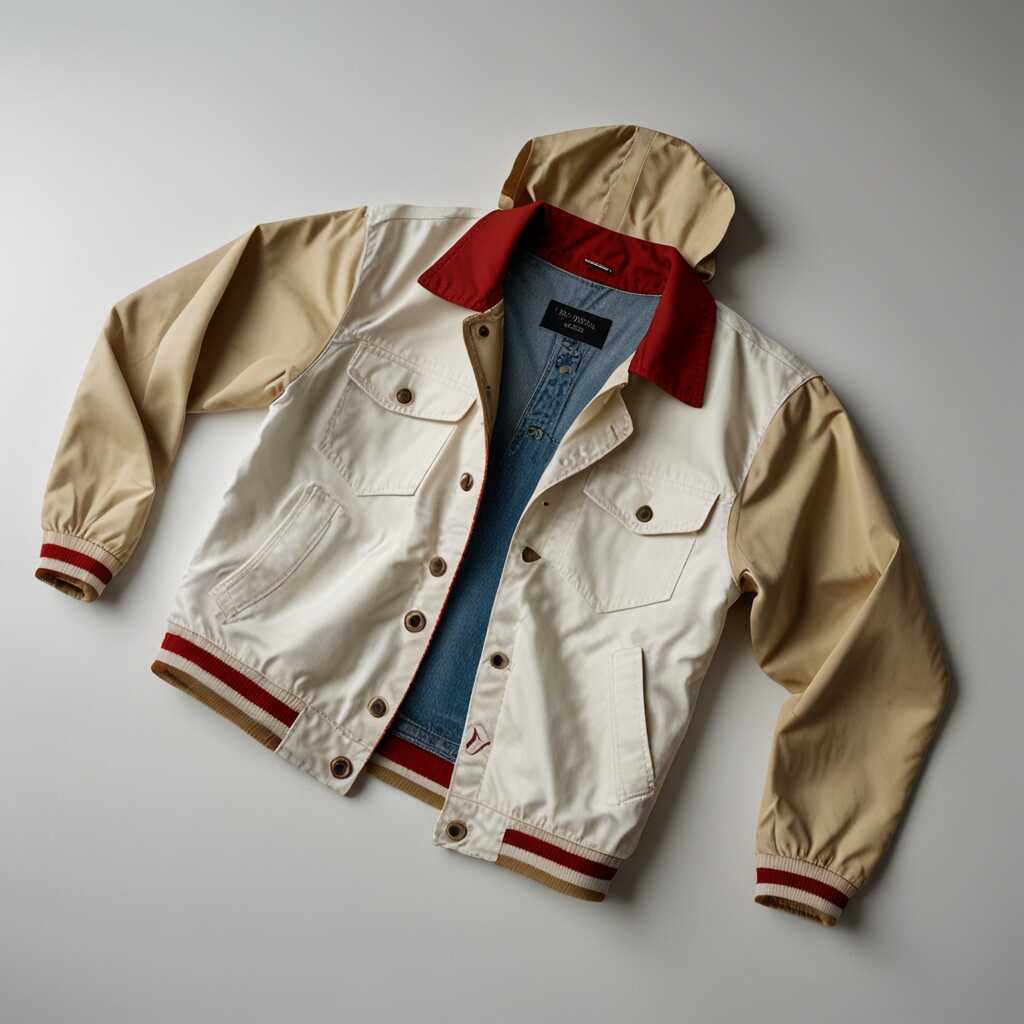
Essential clothing items for layered summer wardrobes include lightweight cardigans, breathable tank tops, and versatile midi dresses. Cotton and linen are popular fabrics because they provide breathability and comfort. Blending materials enhances durability and allows for quick drying. For a versatile wardrobe, individuals should consider at least five key pieces to mix and match. These clothing items help you adapt to sudden temperature changes while remaining stylish. Layering techniques such as combining light layers with warmer options will keep you comfortable throughout the day.
Choosing the Right Fabrics for Summer Layering
When selecting fabrics for summer layering, prioritize lightweight and breathable options. Cotton is soft and very good at wicking moisture. Linen has natural cooling properties, making it ideal for warm weather. Blends of cotton and polyester offer durability while maintaining comfort. These fabric choices enhance the efficiency of your wardrobe by allowing for easy layering. A layered look can include lightweight cardigans or denim jackets over airy tank tops, ensuring comfort without sacrificing style. Examining reviews on specific fabric blends can also help in finding the best options for layered outfits.
Key Numeric Insights on Summer Clothing Layering
- Summer temperatures can fluctuate by up to 20 degrees in a single day.
- Wearing three layers can help adjust to varying temperatures effectively.
- Approximately 70% of outdoor workers face temperature changes during summer months.
- Fabrics like cotton and linen are breathable and ideal for layering.
- Many travelers report 40% discomfort due to inconsistent weather.
- Experts recommend changing at least once every four hours for comfort.
- Investing in versatile pieces can save you 30% on your summer wardrobe budget.
Innovative Layering Techniques for Variable Weather Conditions
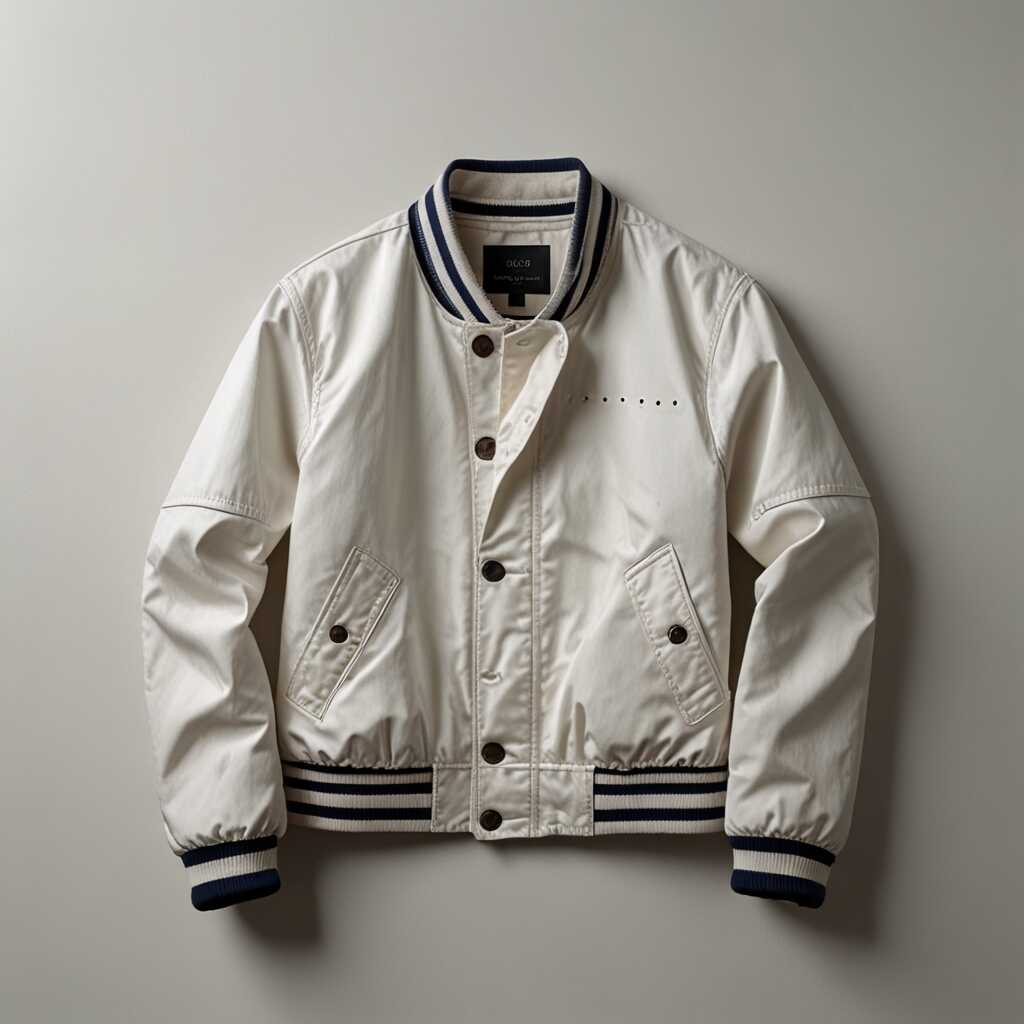
Essential layering materials for summer include breathable fabrics like cotton, linen, and moisture-wicking blends. Stylish combinations that help manage temperature fluctuations effectively involve mixing lightweight summer dresses with light cardigans or denim jackets. For optimal comfort, three layers are recommended: a base layer for moisture control, a mid-layer for warmth, and an outer layer for protection against wind and chill, ensuring versatility throughout the day.
Best Fabrics for Summer Layering
Choose breathable fabrics for summer layering, such as cotton and linen. These materials allow airflow and wick moisture from the body, enhancing comfort. Consider lightweight knits for base layers and denim for mid-layers, as they provide structure without weighing down the outfit. Additionally, explore smart fabrics that are designed to regulate temperature. These options improve comfort and performance during hot and chilly conditions, helping you stay stylish no matter the weather.
Effective Color Pairing Strategies for Layered Outfits
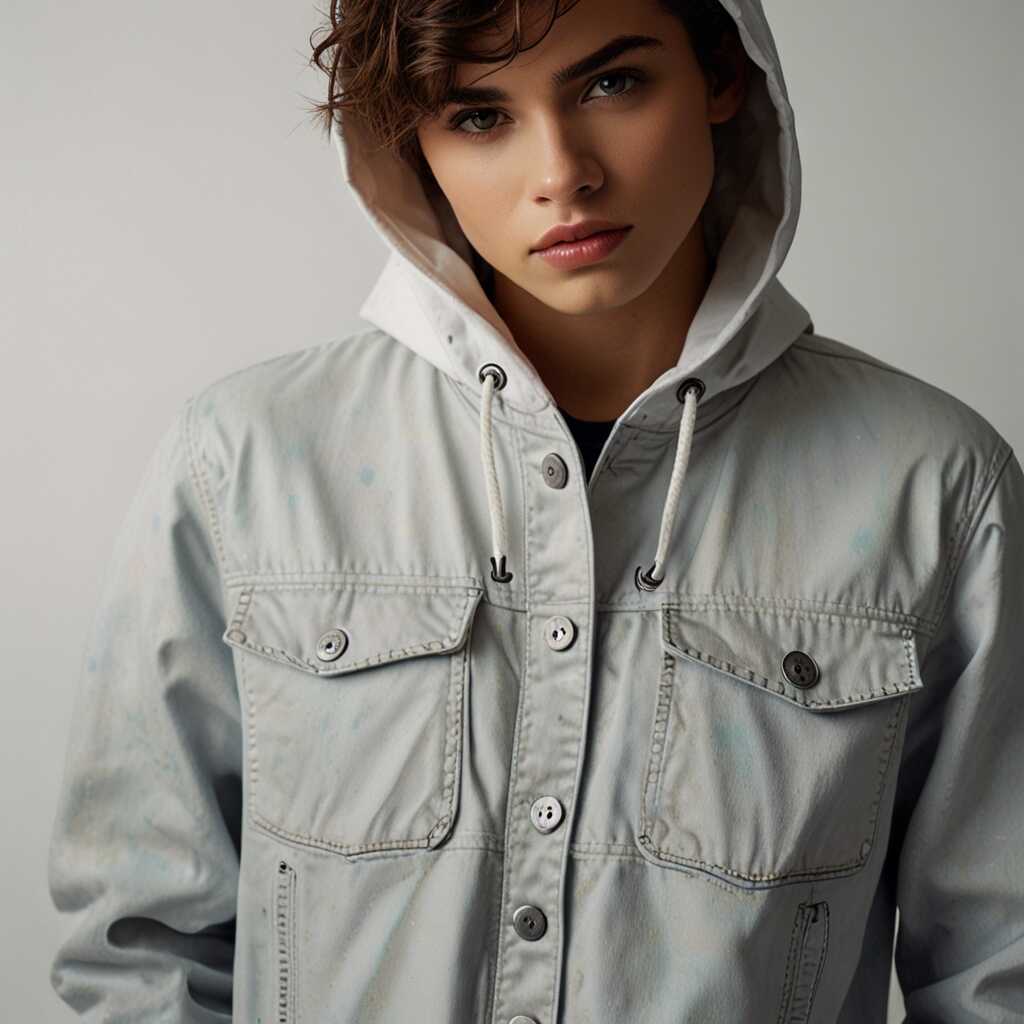
To craft visually appealing summer layered outfits, focus on harmonious color combinations. Neutral colors like beige, white, or soft pastels serve as excellent bases. You can easily add brighter colors like coral or teal for pops of vibrancy. Explore the color wheel to understand complementary colors; for instance, pairing blue with orange creates a striking balance. For occasions, consider the setting: earthy tones work well for outdoor events while vibrant colors suit summer festivals. Effective layering can be achieved with three essential pairing techniques: monochromatic, analogous, and contrasting color schemes. These help create coordinated looks that embody summer aesthetics without overwhelming the senses.
Enjoyable Color Pairing Techniques for Summer Layering
When layering outfits for summer, one enjoyable technique is using monochromatic schemes. This means varying shades of a single color, providing depth without complications. For example, layer light blue with navy. Another effective method is the analogous approach, where you choose colors next to each other on the color wheel, like green and yellow, enabling a soft, cohesive look. Finally, contrasting colors, such as a deep navy with bright yellow, can enhance visibility and vibrancy. These techniques not only enhance your aesthetic appeal but also ensure comfort during the warmer months, aligning perfectly with Yuppieplaza’s style guidance.
Advantages of Smart Layering Techniques
- Layering helps you stay comfortable, even when temperatures shift rapidly.
- This guide promotes the use of lightweight fabrics, increasing airflow and comfort.
- Proper layering enhances your outfit’s versatility for different activities.
- It encourages individual style while being practical for unpredictable weather.
- Layering can reduce the need for bulky outerwear, saving space in bags.
- It allows for easily removable layers when transitioning between indoor and outdoor settings.
- Additionally, some layered outfits can utilize recycled or sustainable materials.
The Role of Accessories in Enhancing Layered Looks
Accessories play a crucial role in layering summer outfits. Hats, scarves, and statement jewelry can elevate your style while ensuring comfort. A lightweight hat can protect you from the sun and add a chic element to your look. Scarves, when layered, can provide warmth during cooler evenings and serve as a stylish accessory. Choosing the right accessories is essential for achieving a balanced, polished appearance. Incorporating bags that fit your outfit’s theme can help tie everything together while providing utility for travel or daily use.
Choosing the Best Accessories for Layered Summer Styles
Selecting the best accessories for layered summer styles includes understanding how each piece enhances your overall appearance. Lightweight, breathable fabrics for scarves, and hats made from natural materials provide comfort and prevent overheating. Choose versatile bags that are easy to carry and complement your outfits. Consider jewelry that is not only stylish but also easy to wear in hot weather. Lightweight earrings or bracelets can add flair without feeling cumbersome. By carefully selecting these essential accessories, you can enhance your layered summer outfits and keep your look breezy and fun.
Layering Strategies for Outdoor Activities and Events
For summer outdoor layering, select breathable fabrics such as cotton, linen, and moisture-wicking blends. These materials enhance comfort during activities like hiking and sports. When engaging in outdoor events, wear an adjustable lightweight jacket that can handle temperature changes. The ideal number of layers is usually three: a base layer for moisture control, a middle layer for insulation, and an outer layer for protection against wind and sun. This setup allows you to regulate your body temperature effectively.
Choosing the Right Lightweight Jacket for Summer Activities
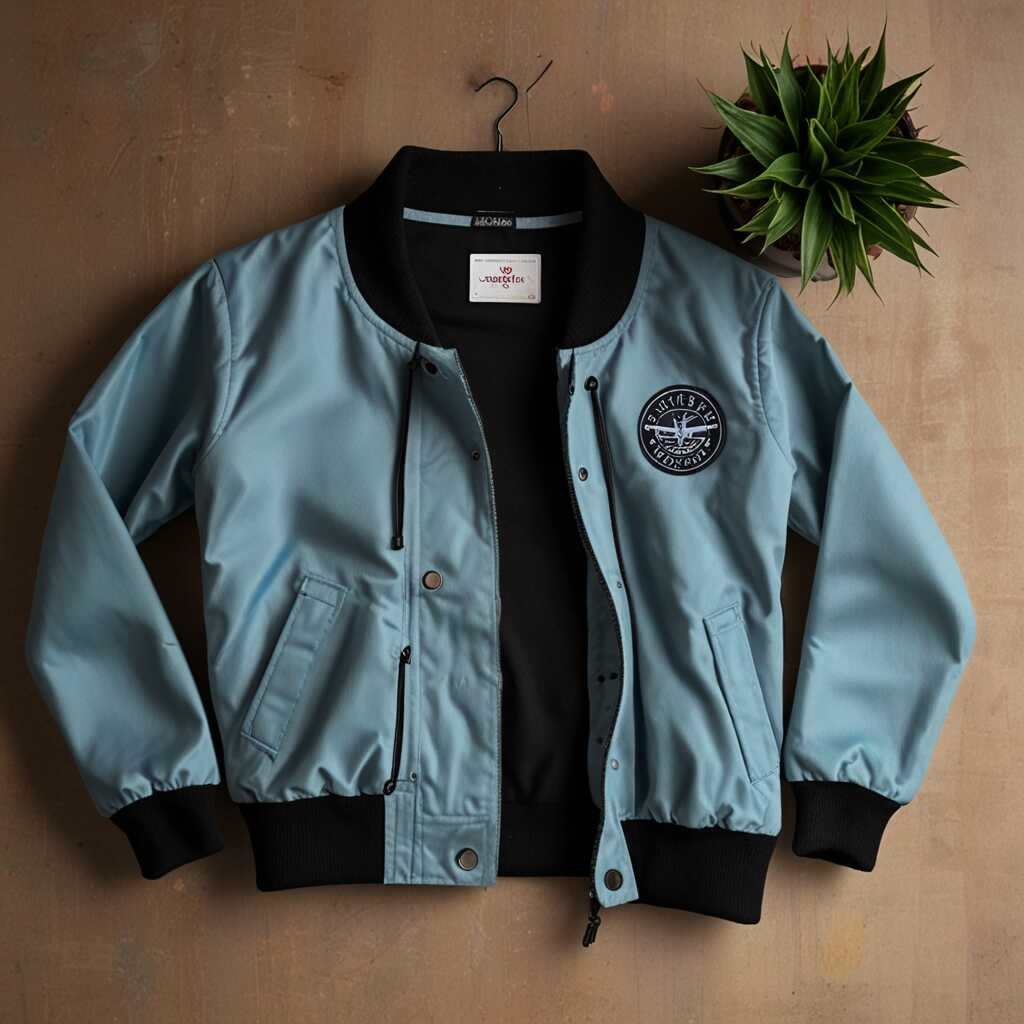
When selecting a lightweight jacket, look for features that enhance breathability and moisture management. A jacket made from nylon or polyester blends provides good airflow and dries quickly. Ensure it has zip pockets to store essentials and ventilation openings. A jacket with a UPF rating offers sun protection during long outdoor activities. Always consider the fit; it should allow for easy movement without feeling restrictive. These elements improve your overall comfort while engaging in various summer events.
Popular Brands and Their Target Audiences
- Uniqlo specializes in functional clothing that suits outdoor enthusiasts.
- Zara offers trendy pieces perfect for fashion-forward youth but lacks sustainability.
- Lululemon combines comfort and style, favored by fitness-minded individuals.
- Patagonia appeals to eco-conscious consumers with sustainable practices.
- Gap attracts families looking for affordable and stylish summer wear.
- Outdoor Research focuses on adventure seekers needing durable and functional clothing.
- H&M appeals to budget-conscious shoppers but sometimes compromises on quality.
Proper Care and Storage of Summer Layering Items
Maintaining summer layering clothes is essential for sustainability and longevity. Regularly wash clothing at lower temperatures using a gentle cycle. Always follow care labels to prevent damage. Use a fabric conditioner suitable for the type of fabric. For best results, air dry items instead of using the dryer. When storing summer clothing, consider types of fabric. Lightweight cotton, linen, and bamboo fabrics need special attention. Ensure items are clean before storing to prevent mold. Different storage options can extend the life of layering pieces. Use breathable storage bags or boxes that allow air circulation. Avoid plastic bags, as they trap moisture and lead to mildew. Additionally, include silica gel packets to absorb excess dampness.
Guidelines for Proper Fabric Care and Environment
Understanding fabric care is critical for your summer wardrobe. Complement carefree fabrics like cotton and linen with proper washing methods. Use cold water for rinsing to maintain color and prevent shrinkage. Hang or lay flat to dry. Be cautious with delicate materials like silk, as they require hand washing. Use pH-neutral detergents to preserve fabric integrity. Store your summer layering items in a cool, dark place, away from direct sunlight. Ensure that all pieces are fully dry to avoid moisture build-up. Rotate clothing to promote airflow and help fabrics breathe. Following these detailed care methods will enhance your fabrics’ reliability and performance, ensuring enjoyable wear season after season.