
Enhance your appearance with strategic wardrobe color planning to make your style shine. Choosing the right colors for your wardrobe can elevate your overall look and express your unique identity. Yuppieplaza offers expert guidance on selecting colors tailored to your personal coloring, helping you feel confident and stylish. With insightful tips, this article will empower you to make informed choices that align with your fashion goals.
Understanding Personal Coloring and Its Impact on Wardrobe Choices
Personal coloring encompasses skin tones, undertones, and hair colors, shaping how clothing colors interact with an individual’s appearance. Knowing your skin tone is essential. It usually falls into categories like cool, warm, or neutral. Cool skin tones have pink or blue undertones, while warm tones consist of yellow or golden undertones. Neutral skin tones blend both. Selecting clothing colors that match your undertone enhances your natural beauty. For example, individuals with cool undertones often look good in jewel tones like emerald green and sapphire blue. In contrast, those with warm undertones glow in earthy colors such as olive green or warm reds. Identifying the right colors improves your wardrobe selection and ensures you feel confident in your outfits.
Identifying Your Skin Tone and Undertone
Determining your skin tone and undertone helps tailor your wardrobe choices. Begin by examining your wrist veins. If they appear bluish, you may have a cool undertone. Greenish veins indicate a warm undertone. For neutral undertones, you might see a mix of both. Another method is the white test. Hold a white piece of paper near your face. If your skin looks gray, you likely have a cool undertone. A peachy or golden hue suggests a warm undertone. Understanding these details allows you to choose the best clothing colors, ensuring your outfits complement your unique coloring while enhancing your overall appearance.
Identifying Your Ideal Color Palette for Fashion Success
Discovering your ideal color palette involves using various methods to enhance your appearance. Start by analyzing your skin tone. Identify if you have a warm or cool undertone. This helps you select colors that resonate with your complexion. Use color analysis tools such as draping fabrics in different shades around your face. An effective tool is the seasonal color analysis. This technique includes four primary types: spring, summer, autumn, and winter. Each season includes specific hues that flatter distinct skin tones.
Practical Tips for Color Analysis
To perform reliable color analysis, consider your eye color and hair color too. Complementary colors enhance overall visual appeal. For instance, golden hair often pairs well with earthy tones. Meanwhile, cool hair tones can benefit from jewel shades. Use online quizzes designed to evaluate your personal coloring effectively. They provide insights based on proven data. Research shows that a right color palette significantly boosts confidence and overall style. Always test different hues to see what feels best and looks pleasing. Your ultimate goal is to create a sustainable wardrobe choice that reflects your personal style while providing comfort and confidence.
The Influence of Color on Personal Style and Self-Expression
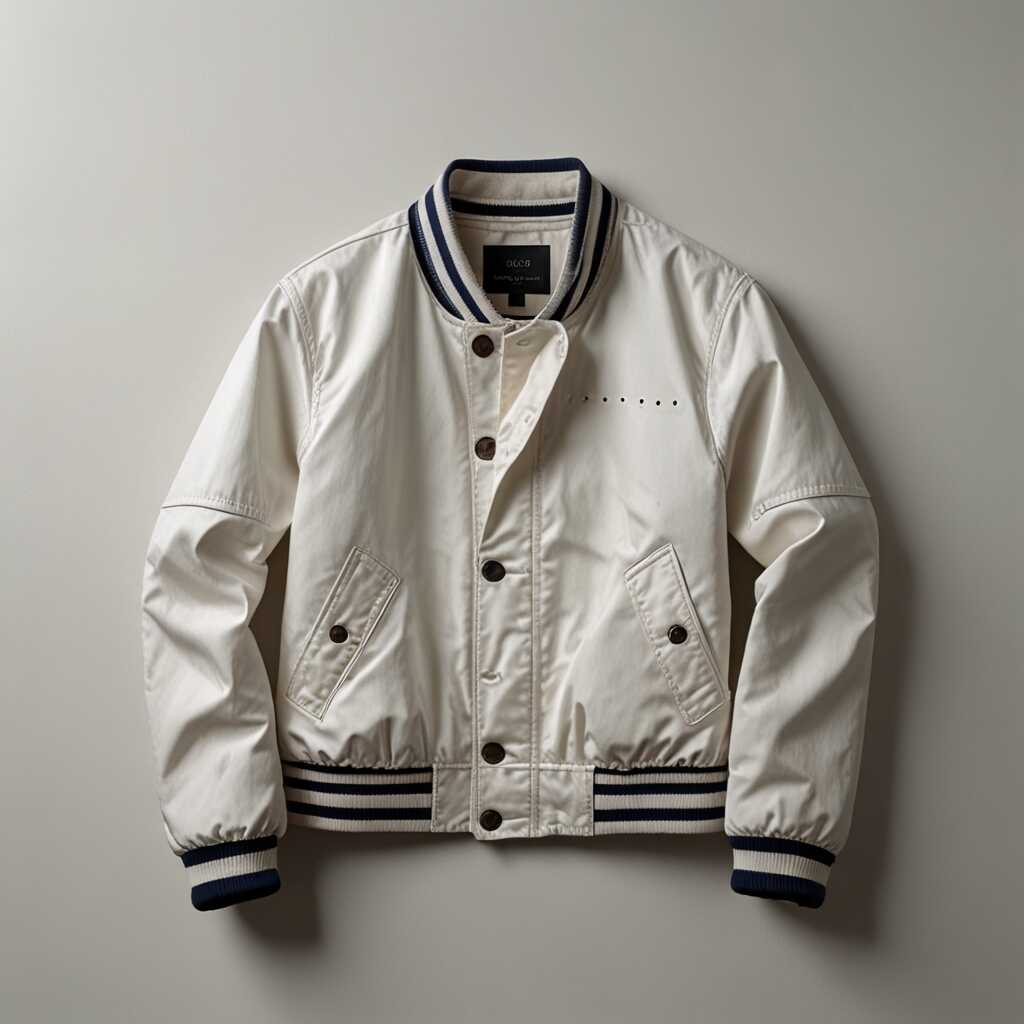
Color choices play a critical role in enhancing confidence levels and expressing personal style. When individuals wear colors that resonate with their mood or identity, it can significantly boost self-esteem. For example, wearing vibrant colors like red or yellow can evoke feelings of energy and confidence, while softer hues like blue or green often promote a sense of calm. Color psychology suggests certain shades can trigger emotional responses that influence how people perceive themselves and how they are perceived by others, deepening the connection between color choices and self-expression.
Understanding Color Psychology in Fashion
Understanding color psychology in fashion is essential for anyone looking to express their personal identity effectively. Each color carries unique meanings and influences emotions. Red often stands for passion and power, making it a strong choice for impactful styling. Blue conveys trust and tranquility, making it ideal for professional settings. Green represents harmony and balance, while yellow promotes optimism and creativity. By incorporating these colors intentionally into their wardrobe, individuals can align their personal style with their desired self-expression. This alignment not only enhances their overall look but also helps them present a confident and authentic version of themselves.
Numerical Insights into Color Choices for Your Wardrobe
- Over 80% of people consider color the most important factor in clothing purchase.
- 60% of wardrobe items should align with your personal coloring.
- Experts recommend trying at least 5 color tests to find your best shades.
- Around 70% of individuals experience a mood boost from wearing their best colors.
- Studies show that color can influence perceptions of professionalism by 40%.
- Approximately 55% of fashion enthusiasts shop based on color theory principles.
- Wardrobe rotation should include at least 10 different colors for variety.
Techniques for Mixing and Matching Colors in Your Wardrobe
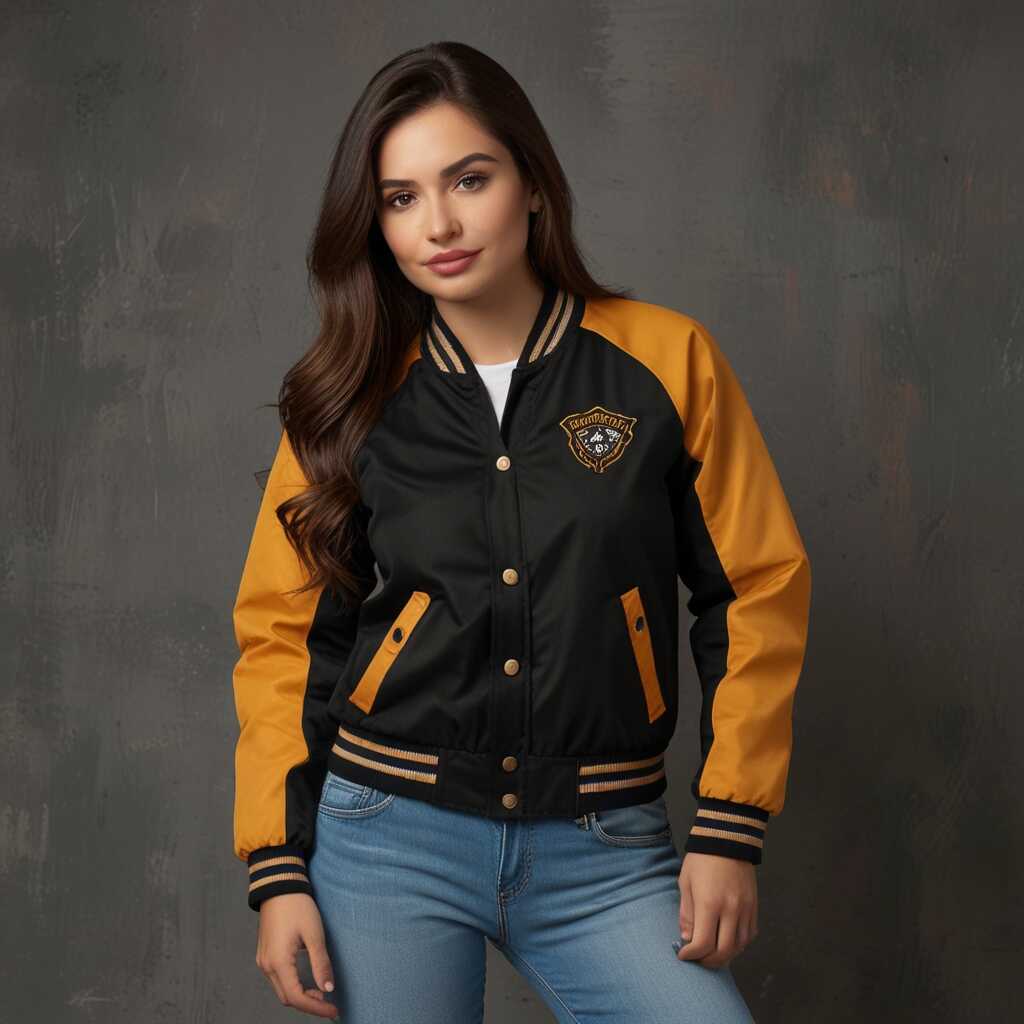
To successfully combine colors in outfits, consider using the color wheel. Complementary colors, like blue and orange, create a vibrant contrast. Analogous colors, such as blue, teal, and green, provide a more subtle harmony. Consider the occasion when selecting your color palette. For formal events, stick to classic combinations, like black with gold or silver. Casual outings allow for more experimentation, like pairing pastel shades with neutrals. It is essential to ensure your color choices reflect your personal taste. Always test different combinations in front of a mirror for the best results and confidence.
Choosing a Color Palette for Different Occasions
When choosing a color palette for various occasions, start by considering the event’s mood and your role. Formal events demand elegant colors, such as navy, burgundy, or emerald green. Casual outings welcome brighter tones like coral or mint. Business meetings may require more muted colors like gray or charcoal paired with accents of deeper hues. For outdoor activities, earthy tones like olive green, sandy beige, and light browns look fresh and stylish. Always ensure your color combinations enhance your wardrobe while expressing your unique personal style.

Incorporating Seasonal Color Trends into Personal Style
Blending seasonal color trends into your wardrobe can significantly enhance your appearance. First, identify the colors trending this season, such as earthy tones or vibrant jewel hues. Assess your unique color preferences by considering what complements your skin tone, hair color, and overall style. To balance trends with your existing wardrobe, select a few seasonal pieces in trending shades that work harmoniously with your favorite staples. For a fresh look, aim to incorporate two to three new colors each season, using them as accents or statement pieces for maximum impact. This approach ensures you stay stylish while expressing your personal style seamlessly.
Identifying Your Seasonal Color Palette
Identifying your seasonal color palette involves determining which colors elevate your complexion and enhance your overall look. Start by examining popular seasonal hues, like warm rusts or cool pastels, that gain traction each year. Compare these colors against your natural coloring under different lighting to find the best matches. It’s essential to select shades that not only reflect current trends but also resonate with your unique style. Tools like color swatches or apps that simulate looks can be invaluable for experimenting with potential combinations before adding new pieces to your wardrobe. This method ensures you make informed choices that reflect your personality while keeping your style fresh and trendy.
Advantages of Smart Color Coordination in Fashion
- Enhances self-confidence by showcasing your best hues.
- Boosts visual appeal, making outfits more attractive and stylish.
- Allows for authentic expression of your personality through color.
- Facilitates sustainable choices by reducing waste from ill-fitting items.
- Increases versatility, enabling more combinations and mix-and-match options.
- Encourages a cohesive image that aligns with your professional goals.
- Helps in standing out and creating memorable impressions in social settings.
Developing a Sustainable Wardrobe with Smart Color Choices
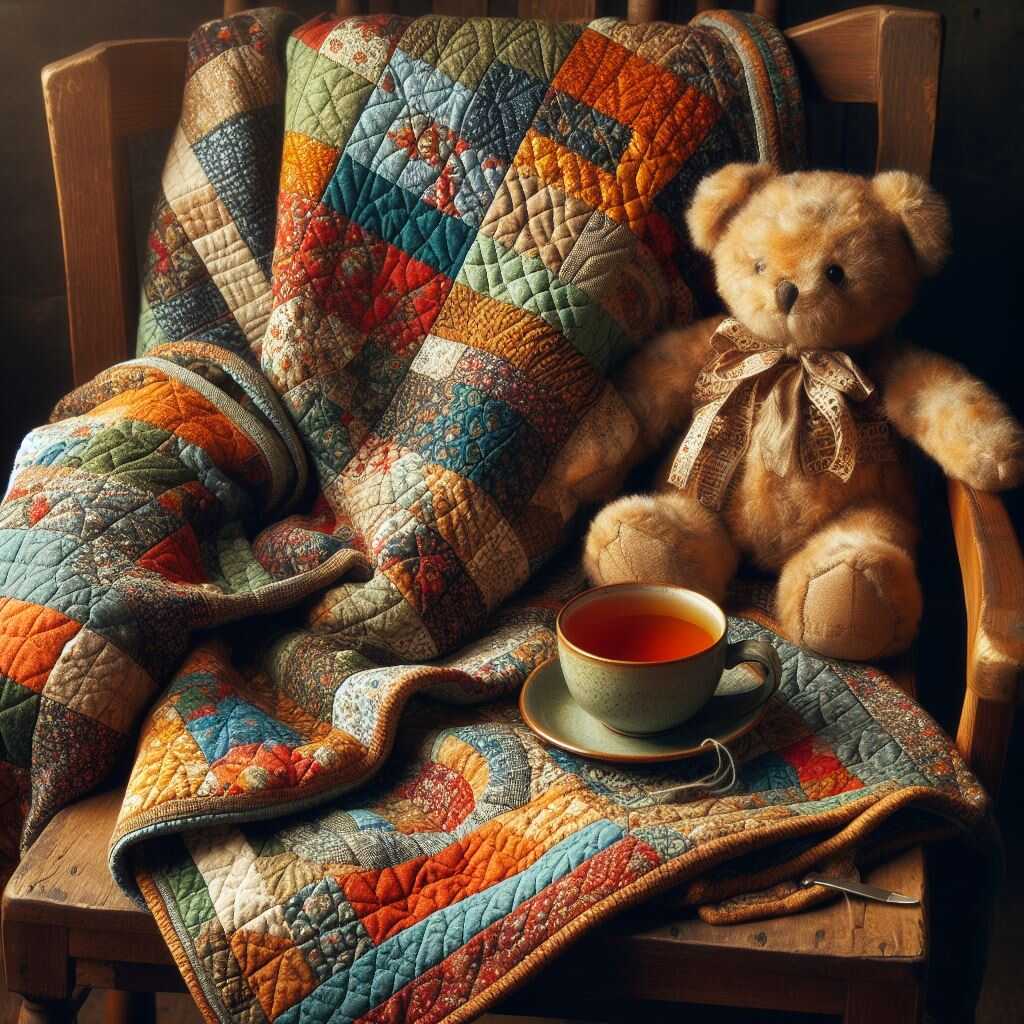
Choosing specific colors can significantly impact your sustainable fashion choices. Selecting colors that don’t fade easily helps maintain the quality of your garments over time, ultimately reducing waste. Opt for a wardrobe color palette that emphasizes versatile, timeless hues such as navy, forest green, or earthy tones. These colors often pair well with eco-friendly materials like organic cotton or Tencel, promoting long-lasting wardrobe options that align with sustainable fashion practices. The right color choices help you express your personal style while supporting eco-conscious fashion.
Exploring Eco-Friendly Materials for Your Color Palette
When it comes to enhancing both aesthetics and sustainability, consider eco-friendly materials like organic cotton, recycled polyester, bamboo, and linen. Organic cotton is soft and durable, making it great for vibrant colors. Recycled polyester is sturdy and reliable for a wide range of hues. Bamboo provides a unique feel with natural shades and is biodegradable. Linen offers breathability and a great texture in earthy colors. Using these materials alongside a carefully chosen color palette ensures your clothing is comfortable, stylish, and environmentally responsible.
Finding Inspiration from Celebrities for Colorful Outfit Choices
Celebrities play a significant role in influencing color choices in fashion. They showcase vibrant colors that enhance their appearance and express individuality. Public figures like Rihanna, Harry Styles, and Zendaya often appear in bold outfits, grabbing attention with color combinations that stand out. These celebrities empower audiences to explore their own unique style expressions. Research shows that approximately 75% of top celebrities use colorful outfits to elevate their fashion choices. Gaining inspiration from these trendsetters can help individuals confidently select colors that suit their personal style.
Exploring Celebrity Color Combinations for Your Style
Examine how celebrities pair colors to enhance their outfits. For instance, Zendaya often combines earthy tones with striking accessories, creating a balanced yet vibrant look. Rihanna is known for mixing patterns and bright shades, which inspires many. Harry Styles frequently wears pastels and bold prints that transform traditional menswear into something fresh and exciting. Focusing on these distinctive color combinations can help individuals reach their goals of improving their wardrobe. Analyze red carpet events, online resources, and social media profiles to find valuable ideas for colorful outfit inspiration.
Popular Fashion Labels and Their Color-Driven Styles
- Tommy Hilfiger: Known for bold colors, appeals to youthful wearers aiming for vibrant styles.
- Zara: Offers trendy colors but may lack quality sustainability in fabric choices.
- Everlane: Promotes neutral tones and transparency but may target a minimalist demographic.
- Free People: Attracts free-spirited individuals with colorful bohemian styles.
- H&M: Deadlines on fast trends can result in color inconsistencies across collections.
- Anthropologie: Engages artistic consumers seeking unique color and pattern combinations.
- Uniqlo: Focuses on functional clothing with limited but effective color offerings.
Essential Tips for Shopping with a Focus on Color Planning
Consider your personal color palette when shopping. Analyze what colors enhance your features. Look for colors that match or complement your skin tone and hair color. Focus on items that ensure wardrobe color harmony. Test pieces against existing items to see how they fit into your style. Use fashion color theory to identify which shades work well together. Aim for clothes that enhance your personal style and are versatile.
Creating a Balanced Wardrobe with Color
To create a well-balanced wardrobe, allocate about 60% of your clothing to neutral tones and 40% to vibrant colors. Neutrals provide a foundation for various outfits. They pair well with almost everything, adding reliability to your clothing choices. Vibrant colors help express individuality and levity in your wardrobe. Use a visual guideline by laying out clothes in your desired color scheme. This approach maintains color planning strategy effectiveness and improves outfit coordination. Evaluate how new purchases can fit into this ratio for long-term style success.