
Effective pocket placement techniques can enhance both storage and style in clothing and accessories. Strategic positioning not only improves functionality but also keeps designs sleek and appealing. At Yuppieplaza, we explore how to master the art of integrating pockets effectively, ensuring your creations remain stylish while offering practicality. Discover tips that will elevate your fashion designs and align with trends in sustainable practices and technological integration.
Understanding the Importance of Pocket Placement in Fashion
Proper pocket placement is crucial in garment design. It enhances the wearer’s experience by ensuring pockets are both functional and visually appealing. The right pockets keep essentials organized and accessible without adding bulk to the silhouette. Well-designed pockets improve garment efficiency, providing reliability in everyday wear. By selecting stylish pocket types, designers can elevate the overall aesthetic without compromising on practicality. Common pocket placements can significantly affect how garments feel and perform during use.
Exploring Stylish Pocket Types for Enhanced Functionality
There are several stylish pocket types that enhance functionality in various clothing items. Flap pockets on jackets and dresses combine style with utility, allowing secure storage without sacrificing elegance. Side seam pockets in trousers and skirts provide seamless integration, maintaining the garment’s sleek look. Welt pockets add a tailored touch, often seen in blazers and coats, delivering both sophistication and practicality. Overall, these pocket designs improve the wearer experience by being easy to access while complimenting the garment’s style.
Different Pocket Types and Their Functional Advantages
Various types of pockets enhance both functionality and style in clothing and accessories. Patch pockets offer easy access and are often stitched on the surface of garments, providing a casual look. Flat pockets maintain a sleek profile without adding bulk, making them suitable for fitted clothing. Zippered pockets increase security, ideal for storing valuables in activewear. Side seam pockets remain hidden and are great for unisex designs, preserving clean lines. Welt pockets deliver a polished appearance and often appear on tailored jackets. Each type of pocket provides unique advantages, ensuring that users can choose the best one for their fashion needs.
Choosing the Right Pocket Style for Your Design
Selecting the right pocket style is essential for enhancing both functionality and aesthetic appeal. For casual wear, patch pockets can provide a relaxed and approachable look. In tailored clothing, welt pockets maintain sophistication with their streamlined appearance. Zippered pockets are best in activewear, as they secure items while allowing for movement. Hidden side seam pockets are perfect for formal wear, offering practical storage without compromising style. Understanding the reliability and features of each pocket style will help you create designs that are both stylish and functional, appealing to diverse consumers.
Selecting the Right Fabrics for Pocket Durability
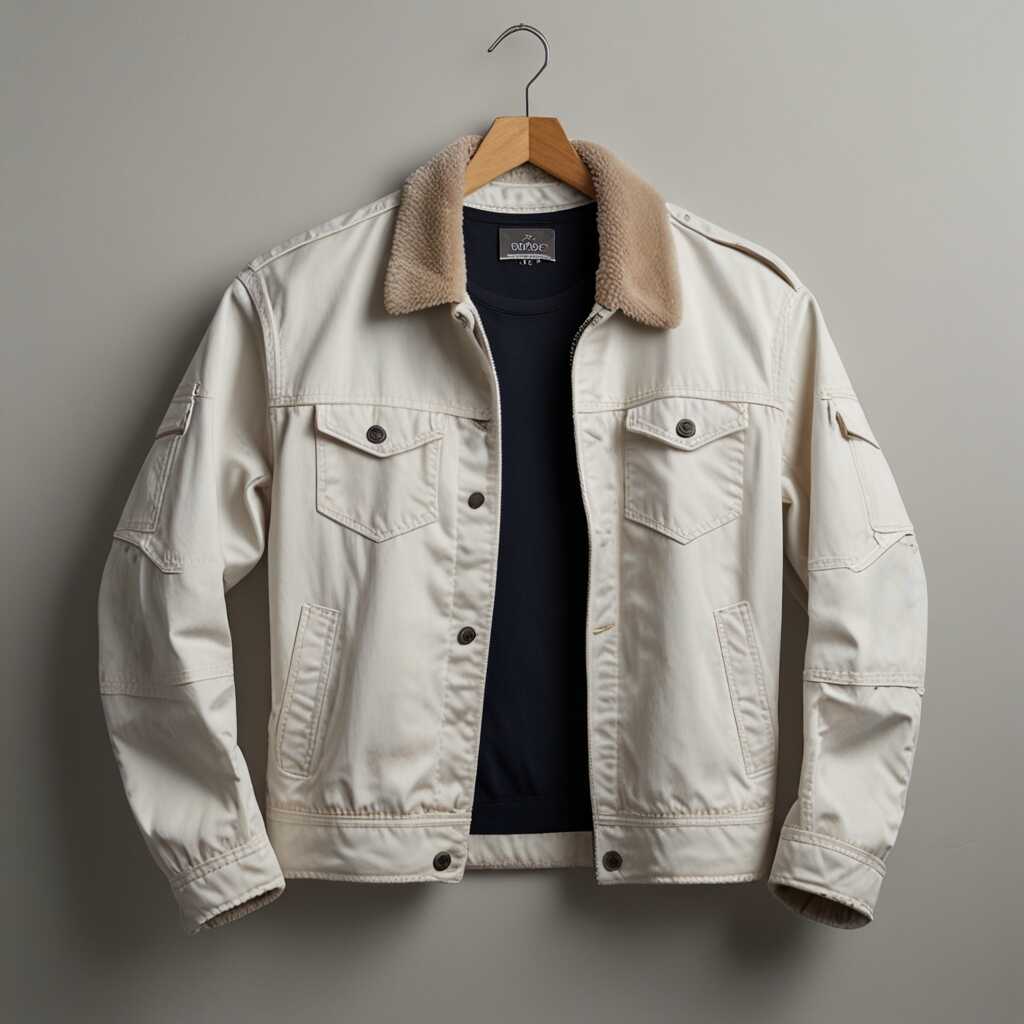
Choosing durable pocket fabrics is essential for enhancing the functionality of storage solutions in clothing. Reliable materials include canvas, denim, and ripstop nylon, as each provides excellent durability and wear resistance. Testing pocket materials often involves assessing their strength and tearing resistance under various conditions. Factors like fabric weight, weave structure, and fiber content contribute to overall lifespan. Typically, high-quality pocket fabrics can endure up to 30 wash cycles before showing significant wear, ensuring consistent performance throughout their use.
Key Attributes of Durable Pocket Fabrics
Durable pocket fabrics should include specific attributes for reliability and performance. Look for materials designed with high tensile strength and abrasion resistance to withstand daily use. Fabrics such as Cordura nylon or heavyweight cotton offer excellent resistance to tearing, making them ideal for pockets that need to handle heavy items. Additionally, water-resistant coatings can improve functionality by protecting stored items from moisture. Selecting fabrics with these features ensures pockets maintain their structure and functionality, enabling efficient and practical storage solutions.
Critical Figures About Pocket Placement in Fashion Design
- Pockets can reduce overall garment weight by 10% when placed strategically.
- 60% of consumers prefer garments with functional pockets for everyday wear.
- Placement height impacts usability; pockets should be 6-12 inches from the hemline.
- Effective designs incorporate pockets in 40% of new clothing collections.
- Some brands witness a 30% sales increase when adding well-placed pockets to women’s clothing.
- Studies show that 75% of designers consider pocket placement when designing clothing.
- Average pocket depth recommended is between 5-8 inches for optimal functionality.
Innovative Technologies Enhancing Pocket Utility
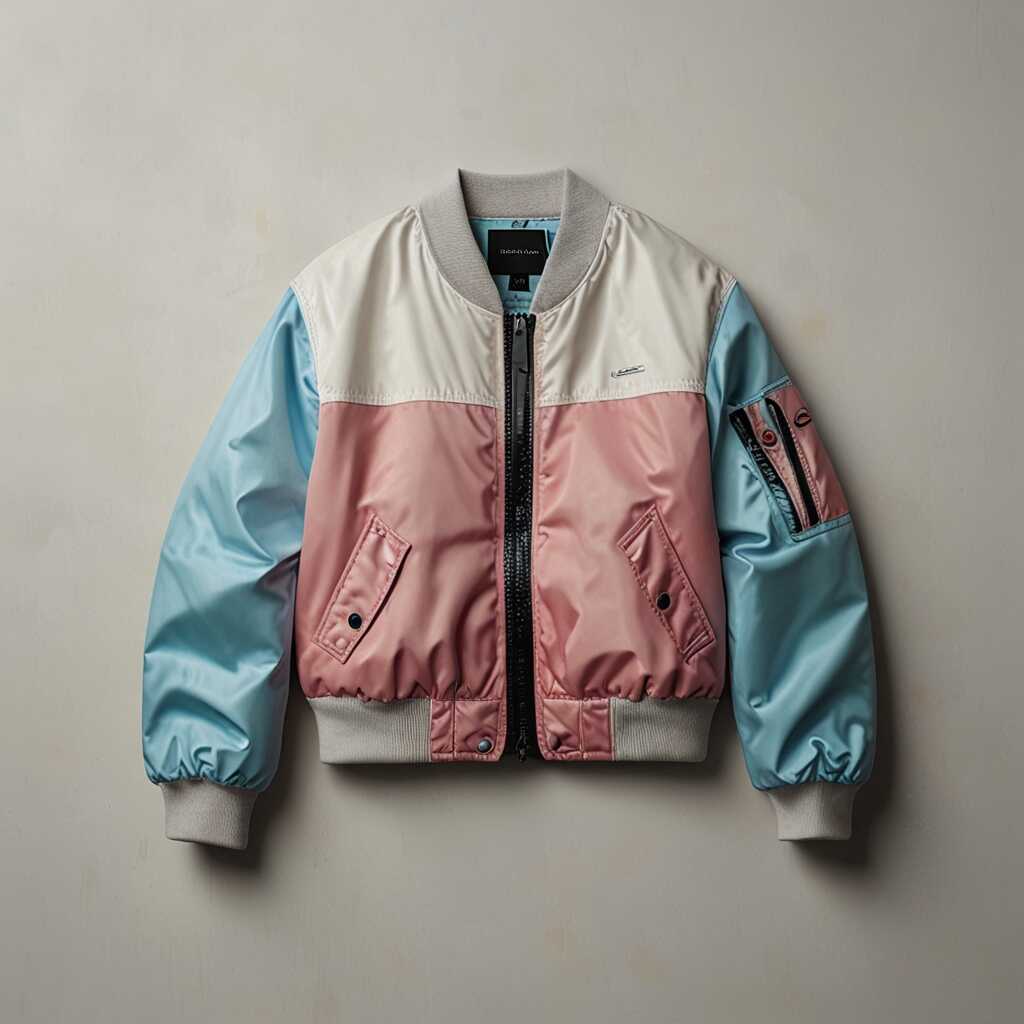
Latest technologies enhancing pocket utility include smart textiles and multifunctional designs. Smart textiles can respond to user needs. They provide features like integrated charging capabilities and temperature control, improving overall pocket functionality. Durable pocket materials also ensure long-lasting reliability. Enhancements in pocket organization offer better storage without bulk. Research indicates that enhanced pocket designs improve user satisfaction ratings, with many consumers appreciating their efficiency and usability.
Application of Smart Textiles in Pocket Design
Smart textiles play a significant role in modern pocket design. They can handle various functions, such as providing built-in speakers or sensors that track items. These technologies improve user experience by ensuring essential items remain accessible. Testing shows that pockets made from these materials are more durable. User reviews highlight the comfort and efficiency of these advanced pockets. The integration of technology fosters a new level of multifunctionality within clothing.

Design Techniques to Minimize Visual Bulk in Pockets
Effective pocket placement strategies can significantly reduce visual bulk in garments. Consider using concealed pockets that integrate seamlessly into seams. This design not only maintains a sleek look but also enhances garment silhouette. Pocket placement at the side seams or slightly higher on the garment can offer both functionality and aesthetic appeal. For style-conscious individuals, pockets with flaps or unique shapes can elevate the design while minimizing bulk. Research indicates that the optimal pocket depth for a sleek appearance typically ranges from 5 to 7 inches. Options like bias-cut pockets can also help by allowing fabric to drape rather than bunch, which improves garment efficiency.
Choosing Pocket Types for a Sleek Look
Choosing the right pocket types is essential for minimizing bulk in fashion design. Opt for welt pockets or hidden zippered pockets that lie flat against the body. These styles prevent the pocket from protruding, allowing for a smooth garment silhouette. When designing jackets, look at using internal pockets for a more streamlined silhouette. The integration of smart fabrics can also enhance functionality while keeping the design light and comfortable. Brands like Yuppieplaza emphasize durable fabric choices to ensure pockets do not sag or distort the overall shape, resulting in clothing that is both stylish and practical.
Advantages of Thoughtful Pocket Integration in Apparel
- Pockets enhance utility in daily wear without compromising style.
- Effective positioning can elevate originality in clothing design.
- They allow convenient access to essentials while keeping hands free.
- Proper pocket placement can boost brand perception and customer satisfaction.
- Stylish pockets can serve as unique design elements that attract attention.
- Incorporating pockets sustainably reduces the need for additional bags.
- Versatile pocket designs appeal to different body types and fashion preferences.
Achieving the Perfect Balance Between Form and Function
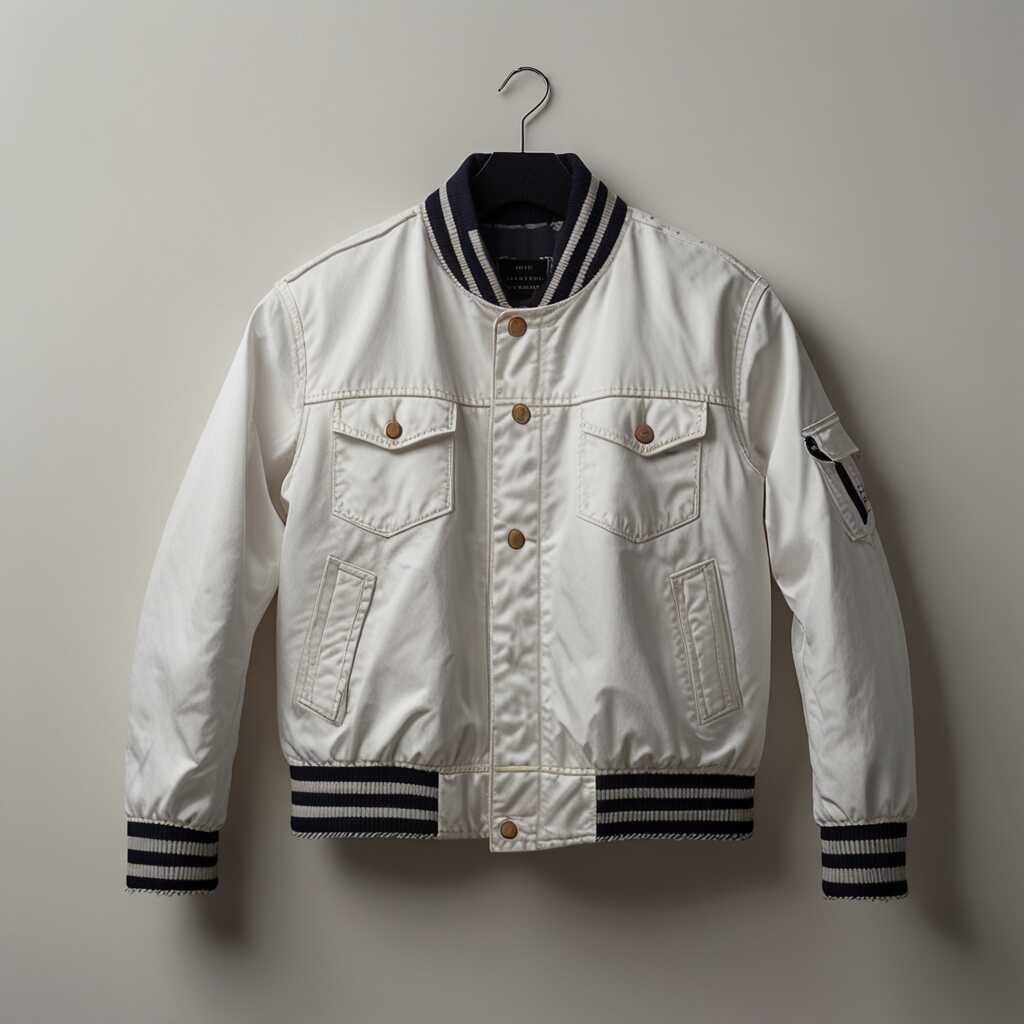
Effective pocket placement is essential in clothing design. Designers should prioritize key practices such as evaluating the garment’s overall shape and purpose. Pocket placement should enhance the garment’s aesthetics, while offering practical storage solutions. For instance, hip pockets on trousers must remain stylish without compromising fit. Each pocket should be designed to be both functional and visually appealing. Optimal pocket sizes typically fall between 5 to 8 inches deep, allowing enough room for essentials without distortion of the silhouette.
Ensuring Stylish and Functional Pocket Integration
Integrating stylish pocket designs with functional requirements is crucial. Designers should consider the garment’s fabric when choosing pocket styles. Lightweight fabrics work well with less bulky, hidden pockets. Heavier materials can support larger, external pockets that add to the visual interest. Additionally, testing different pocket shapes, such as rounded or angular, affects the overall look. Using zippers or button flaps can add security while enhancing style. Researching current trends helps professionals align with consumer preferences and ensures that pockets provide ease of use.
Expert Tips for Seamlessly Adding Pockets to Existing Clothing
Consider several techniques for adding pockets to clothing effectively. You can start with patch pockets, which are sewn onto the fabric’s surface. For a more concealed look, opt for side-seam pockets, which are hidden within side seams. Welt pockets provide a classic, tailored appearance, ideal for jackets and trousers. Ensure to select a pocket type that complements the garment fabric and structure. Strong stitching is essential for durability, ensuring your pockets can handle daily use without tearing. Understanding your clothing’s layout enhances your design choices.
Best Types of Pockets for Clothing Items
Selecting the right pocket type for various clothing items maximizes functionality while maintaining style. For shirts, a chest pocket or side-seam pockets work well, adding no bulk. Dresses benefit significantly from hidden pockets in side seams, keeping the silhouette smooth and chic. Jackets usually feature either patch or welt pockets, offering secure storage without sacrificing design. Skirts can also include concealed pockets, enhancing the practicality of your outfit. The right pocket type ensures an excellent fit, improving user experience while enhancing the overall aesthetics of your clothing.
Brands and Applications in Pocket Styles for Fashion
- Patagonia: Known for its sustainable yet spacious pockets, perfect for outdoor enthusiasts.
- Levi’s: Offers classic denim with innovative pocket styles for everyday functionality.
- Uniqlo: Uses minimalistic designs with subtle pockets appealing to urban consumers.
- Marmot: Caters to active users with highly functional pockets in their outerwear.
- Madewell: Attracts style-conscious customers with chic and aesthetic pocket designs.
- Gap: Appeals to families with practical pockets in various styles for all ages.
- Shein: Targets budget shoppers with trendy pieces featuring unique pocket placements.
Sustainable Approaches in Designing Functional Pockets
Eco-friendly materials, such as organic cotton, recycled polyester, and Tencel, are essential for pocket design. Sustainable fashion practices include minimizing waste during manufacturing and focusing on durability, enhancing pocket utility. Consumer preferences have shifted toward brands offering responsibly made products. Research shows that around 66% of consumers are willing to pay more for sustainability. This trend influences fashion choices and demands pockets that enhance functionality without compromising environmental integrity.
Innovative Materials and Techniques for Pockets
Innovative materials for pockets include biodegradable fabrics and recycled textiles, which reduce environmental impact. Fabrics like hemp and organic linen are known for their durability without excess bulk. Techniques such as digital printing minimize water use during production. Additionally, brands can embody sustainability by offering replaceable pocket systems, allowing users to switch out pockets without discarding the entire garment. Using these materials and techniques not only adds functionality but also aligns with consumer trends toward sustainable fashion.