
Strategic garment pairing can transform your wardrobe into a collection of cohesive and harmonious outfits. By understanding how to mix and match different pieces, you elevate your style while expressing your unique personality. At Yuppieplaza, we focus on providing you with practical tips and insights to create visually appealing looks that reflect current trends. With our guidance, you can make smart fashion choices that showcase your creativity and confidence.
Fundamentals of Creating Cohesive Outfits with Color
Understanding color theory is essential for creating visually appealing outfits. The key principles include color harmony, which focuses on creating combinations that look good together. An effective approach is to use a color wheel to see how different colors relate. For instance, colors that are opposite each other, like blue and orange, create contrast and interest in an outfit. Additionally, colors next to each other, such as blue and green, can enhance a relaxing and cohesive feel. Experimenting with these combinations can significantly improve the overall visual appeal of your outfits.
Effective Pairing of Colors for Attractive Outfits
Pairing colors effectively is vital to achieving style success. Use the color wheel to identify complementary, analogous, and triadic color schemes. For example, combining blue, red, and yellow can create vibrant outfit color schemes. You can pair blue jeans with a yellow top and a red accessory to make a striking outfit. This method ensures the colors balance, offering a great look. Additionally, consider the mood each color conveys. Warm colors like red and orange evoke energy, while cool colors like blue and green offer calmness. These insights help create quality outfits tailored to different occasions.
Exploring Textures That Add Depth and Interest
Mixing textures like denim, leather, cotton, and silk can create a visually interesting outfit. Pair rough fabrics with smoother ones, such as a chunky knit sweater with a sleek leather skirt. This approach creates balance and adds dimension to your look. Combining textures keeps outfits from appearing flat and lifeless. Using at least two to three textures will provide a well-rounded style that feels cohesive and intriguing.
Understanding Fabric Combinations for Maximum Impact
Choosing the right fabric combinations is crucial for enhancing your outfit. Combine heavier materials, like wool or corduroy, with lighter fabrics such as chiffon or linen. This mix not only adds visual depth but also enhances comfort. Ensure the textures complement each other in weight and drape. This ensures your outfit feels polished and intentional, allowing you to express your unique style effectively. Yuppieplaza emphasizes the importance of these combinations in achieving a sophisticated and stylish look.
Guidelines for Mixing Patterns Harmoniously
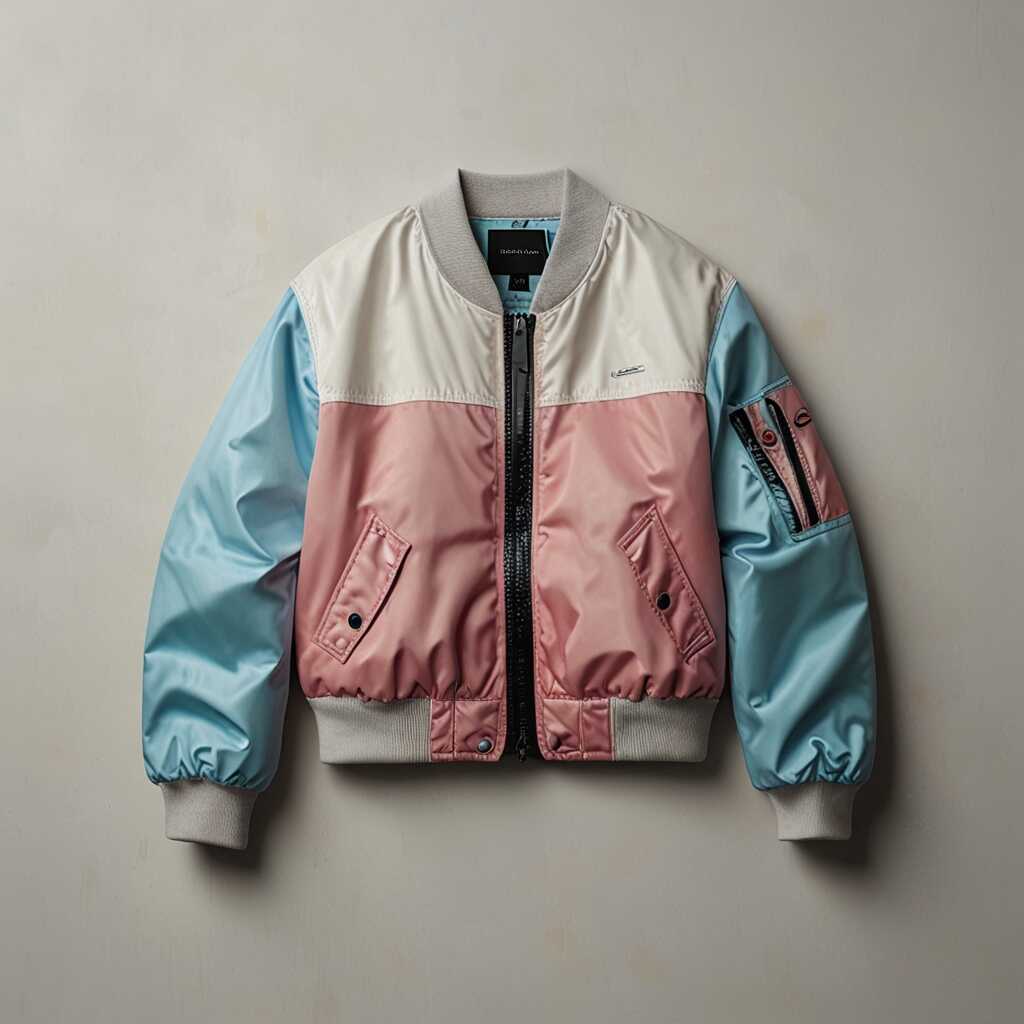
To combine stripes and florals without clashing, choose a common color palette. Look for pieces that share one or two colors. This ensures a unified look. Pair large floral prints with subtle stripes to avoid visual overload. Patterns like polka dots often work well with both stripes and floral designs. You can use accessories to add more patterns, ensuring they complement the main outfit. The most common rule for mixing patterns is to stick to different scales, like pairing a bold print with a smaller one.
Examples of Successful Pattern Combinations
Successful pattern combinations often focus on color coordination and similar textures. For instance, pairing a striped shirt with a floral skirt can work if the colors match. A striped top in navy can complement a floral print featuring navy and cream. Similarly, combining polka dots with gingham creates a playful yet balanced outfit. When choosing styles, consider how the prints contrast with each other. This will enhance your overall aesthetic while still maintaining interest.
Key Statistics on Outfit Coordination
- 75% of individuals feel better when their outfits match.
- People spend an average of 30 minutes choosing their outfits each morning.
- 67% report that they receive compliments on coordinated outfits.
- Strategic garment pairing can reduce closet clutter by 50%.
- 80% of fashion experts recommend having a color wheel for guidance.
- Studies show that cohesive outfits boost confidence and self-esteem.
- Over 60% find that coordinated outfits save time when getting ready.
Adapting Outfit Pairings for Different Seasons
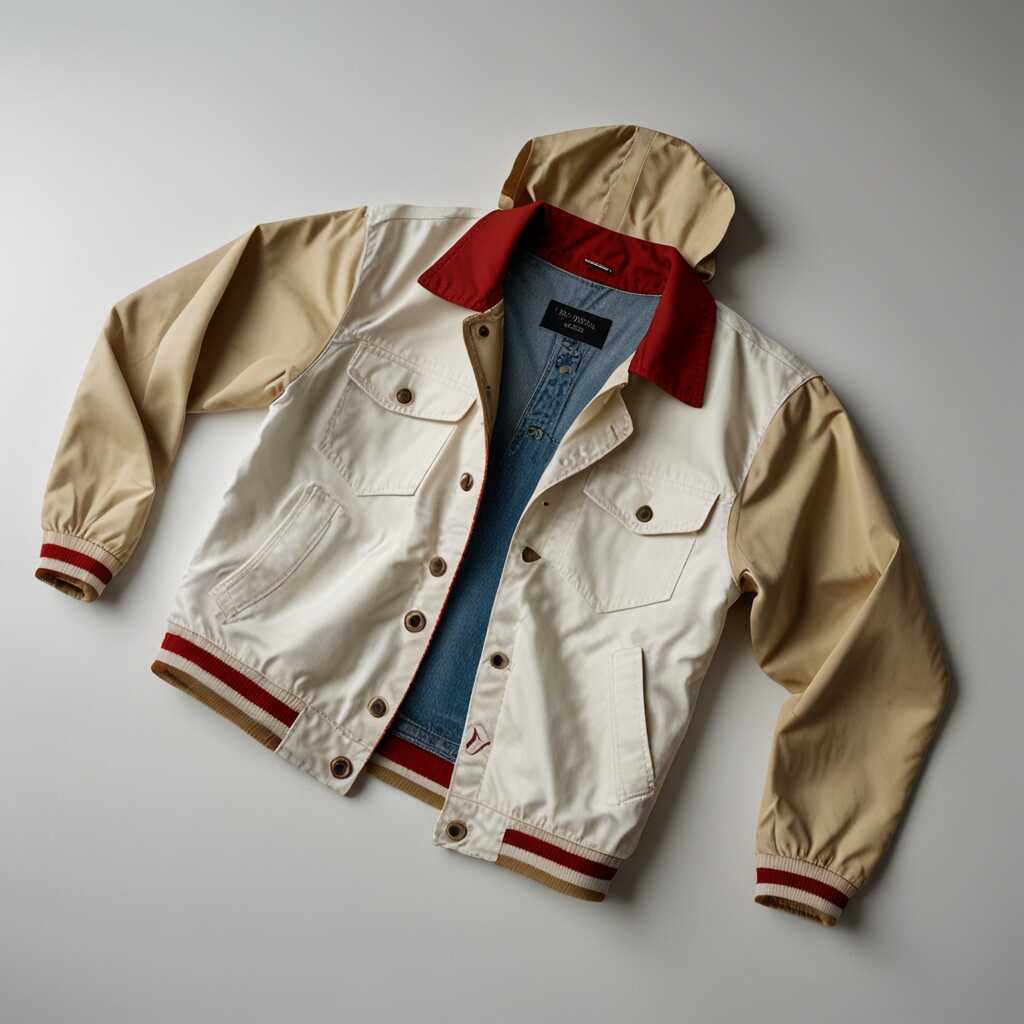
To adapt your outfit pairings for winter, focus on layering and fabric weight. Choose heavier materials like wool or fleece for warmth. For spring and fall, combine lighter materials with thicker pieces, making sure to include transitional fashion items like cardigans or light jackets. Aim for a comfortable range of 3 to 5 layers in colder weather to maintain both style and warmth. Seek combinations that provide both comfort and reliability, like a fitted turtleneck under a chunky knit or a loose shirt under an oversized blazer. During summer, opt for breathable fabrics to ensure easy movement.
Essential Layering Techniques for Different Weather Conditions
Using layering techniques enhances your outfit’s versatility and comfort across seasons. Start with a breathable base layer made from materials like cotton or moisture-wicking fabrics. Next, add an insulating layer, such as a versatile cardigan or lightweight sweater, to provide warmth without bulk. Finally, top it off with a weather-resistant jacket or stylish trench coat that is not only durable but can handle unexpected conditions. This three-layer approach can improve your outfit’s efficiency and adaptability while keeping your style intact, ensuring you remain comfortable from chilly mornings to warm afternoons.

Using Accessories to Achieve Visual Harmony
Accessories play a vital role in enhancing and unifying outfits. Thoughtful accessory choices can elevate even the simplest ensembles. For instance, statement necklaces can draw attention and create a focal point. When selecting accessories, consider how they complement your clothing colors, textures, and styles. Accessories like handbags, belts, and scarves should coordinate rather than clash. Aim for two to three accessories that work together to create cohesive looks. This approach ensures visual harmony and enhances your overall style.
Choosing the Right Accessories for Your Outfit
Selecting the right accessories involves understanding how various items work together. Choose pieces that share a color palette or theme to enhance your outfit. For casual wear, opt for simple accessories like stud earrings and a crossbody bag. In contrast, formal occasions may call for elegant pieces such as chandelier earrings or a clutch. When pairing accessories, think about balance. A bold necklace works best with simpler outfits, while a patterned scarf can add depth to solid colors. Focus on quality materials for durability and reliable performance.
Advantages of Thoughtful Garment Matching
- They improve overall appearance and boost personal style.
- Strategically paired outfits can showcase personality effectively.
- They simplify outfit selection, saving valuable time each day.
- Such coordination allows for easier transitions between settings.
- They encourage creativity and experimentation with personal fashion.
- Thoughtful pairings can enhance the perception of professionalism.
- They promote a sense of harmony and balance in fashion choices.

Crafting a Strategic and Versatile Wardrobe
Building a versatile wardrobe starts with identifying essential pieces. Look for key garments like a tailored blazer, classic white shirt, and well-fitted jeans. These items can help provide a foundation for countless outfit combinations. To pair effectively, mix and match pieces based on color and style. Opt for complementary colors and patterns to enhance visual harmony. For example, pairing a blazer with a casual tee can transition from day to night easily. A wardrobe with just ten key pieces can yield up to 30 different outfits, ensuring maximum value and flexibility.
Choosing Essential Garments for Maximum Pairing Potential
Focus on items that offer durability and quality while ensuring comfort, like high-quality fabrics or classic cuts. When selecting your essential garments, seek pieces with versatile features, such as reversible tops or adaptable skirts. Incorporate neutral tones as a base to provide a backdrop for statement accessories. For instance, a camel trench coat can elevate any outfit. Mixing patterns and colors within a limited palette enhances creativity without overwhelming your look. This strategic selection cannot only maximize outfit combinations but can seamlessly fit into any occasion.
Maintaining Personal Style Within Hidden Principles
To integrate individual fashion preferences into cohesive outfits, start by identifying your personal style. Look for consistent themes in your clothing choices, such as colors, patterns, and silhouettes. Use these themes as a foundation when pairing garments. Best practices for maintaining personal style while ensuring outfit harmony include focusing on a color palette that complements your skin tone. Combine pieces that share similar cuts or lengths to create visual continuity. Aim for balance by pairing structured items with softer ones. To achieve this, individuals should follow three essential guidelines: use a consistent color scheme, match fabric weights, and selecting accessories that echo dominant colors.
Techniques for Expressing Personal Style Effectively
Techniques for expressing personal style effectively include experimenting with layering and mixing textures. Use layering to add depth to outfits while sticking to your color palette. Consider using solid colors as a base and then enhancing your look with patterned or textured layers. Mixing textures like cotton with denim or silk with leather can create an inviting contrast. Additionally, personal accessories can emphasize style uniqueness without overwhelming the outfit. Remember to choose accessories that reflect your individual taste, such as vintage jewelry or contemporary bags, to maintain a harmonious look. By implementing these techniques, you can create outfits that feel personal while remaining stylishly coordinated.
Target Demographics and Style Preferences
- Young professionals seek polished looks for workplace environments.
- Fashion enthusiasts enjoy experimenting with diverse styles and trends.
- College students often pair budget-friendly pieces with trendy items.
- Individuals with a keen interest in fashion love following outfit combinations.
- Stay-at-home parents prefer comfortable yet stylish outfits for daily wear.
- Social media influencers regularly showcase coordinated outfits to engage followers.
- Eco-conscious consumers lean towards sustainable brands that encourage thoughtful pairings.
Simple Everyday Tips for Effortlessly Cohesive Outfits
Creating cohesive outfits can be simple with a few strategies. Start by choosing a color scheme, such as neutrals or complementary shades. Select a maximum of three colors for a harmonized look. Combine different textures to add interest without overwhelming the outfit. Style accessories like belts or scarves can tie your look together. Stick to versatile wardrobe pieces that can easily mix and match. This maximizes your outfit options while keeping your style fresh and exciting.
Effective Color Combinations for Everyday Wear
Color combinations play a significant role in crafting cohesive outfits. Neutrals like black, white, and beige provide a great foundation. You can add fun accent colors like mustard yellow or teal for visual interest. Pair a patterned top with solid-colored bottoms to create balance in your outfit. Use a color wheel to find complementary shades that enhance your style. This strategy helps in confidently mixing hues without clashing. Simplifying your color palette ensures easy outfit planning and reinforces your unique fashion identity.