
Effective ways to store leather goods can significantly prevent mold growth and extend the life of your items. Proper storage techniques preserve the flexibility and appearance of leather, which can be delicate if not cared for correctly. At Yuppieplaza, we value the importance of sustainable fashion practices and offer tips to help leather enthusiasts keep their treasured pieces in optimal condition. By following these guidelines, you can maintain your leather goods and enjoy them for years to come.
Essential Tips for Storing Leather Items in Your Home
To create an ideal environment for storing leather items, choose a cool, dry place. Avoid damp conditions that can lead to mold. The best temperature for leather storage is between 60°F and 75°F. Humidity should be around 40-50%. Use breathable storage bags or boxes lined with cotton to protect leather from dust. Store leather items away from direct sunlight to prevent fading and cracking. Proper organization helps maintain leather condition. Heavier items should go at the bottom to avoid crushing delicate goods.
Optimal Care for Different Types of Leather Goods
Storing different types of leather goods requires specific best practices. For bags, fill them with acid-free paper to retain shape and prevent creasing. Shoes should be stored with shoe trees to maintain form and avoid moisture buildup. Jackets need to be hung on wide, padded hangers to prevent stretching. Regular conditioning with a quality leather conditioner enhances durability and keeps the leather supple. Ensuring all leather items are clean before storage is essential for preventing mold growth and preserving quality.
Ideal Conditions for Maintaining Leather Products Long Term
The optimal temperature for storing leather goods ranges between 60°F to 75°F (15°C to 24°C). Fluctuations outside this range can lead to drying or cracking. Humidity plays a vital role in leather preservation, with a recommended relative humidity of around 40% to 60%. High humidity can cause mold growth while low humidity results in brittleness. Maintaining these environmental factors will help preserve your leather items effectively and ensure their durability.
Impact of Humidity on Leather Quality
High humidity can lead to the development of mold and mildew, causing irreversible damage to leather goods. Regularly monitoring humidity levels in storage areas can enhance leather longevity. Using dehumidifiers in high humidity areas is essential for maintaining a healthy environment for leather. Conversely, low humidity can dry out leather, making it brittle and prone to cracking. To prevent these issues, leather care techniques such as conditioning and using moisture-retaining products are highly recommended. Keep leather items in breathable fabric bags or boxes to establish a stable environment.
Recognizing Early Signs of Mold on Leather Goods
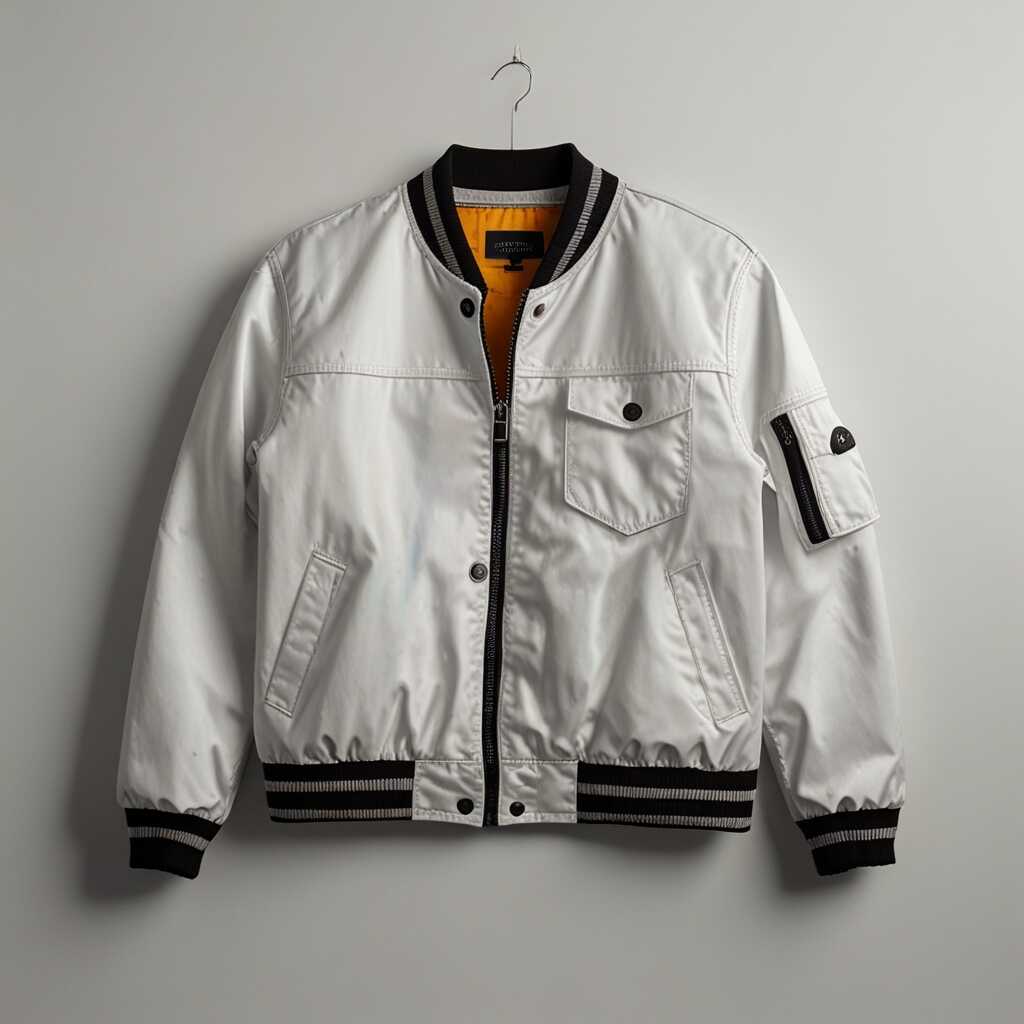
Mold on leather goods can develop unexpectedly. Look for dark spots or fuzzy growth, which are clear signs of mold spores. Another early indicator is an unusual, musty odor. The presence of moisture, especially in humid environments, enhances mold growth. Leather items stored in areas with poor air circulation are at higher risk. Take action at the first sign to maintain the longevity of your leather goods. Regularly checking temperature and humidity levels can help you manage the conditions that support mold growth and ensure effective leather care.
Identifying Mold Growth Conditions on Leather
Humidity and temperature significantly impact mold growth on leather items. Mold thrives in environments with over 60% humidity and temperatures above 70°F. Storing leather goods in well-ventilated areas is essential for prevention. Use a dehumidifier in closed spaces to control moisture levels. Leather shelving units can enhance air circulation, further reducing mold risk. Regularly inspect your leather goods under good lighting to spot early signs of mold. Proper leather storage techniques include using breathable dust covers for added protection against mold growth. These methods can help keep leather goods in excellent condition.
Key Numerical Insights for Leather Goods Preservation
- Leather maintains its quality with a 40-60% relative humidity level.
- Store leather goods in temperatures between 60-75°F for optimal protection.
- Inspect your leather items at least once a month to catch mold early.
- Use a leather conditioner every 3-6 months to keep it supple.
- Observe the golden rule: 1 hour of sunlight exposure can dry out leather quickly.
- Avoid storing leather in cardboard boxes as they trap moisture.
- Using breathable dust covers reduces mold risk significantly.
Choosing Effective Storage Solutions for Leather Goods
Using the right containers is essential for effective storage of leather goods. Breathable storage solutions, such as cotton or canvas bags, help maintain airflow. Avoid plastic, as it traps moisture and leads to mold growth. For optimal protection, keep your leather items in dedicated storage boxes made from breathable materials. Ensure that these storage solutions are designed to manage humidity levels, which should ideally be around 40-60%. This range enhances leather maintenance by preventing moisture damage. Consider using desiccants, like silica gel packets, in your storage area to further control humidity. These solutions provide the reliability and performance needed to keep leather looking great.
Best Practices for Maintaining Humidity Levels
Maintaining optimal humidity levels ensures durability and preserves the quality of leather goods. Ideal humidity levels for leather storage should be between 40% and 60%. Using hygrometers can help monitor humidity in storage spaces. Incorporating desiccants, like silica gel, can effectively absorb excess moisture, reducing the risk of mold. Store items in a dark, cool area to further maintain conditions that leather thrives in. Regular checks and adjustments will provide a reliable environment for leather, ensuring that your pieces remain flexible and in excellent condition.
How to Properly Clean Leather Before Long-Term Storage
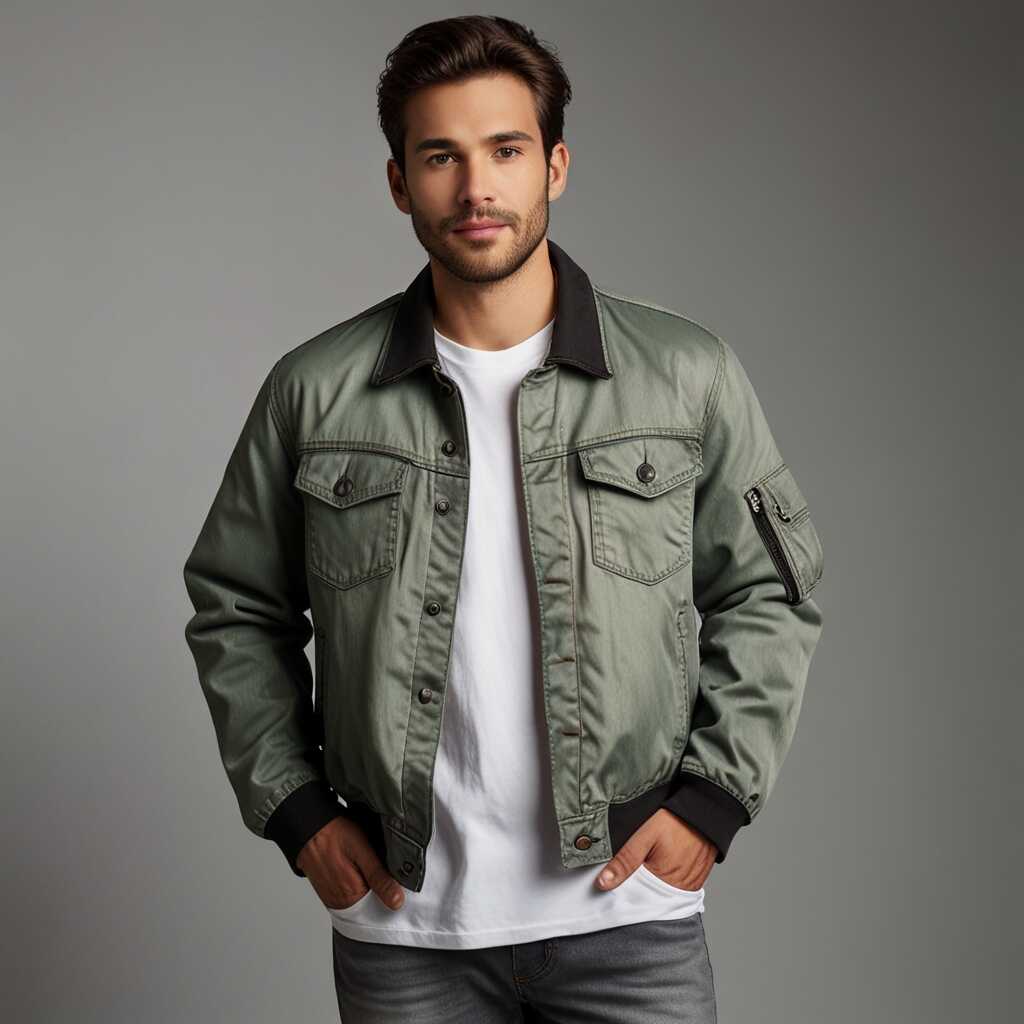
To clean leather goods before storage, start with a soft, dry cloth to remove dirt and dust. Use a damp cloth with mild soap to gently wipe the leather surface, ensuring you don’t soak it. Focus on high-contact areas like straps and corners. After cleaning, dry the item with a clean cloth and let it air dry completely. Different cleaning products impact leather differently. Use designated leather cleaning solutions to avoid damage. Ensuring that leather is clean prevents contaminants that may lead to mold growth during storage. Ideally, maintain a cool, dry environment between 60°F and 80°F while cleaning.
Choosing the Right Cleaning Products for Leather
Choosing suitable cleaning products for leather is essential for effective mold prevention and maintaining quality. Look for pH-balanced leather cleaners designed specifically for genuine leather. Avoid products containing alcohol, ammonia, or harsh chemicals that can dry or damage the leather. Leather conditioners also provide moisture and flexibility, preventing material deterioration during storage. Apply conditioner after cleaning to enhance flexibility and protect against mold. Following these guidelines helps ensure the longevity of your leather goods and enhances their overall durability.
Advantages of Proper Leather Storage Techniques
- Maintains the durability of leather items through proper care.
- Prevents mold growth by controlling humidity and airflow.
- Enhances aesthetic appeal with clean, well-maintained products.
- Ensures longevity by actively preserving flexibility and shape.
- Protects investment by reducing the need for costly repairs.
- Supports sustainable fashion choices by prolonging product lifespan.
- Gives peace of mind, knowing your leather is in optimal condition.
Keeping Leather Soft and Flexible Over Time
Maintaining leather softness is critical to keeping leather goods flexible and extending their lifespan. Regular leather conditioning techniques should include using a high-quality leather conditioner and cream specifically designed for the type of leather you own. Leather hydration methods involve slightly dampening the leather before applying a conditioner. This helps the leather absorb the product more effectively, ensuring a more profound treatment. Best leather care products can include those containing natural oils and waxes, as they provide essential nutrients to the leather. Conditioning leather once every three to six months helps keep it soft and prevents it from cracking.
Essential Leather Conditioning Techniques
Employing essential leather conditioning techniques can significantly enhance the durability and comfort of your leather goods. Begin by choosing the right leather care products that suit your specific leather type; for instance, full-grain leather often requires more hydration than suede. Always test a small, inconspicuous area first to ensure compatibility. Apply the conditioner in a circular motion to facilitate even absorption. For best results, let the conditioner sit for at least 30 minutes before buffing the surface with a soft cloth, which will help lock in moisture and enhance flexibility. This expert approach helps ensure that your leather remains reliable and attractive over time.
Debunking Common Misconceptions About Leather Storage
Many people believe leather should be stored in a completely dry environment. However, completely dry conditions can lead to cracking and brittleness. The right humidity level is crucial for good leather care. Another misconception is that leather does not need airflow. In fact, lack of airflow can promote mold growth. Additionally, some assume leather can be stored in any temperature. Extreme temperatures can damage the fibers. Understanding these myths helps ensure the longevity of your leather goods.
Understanding Temperature and Humidity for Leather
Maintaining optimal temperature and humidity is essential for effective leather care. The ideal humidity level for leather storage is between 40% and 60%. This range helps prevent mold while keeping leather soft and supple. Storing leather goods in a cooler room—ideally between 65°F and 75°F—ensures reliability in avoiding damage. Always consider using climate-controlled storage options if you live in an area with extreme weather. Incorporating dehumidifiers or humidifiers helps manage these conditions effectively for long-lasting quality.
Notable Brands and Their Impact on Leather Storage Practices
- Coach offers leather care kits, promoting easy maintenance for users.
- Leather Honey features conditioners known for extending leather lifespan.
- Fjällräven produces durable leather items and emphasizes eco-friendly storage.
- Patagonia raises awareness about leather care in sustainable fashion.
- Moosejaw combines outdoor durability with leather advice for adventurers.
- Cons of some brands include higher prices due to quality; however, they guarantee long-term durability.
- Demographics like sustainable fashion advocates and fashion professionals consider these brands essential for quality maintenance.
Recommended Products for Caring for Leather Goods
To maintain leather goods effectively and prevent mold growth, select high-quality leather care products that provide conditioning and protection. Brands like Leather Honey, Bickmore, and Fiebing’s are excellent options. These products have received positive reviews for their reliability and performance. Leather Honey is known for its deep conditioning, while Bickmore provides an impressive water-resistant finish. Regular application is essential. For best results, treat your leather goods every three to six months.
Essential Features of Top Leather Care Products
Top-rated leather care products focus on quality and efficiency. Seek high-quality leather cleaners that offer easy application and effective mold prevention solutions. Conditioning treatments should enhance the leather’s flexibility and prevent cracking. Products with natural ingredients are often preferred due to their gentleness on leather. Incorporating proven leather protectants will help repel moisture and dirt while ensuring items remain in excellent condition. Consider products with excellent user reviews for added reliability.