
Choosing the right clothing weights for every season and climate is essential for comfort and style. Understanding how different fabrics and weights perform can help you navigate diverse temperatures and microclimates. At Yuppieplaza, we provide tips to assist you in selecting appropriate clothing that enhances your wardrobe choices. This guide will empower you to make informed decisions, ensuring your outfits are both stylish and suitable for any weather condition.
Understanding the Crucial Role of Clothing Weights in Comfort
Choosing the right clothing weight is essential for comfort in varying climates. Lightweight fabrics, like cotton and linen, promote breathability in warm weather. Medium weights, including blends, offer versatility for transitional seasons. Heavyweight fabrics, such as wool, provide warmth and durability in colder climates. Each weight can enhance aesthetics by contributing to a garment’s drape and overall appearance. Selecting the best fabric weight supports comfort and meets style needs, ensuring a great fit for daily activities.
Impact of Fabric Weights on Wearability
The weight of a fabric plays a critical role in its wearability. Lightweight options, like chiffon, flow easily and suit warm weather events. Medium fabrics, such as poplin, balance structure and comfort for everyday wear. Heavyweight materials, like denim, add durability, perfect for colder months and more rugged activities. A reliable understanding of fabric weights enhances outfit choices, promoting confidence and ensuring comfort throughout various seasons. This knowledge transforms casual wear into stylish and practical attire.
Seasonal Variations and Their Influence on Clothing Selections
Understanding seasonal clothing variations is essential for maintaining comfort and style. Summer clothing typically uses lightweight, breathable materials that enhance airflow. In contrast, winter requires heavier, insulating fabrics designed to retain warmth. When considering microclimates, such as coastal or mountainous areas, clothing choices become more nuanced. Coastal environments might have variable humidity levels, requiring light layers for comfort. In winter, layering is reliable for adjusting to temperature changes throughout the day. Layering helps you adapt to sudden weather shifts, and choosing optimal clothing weights enhances overall comfort.
Adapting Your Wardrobe for Microclimates
Microclimates are unique environmental zones that can significantly influence your clothing selections. In regions with dramatic temperature variations, such as cities experiencing both urban heat and cooler breezes, having a versatile wardrobe is crucial. For instance, lightweight fabrics like cotton and linen are excellent for hot afternoons but can be paired with a warmer layer, such as a fleece or a thermal top, for chilly evenings. Additionally, research shows that synthetic materials can handle moisture more efficiently, making them suitable for unpredictable weather. This adaptability ensures comfort and style regardless of the microclimate.
The Impact of Microclimates on Your Clothing Choices
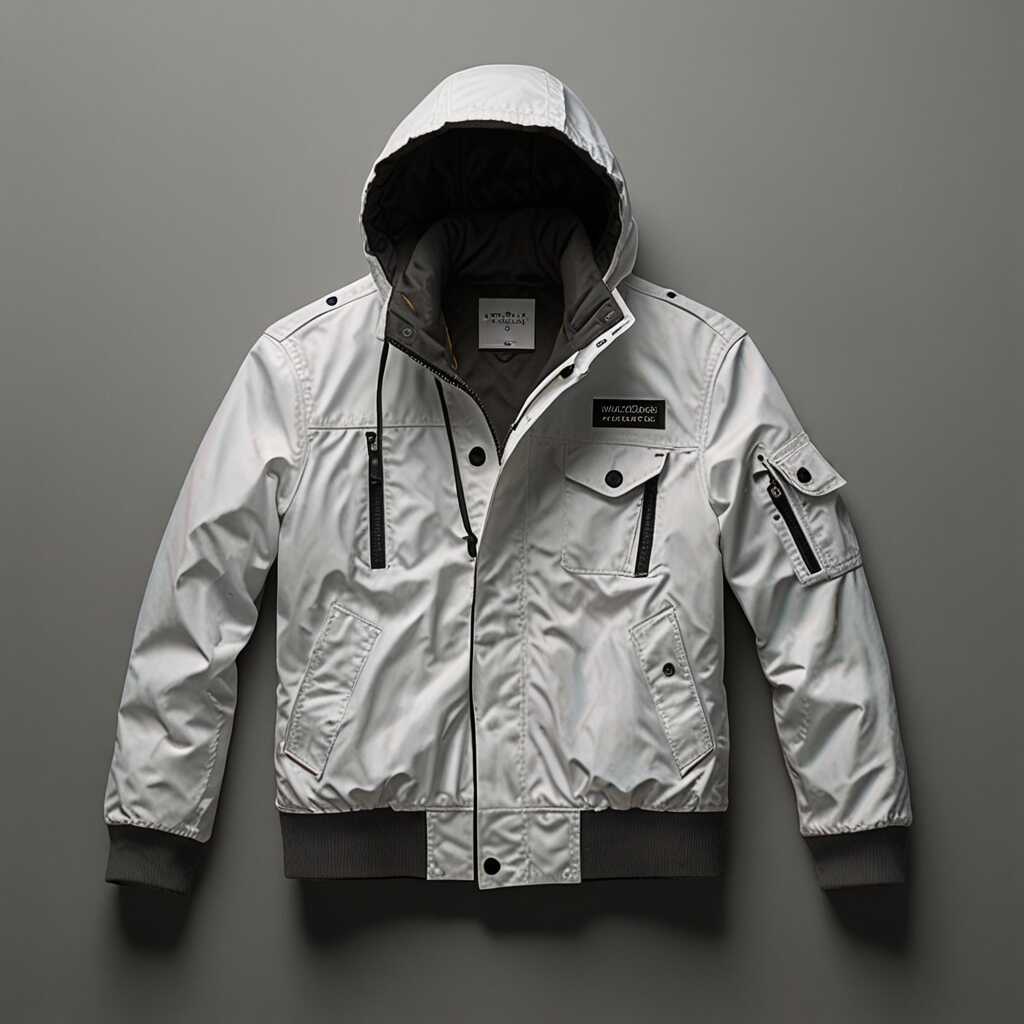
Microclimates can differ significantly within localized areas, greatly influencing clothing preferences. Urban environments may create warmer areas due to concrete and buildings, while parks can be cooler. It is essential to consider how these localized weather variations affect your apparel decisions. For example, transitioning from a shaded park to a sunny street may require a quick change in layers. Utilizing seasonal fabric selection ensures comfort as temperatures fluctuate. When dressing for microclimates, keep a lightweight jacket or breathable clothing handy to handle sudden temperature changes. This approach provides both style and comfort.
Identifying Common Microclimates in Urban Settings
Detecting common microclimates in urban settings significantly enhances your clothing choices. For instance, areas near water bodies often feel cooler than surrounding regions. Similarly, districts with heavy vegetation can retain moisture, creating a microclimate that feels different from nearby neighborhoods. When exploring city parks, you’ll notice cooler temperatures due to shade and wind. Being mindful of these distinctions helps ensure you dress appropriately for the varied climates within the city. A layered approach can improve adaptability, enabling you to transition comfortably between different weather patterns without sacrificing style.
Key Milestones for Seasonal Apparel Selection
- Select clothing weights: aim for different materials suitable for each temperature.
- Consider the temperature range: 70°F and above usually calls for lighter fabrics.
- Quality fabrics can last longer and resist wear: expect a lifespan of 2-5 years.
- Layering can enhance versatility: add or remove layers as needed based on the climate.
- Approximately 70% of your wardrobe should align with your local climate.
- Average transitional items needed per season: about 5-7 versatile pieces.
- Plan for special occasions: keep one or two unique items for events across seasons.
Choosing the Right Fabrics for Diverse Weather Scenarios
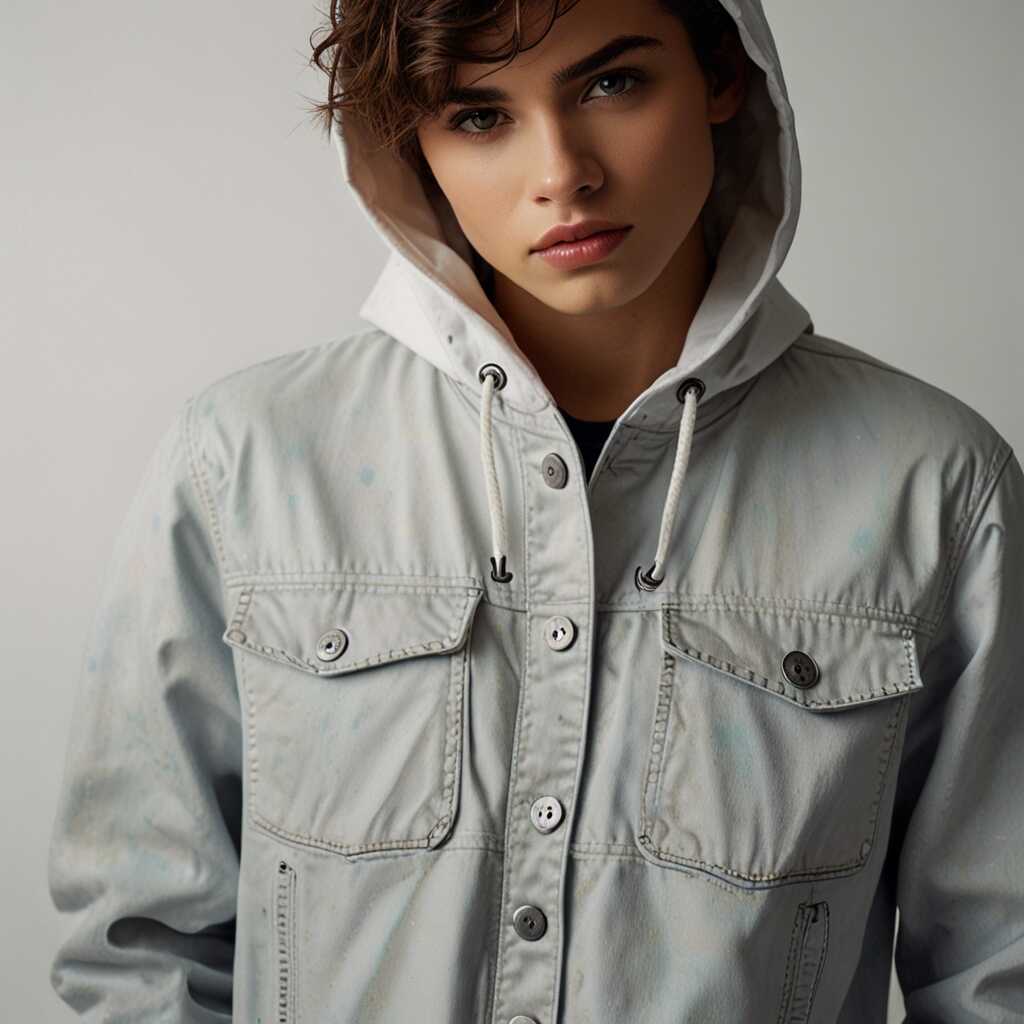
Understanding fabric types is essential for comfort in various weather conditions. For hot weather, breathable fabrics like cotton and linen are ideal because they allow air to circulate. In cold climates, insulating materials such as wool and fleece provide warmth by trapping heat. For wet conditions, moisture-wicking options keep you dry by pulling sweat away from the skin, while durable textiles like nylon can handle the elements. Lightweight garments are useful for layering in unpredictable weather. Research shows that having a variety of these fabrics enables you to adapt easily to changing climates.
Choosing Fabrics for Layering Techniques
Layering is an effective way to regulate body temperature. Base layers should be made of moisture-wicking materials like polyester or merino wool to keep sweat away from your skin. Mid-layers, such as fleece or down, provide insulation and warmth. The outer layer should consist of durable textiles that are wind and water-resistant, like Gore-Tex or nylon, ensuring protection against harsh elements. Research confirms that using the right combination of fabrics enhances overall comfort and performance, allowing you to stay stylish while navigating diverse weather scenarios.

Effective Layering Techniques for Year-Round Comfort
Effective layering techniques utilize various materials to enhance comfort in different climates. The best materials for layering include merino wool for insulation, lightweight cotton for breathability, and moisture-wicking fabrics for active wear. These allow flexibility in adjusting outfits for occasions like casual outings or formal events. Stylish outfits can easily combine a base layer, such as a fitted turtleneck, with a mid-layer like a denim jacket and a final outer layer like a trench coat. For fluctuating temperatures, using three layers is recommended. This setup provides reliable temperature regulation without sacrificing style.
Essential Layering Strategies for Different Occasions
For optimal comfort and style, essential layering strategies combine aesthetics with functionality. A casual look can feature a breathable tank top layered with a lightweight cardigan and a stylish faux leather jacket for colder evenings. For business scenarios, a tailored blazer over a long-sleeve blouse with a silk scarf adds elegance while providing warmth. It’s crucial to choose layering materials that can handle varying conditions. Fabrics like cashmere add a touch of luxury while remaining durable and efficient in different climates. This combination ensures outfits remain comfortable and stylish, regardless of the occasion.
Advantages of Appropriate Fabric Choices
- Choosing correct weights enhances comfort in varying climates, preventing overheating or chills.
- it aids in self-expression and boosts personal style.
- Proper weights improve fabric durability, helping outfits last longer in wear and tear.
- This approach minimizes environmental impact through reduced waste and sustainable practices.
- Smart climactic choices save you time by simplifying daily outfit selection.
- Customized fabrics can improve your overall mood and well-being through comfort.
- Targeted clothing supports an active lifestyle, meeting the needs of sports and leisure.
Assessing Personal Preferences in Clothing Weight
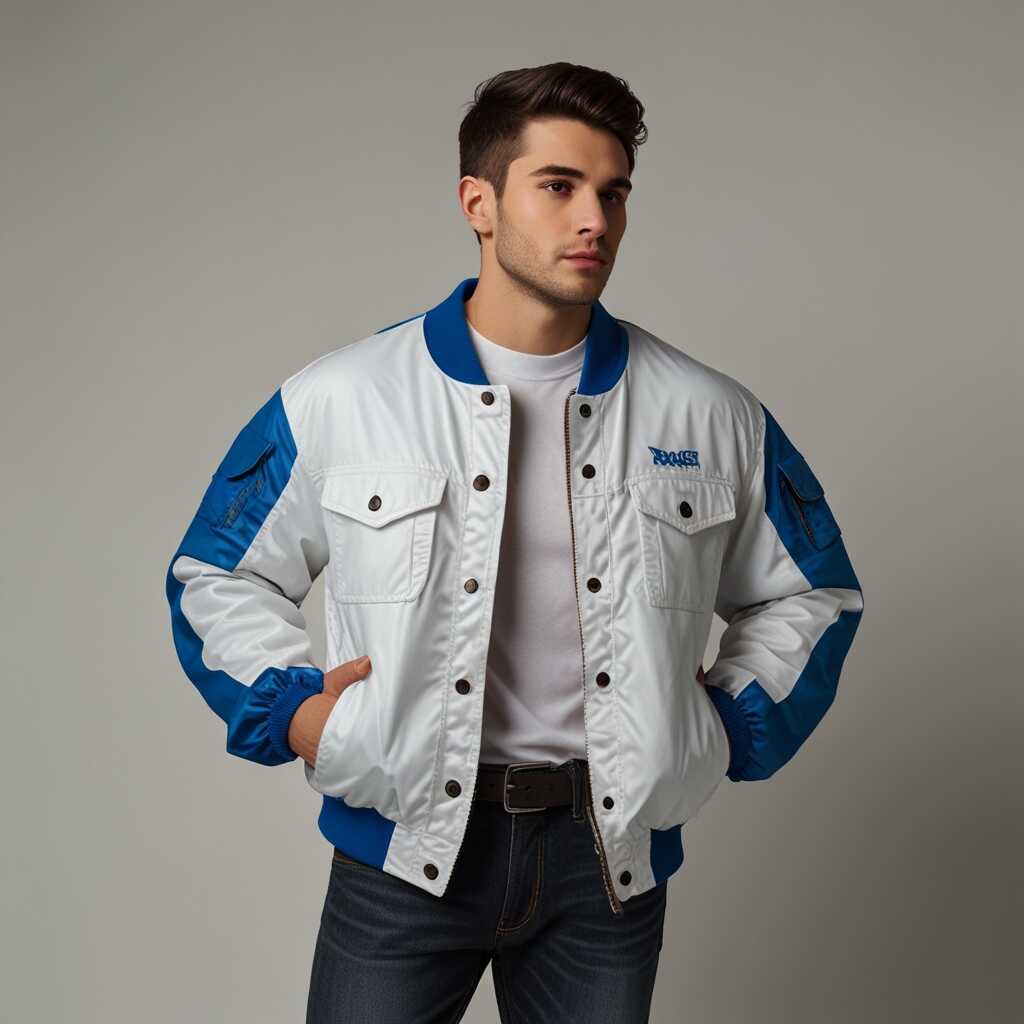
Understanding personal clothing preferences is crucial for selecting outfits that enhance comfort and style. Individual comfort with clothing weight can vary based on a range of factors like fabric types, body shape, and personal taste. Lightweight fabrics such as cotton or linen feel breathable and are often preferred for warm weather. Heavier materials like wool or denim provide warmth in cooler conditions. Evaluating your experience with different clothing weights can help you determine which styles align with your comfort thresholds. Numerous reviews from fellow users can also offer insights into how specific items perform regarding comfort and wearability.
Evaluating Fabrics for Optimal Comfort and Efficiency
When choosing fabrics for clothing, consider how different materials influence comfort and style. Lightweight options like rayon or jersey offer ease and flexibility, making them suitable for summer wear. Fabrics like canvas and flannel provide durability and warmth, great for colder months. Each fabric’s ability to breathe or retain heat plays a significant role in your comfort level. Conducting research and comparing reviews can highlight the performance of various fabrics across temperatures. This knowledge helps ensure you select materials that not only fit your style but also improve your overall wearing experience.
Smart Packing Strategies for Climate Variability When Traveling
Effective packing strategies for varied climates focus on versatility and adaptability. Start by selecting clothing made from breathable, moisture-wicking fabrics. This helps you manage changes in temperature and humidity efficiently. Pack items that can layer well with each other. For colder destinations, include a lightweight jacket that can fit over your base layer. Choose versatile colors and styles that enhance your wardrobe. When traveling to multiple climates, an excellent approach includes designing your packing list around a minimum of three to four core pieces, allowing for numerous combinations. It’s important to ensure each item you pack can handle different weather conditions. Packing cubes can help organize your clothing layers conveniently.
Choosing Versatile Clothing for Travel
Choosing adaptable clothing is essential for comfortable travel. Opt for reversible clothing, like jackets or shirts, providing two styles in one. Fabrics such as merino wool offer temperature regulation, ensuring warmth in colder regions while still being breathable in warmer areas. Prioritize lightweight and quick-drying garments to maintain quality without bulk. Include basic pieces that you can accessorize differently to match your surroundings. This not only saves space but enhances your overall experience with a reliable travel wardrobe. Research local climates to refine your choices quickly. A well-planned clothing selection maximizes your comfort across diverse environments.
Brands or Demographics Embracing Smart Clothing Choices
- Urban dwellers benefit from brands that offer breathable, lightweight fabrics for city life.
- Outdoor enthusiasts prefer robust, versatile clothing that adapts to changing weather.
- Many eco-conscious consumers lean towards brands promoting sustainable materials.
- Fashion-forward individuals enjoy brands that showcase innovative technology in clothing.
- Families often seek affordable lines focusing on layering options for all ages.
- Students benefit from versatile styles that suit classrooms and casual settings.
- Professionals require adaptable office wear that transitions well from day to night.
Sustainable Fashion Choices for Seasonal Wardrobe Updates
When selecting seasonal clothing, prioritize eco-friendly textiles like organic cotton, Tencel, and recycled polyester. These materials reduce environmental impact while providing quality and comfort. Explore sustainable fashion brands that cater to diverse climates, ensuring their collections include options suited for warm summers and chilly winters. According to data, around 66% of consumers seek sustainability in their fashion choices, indicating a significant trend towards environmentally-conscious decisions. Choosing brands that use eco-friendly practices enhances both your style and your commitment to sustainability.
Essential Tips for Identifying Eco-Friendly Fashion Brands
When identifying sustainable fashion brands, look for certifications like Global Organic Textile Standard (GOTS) or Fair Trade. These certifications ensure that brands adhere to strict environmental and ethical guidelines. Additionally, research brands that prioritize using organic materials, renewable resources, and low-impact dyes. Many eco-friendly brands provide transparency about their production processes, making it easier for you to make informed choices. Engaging with brands that highlight their commitment to sustainability can help you build a climate-appropriate wardrobe that aligns with your values.