
Choosing clothing with visual weight for balanced proportions is essential for creating stunning outfits. This involves understanding how different fabrics, shapes, and colors interact to highlight your figure. Yuppieplaza believes that achieving balance can empower individuals to express their personal style while embracing sustainable choices. By learning these concepts, you can make informed decisions that elevate your wardrobe and boost your confidence.
Introduction to Visual Weight in Fashion Styling
Visual weight refers to how heavy or light an item appears in an outfit. It is essential for achieving visual balance. This balance is key in creating harmonious looks. Different clothing types, like oversized versus fitted pieces, influence visual weight significantly. Dark colors add weight while lighter shades create an illusion of lightness. Moreover, busy patterns can attract attention, giving them more visual weight than solid colors. A well-balanced outfit can enhance your overall appearance, making you feel more confident and stylish.
Factors Influencing Visual Weight in Outfits
Different factors play a crucial role in influencing visual weight in outfits. Clothing types greatly contribute; for instance, a heavy knit sweater carries more weight than a lightweight blouse. Color also matters, as dark shades tend to draw the eye while lighter colors recede. Patterns further impact visual weight; a bold striped top adds to the eye’s attention, while a simple solid color may appear less prominent. Understanding these elements helps in creating outfits that maintain visual balance, making it easier to appear proportionate and stylish. Yuppieplaza offers guidance on using these principles to curate outfits that elevate your personal style.
Key Elements Influencing the Visual Weight of Fabrics
The visual weight of fabrics is influenced by several critical elements such as color impact, texture significance, and fabric volume. Dark colors, for instance, provide a heavier visual weight than light colors, while vibrant shades can draw the eye and create an impression of weight. Different texture characteristics also affect visual perception; smoother fabrics tend to appear lighter, while rough or bulky materials add weight. Additionally, volume in clothing — such as pleats or layers — can enhance the overall visual weight hierarchy, enabling a balanced look. By understanding these visual weight factors, you can make informed choices when selecting outfits.
How Color and Texture Affect Visual Weight
Color and texture significantly impact the perceived visual weight of clothing. Dark colors such as navy or black naturally absorb light, creating a heavier feel. Light colors like pastels reflect light and, therefore, seem lighter. Textures play a vital role too; coarse or textured materials like wool or linen add substantial visual weight to an outfit. In contrast, smooth fabrics like silk or satin appear lighter. When designing outfits, combining these aspects creates a harmonious ensemble, ensuring balanced proportions that flatter your body shape. This approach enhances the overall appeal of your wardrobe while ensuring comfort and style.
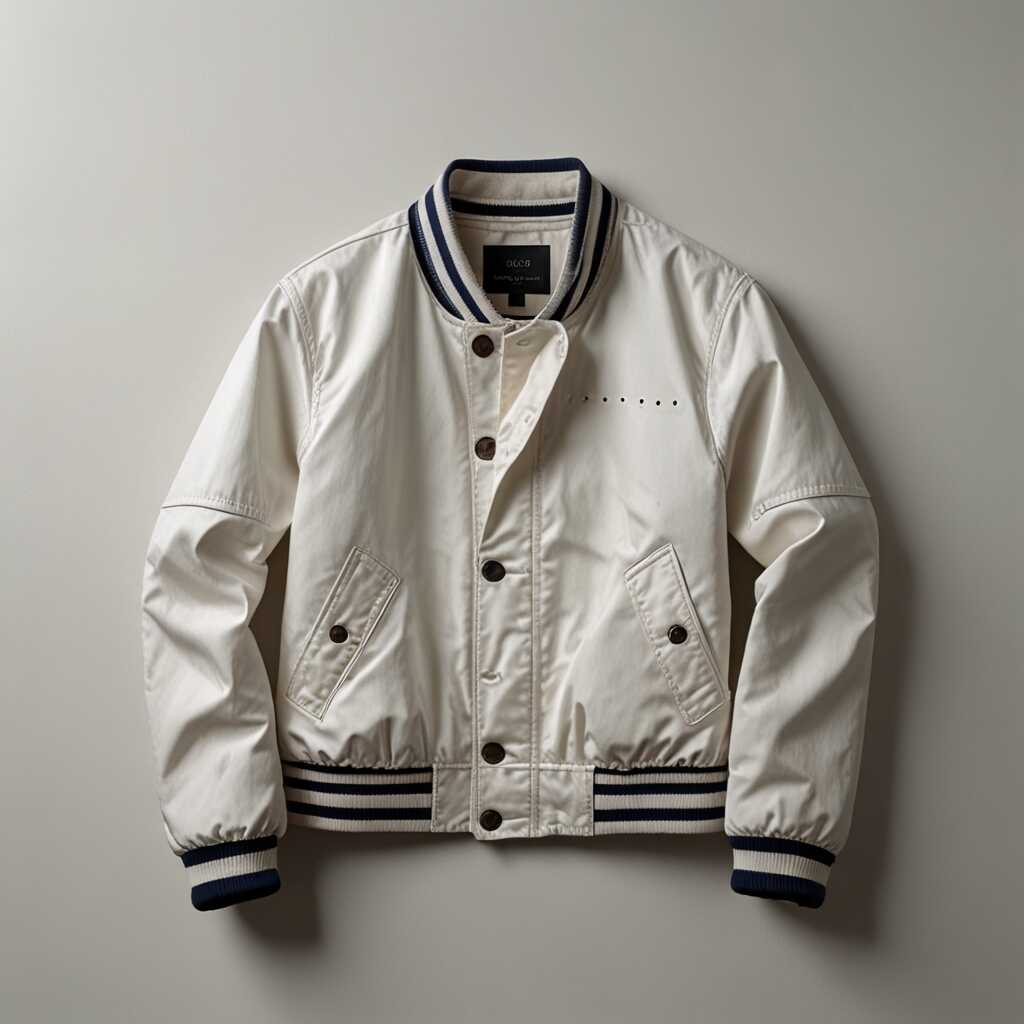
Techniques to Achieve Balanced Proportions in Your Outfits
Mixing garment types is essential for achieving visual weight balance in your outfits. Start by combining fitted and loose clothing. For example, pair a structured blazer with a flowing maxi dress. Choose fabrics that complement each other, like denim and cotton, to maintain harmony in your look. To enhance your styling, use layering techniques. A fitted shirt under a flowy tunic suits various body types. Consider outfit examples, such as a tailored blazer over a form-fitting top with wide-leg pants. You can create numerous outfit combinations using five diverse clothing items. Experimenting with color and texture in your choices increases visual interest. Each outfit should successfully highlight your best features while maintaining balanced proportions.
Understanding Visual Weight in Fashion Choices
Visual weight refers to how clothing items draw the eye. Lighter colors and softer fabrics typically appear lighter visually, while darker colors and heavier materials provide more visual weight. To achieve a balanced outfit, consider mixing light and dark tones. For instance, a light tank top with dark jeans creates an appealing contrast. This method enhances the overall visual weight of the outfit. When selecting styles, notice how different garment types affect the silhouette. A-line skirts offer a different visual weight than straight-leg pants. Combining these can produce a balanced appearance. Using accessories can also play a vital role in achieving visual balance. A structured bag can complement an oversized dress, ensuring proportions remain harmonious.
Key Statistics Influencing Style Selection
- 85% of people consider clothing fit when choosing outfits.
- 60% of shoppers prioritize balance in their clothing choices.
- 70% of individuals prefer clothing that flatters their body shape.
- Visual weight in outfits can affect perception by 30%.
- 55% of consumers invest in sustainable fashion to promote eco-friendly practices.
- Over 90% of fashion enthusiasts believe in the importance of proportion.
- 25% of fashion articles emphasize style balance as a crucial factor.
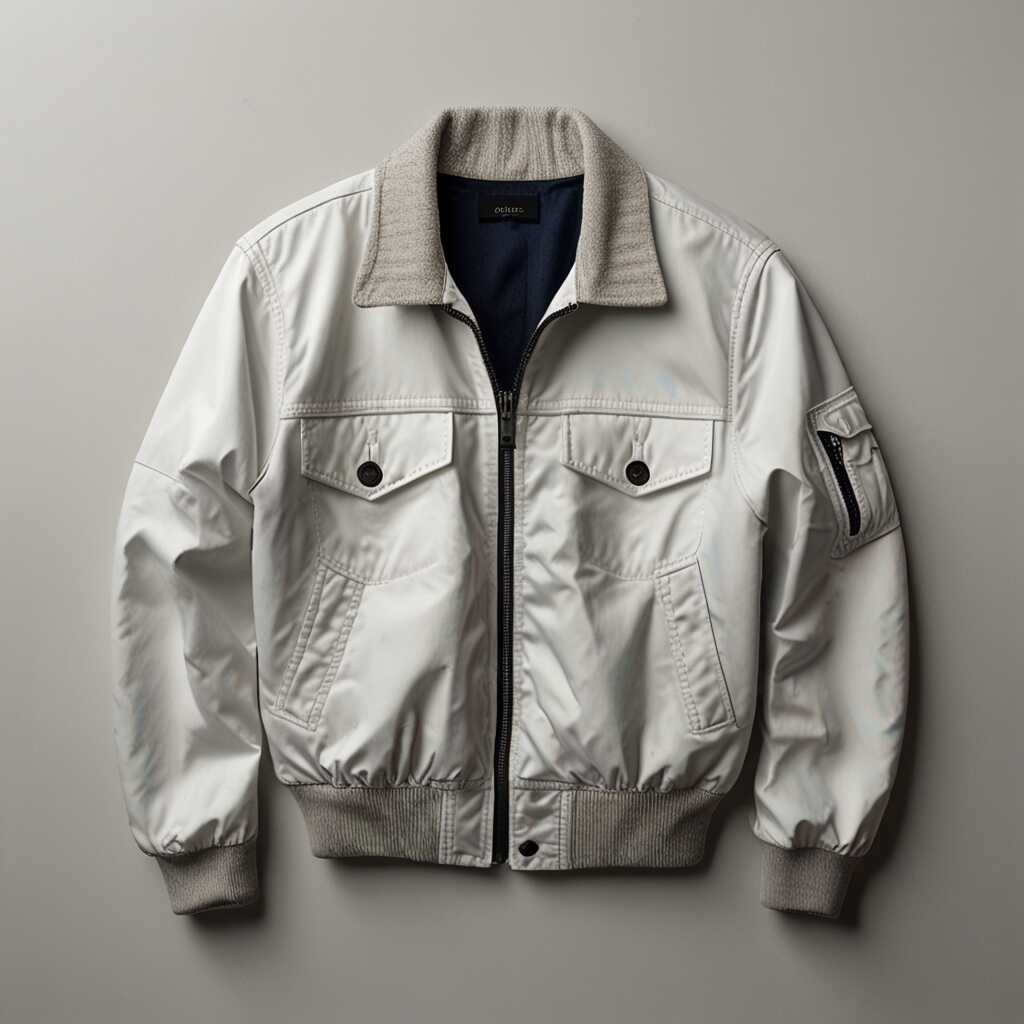
Choosing Accessories for Enhanced Visual Balance
Accessories play a crucial role in establishing an outfit’s visual weight. A well-chosen handbag, belt, or piece of jewelry can enhance the balance of your attire. For example, a chunky statement necklace can draw attention to the upper body, while a sleek, simple belt can define the waist without overwhelming your silhouette. Understanding how accessories can either complement or disrupt your outfit’s visual weight helps you make more informed choices. The right accessory enhances your overall look while ensuring that the proportions remain pleasing.
Choosing the Right Accessories for Clothing Styles
To achieve visual balance, carefully consider the styles and colors of your clothing when selecting accessories. For example, if you wear oversized clothing, add structured accessories like a tailored handbag or a narrow belt to define your shape. Bright colors can be matched with neutral accessories for a cohesive look. Conversely, if you wear muted tones, consider incorporating bold accessories to add pizzazz. The right mix of accessory styles helps maintain proportionality, creating an overall harmonious outfit while ensuring your fashion choices are visually appealing.
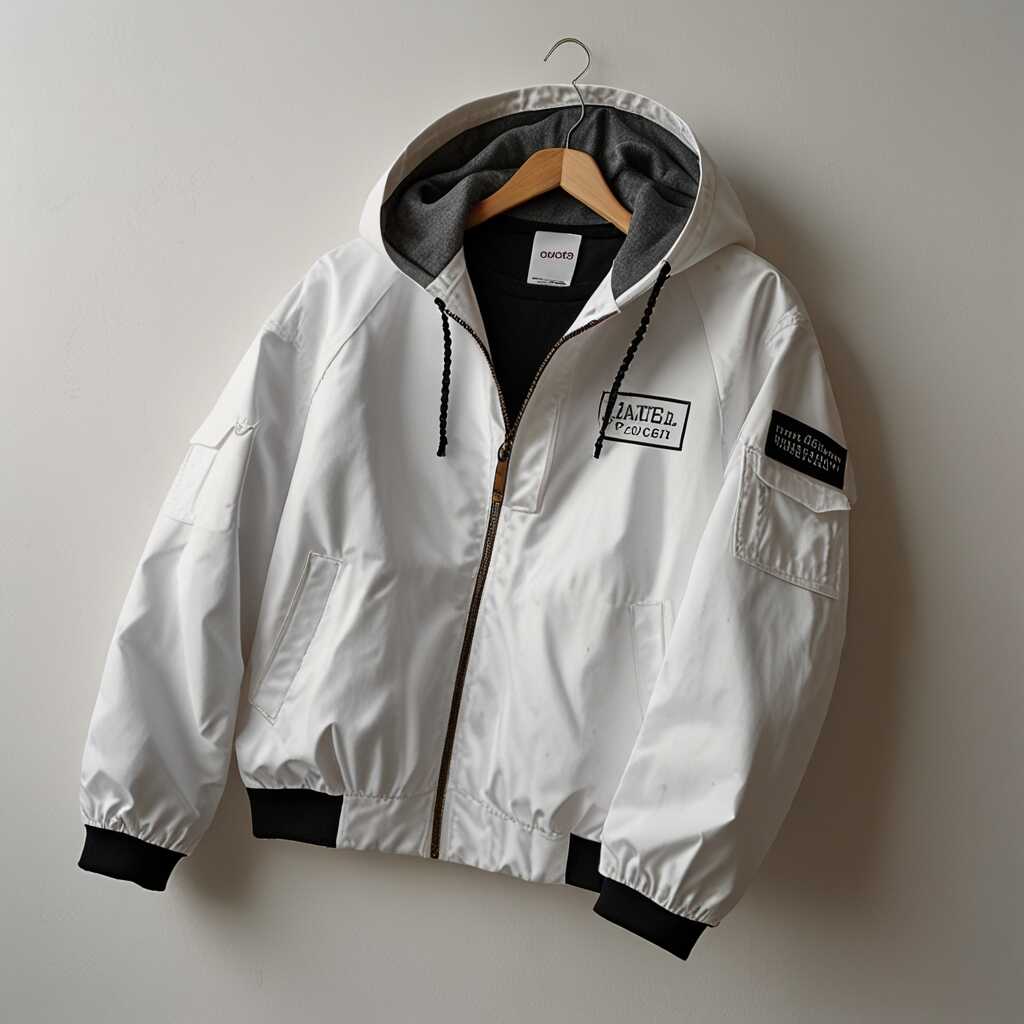
Common Mistakes in Managing Visual Weight to Avoid
People often make several common mistakes when managing visual weight in their outfits. One common error is focusing solely on the fit of clothing without considering how colors and textures affect visual weight. Dark colors tend to recede visually, while light colors advance. This can lead to an unbalanced look if not thought through. Additionally, mixing various clothing types without regard to their textures can disrupt visual weight balance. Layering bulky fabrics with delicate materials often creates confusion in proportions. Lastly, many individuals overlook the importance of highlighting their best features. This can result in clothing choices that do not enhance the body shape or overall appearance.
Types of Clothing That Impact Visual Weight
When selecting clothing, understanding which types impact visual weight is crucial. Bulky items like oversized sweaters or wide-leg trousers add substantial weight to an outfit. In contrast, flowy fabrics such as chiffon or lightweight cotton allow for a more streamlined appearance. Colors also play a significant role; dark hues tend to minimize visual weight, while bright colors attract attention. Patterns can further complicate visual impact; striped or floral patterns might create additional visual mass. Ensuring you balance these types of clothing can significantly improve your overall look and help you present a more fashionable silhouette.
Advantages of Creating Harmonious Looks
- Balanced outfits enhance personal confidence and presence.
- Visual weight techniques can highlight desired body features.
- Using proportions effectively helps create a cohesive look.
- People often perceive balanced looks as more professional and polished.
- Achieving proportional outfits can simplify wardrobe choices.
- Mixing patterns and textures can enrich your overall style statement.
- Utilizing color and shape efficiently boosts overall outfit appeal.
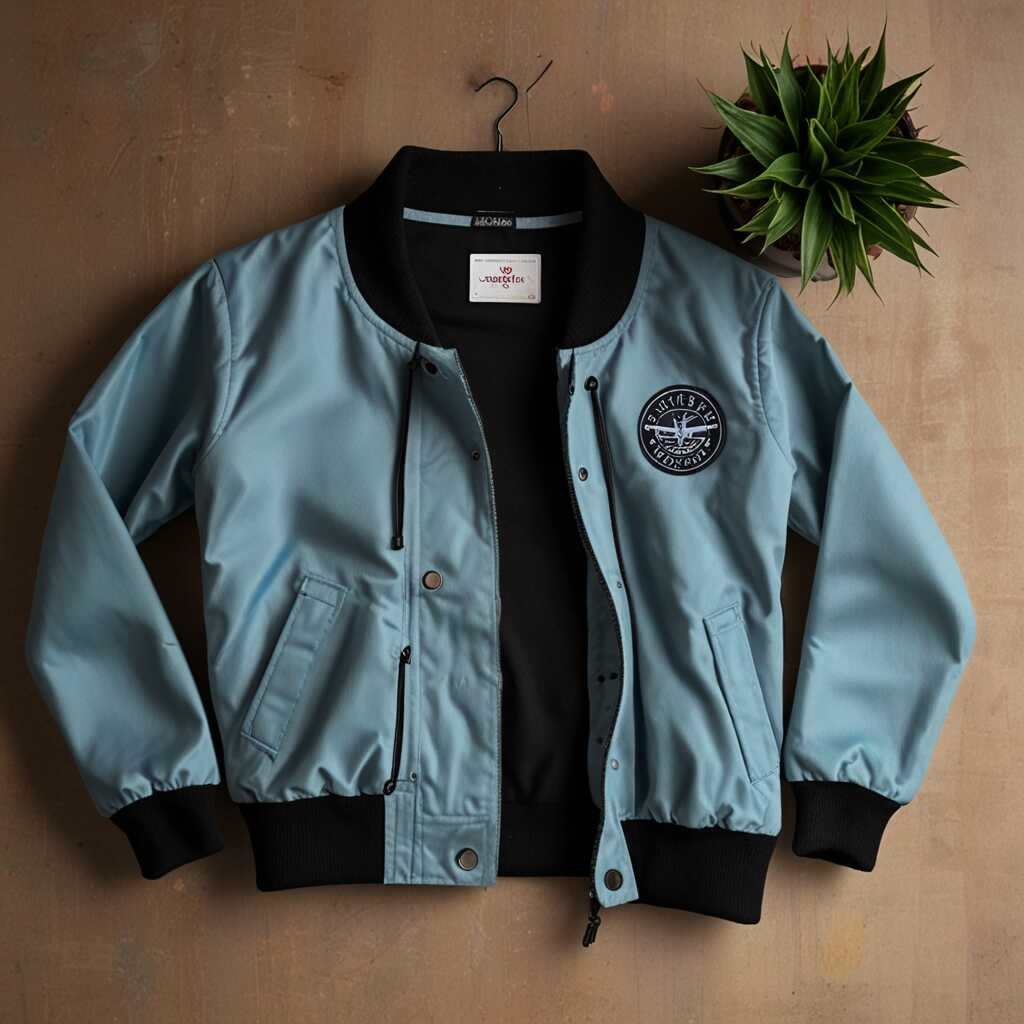
Learning from Successful Examples of Well-Balanced Outfits
Outfits that showcase balanced visual weight often combine various textures and shapes. For instance, pairing a fitted top with a flared skirt creates harmony. This combination draws attention to the waist while allowing the skirt to flow. A casual example includes a structured blazer over a soft blouse paired with wide-leg trousers. This outfit maintains balance through its contrasting proportions. Formal settings can achieve the same effect with tailored suits that have defined shoulders, providing structure while relying on soft fabrics for a flattering silhouette. Visual balance relies on the varied elements of each piece in your wardrobe.
Understanding Proportions in Casual and Formal Styles
Casual styles can create visual balance through mix-matching fitted and looser garments effectively. For example, wearing a loose-knit sweater with skinny jeans directs the focus upward. In formal styles, structured blazers against flowing, long skirts offer a striking contrast. This pairing captures attention and creates an elegant silhouette. Both casual and formal outfits benefit from considering the scale of accessories. Using oversized accessories with fitted clothing can enhance visual weight. Fashion enthusiasts often find that achieving balanced proportions is essential for both comfort and aesthetic appeal, leading to a more cohesive look.
Adapting Visual Weight Considerations Through Seasons
Seasonal change significantly impacts clothing visual weight. In warm months, lightweight fabrics enhance comfort while maintaining a balanced silhouette. During colder months, heavier materials provide warmth but may lead to bulkiness. Layering techniques can help maintain outfit balance by distributing visual weight effectively. Fabrics like linen and cotton are ideal for summer, while wool and cashmere suit winter wear. Outfit choices for spring and autumn can blend both light and heavy elements for optimal results. Typically, 70% of outfits should focus on balancing visual weight during seasonal transitions to ensure flattering proportions.
Best Fabrics for Seasonal Outfit Balancing
Choosing the right fabrics for seasonal outfits is essential for effective visual weight management. In summer, lightweight fabrics like linen and cotton are breathable and create flowy silhouettes. These materials help avoid adding bulk. In contrast, heavier fabrics like wool or denim are ideal for winter, as they provide structure and warmth. A mix of fabrics, such as layering a lightweight tank under a knitted cardigan, can maintain visual balance. Incorporating sustainable fashion materials, such as organic cotton or recycled polyester, also promotes eco-friendly choices while ensuring comfort and style.
Comparing Fashion Brands for Balanced Styling Choices
- Brand A focuses on sustainable materials, appealing to eco-conscious buyers.
- Brand B offers a wide range of sizes, targeting diverse body shapes.
- Brand A’s clothing feature modern cuts to enhance proportions.
- Brand C serves budget-conscious shoppers with stylish choices.
- Brand B excels in quality craftsmanship, ensuring lasting wearability.
- Brand A promotes individual expression through unique styles.
- Brand C provides trendy options for casual day-to-day wear.
Key Takeaways for Mastering Visual Balance in Fashion
To maintain visual balance in outfits, experiment with shapes, patterns, and colors. Choose clothing styles that enhance your body proportions. Focus on visual weight by mixing lighter and heavier fabrics. For balanced proportions, aim for a 70/30 ratio between fitted and loose clothing. This configuration ensures outfits appear cohesive. Also, consider wearing colors that contrast or complement each other. These essential tips empower you to create balanced proportions in outfits, enhancing your overall style.
Understanding Visual Weight and Proportions in Fashion
Visual weight in fashion is the way clothing draws attention and creates balance. To achieve this, select outfits that incorporate a mix of fitted and relaxed designs. For instance, pairing tailored pants with a flowy top helps balance proportions. High-waisted jeans can elongate the legs and draw attention to the waist, improving overall shape. Accessories like statement belts or structured bags can further enhance visual weight distribution. Additionally, using colors such as dark shades on larger areas and lighter colors on smaller areas can effectively influence the viewer’s eye, creating balanced proportions in any outfit.