
Choosing the right clothing textures and scales can beautifully enhance your body shape. By understanding which fabrics and patterns flatter your proportions, you can boost your confidence and style. Yuppieplaza offers practical tips and expert insights to help you select clothing that fits you perfectly. Explore how the right choices in textures and scales can transform your wardrobe and elevate your fashion game.
Exploring the Basics of Texture and Scale in Fashion
Clothing textures refer to the surface quality of the fabric, which can be smooth, rough, shiny, or matte. These textures affect personal style significantly. For example, soft textures like cotton can offer comfort while enhancing a casual look. On the other hand, fabrics like satin add sophistication and elegance. The scale of clothing relates to the size of patterns and pieces. Different body shapes benefit from various scales; for example, smaller patterns can help petite figures appear balanced. Moreover, the correct balance of texture and scale can create flattering styles that enhance confidence and overall appearance.
Understanding the Impact of Scale on Body Shapes
Scale plays a critical role in creating harmonious outfits tailored to body shapes. For example, curvy individuals can benefit from larger prints that complement their silhouette without overwhelming it. In contrast, straight body types often look better in smaller or medium-scale patterns, adding interest without bulk. Fabrics also influence this balance; heavier textures can add dimension but may also emphasize areas one wishes to downplay. By understanding how clothing scales interact with body shapes, individuals can make informed choices that highlight their best features while ensuring a polished appearance.
Understanding Body Types and Their Clothing Needs
This section explains various body types and their unique clothing needs. Understanding body types can help identify which clothing textures and scales enhance personal features. Common body types include apple, pear, hourglass, and rectangle. Specific textures like soft fabrics can create a flattering look for curves, while structured textiles can benefit individuals with lean body types. It’s essential to recognize your unique shape to choose supportive clothing. Aim for at least three styles that fit your body type to diversify your wardrobe effectively.
Flattering Textures for Different Body Types
Selecting the right textures can significantly improve your style. For pear-shaped individuals, fabrics like jersey or cotton drape nicely over the hips while providing comfort. Hourglass figures may benefit from structured materials like twill or denim, emphasizing their balanced proportions. Apple-shaped bodies often find comfort in lighter, flowy fabrics such as chiffon that create a sense of movement. Rectangle body types should explore tailored materials that enhance curves, often seen in disc-cut and darted designs. Each body type needs a tailored approach to textures, ensuring a flattering silhouette that resonates with personal style.
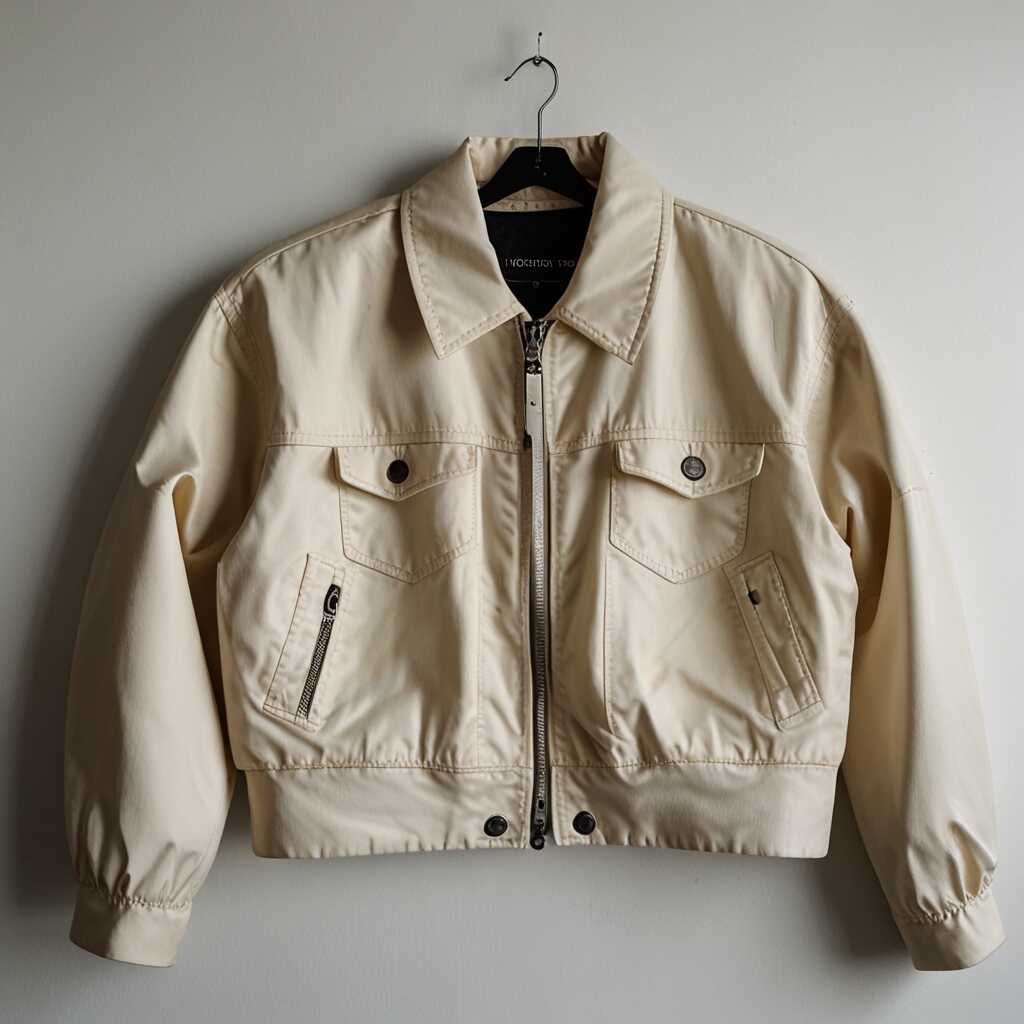
Selecting Textures to Enhance Your Unique Features
Different fabric textures play a vital role in accentuating or softening your personal features. For example, soft fabrics like jersey can hug your curves and create a flattering silhouette. Structured textures such as cotton blends or denim offer support and can define your shape. If you have a petite frame, opt for lighter fabrics like chiffon that flow without overwhelming. Fuller shapes look great in thicker materials that provide stability. Consider fabrics like velvet or modal for a luxurious feel while promoting confidence. Various textures, from smooth silks to textured knits, can elevate your style while ensuring a perfect fit.
Choosing Fabric for Your Specific Body Shape
Selecting the right fabric is crucial for showcasing your unique body shape. Hourglass figures benefit from stretchy materials that accentuate curves without losing comfort. A-line silhouettes, like pear shapes, should choose textured fabrics that can add structure without adding bulk. If you have an athletic build, opt for soft materials that create a sense of femininity, like lace or drapey knits. Your fabric choices should support your proportions while enhancing style. By focusing on how textures interact with your shape, you ensure a stylish wardrobe that improves your confidence every day.
Essential Statistics for Making Fashion Choices
- 77% of individuals feel more confident in clothes that suit their body type.
- A study shows that 65% of people choose clothing based on fit rather than style.
- 68% of women prefer textured fabrics for making their outfits more appealing.
- Only 22% of shoppers understand how to use scale to flatter their figures.
- 56% of fashion experts recommend focusing on proportions to enhance looks.
- 79% of consumers prioritize comfort alongside style when selecting outfits.
- 93% of shoppers feel that suitable clothing choices positively affect their mood.
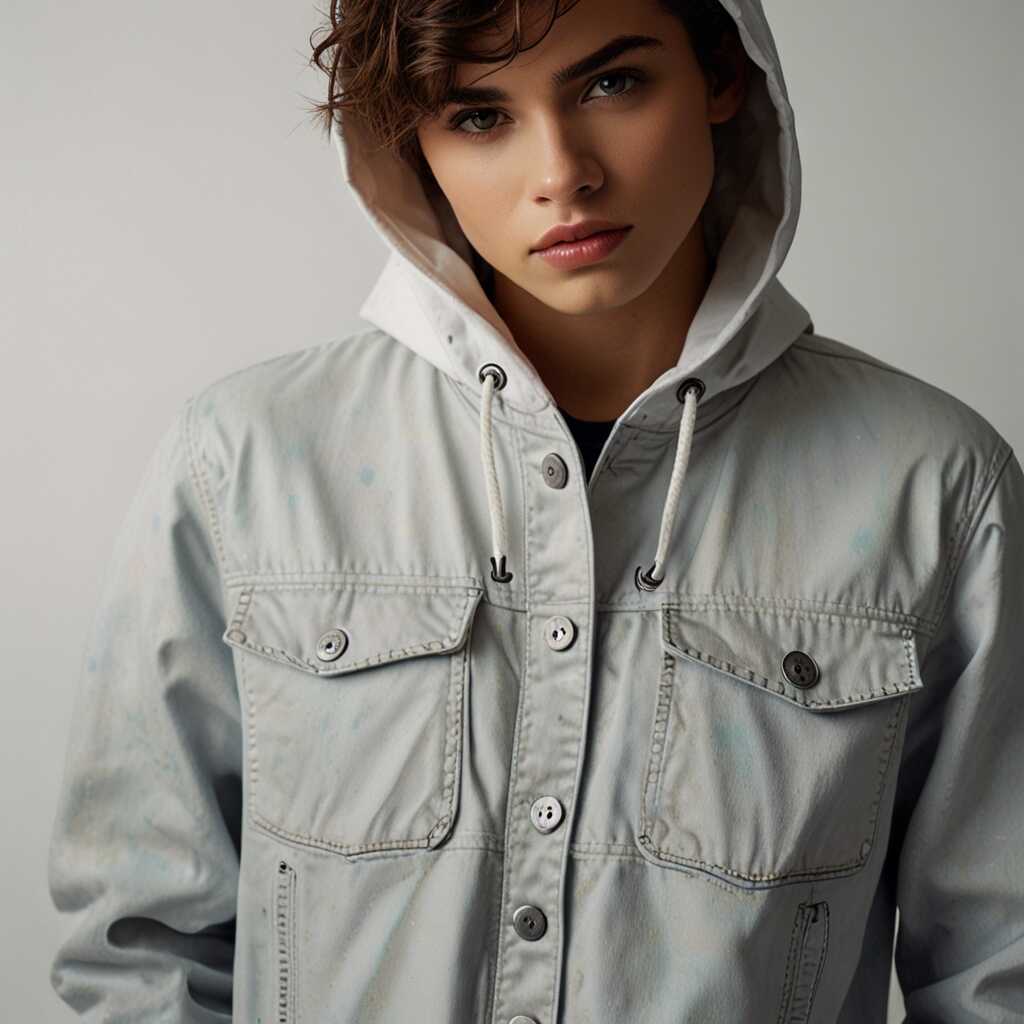
Using Scale Effectively for Outfit Composition
Scale in fashion refers to the size and proportion of patterns and textures in clothing. It impacts outfit composition significantly. By understanding how different scales work together, you can create visual balance. For example, pairing bold patterns with subdued textures can ensure harmony in an outfit. A floral dress with large prints works well when matched with a solid cardigan. This combination allows the eye to move across the outfit smoothly while emphasizing the bold elements without overwhelming the overall look. Consider using oversized accessories with fitted clothing to achieve a balanced silhouette.
Pairing Techniques for Bold Patterns and Subdued Textures
When pairing bold patterns with subdued textures, consider the color palette. Use colors that complement each other to maintain visual harmony. For instance, a striped shirt in vibrant hues can be paired with a soft, neutral-toned pants. This method enhances your outfit by ensuring that the bold elements stand out, while the subdued pieces provide a grounding effect. Textures play a crucial role too; a chunky knit can tone down a printed blouse, balancing the outfit further. Always aim for proportions; if you wear a large patterned skirt, opt for a fitted solid top. This creates an effective distribution of scales throughout your look.
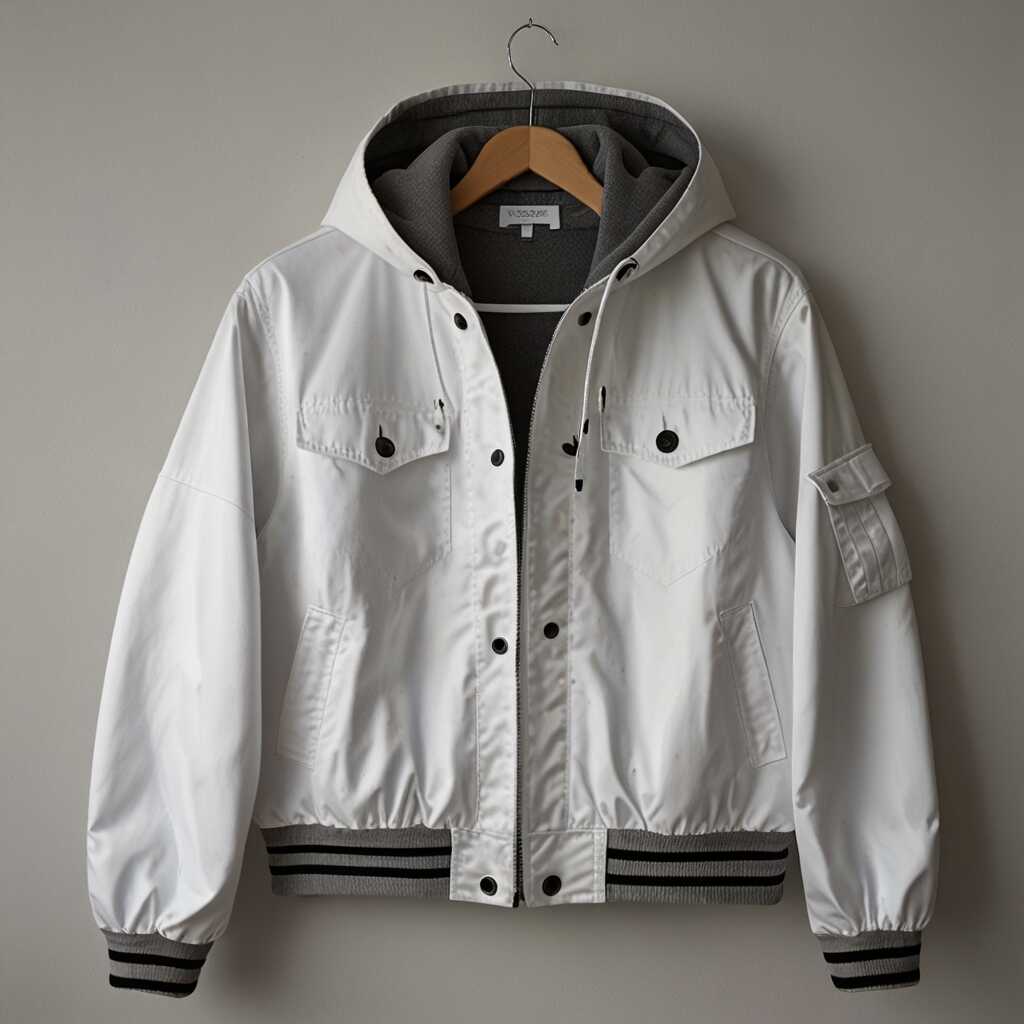
Techniques for Mixing Textures in Outfits
Mixing textures in outfits enhances your overall look and improves personal style. Start by contrasting different fabric types. For example, pair soft fabrics like silk with sturdy materials such as denim. This balance creates an interesting visual effect. Utilize layering to combine textures effectively. A wool coat over a cotton shirt provides depth and warmth. Consider the scale of textures. Smaller prints work well with larger, bold textures to maintain equilibrium in your look. Take advantage of accessories, like a textured scarf or a beaded handbag, to add flair without overwhelming the outfit.
Achieving Balanced Looks with Texture
To achieve balanced looks with varying textures, focus on the visual weight of your fabrics. Choose lightweight textures to layer underneath heavier ones. For instance, sheer fabrics like chiffon work beautifully under structured pieces like a leather jacket. Mixing matte textures with shiny materials also creates a stunning effect. Try pairing a matte finish dress with shiny leather boots to enhance the outfit. Avoid overwhelming contrasts. Select one bold texture as a focal point. Ensure other pieces complement that choice, maintaining a cohesive look. Well-planned texture combinations improve style confidence and personal expression.
Advantages of Choosing the Right Fabrics and Patterns
- Flattering textures create highlights and shadows that enhance body shapes.
- Choosing the right scales can create visual balance and harmony in outfits.
- Textured fabrics can add depth, making outfits more visually interesting.
- Correct scales can draw attention to best features, boosting self-esteem.
- Fashion-savvy individuals often report better social experiences with tailored outfits.
- Wearing suitable textures can improve comfort, making outfits enjoyable to wear.
- By picking flattering styles, people often feel more confident in their own skin.

Style Tips Based on Individual Features
Choosing the right clothing textures enhances your features. For warm skin tones, soft textures in earthy colors flatter best. Cooler tones suit smooth fabrics like silk or satin. Your body shape affects your clothing scale. Hourglass shapes look great in fitted styles. Pear shapes benefit from A-line cuts. For hair color, those with blonde hair should try light pastel shades. Brunettes often look good in jewel tones. Redheads shine in greens and blues. Understanding these aspects can help improve your overall style.
Choosing the Right Textures and Colors for Your Skin Tone
For your unique skin tone, selecting the right textures and colors is essential. If you have a warm undertone, go for rich fabrics like cotton and linen in warm shades like peach, gold, and orange. Cool undertones are complemented by smooth, luxurious fabrics such as silk and velvet. Choose colors like blue, green, and lavender. By aligning textures with your skin tone, you ensure an overall harmonious look that enhances your natural beauty.
The Impact of Accessories on Outfit Texture and Scale
Accessories play a crucial role in influencing outfit texture and scale. They provide visual interest and balance to your overall look. For example, chunky jewelry can enhance the texture of a simple outfit, while sleek accessories can streamline a more detailed ensemble. Accessories like belts can help break up layers and create a flattering silhouette, ensuring a polished finish. Additionally, choosing accessories that contrast in texture with your clothing enhances depth and vibrancy in your outfit. A rule of thumb is to aim for accessories that contribute approximately 20% to 30% of your total outfit’s visual weight for balance.
Effective Accessory Pairing for Textures and Scales
Choosing the right accessories is essential for achieving an effective look. Consider your clothing texture when selecting accessories. If wearing a soft, flowing dress, opt for structured accessories like a leather handbag or metallic jewelry to create contrast. If you have a tailored outfit, a soft scarf in a lighter fabric can add warmth and texture. Mixing materials with varying scales, such as delicate earrings with a bold necklace, can create a harmonious look. Stick to a color palette that unifies your outfit and accessories. This strategy enhances your stylish appearance significantly, making you feel confident and fashionable.
Popular Brands and Their Unique Style Perspectives
- ASOS offers a wide variety, appealing to diverse body shapes with innovative designs.
- Zara focuses on trendy, contemporary styles but may lack sizing diversity.
- Everlane promotes sustainability and transparency, attracting eco-conscious shoppers.
- Free People specializes in bohemian styles that cater to creative expression.
- Madewell is known for denim but offers limited options for curvier body types.
- Taralynn often features plus sizes and encourages body positivity among buyers.
- Champions niche fabrics that are breathable, wired, or tech-savvy for various needs.
Summing Up Strategies for a Flattering Wardrobe
The key strategies for selecting clothing that flatters your body shape involve understanding your proportions and choosing the right textures and scales. Look for clothing textures that provide comfort and support while enhancing your curves. Patterns can help in balancing your figure, with strategic placements drawing attention to your best features. Additionally, focus on layering and accessories to add depth to your outfits. Implementing these wardrobe tips, you can create a flattering look that boosts your confidence and aligns with your unique style. Remember, these strategies promote continuous style growth.
Enhancing Your Personal Style with the Right Textures
To enhance your personal style, focus on using clothing textures that flatter your shape. For instance, lightweight fabrics such as chiffon or silk can add flow and elegance, perfect for creating an airy silhouette. On the other hand, structured materials like denim or cotton can offer support and define your figure. If you aim to slim your appearance, opt for darker textures and avoid overly busy patterns that can overwhelm your frame. By testing these diverse fabrics, you can identify which ones best suit your body shape and enhance your overall look.