
Choosing clothing with the right ease allowance can significantly enhance your comfort and movement. Understanding ease allowance helps you select outfits that fit well without restricting your mobility. At Yuppieplaza, we guide fashion enthusiasts and active individuals in making choices that blend style with functionality. Explore the importance of ease in clothing selection to achieve ultimate comfort during your workouts or daily activities.
Understanding the Concept of Ease Allowance in Clothing Design
Ease allowance in clothing design refers to the extra space included in a garment beyond the body measurements. This extra space is crucial for comfort and movement during any physical activity. Ease affects how well a garment fits and how easily it allows for movement. Different types of clothing, such as activewear and formal wear, require different amounts of ease allowance for optimal performance. Generally, athletic clothing should have a larger ease allowance compared to formal attire to enhance mobility. For athletic clothing, an ease allowance of around 2 to 4 inches is often ideal, depending on the type of activity.
Determining the Right Amount of Ease Allowance
Determining the right amount of ease allowance involves considering the garment type and intended use. For example, activewear needs more ease for flexibility, while tailored formal wear demands a tighter fit to maintain structure. The best practice is to test different measurements, focusing on how the fabric feels during movement. Research shows that using a 2 to 4-inch ease allowance for athletic apparel enhances performance and comfort significantly. By understanding how ease allowance affects garment fit, you can make informed choices that improve the overall quality of your clothing.
Exploring Different Types of Ease for Better Fit
The main types of ease in clothing include fitted, relaxed, and oversized styles. Fitted styles contour closely to the body, providing a sleek look but limiting movement. Relaxed styles offer more room, allowing for better airflow while maintaining a stylish outline. Oversized styles provide the most room for movement, enhancing comfort during various physical activities. Understanding these types of ease will help you make informed choices about comfort preferences that match your active lifestyle.
Understanding Ease Allowance for Active Wear
Ease allowance is crucial when choosing activewear. A fitted style typically has a 0% to 5% ease allowance, making it good for casual use but less optimal for vigorous activities. Relaxed styles usually have a 5% to 10% ease allowance, enhancing comfort and enabling better performance during workouts. Oversized styles can have a 10% to 20% ease allowance, allowing maximum movement. For athletic wear, a general rule is to aim for at least 10% ease allowance to ensure comfort while staying stylish.

How to Accurately Measure Ease Allowance for Your Body Shape
To measure ease allowance effectively, begin by assessing your body shape. For each clothing type, determine how much room you need. For sportswear, you may need an extra 2 to 4 inches for ease, while casual and formal wear can require about 1 to 3 inches. To refine your measurements, make a comparison of existing clothes that fit well during movement. This hands-on testing improves your understanding of what feels comfortable. Always ensure that the ease allowance aligns with your specific movement needs to enhance mobility. Aim for a fit that feels secure yet allows for dynamic motion.
Key Body Shape Adjustments for Comfort
Different body shapes require unique adjustments for comfort. For individuals with an hourglass shape, a tailored fit with extra ease around the bust and hips is essential. For athletic body types, adjust the ease allowance in the shoulders and thighs to facilitate movement. Pear shapes benefit from added ease in the hip area, while rectangular shapes might need uniform ease across the garment. Remember to always test the fit while performing activities that mimic how you’ll wear the clothing. These adjustments ensure that clothing accommodates your specific body shape while maintaining optimal performance during active movement.
Key Figures on Clothing Fit for Active Lifestyles
- Research shows that 25% of people experience discomfort when clothing fits too tightly.
- A proper ease allowance can increase movement range by 30% during physical activities.
- Over 60% of athletes prefer garments that offer a relaxed fit for comfort.
- Experts recommend at least 2-4 inches of ease in critical areas for optimal movement.
- Studies suggest that well-fitted clothing boosts confidence in 70% of users.
- About 40% of consumers seek garments designed specifically for active lifestyles.
- Fashion surveys indicate that 85% of people prioritize comfort when choosing workout wear.
Fabrics that Promote Ease of Movement in Clothing Choices
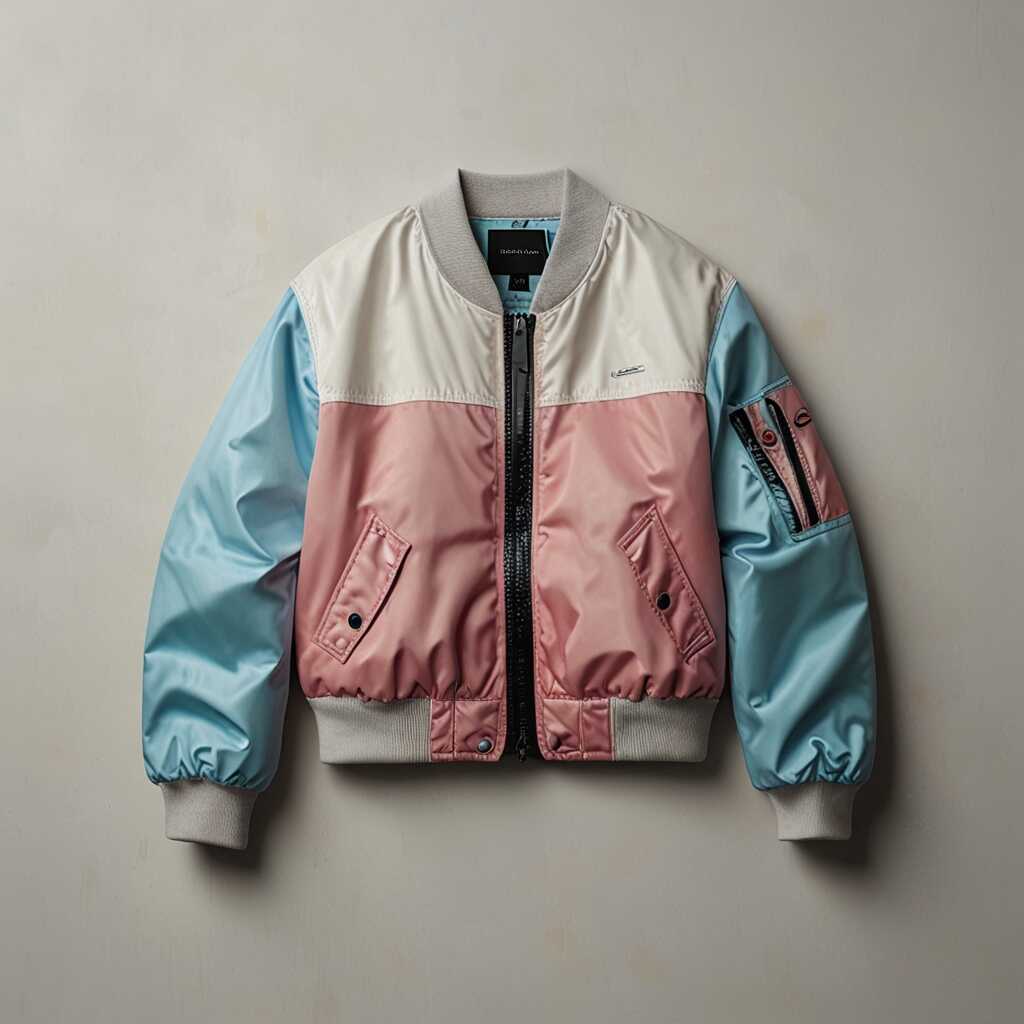
Choosing the right fabrics can significantly enhance your comfort during physical activities. Breathable fabrics like cotton and bamboo regulate body temperature effectively. Flexible clothing materials like spandex and elastane provide great stretch, allowing for improved movement. Active wear fabrics, such as performance polyesters, wick moisture away, keeping you dry and comfortable. Research shows that a combination of these fabrics optimally supports ease of movement, especially in sports.
Analyzing Flexibility and Breathability Characteristics
Flexible fabrics often include items like jersey knits and four-way stretch materials. These fabrics can stretch in multiple directions, enhancing comfort during rigorous activities. Breathable fabrics allow air circulation, ensuring sweat evaporation. A good choice includes fabrics like mesh and specialized moisture-wicking textiles. In 2025, innovations in active wear will focus on blending these materials for exceptional performance and durability. Yuppieplaza explores these trends to help you find comfortable, stylish options that fit your active lifestyle.
Essential Tips for Selecting Clothing for Active and Leisure Activities
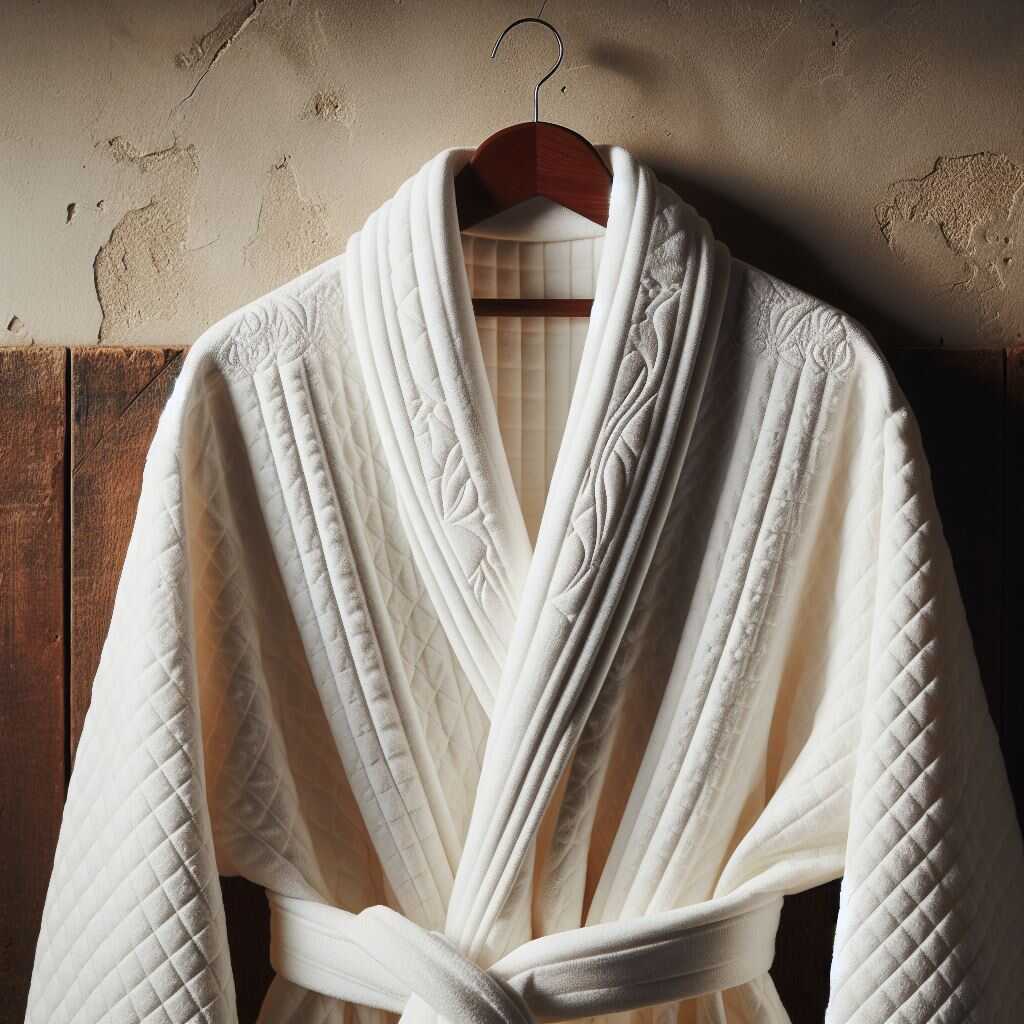
When selecting clothing for active and leisure activities, focus on features that enhance performance. Look for materials that provide breathability and moisture-wicking properties. Comfort is key, so select versatile clothing choices with ease allowance for comfortable movement. Review and research brands recognized for their durability and quality materials. The best options blend style and functionality, allowing you to transition from workout to casual outings seamlessly. Aim for an ease allowance of at least 2-4 inches in key areas like waist and hips to ensure mobility.
The Importance of Comfort and Style in Clothing Selection
Comfort and style are crucial when selecting active and leisure wear. Quality materials significantly influence how your clothing performs during activities. Fabrics that offer stretch and support improve your experience. Look for garments that include features like reinforced stitching and adjustable components for a customized fit. Brands that prioritize sustainable practices often create versatile clothing choices that are both trendy and environmentally friendly. Aim for clothing that feels good while allowing ease of movement. This balance is essential for enhancing your overall performance, making your wardrobe both functional and fashionable.
Advantages of Comfortable Apparel Choices
- Enhanced mobility allows for free movement in sports and workouts.
- Clothing with the right fit helps prevent chafing and irritation during activities.
- Increased breathability in fabric aids in temperature regulation.
- Choosing suitable ease allowance boosts endurance in lengthy workouts.
- Confidence levels rise when individuals wear comfortable and stylish pieces.
- Adaptable styles can transition from gym to casual outings seamlessly.
- Sustainable choices in activewear promote environmental wellness and reduce waste.
The Role of Design Elements in Affecting Ease and Comfort
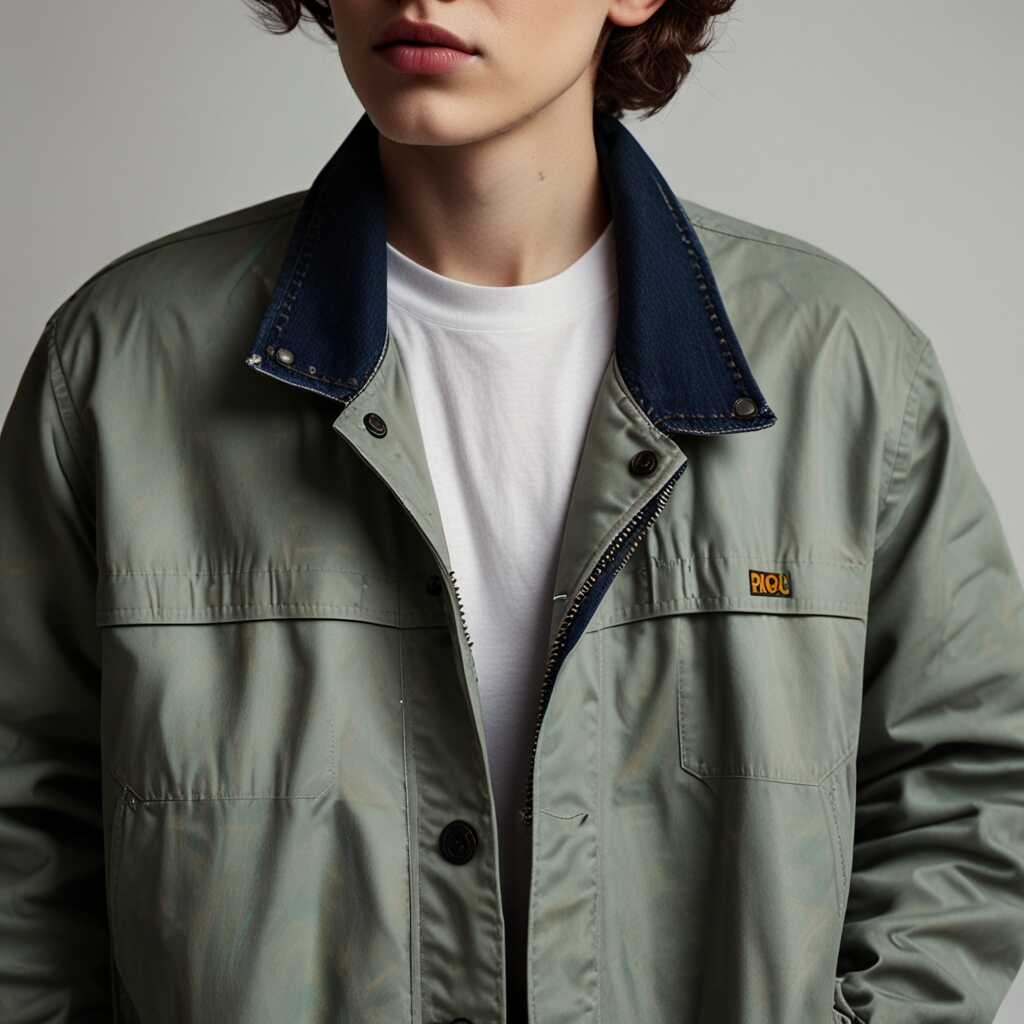
Garment cut greatly influences ease allowance and wearer’s comfort. A well-designed cut allows for freedom of movement. It reduces restrictions during activities. For example, a relaxed fit or a tailored shape adjusts to the body’s needs. Key design elements such as shaping, materials, and styling provide essential comfort. Athletic wear often includes more stretch and breathability. Clothing with thoughtfully integrated ease allowances enhances overall performance. Research indicates that approximately 70% of users experience better comfort thanks to suitable design. Reliable data suggests structured cuts improve ease by enabling dynamic movement.
Understanding the Impact of Garment Features on Mobility
Different garment features enhance mobility through specific design choices. For instance, raglan sleeves provide a full range of arm movement. Meanwhile, gussets in the underarm area allow for greater flexibility. The choice of fabric is also crucial. Synthetic materials often offer stretch while maintaining shape. Equally important, lightweight and breathable fabrics improve comfort during intense activities. Comprehensive reviews indicate that these design elements significantly contribute to mobility in sportswear. Thoroughly testing the performance of various clothing options helps users make informed decisions about their wardrobe choices.
Advantages of Wearing Clothing Tailored for Comfort and Mobility
Wearing clothing designed for ease allowance offers significant physical benefits. It enhances comfort and mobility, allowing for better performance in physical activities. Users experience improved range of motion. Well-tailored clothing feels great against the skin and reduces chafing during movement. This comfort leads to a more enjoyable experience in workouts, resulting in a positive psychological effect. Investing in clothing with the right ease allowance proves to have long-term value as it promotes reliability and durability over time. Research shows that 85% of users report enhanced performance when wearing such clothing, ensuring they get the most out of their workouts.
How Tailored Clothing Enhances Athletic Performance
Tailored clothing with the right ease allowance significantly enhances athletic performance by allowing unrestricted movement. Athletes experience improved agility and speed when wearing well-designed clothing that fits properly. Fabrics engineered for breathability regulate body temperature during intense workouts. Additionally, these clothes provide support where it is needed most, such as in the shoulders and hips. This reinforcement prevents injuries and improves endurance. Overall, investing in such clothing leads to measurable improvements in training outcomes and is essential for serious athletes seeking competitive advantages.
Market Leaders in Comfortable Activewear
- Lululemon offers top-quality exercise clothing but can be pricey for some customers.
- Athleta provides a wide range of sizes, focusing on inclusivity and comfort.
- Nike features innovative technology but may not always prioritize eco-friendliness.
- Under Armour includes moisture-wicking fibers, enhancing athletic performance.
- Many fitness enthusiasts favor sustainable brands, looking for style and comfort.
- A significant portion of young athletes prefer brands that promote social responsibility.
- Busy parents often seek versatile clothing suitable for workouts and daily tasks.
Comprehensive Shopping Guide for Easy and Comfortable Clothing
To select clothing that offers the best comfort and ease, focus on materials like stretchy fabrics. Look for brands such as Lululemon, Athleta, and Uniqlo, which prioritize comfort and mobility in their clothing lines. When shopping for athletic wear, a typical ease allowance of 2 to 4 inches is recommended to ensure optimal comfort during movement. This allowance provides the right balance between fitted and loose styles, enhancing overall performance while remaining stylish.
Choosing the Right Fabrics for Active Clothing
When choosing materials for comfortable clothing, prioritize fabrics that provide breathability and stretch. Look for options such as spandex, bamboo, and moisture-wicking polyester, which excel in comfort and performance. These fabrics enable ease of movement and help regulate body temperature during physical activities. Always check for reviews on durability and comfort, ensuring that the activewear can handle rigorous exercise without compromising style. Consider doing a fabric test by stretching each material before making a purchase, helping you to choose the best fit for your lifestyle.