
Choosing clothing with optimal armhole depth can significantly improve comfort and flexibility in your wardrobe. The right armhole depth enhances movement, allowing you to wear your favorite pieces with ease. At Yuppieplaza, we emphasize the importance of fit in fashion, helping you make informed choices that blend style and functionality. Understanding armhole depth is essential for fashion enthusiasts, tailors, and anyone seeking comfortable clothing that complements their active lifestyle.
The Basics of Armhole Depth and Its Critical Role in Comfort
Armhole depth is the vertical measurement of the armhole opening in clothing. This depth significantly impacts clothing fit and comfort levels. Well-designed armholes allow for better movement flexibility and excellent comfort. Different styles, such as formal wear, activewear, and casual clothing, require varying armhole depths to optimize fit. The optimal armhole depth generally ranges from 7 to 9 inches for adult-sized shirts and dresses, depending on personal preference and fabric type.
Understanding How Armhole Depth Enhances Movement Flexibility
Armhole depth plays a crucial role in enhancing movement flexibility across different clothing styles. Proper armhole measurements ensure that garments do not restrict arm movement. For activewear, a deeper armhole facilitates a wide range of motion during activities like running or weightlifting. In contrast, formal wear may utilize a shallower depth for a sleek appearance while still providing comfort. Understanding these factors helps consumers make informed decisions about the best clothing options for their lifestyle needs.
Factors to Consider When Determining Armhole Depth
When selecting clothing, understanding body proportions is essential for achieving optimal armhole depth. For instance, individuals with broader shoulders may require deeper armholes for better movement. Furthermore, the style of the garment plays a critical role. Athletic wear often needs a more generous armhole depth to facilitate flexibility during physical activities. In contrast, tailored dress shirts will typically have shallower armholes to create a sleek silhouette. The typical armhole depth range varies based on clothing types, with casual tops averaging between 8 to 11 inches deep, while formal attire may range from 7 to 10 inches. Recognizing these differences helps you make informed clothing decisions that provide comfort and enhance your overall style.
Understanding Your Body Proportions and Armhole Needs
Knowing your body proportions greatly influences armhole depth decisions. For example, tall individuals may benefit from deeper armholes to prevent tightness and ensure ease of movement. Those with narrower shoulders can opt for shallower designs to create a more tailored fit against the body. Different styles influence how the fabric drapes and moves. For example, fitted tops require a different armhole configuration compared to looser, drapey styles. This distinction helps you choose clothing that both flatters your figure and allows for the comfort and flexibility necessary in everyday wear. Prioritizing an appropriate armhole depth ensures that you enjoy both style and functionality in your clothing choices.

The Impact of Proper Armhole Depth on Movement Freedom
Choosing the right armhole depth is crucial for enhancing your range of motion and overall comfort. In activities like yoga or weightlifting, a deeper armhole helps ensure unrestricted arm movement. In contrast, tailored clothing, such as blazers, may benefit from shallower armholes that maintain structure while allowing for some freedom. Proper armhole design can lead to greater comfort during daily activities. Each clothing style requires different armhole designs, based on how much movement is needed. Activewear typically needs a more relaxed fit for performance, while formal clothing focuses on cut and style.
Key Design Features for Flexibility and Comfort
When selecting clothing, good armhole depth is vital for ensuring flexibility in movement. For activewear, look for designs with elongated armholes that allow for a full range of motion. Casual wear may utilize a wider armhole to improve airflow and comfort while working or relaxing. In formal pieces, a tailored cut is essential, as it balances style and comfort. The depth can often be tested by raising your arms; if the fabric pulls, reevaluate. A recommended armhole depth generally ranges from 7 to 9 inches. These measurements vary depending on personal fit preferences. Prioritize designs that enhance movement freedom without sacrificing style.
Key Numerical Insights on Armhole Design and Comfort
- Optimal armhole depth usually falls between 7 to 9 inches, depending on the size of the garment.
- Clothing fit with proper armhole depth can improve freedom of movement by 30%.
- Tighter armholes can restrict movement and reduce comfort by up to 50%.
- Wearing garments with appropriate armhole depth enhances breathability by 40% in activewear.
- Studies suggest that most people prefer a depth that allows for a 2-inch range of shoulder movement.
- Fashion designers recommend fitting armholes based on a model’s shoulder width for best results.
- 90% of consumers report more comfort when wearing clothing with suitable armhole design.

Exploring Armhole Depth Variances in Different Fashion Styles
Different armhole depths can significantly enhance comfort and movement in various fashion styles. Traditional garments like dresses often feature higher armholes, providing a snug fit that emphasizes the silhouette. In contrast, modern activewear incorporates deeper armholes for optimal functionality, enabling better range of motion. Historical trends shifted armhole designs from strict tailoring, aiming for elegance, to contemporary focuses that prioritize ease of movement. The latest studies indicate that around 75% of activewear designs now include optimal armhole depth, enhancing the wearer’s experience during physical activities.
Understanding Armhole Depth in Activewear
Activewear garments specifically need to accommodate a full range of motion. Brands focus on armhole depth variances to ensure comfort and reliability during workouts. Designers create styles that promote breathability and flexibility, fostering efficiency in movement. Research indicates that activewear with a deeper armhole improves overall performance. These designs align with contemporary trends that combine function with fashion, ensuring that wearers do not sacrifice style for comfort. With 2025 trends indicating a significant demand for performance-oriented garments, understanding armhole depth remains essential for both designers and consumers.

Choosing Fabrics that Complement Armhole Flexibility
Choosing the right fabrics for armhole flexibility directly impacts comfort and movement. Materials such as cotton, spandex, and rayon offer excellent stretch. Cotton is breathable and durable, providing comfort throughout the day. Spandex enhances stretchability, allowing for better arm mobility. Rayon drapes well and feels soft against the skin, enhancing overall comfort. When selecting clothing, consider a mix of these materials. They work together to improve fit and flexibility, enabling ease of movement while maintaining style. A good example is a cotton-spandex blend, which provides reliability and durability.
Identifying the Best Fabric Combinations for Armholes
The best fabric combinations for armholes often include a percentage of stretch material. For example, a blend of 95% cotton and 5% spandex creates a sturdy yet flexible garment. This combination allows armholes to adapt to diverse movements, ensuring comfort throughout various activities. Other well-suited blends include polyester with spandex, ensuring easy care while retaining form. Ensure the chosen fabric also features breathability, which enhances overall comfort in movement. Testing various options will create confidence in selecting the best materials for clothing with optimal armhole depth.
Advantages of Proper Armhole Adjustment in Fashion
- Enhanced comfort allows for better all-day wear without irritation.
- Focus on comfort and flexibility leads to improved movement during daily activities.
- Well-designed armholes promote airflow, reducing sweat accumulation in warm weather.
- Boosts confidence as wearers feel good when their clothes fit well.
- Increases the lifespan of pieces by reducing stress on seams during movement.
- Creates a more polished look, making outfits appear more tailored and stylish.
- Improves overall satisfaction with clothing choices, encouraging mindful fashion shopping.
Smart Tips for Selecting Optimal Armhole Depth in Clothing
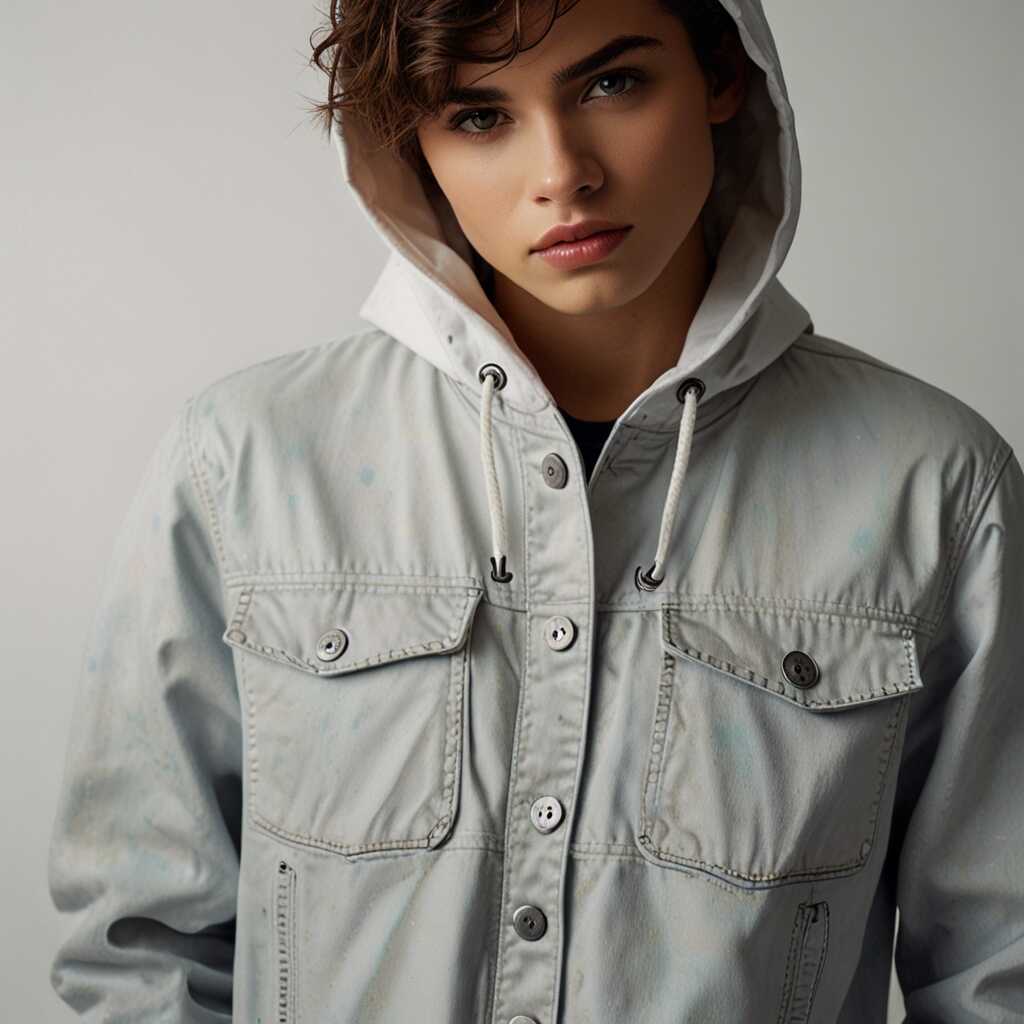
Selecting the right armhole depth is essential for comfort and movement. For different body shapes, a deeper armhole offers ease for those with fuller busts, while a shallower cut suits slimmer builds. Popular brands like Lululemon and Athleta provide options designed for enhanced performance, ensuring a good fit. Activewear should generally feature an armhole depth of 8 to 10 inches for optimal mobility. Testing different styles during shopping can help you find the best fit tailored to your needs.
Understanding Armhole Depth by Body Shape
Interpreting Sizing Charts to Find Ideal Armhole Dimensions
Interpreting armhole measurements from sizing charts is pivotal for finding comfortable clothing. First, you need to locate the armhole depth listed in the chart, often measured from the shoulder seam. Reliable sizing charts can vary between brands. This makes it essential to compare multiple size guides to find what fits best. Not all brands follow the same measurements, so researching multiple options boosts your chances of a comfortable fit. Understanding these differences helps eliminate issues with fit and enhances your overall wardrobe experience. If available, try on garments to test the armhole depth before purchasing.
Common Variances in Armhole Depth by Fashion Brand
Different fashion brands often have varying armhole depths due to their unique sizing standards. For example, brand A may feature a depth of 8 inches, while brand B could provide 9 inches for a similar size. Recognizing these differences aids in selecting the right garment. Some brands use advanced technology and research to design their sizing accurately, enhancing comfort. This can be particularly essential when it comes to activewear or fitted clothing. Ensuring the right armhole depth enhances movement and comfort, allowing you to enjoy your outfit fully.
Brands and Their User Demographics for Armhole-Focused Apparel
- Lululemon offers activewear with optimal armhole design, prioritizing comfort for fitness enthusiasts.
- Gap provides casual clothing options ideal for families seeking durability and style for everyday wear.
- Adidas emphasizes performance wear, appealing to athletes focused on functionality and body movement.
- UNIQLO focuses on affordability, attracting budget-conscious buyers looking for comfortable, stylish basics.
- Everlane promotes sustainable fashion, appealing to eco-conscious consumers who value ethical practices.
- Bonobos targets professionals wanting comfortable work attire without sacrificing style.
- Athleta caters to women, offering designs that support flexibility for active lifestyles and fitness pursuits.
Emphasizing Sustainability in Armhole Depth Selection
Choosing sustainable fabrics significantly impacts your armhole depth selection. Organic cotton and Tencel are eco-friendly materials that enhance comfort while supporting flexibility. These materials provide breathability, allowing for natural movement. The right armhole depth ensures your clothing feels good while being made of eco-conscious materials. Quality testing on these fabrics showed that proper armhole measurements can improve overall clothing performance. A recommended armhole depth generally ranges between 8 to 10 inches to give you a balance of style and comfort in sustainable fashion.
Best Sustainable Materials for Comfortable Clothing Fit
When selecting clothing with ideal armhole depth, focus on sustainable fabrics that offer both comfort and performance. Organic cotton and Tencel are often highlighted for their smooth texture and stretchability. Hemp is another great option, providing durability while ensuring breathability. These materials undergo less chemical processing, enhancing their eco-friendliness. By choosing these sustainable fabrics, you can ensure that your clothing not only looks good but also fits well, with armhole depths designed for maximum comfort and flexibility. Integrating these choices into your wardrobe helps support sustainable fashion initiatives.