
Proportional dressing is essential for creating balanced silhouettes that suit your height. This guide offers practical tips to enhance your appearance and confidence through fashion choices. At Yuppieplaza, we believe that understanding your body shape and proportions can transform your style. Discover how to dress proportionally for a polished look that complements your unique features.
The Basics of Proportional Dressing for Every Body Shape
Proportional dressing is essential for enhancing every body shape. It emphasizes how to create balanced silhouettes using clothing that fits properly. Understanding your body shape helps you choose styles that flatter your figure. For instance, pear shapes benefit from A-line skirts that highlight the waist. Apple shapes may prefer outfits that elongate the torso, like V-neck tops. Hourglass shapes can enhance curves with fitted clothes. Rectangle shapes should look for garments that create curves, like peplum tops. Research shows that selecting the right clothing can improve self-confidence by making you feel good in your outfit.
How to Dress for Your Specific Body Shape
Dressing for your body shape requires knowledge and the right clothing choices. For pear shapes, select clothing that balances proportions, like fitted tops paired with flared pants. This helps to emphasize the waist while giving volume to the upper body. Apple shapes should opt for empire waist dresses that fall gently over the abdomen, creating a streamlined appearance. Hourglass figures look great in wrap dresses or tailored blazers that accentuate curves. Rectangle shapes should consider ruffled tops or structured jackets to add dimension. The right choice in styles not only enhances your appearance but can also bring out your best features.
Fashion Strategies for Tall Individuals to Create Balance
Tall individuals can enhance their stature while achieving a well-balanced silhouette with well-chosen outfit elements. Opt for tailored pieces such as fitted blazers and structured tops that define the waist. Pair these with wide-leg trousers or A-line skirts to create a harmonious look. Prints like vertical stripes can elongate your frame further; contrast them with bold, larger patterns on larger accessories to draw attention without overwhelming. When accessorizing, aim for one to two statement pieces like oversized earrings or a structured belt to emphasize proportions without cluttering your outfit.
Choosing the Right Prints and Patterns for Balance
For tall individuals, selecting the right prints and patterns is essential for achieving stylish balance. Vertical stripes can accentuate height, but mixing in larger patterns, such as florals or geometric designs, brings depth to the ensemble. Opt for tops with patterns that fall just below the hip to achieve midsection definition. When wearing skirts or pants, try to stick with solid base colors that ground versatility. Layering pieces with print, like a patterned scarf or bold handbag, can guide the eye vertically, helping to create an impressive, balanced appearance. Embracing playful patterns can enhance personal style while still ensuring a streamlined silhouette.
Effective Dressing Techniques for Short Individuals to Maximize Height
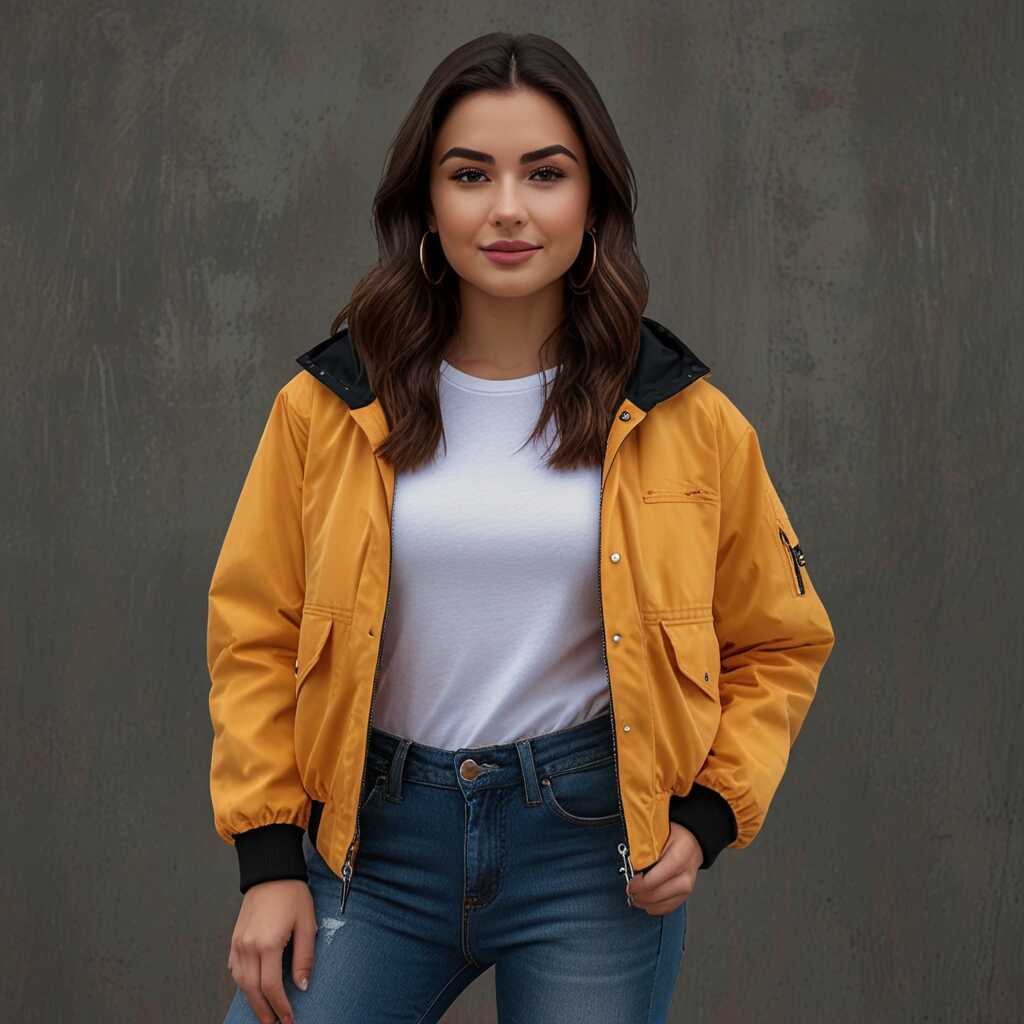
Short individuals can look taller by choosing clothing that emphasizes elongating silhouettes. Flattering cuts, like A-line dresses or high-waisted pants, create an illusion of height. Vertical patterns, such as stripes or pinstripes, extend the visual line of the body, making wearers appear taller. Smart fabric choices are crucial as well. Lightweight, flowy materials like chiffon and silk can enhance the feeling of height, while structured fabrics add bulk. High-waisted styles are essential because they elongate legs and enhance proportions, creating a balanced silhouette.
Specific Styles That Enhance Verticality for Short Figures
For short individuals, specific styles can greatly improve their vertical appearance. Tops that are cropped or fitted make the waistline appear higher, enhancing the legs. Tailored blazers that hit at the hip avoid cutting off the figure, adding sleek lines. Slim-fit pants and pencil skirts work effectively in elongating the legs. Footwear can also play a key role. Shoes with a pointed toe and a moderate heel boost height without sacrificing comfort. These strategies collectively promote a well-proportioned look, helping short individuals feel more confident in their style choices.
Key Numerical Insights for Balanced Dressing
- Research shows that 80% of people feel more confident with proper clothing proportions.
- Individuals can enhance their appearance by focusing on the ratio of upper to lower body, ideally 1:2.
- 77% of style experts recommend high-waisted pants for elongating the legs.
- Finding the right fit can reduce the risk of wardrobe malfunctions by up to 60%.
- Studies indicate that proper silhouettes can improve perceived body shape by a noticeable 30%.
- Over 50% of fashion bloggers suggest using accessories to create visual focus.
- Layering correctly can define the waist, improving body proportions by around 40%.
Utilizing Color and Patterns to Achieve Proportional Harmony
Colors can significantly influence how we perceive proportions in outfits. Light colors can make areas appear larger, while dark colors can create a slimming effect. To enhance your silhouette, consider wearing darker shades on parts you want to minimize and lighter colors where you wish to attract attention. For height-specific style recommendations, shorter individuals may benefit from monochromatic outfits, as they elongate the body. Taller individuals might experiment with vibrant color combinations to break up their silhouette. It’s generally advisable to limit your outfit to three main colors for a cohesive, balanced look.
Understanding Height-Specific Color and Pattern Strategies
For effective silhouette enhancement, individuals should consider both colors and patterns strategically. Shorter individuals often look great in vertical stripes, as they elongate frames. In contrast, taller individuals can opt for horizontal designs, which can add width. Additionally, color combinations such as soft pastels for lighter skin tones can create a harmonious appearance. Strong, bold hues are ideal for darker skin tones. An effective approach is to utilize two main colors complemented with neutral tones to ensure a balanced outfit. This method highlights your best features while providing proportional harmony.
Accessorizing Appropriately for Enhanced Proportional Dressing
Accessories are essential in creating a balanced silhouette. Selecting the right jewelry, belts, and bags can significantly enhance your outfit. For shorter individuals, delicate jewelry and slim belts work best. They help elongate the body without overwhelming your frame. Taller individuals can opt for bold accessories that add dimension and interest. Choosing the right size and style of bags also contributes to a well-proportioned look. For example, oversized bags may overpower smaller frames, whereas petite bags complement them nicely. Overall, accessories provide the final touch that perfects your outfit.
Best Accessories for Your Height
Choosing the best accessories for your height enhances your overall look. Shorter individuals can utilize long necklaces that create vertical lines, making them appear taller and leaner. Also, wide-brimmed hats can add balance without adding height. On the other hand, taller individuals should select chunky necklaces and larger belts that can fill space effectively. For bags, a crossbody style suits shorter individuals as it adds length. Taller people should consider oversized totes to match their proportions. Understanding these specifics can help create a well-balanced and stylish appearance.
Positive Impacts of Balanced Wardrobe Choices
- Creating balanced silhouettes can boost your overall confidence and self-esteem.
- Appropriate styles highlight your best features and help disguise areas you wish to downplay.
- Fashion choices that suit your height can lead to a more polished and put-together appearance.
- Choosing the right proportions ensures comfort throughout your busy day.
- You can mix and match styles easily when you know your best proportions.
- Styles that flatter your frame allow for greater expression and creativity in dressing.
- Achieving balance in your silhouette can simplify your shopping experience.
Layering Tips for All Heights to Enhance Silhouette Balance
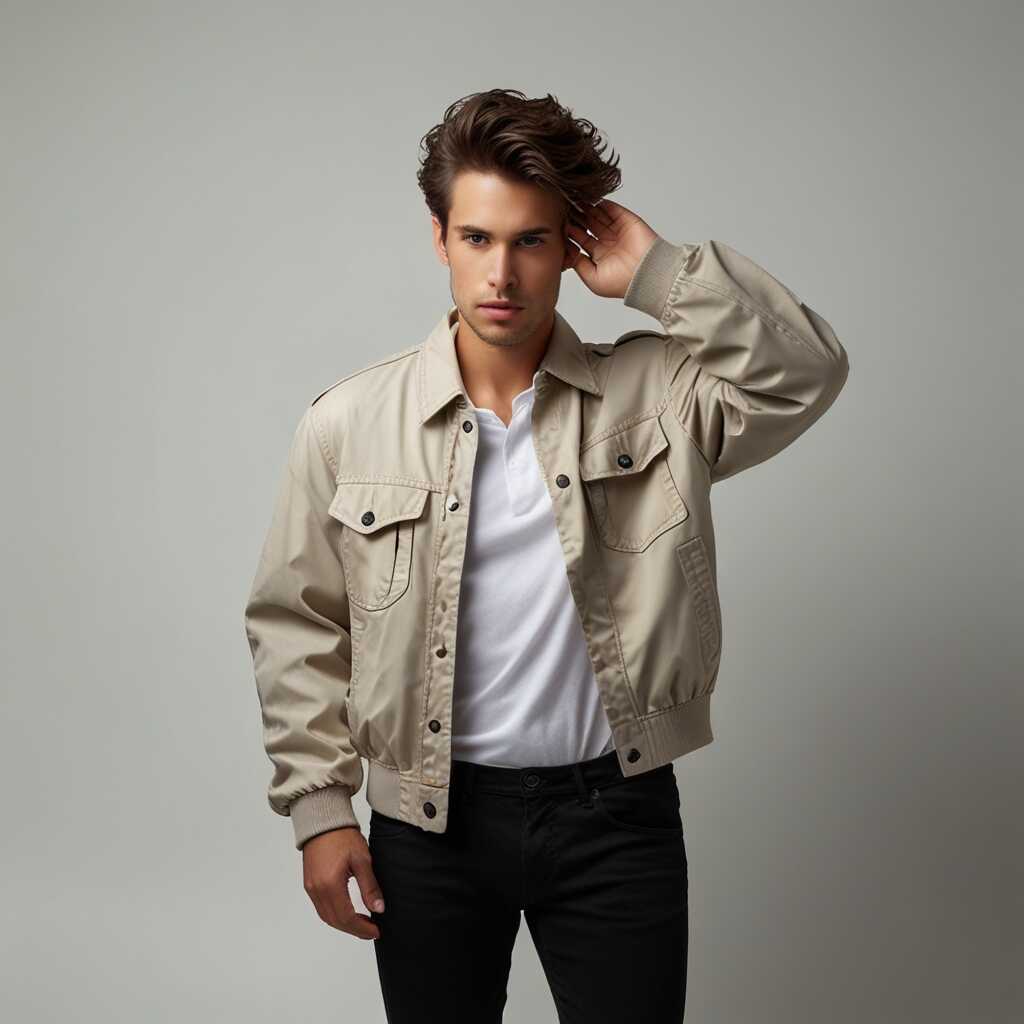
Effective layering techniques vary with height but prioritize balance for all individuals. For shorter heights, light fabrics like linen and cotton add dimension without bulk. Tall individuals may benefit from chunkier fabrics to avoid looking elongated. When considering layering, choose mid-length tops and jackets to create a well-proportioned look. For those with an average height, balance long and short layers to enhance proportions. The right layering style adds interest and depth, making the silhouette appear more balanced overall.
Choosing the Right Fabrics for Layering
Selecting the right fabrics is essential for achieving a balanced look. Lighter materials like chiffon and silk work well for delicate layers, adding airflow and ease. For structured layers, consider wool or cotton blends that maintain shape. Combining textures is effective; for example, pairing a flowy blouse with a tailored jacket offers both comfort and form. Make sure the fabric feels good against the skin, ensuring comfort throughout the day. Experimenting with various fabric combinations helps identify what enhances your silhouette and fits your personal style.
Footwear and Its Role in Balancing Silhouettes
The right footwear can dramatically enhance your overall silhouette by influencing your height and proportion. For short individuals, choosing footwear styles like platform shoes or heels can add height while maintaining balance. Taller individuals might benefit from shoes with lower heels or flats that don’t overwhelm their frame. Additionally, selecting shoes that complement the width of your shoulders can create a harmonious look. Aim for heel heights that range from 1 to 4 inches, giving you flexibility in height while ensuring comfort.
Choosing the Best Footwear Styles for Your Height
When selecting footwear styles, consider how they relate to your height. Short individuals often find ankle boots or pointed-toe flats useful because they elongate the leg. Tall individuals can opt for stylish sneakers or ankle-strap sandals that enhance their feet without breaking up their silhouette. Combining these shoe selections with the right outfit can elevate your appearance. Always ensure the shoe provides a good fit so that your feet feel comfortable, which contributes to your overall confidence.
Brands and Demographics That Embrace Proportional Dressing
- Petite Style brands cater well to shorter individuals looking for tailored options.
- Tall Fashion retailers target taller customers, offering longer inseams and adjusted fits.
- Athleisure brands focus on comfortable styles that suit various body types.
- Curvy fashion lines address the needs of plus-size individuals, enhancing proportional styling.
- Young adults benefit from trendy brands that focus on current styles and body diversity.
- Sustainable brands appeal to eco-conscious shoppers seeking proportional styles without harming the planet.
- Brands like Lululemon provide stylish options for active lifestyles, mixing function with proportional design.
Inspiring Examples of Proportional Dressing Across Heights
This section shares diverse examples of proportional dressing from individuals of various heights. Celebrities like Ariana Grande and Dwayne Johnson effectively showcase how styling choices enhance their outfits. Grande, at 5’2″, often wears high-waisted pants paired with cropped tops to elongate her legs. At over 6 feet, Dwayne Johnson favors tailored suits that accentuate his broad shoulders, creating a balanced silhouette. In total, five key style tips for different heights are illustrated through these examples, aimed at inspiring readers. These real-life dressers provide a wealth of inspiration for effective proportional dressing.
Tips for Dressing Proportionally Based on Height
To enhance your proportional dressing skills, consider incorporating flattering elements specific to your height. If you’re shorter, opt for fitted clothing that elongates your figure. High-waisted pants and vertical stripes visually increase height. For taller individuals, choose structured pieces that define the waist. Layering with shorter jackets can create balance. Body types also play a crucial role in selecting the right styles. Use accessories, like bold belts and statement shoes, to add interest to your outfits. These strategies provide the best results for proportional dressing, ensuring every outfit feels deliberate and stylish.