
How to store special occasion garments for longevity and appearance is essential to maintaining their beauty and usability. Proper storage techniques can prevent wear and damage, allowing you to enjoy these garments for years to come. Yuppieplaza offers practical advice on this topic, focusing on sustainable practices and ensuring your special pieces stay in top condition. By following these guidelines, you can help preserve the elegance of your favorite outfits while promoting conscious fashion choices.
The Significance of Proper Storage for Special Occasion Garments
Proper storage is essential for maintaining the quality and longevity of special occasion garments. When stored incorrectly, fabrics can suffer from fading, discoloration, and even structural damage. For example, direct sunlight can weaken fibers and alter colors, while high humidity can lead to mold growth. By understanding these risks, readers can appreciate why careful garment care is a critical investment. Following proper storage practices can significantly enhance the lifespan and appearance of treasured pieces.
Common Damage Types from Improper Storage
Improper storage can lead to several common types of damage to special occasion garments. For instance, hanging garments made from heavy fabrics can cause them to stretch out of shape. Similarly, folding delicate fabrics can create creases that are difficult to remove. Using plastic covers may trap moisture, resulting in mildew. Choosing breathable garment bags helps maintain air circulation while preventing dust and debris buildup. Understanding these specific damage types reinforces the importance of garment care.
How to Create an Ideal Storage Environment for Clothing
Special occasion garments need optimal storage to prevent issues like mold and fabric deterioration. The best temperatures for storing these garments are between 60°F and 75°F (15°C to 24°C). This temperature range ensures reliability and helps fabrics maintain their shape. Humidity is another essential factor to consider. Ideal humidity levels are between 40% and 60%. This helps protect garments from mold or mildew. Limiting light exposure is crucial as well. Keep garments in dark, dry places to minimize fading and deterioration. Using breathable garment bags also improves efficiency and keeps clothes organized.
Understanding the Importance of Humidity Control for Garments
Humidity control plays a vital role in preserving the quality of special occasion garments. High humidity levels can lead to mold and mildew growth, which damages fabrics. Select a storage area with a dehumidifier if you live in a humid climate. This device helps maintain optimal humidity levels. Employing moisture-absorbing materials, like silica gel packets, can also enhance protection against excess moisture. For those in dry climates, using a humidifier can help maintain the essential humidity range. Keeping these humidity factors in mind will ensure garments remain durable and in great condition over time.

Best Packing Materials for Safeguarding Delicate Apparel
When storing special occasion garments, choose materials that enhance protection and ensure longevity. Common options include acid-free tissue paper, soft cotton sheets, garment bags, and sturdy boxes. Acid-free tissue paper provides cushioning for delicate fabrics like silk and lace. It can help absorb moisture and prevent creasing. Soft cotton sheets protect from dust accumulating while allowing the fabric to breathe. Garment bags are ideal for hanging storage and can handle dust and minor impacts. Use sturdy boxes for items like formal gowns, ensuring multiple layers of packing materials for maximum security. The right combination helps maintain appearance and protects against potential damage during storage.
Effective Packing Techniques for Delicate Garments
Effective packing techniques are essential for safeguarding delicate garments. Start by layering acid-free tissue paper between folds of fabric to avoid crushing and creasing. Place garments into soft cotton sheets to prevent dust. Use breathable garment bags for hanging storage, allowing air circulation, which prevents moisture buildup. When using boxes, wrap each garment with acid-free paper and stack them neatly. This reduces friction and damage risks. Secure the box with tape, but avoid sealing tightly to allow for airflow. Proper packing enhances durability and ensures garments remain in excellent condition for future occasions.
Important Facts on Storing Festive Attire
- Humidity levels should be between 30-50% for optimal storage.
- Special occasion garments can last over 10 years with proper care.
- Regular inspections every 6 months can help identify issues early.
- Using breathable garment bags can prevent moisture build-up.
- Avoid direct sunlight exposure to prevent fading.
- Ensure storage temperature remains around 65-70°F.
- Using acid-free tissue paper helps maintain garment shape.
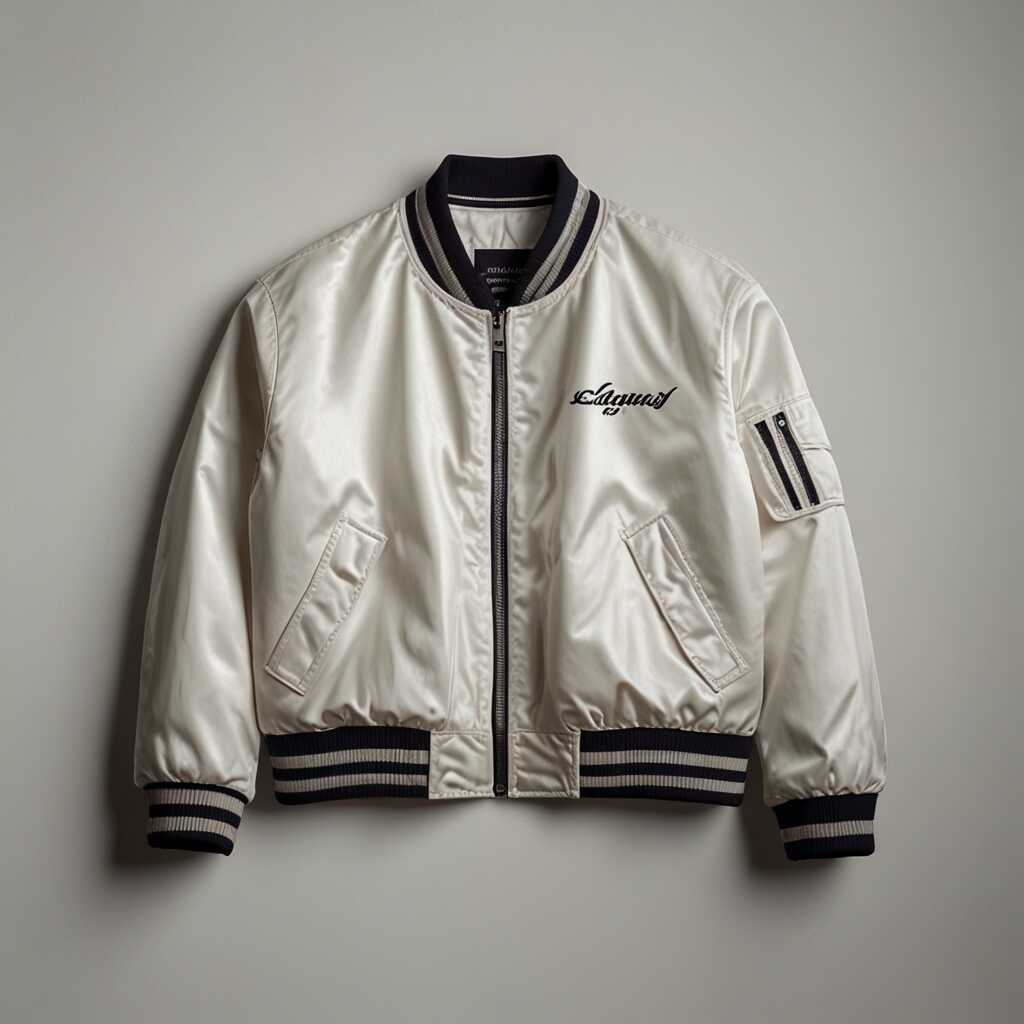
Effective Folding and Hanging Techniques for Garment Care
Best practices for folding special occasion garments include laying the garment flat, starting from the bottom. Fold in sleeves, then fold the garment in half. Use acid-free tissue paper to add structure and prevent creasing. Unique hanging techniques vary by fabric type. Use padded hangers for silk dresses and sturdy wooden hangers for heavier materials. There are three primary hanging methods: standard hang, loop hang, and padded hang, ensuring each method preserves garment shape. Employing these reliable techniques enhances your special occasion garments’ longevity.
Choosing the Right Hanger for Your Garment
Selecting the right hanger is essential for maintaining the shape of your special occasion garments. For delicate fabrics like lace and chiffon, use padded hangers that provide gentle support. Opt for wide-shouldered wooden hangers for heavier dresses, as they help prevent stretching and sagging. For suits or tuxedos, consider using a suit hanger with clamps to accommodate pants. Each hanger type plays a crucial role in reducing creasing and preserving garment quality over time. Always invest in durable hangers designed specifically for costly fabrics to ensure longevity.

Essential Cleaning and Preparation Steps Before Storage
Cleaning methods vary for different fabric types. For silk, gently hand wash in cold water with a mild detergent. For polyester or blends, machine wash on a gentle cycle. Wool requires dry cleaning due to its delicate nature. Stain prevention techniques include immediately treating spills with a fabric-safe cleaner. Utilize odor elimination strategies by using unscented fabric spray after cleaning. Recommended drying times vary; air dry silk in a shaded area and tumble dry polyester on low for 15-30 minutes for moisture removal.
Specific Techniques for Delicate Fabrics
When dealing with delicate fabrics like lace or chiffon, opt for a gentle hand wash. Use lukewarm water with a mild detergent specially designed for delicate items. Soak the garment to loosen dirt. Rinse thoroughly without wringing the fabric. Wrap it in a clean, dry towel to absorb excess moisture. This ensures the garment retains its shape and quality, preventing damage during the drying process. After drying, store the item in a breathable garment bag to maintain its freshness.
Advantages of Properly Storing Elegant Clothing
- Maintenance of vibrant colors prevents garments from looking worn.
- Long-lasting attire saves you money on replacements.
- Proper techniques enhance the cloth’s texture and feel.
- Increased durability leads to reduced environmental waste.
- Organized storage makes finding your favorite outfits easier.
- Protection from pests keeps your attire intact and ready to wear.
- Preservation of memories attached to special garments enhances emotional value.

Unique Storage Considerations for Different Fabric Types
Silk garments require gentle handling to avoid creasing. Store silk in a breathable garment bag in a cool, dark space. Lace garments benefit from being laid flat in acid-free tissue paper to prevent snags. Tulle is best stored in a loose, breathable bag to maintain its shape. Maintaining a temperature range of 60-70°F helps ensure the longevity of special occasion garments. Each fabric type needs specific storage to enhance its durability and appearance.
Special Care Tips for Storage of Different Fabrics
Silk garments should always be stored in a way that minimizes contact with light and moisture. Keep lace in a separate area to avoid tangling with heavier fabrics. Utilizing acid-free tissue paper between layers of tulle will help reduce crushing and preserve its airy structure. The ideal relative humidity for all fabric types is between 40-50%, as excess moisture can lead to mold or mildew. Following these detailed tips improves the overall care and longevity of special occasion garments.
Routine Checks and Maintenance for Stored Garments
Performing routine checks on stored special occasion garments is essential for ensuring their longevity. Schedule visual inspections every three to six months. Start by examining each garment for signs of wear such as fading, discoloration, or fabric deterioration. Look for pest activity, like moths or insects, which can damage fabrics. Moisture can cause mold and mildew; check for any dampness in the storage area or on garments. Always keep the storage environment cool and dry. Use acid-free tissue paper to lightly stuff garments, which maintains their shape and prevents creasing.
Understanding Environmental Factors Affecting Garment Storage
Environmental factors can greatly influence the quality of stored garments. Temperature, humidity, and light levels are critical. Keep the storage area at a stable temperature, ideally between 65°F to 70°F. High humidity can encourage mold growth and attract pests. Aim for a humidity level between 30% to 50%. Light exposure can fade fabrics; store garments in opaque bags or boxes. This protects them from UV rays and helps retain their vibrant colors. By understanding these environmental influences, you can better maintain the quality of special occasion garments.
Popular Brands and Their Special Occasion Storage Solutions
- Container Store offers high-quality storage solutions for organizers.
- Vacuum storage bags are great for saving space but may risk damaging fabrics.
- Clothes hanger brands, like Joy Mangano, specialize in ergonomic designs.
- Space-saving organizers work well for small closets and allow for easy access.
- Households with kids often seek durable storage that withstands wear and tear.
- Brides often choose specialized preservation boxes for wedding dresses.
- Sustainable brands promote eco-friendly materials for storage solutions.
When to Get Professional Assistance for Garment Preservation
Professional assistance is crucial for maintaining special occasion garments. Consult a dry cleaner when dealing with delicate fabrics like silk, chiffon, or lace. Fabrics with elaborate embellishments, such as beading or sequins, require specialized cleaning techniques. These materials can be damaged by standard washing methods, making expert care essential. If your garment has stubborn stains, a professional can provide specialized treatment that ensures long-lasting quality. Remember to check reviews for reliable and experienced services in your area, as this can enhance the overall care of your cherished pieces.
Types of Fabrics That Necessitate Professional Care
Certain fabrics require specialized treatments to maintain their beauty and durability. Silk, for instance, is sensitive to water, heat, and detergents, which can ruin its sheen. Chiffon is lightweight but can snag or tear easily, requiring expert handling. Embellished garments with beading or embroidery demand delicate cleaning processes to avoid damage. Specialty fabrics such as velvet or leather also benefit from professional cleaning to retain their texture and color. Partnering with a trusted dry cleaner ensures that these materials receive the attention they need for optimal preservation.