
Essential tips for laundering delicate fabrics help you maintain their quality and prolong their lifespan. Taking care of these special materials requires specific techniques that can seem overwhelming. At Yuppieplaza, we provide straightforward guidance for fashion enthusiasts and eco-conscious consumers alike. Understanding the right care methods for your delicate garments will keep them looking beautiful and fresh.
Effective Methods for Hand Washing Your Delicate Fabrics
Best practices for hand washing delicate fabrics include using cold water and mild detergents designed for delicate materials. Soak the fabric gently, avoiding twisting or wringing. Water temperature is crucial; cold water helps preserve colors and fabric integrity. For optimal results, the ideal soaking time is around 10 to 15 minutes. This ensures effective cleaning while protecting your fabrics from damage.
Understanding the Importance of Water Temperature
Water temperature plays a fundamental role in caring for delicate fabrics. Cold water is the safest option for most delicate garments as it prevents shrinkage and fading. Warm water can break down fibers, while hot water can cause irreversible damage. Always choose products labeled for delicate fabric care. This selection will enhance the cleaning process without compromising quality. Testing a small fabric swatch can provide added reliability before washing the entire item.
Safe Machine Washing Practices for Your Delicate Items
To protect delicate fabrics, use appropriate machine settings. Choose the gentle or delicate cycle since it offers slower agitation and lower spin speeds. Cold water is the best choice for washing delicate items, which helps prevent color fading and shrinkage. Fabrics like silk, lace, and fine cotton can handle machine washing if treated carefully. Placing items in a mesh laundry bag adds extra protection. A typical delicate wash cycle lasts around 30 minutes, minimizing wear and tear on your garments while ensuring a thorough clean.
How to Prepare Delicate Fabrics for Machine Washing
Before placing delicate fabrics into the washing machine, do some essential preparation. First, check labels for specific washing instructions detailing best practices for each fabric type. It’s crucial to sort dark and light colors to prevent dye transfer. Always use a mild detergent designed for delicates, as this helps maintain fabric quality. Additionally, fasten zippers and buttons to prevent snagging. Understanding these steps enhances reliability in washing delicate items, improving their overall lifespan and appearance.
Selecting the Ideal Detergent for Delicate Fabric Care
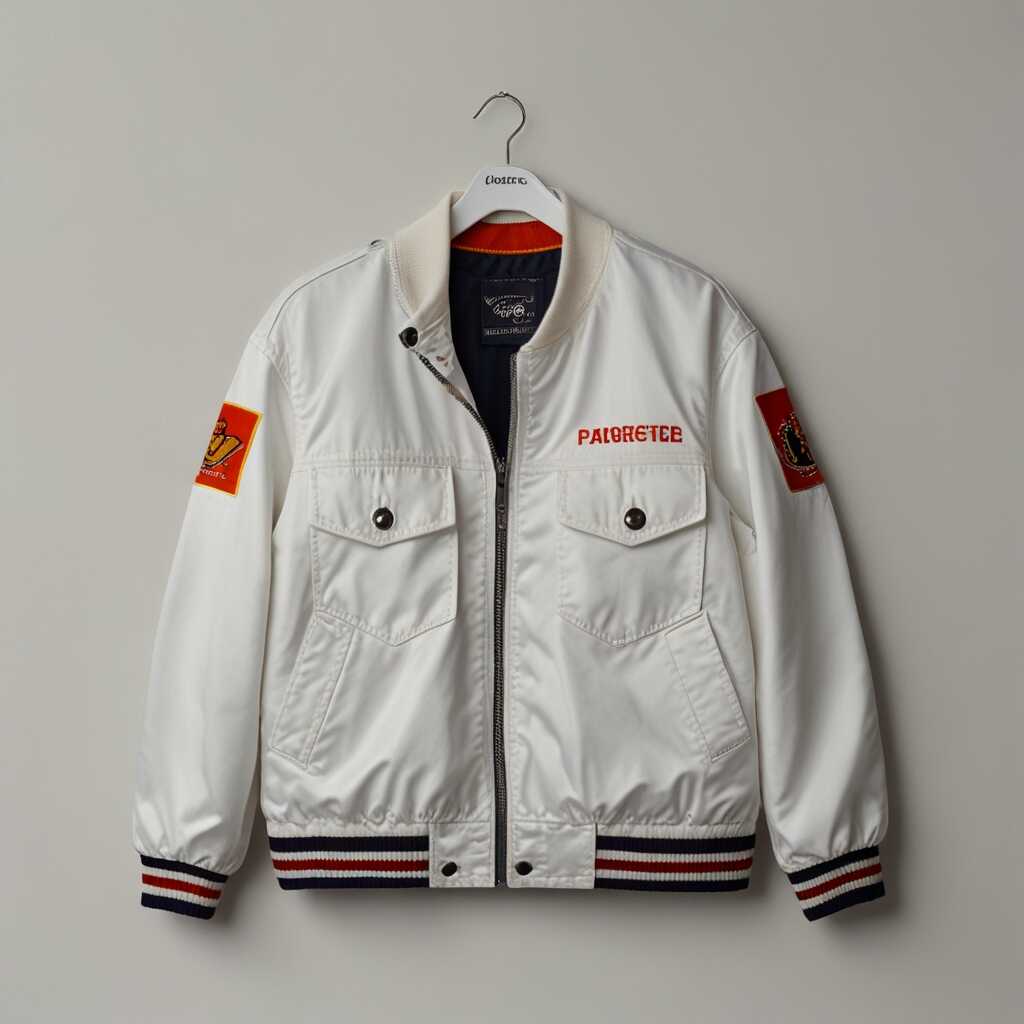
Choosing the right detergent is essential for preserving delicate fabrics. Gentle detergents are specially designed to clean without causing wear and tear. Look for phosphates-free and enzyme-free options. These formulations enhance the fabric’s reliability and help maintain its quality over time. Popular detergent brands like Woolite and The Laundress offer specific lines for delicate washing. Research shows that these brands assist in keeping garments looking great. The ideal brands provide efficiency with proven performance. For best results, always follow washing instructions specific to your delicate items.
Understanding Detergent Ingredients for Best Results
Examining the ingredients in detergents can provide useful insights into their effectiveness for delicate washing. Look for surfactants that have sensible cleaning power without compromising fabric integrity. Avoid harsh chemicals and brighteners found in standard detergents, as they can degrade delicate fibers. Eco-friendly detergents are another great choice. They offer proven quality and help minimize environmental impact. Products with natural formulations, like plant-based enzymes, are gentle on delicate fabrics. Reading reviews and comparing performance improves your chances of selecting the right product for long-lasting care of your favorite garments.
Important Numerical Insights for Caring for Gentle Textiles
- Always wash delicate fabrics on a gentle cycle to minimize wear.
- Use cold water for washing to protect fabric fibers from heat damage.
- Limit washing to no more than once every two weeks to maintain quality.
- Dry clean only if necessary, as it can be harsh on certain materials.
- Using a mesh laundry bag can reduce friction and snagging.
- Some fabrics, like silk, need specific detergents labeled as gentle.
- Set your washing machine to a low spin cycle to reduce fabric strain.

Understanding the Best Water Temperatures for Delicate Fabrics
Water temperature plays a crucial role in maintaining the quality of delicate fabrics. For items like silk, the recommended water temperature is around 30°C (86°F) or cold water. This gentle setting prevents the fibers from breaking down, ensuring long-lasting beauty. When washing lace, it’s wise to choose the same cool temperature to prevent fraying. Using hot water can lead to shrinking or fading, compromising the fabric’s texture and appearance. Always test water temperatures for synthetic delicate fabrics like chiffon or tulle, favoring gentle cycles with similar cool settings. Establishing the best temperature for washing delicate fabrics enhances their durability and helps avoid damage.
Recommended Techniques for Delicate Fabric Washing
Utilizing the right washing techniques is essential for preserving delicate fabrics. Always start by checking labels for specific guidelines. When washing silk and lace, hand washing with mild detergent is often ideal. For machine washing, use a laundry bag to protect items, and select a gentle cycle with cold water, ensuring minimal agitation. Fabric preservation methods like soaking for a short period and avoiding bleach maintain quality. Research indicates that gentle movements enhance a fabric’s lifespan, making it more reliable over time. Using these proven techniques allows you to keep your favorite delicate garments looking excellent for years to come.

Optimal Drying Techniques to Protect Delicate Garments
For air drying delicate garments, always lay them flat on a clean, dry towel. This prevents stretching and helps maintain their original shape. If you choose to hang them, use padded hangers to avoid creases. Air drying is generally more reliable for preserving fabric structure compared to machine drying. Machine drying, while faster, can expose delicate fabrics to heat and agitation, leading to shrinkage and damage. It’s essential to check the care label for specific instructions. Drying times can vary. Typically, air drying might take 2-4 hours, while machine drying may take about 30-60 minutes.
Understanding the Best Methods for Drying Delicate Fabrics
To effectively enhance the longevity of delicate fabrics, you must consider the drying method used. Air drying is often recommended for silk, lace, and certain synthetics. Keep delicate fabrics in a shaded area to avoid sun fading. If using a machine, choose the lowest setting with a moisture sensor. This setting helps detect when garments are dry without excessive heat. Always use dryer balls or a mesh bag for better airflow and to minimize friction among pieces. Performing a gentle spin cycle in the washing machine before air drying can also help reduce total drying time without compromising fabric quality.
Advantages of Proper Maintenance for Sensitive Fabrics
- Preserved appearance by avoiding pilling and wear over time.
- Essential Tips for Laundering Delicate Fabrics to Preserve Quality will extend the lifespan of your clothing.
- Fabrics retain their color without fading due to improper care.
- Regular cleaning helps keep delicate items free from dirt and stains.
- Informed washing leads to better investment return on designer pieces.
- Experience fewer wardrobe malfunctions from damaged clothing items.
- Increased confidence when wearing well-maintained attire.
Proper Storage Solutions to Extend the Life of Delicate Items
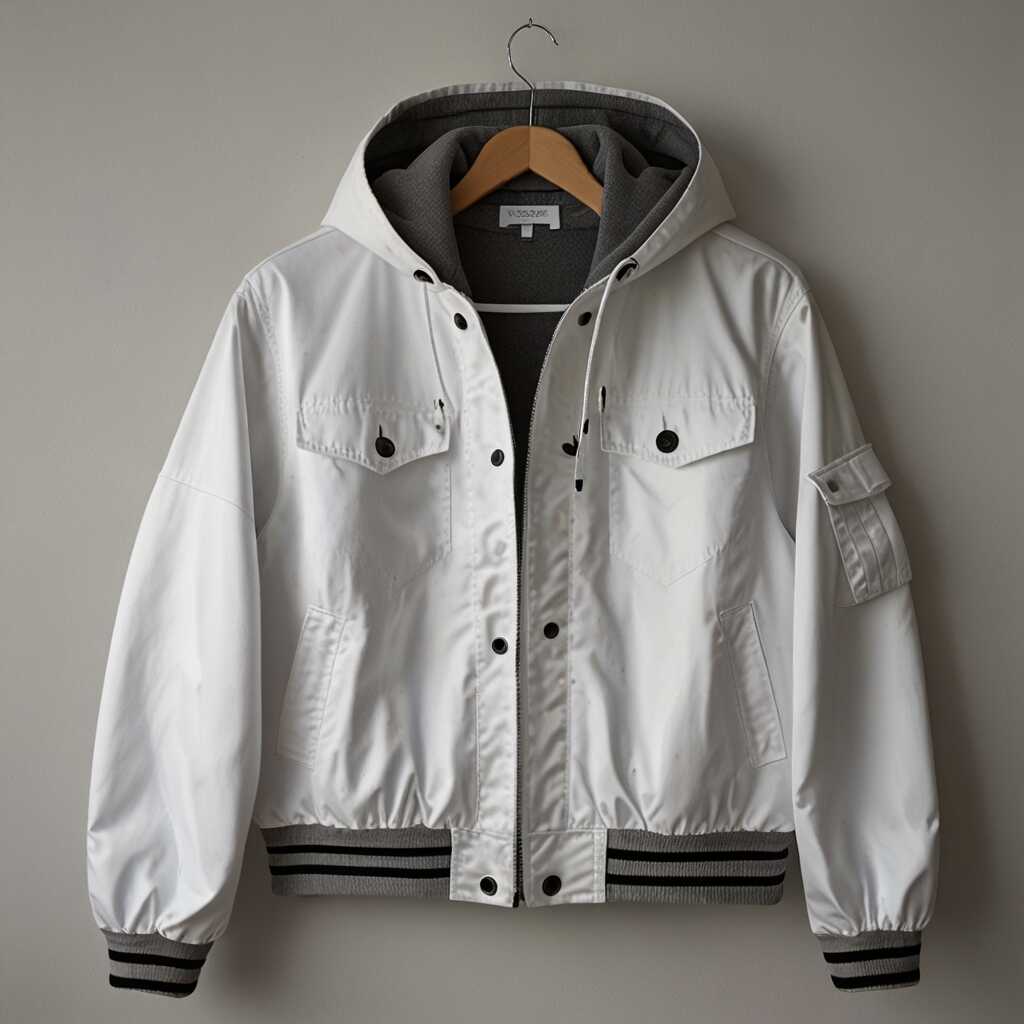
Effective storage methods enhance the life of delicate fabrics. Use breathable cotton bags for garments. These bags allow air circulation while protecting against dust. Avoid using plastic, which can trap moisture and lead to mildew. Consider wrapping delicate items in acid-free tissue paper to prevent creasing. Keep fabrics away from direct sunlight and fluctuations in temperature. Ideal storage conditions should maintain a temperature between 60 to 75 degrees Fahrenheit with humidity levels below 50%. This prevents mold and preserves fabric integrity. Organizing your wardrobe with these practices helps ensure your delicate clothing stays in good condition.
Understanding the Importance of Temperature and Humidity Control
Temperature and humidity control are essential for preserving delicate fabrics. High humidity levels can cause mold and mildew growth, compromising the fabric’s quality. Ideal humidity should range from 30% to 50%. Storing fabrics in a cool, dry environment helps maintain their shape and color. Consider using a dehumidifier in damp areas. Keeping a consistent temperature is crucial for preventing fabric warping. Avoid storing garments in attics or basements where temperatures fluctuate. Take these measures to enhance the reliability of your delicate clothing.
Tips for Identifying Different Types of Delicate Fabrics
Common types of delicate fabrics include silk, lace, chiffon, tulle, and organza. Each has unique care requirements that improve their durability and appearance. Silk is luxurious but delicate, requiring gentle handling and cold water washes. Lace is intricate, and needs careful washing to avoid damage. Chiffon is lightweight and can snag easily, hence it should be washed on a low setting. The lifespan of these fabrics can be extended significantly with proper care, ensuring they remain in great condition for years. Always test a small area before applying new cleaning methods for best results.
Understanding the Unique Characteristics of Silk, Lace, and Chiffon
Silk offers a soft feel and a luxurious shine, making it popular in high-end fashion. It can handle gentle washing in cold water with a delicate detergent. Lace, known for its intricate patterns, requires extra caution during cleaning. Hand washing is often recommended to prevent tearing or fraying. Chiffon, being airy and sheer, should be washed in a mesh laundry bag to minimize snags during the cycle. Following these tailored care methods enhances the quality and prolongs the life of these fabrics.
Brands and Groups Focused on Caring for Fragile Materials
- Specialty laundry brands like The Laundress offer tailored products for delicate fabrics.
- Eco-conscious consumers seek out sustainable detergents that are gentle yet effective.
- Luxury fashion enthusiasts invest in professional cleaning services for high-end pieces.
- Essential Tips for Laundering Delicate Fabrics to Preserve Quality serve professional stylists in managing client wardrobes.
- Everyday individuals benefit from knowledge in garment care, avoiding costly mistakes.
- Parents focus on specific detergents that are safe for baby clothes, ensuring softness.
- Fashion professionals prioritize learning about fabric care to enhance their expertise.
Common Mistakes to Avoid When Washing Delicate Fabrics
Common mistakes when washing delicate fabrics include using incorrect washing temperatures, choosing harsh detergents, and opting for unsuitable drying methods. Washing delicate items in hot water can damage fibers, causing them to lose their shape. Always opt for cold or lukewarm water. Selecting the wrong type of detergent can also harm the fabric. Harsh chemicals weaken the fibers; choose a gentle detergent specifically designed for delicate fabric care. Additionally, avoid using high spin speeds as it can tear and damage the fabric. The maximum recommended spin speed for most delicate fabrics is usually around 600 RPM.
Understanding Temperature and Detergent Impacts
The temperature setting plays a vital role in maintaining the quality of delicate fabrics. Hot water can lead to shrinking and fading. Always use cold water for washing delicate items. The choice of detergent is equally important. Use a gentle liquid detergent to prevent damage. Some detergents contain enzymes that may weaken delicate fibers. Be cautious when selecting a detergent. Follow the care label for specific temperature and detergent recommendations. Understanding these factors can greatly enhance the lifespan of your garments.