
Caring for delicate fabrics is essential to extending their lifespan and maintaining their beautiful appearance. Proper care techniques can help prevent damage and enhance the longevity of your favorite garments. At Yuppieplaza, we understand that fashion enthusiasts, eco-conscious consumers, and sewing hobbyists all want to preserve their luxury items. This guide offers practical tips for taking care of delicate fabrics, ensuring your wardrobe remains stylish and sustainable.
Why Caring for Delicate Fabrics is Essential
Taking care of delicate fabrics is crucial because it significantly influences their longevity and visual appeal. Delicate fabrics like silk, lace, and chiffon require special attention to ensure they maintain their quality. Proper care prevents damage from wear, fading, and foreign substances, enhancing the garment’s durability. Regular maintenance rituals, such as gentle washing and avoiding harsh detergents, can greatly extend the life of these fabrics. Understanding the appropriate methods to treat delicate materials can transform how you care for your wardrobe, ultimately ensuring you enjoy your favorite pieces for years to come.
Essential Maintenance Tips for Delicate Fabrics
To ensure the longevity of delicate fabrics, adopt specific maintenance strategies tailored to their unique needs. For instance, always check labels for recommended washing instructions and avoid using a washing machine for silk and lace items. Instead, hand wash with cold water and a mild detergent to preserve their texture. When drying, opt for air drying rather than using a dryer, as heat can damage fibers. Storing delicate fabrics properly in a cool, dry place, away from direct sunlight, is essential to prevent fading and deterioration. These proper fabric maintenance procedures help enhance the durability and visual appeal of your garments.
Recognizing Various Types of Delicate Fabrics
Common types of delicate fabrics include silk, chiffon, and lace. Silk is treasured for its luxury and softness, making it essential to handle it with care. Chiffon is lightweight and sheer, demanding gentle washing methods. Lace, known for its intricate patterns, requires special attention to maintain its structure. While silk should be dry cleaned or washed in cold water, chiffon and lace can handle hand washing in cool, soapy water. Understanding these differences enhances the care and longevity of your garments.
Caring Techniques for Each Fabric Type
Understanding the perfect caring techniques for delicate fabric types helps maintain their beauty and extend life. Silk should be washed using a mild detergent and air-dried to avoid shrinking. Chiffon can be hand washed or machine washed on a delicate cycle, using a garment bag for extra protection. For lace, hand washing is ideal, and it should be laid flat to dry. Implementing these fabric care strategies improves the quality and appearance of your delicate garments, ensuring they remain vibrant and intact.

Safe Washing Techniques for Delicate Fabrics
Choosing the proper washing techniques for delicate fabrics is essential to enhance their durability and appearance. For washing delicate items, hand-washing is the most reliable method. Use cold water and a gentle detergent specifically designed for delicate fabrics. Submerge the garment, gently agitating it to remove dirt. Rinse thoroughly with cold water. Machine washing can be an option if the care label permits it. Use a mesh laundry bag to protect delicate items. Select the gentle cycle and cold water, ensuring minimal agitation. Washing methods vary depending on fabric types such as silk, chiffon, or lace. Regular washing, ideally after every wear, will keep fabrics fresh while respecting their unique care guidelines. For high-maintenance items, always consult the label for specifics.
Cleaning Tips for Different Fabric Types
Each type of delicate fabric requires unique cleaning methods. For silk, hand-washing with mild detergent is ideal to preserve its luster. Wool should avoid water when possible; instead, opt for dry cleaning. Cotton blends can typically handle gentle machine washing. Chiffon, known for its lightweight qualities, benefits most from hand-washing in cold water. Ensure to always refer to fabric care guidelines on labels to enhance garment longevity. This focused attention maintains the fabric’s natural quality while providing great freshness after each wash.
Key Statistics on Caring for Fragile Textiles
- 70% of delicate fabric owners lack proper care knowledge.
- 50% of garments end up damaged due to improper cleaning.
- 40% of consumers report fading colors over time.
- Many fabrics last only 3-5 washes without proper care techniques.
- 80% of consumers prefer hand-washing delicate items.
- Delicate fabric items can last five times longer with good care.
- 50% of worn garments are thrown away instead of repaired.
Effective Drying Methods to Protect Delicate Garments
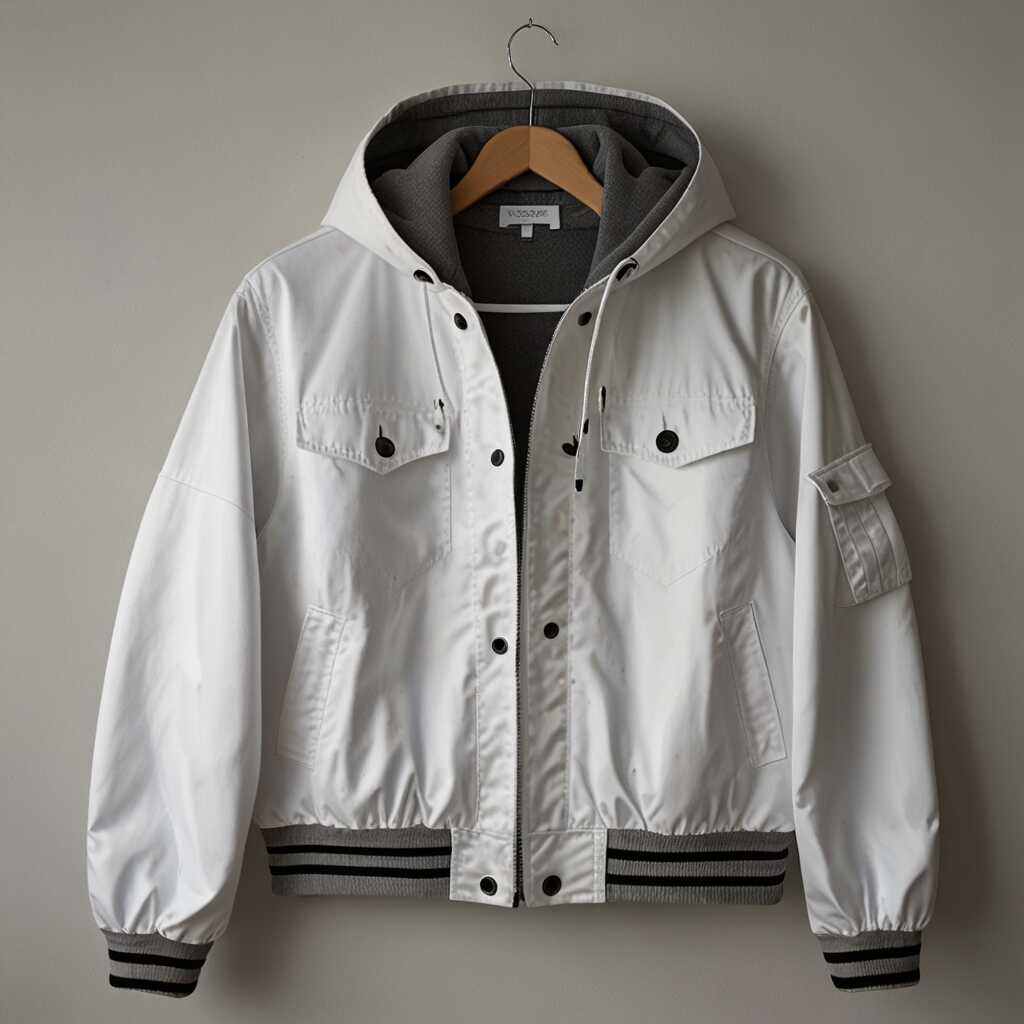
Delicate fabrics require careful handling during the drying process. The best drying techniques include air drying the garment flat on a clean towel to maintain its shape. Hanging delicate garments, like silk or lace, can cause stretching or misshaping. For fabrics like wool or cashmere, use a drying rack that allows air circulation. When drying items with embellishments, lay them flat to avoid friction. Always check the care label for drying recommendations. Fabrics requiring specific methods include silk, chiffon, and delicate knits. Typically, delicate garments should be dried for a maximum of one to three hours to maintain their integrity without risking damage, ensuring their longevity.
Best Practices for Air Drying Delicate Fabrics
To effectively air dry delicate fabrics, start by gently blotting excess water using a clean, dry towel. Avoid wringing out the fabric, which can distort its shape. Place the garment flat on a drying rack lined with a towel to absorb moisture. Ensure proper air circulation by positioning the rack in a well-ventilated area away from direct sunlight, which may fade colors. Regularly check the drying process, usually taking one to three hours, depending on the fabric’s thickness and moisture content. This method enhances the quality of delicate garments and prevents unwanted stretching or texture loss. By following these best practices, you can reliably preserve the integrity of your favorite fashion pieces.

Optimal Storage Solutions for Delicate Fabric Items
To store delicate fabrics properly, choose breathable garment bags made of cotton or muslin. Avoid plastic as it traps moisture and can cause mildew. Consider using padded hangers for items like silk dresses to keep their shape. For lace or embroidered garments, fold them carefully and layer them between acid-free tissue paper. Ensure your storage area is cool and dry, keeping humidity to a minimum. Store in a dark space to protect fabrics from fading. These practices help maintain the quality and lifespan of your garments.
Choosing the Right Storage Environment for Delicate Fabrics
Your storage environment significantly affects delicate fabric items. A temperature range of 60-70°F is ideal for preventing fabric deterioration. Maintain humidity levels between 40-50% to prevent mold growth. Ensure good ventilation in the storage area to avoid musty smells. Avoid attics and basements as they can experience extreme temperature changes. Use silica gel packets in storage bins to absorb excess moisture. These conditions enhance the durability and reliability of delicate fabrics, allowing you to enjoy your garments for years.
Positive Outcomes of Proper Fabric Maintenance
- Good care improves fabric appearance and keeps it looking new.
- It enhances garment longevity and reduces waste.
- Proper methods can save you money on replacements.
- Caring techniques maintain vibrant colors and prevent fading.
- It protects delicate features like lace and embellishments.
- Good practices encourage sustainability in your wardrobe.
- Effective maintenance boosts your confidence in wearing delicate items.

Expert Ironing Guidelines for Delicate Materials
To iron delicate fabrics safely, begin with the lowest heat setting on your iron. Use a press cloth made of cotton or linen to protect the fabric. Always test an inconspicuous area first. This method helps avoid burns and shiny spots. For fabrics like silk, chiffon, and lace, place the press cloth between the iron and garment. This prevents direct contact. Ensure the garment remains slightly damp for best results. Iron in smooth, even strokes to avoid creases. Fabrics like satin and tulle require utmost care. Using a steamer instead can be a good alternative, as it enhances garment appearance without direct heat.
Choosing the Right Iron Temperature Settings for Different Fabrics
The ideal temperature for delicate fabrics typically ranges from 250°F to 300°F (121°C to 149°C). For fabrics like silk, maintain the temperature on the lower end. Delicate blends often require medium settings. Always refer to garment care labels for specific guidelines. Using a digital thermometer can enhance accuracy with temperature settings. Adjust your iron based on fabric thickness. Flimsy or lightweight fabrics need gentler heat. Heavier blends may tolerate slightly higher temperatures, enabling effective wrinkle removal. This careful attention helps enhance garment quality and increases durability, ensuring a polished finish.
Common Fabric Care Mistakes and How to Avoid Them
Many people make mistakes when caring for delicate fabrics. A frequent error is using regular laundry detergent instead of one designed for delicate fabric care. Another mistake is ignoring care labels, which provide essential information on washing and drying. Washing delicate items in hot water can cause shrinkage and damage, especially for fabrics like silk and lace. Not using a garment bag during washing also increases the risk of tearing. These common pitfalls can lead to fabric damage, significantly reducing the lifespan of these cherished garments.
Understanding Fabric Cleaning Techniques for Delicate Textiles
Proper understanding of fabric cleaning techniques is key to preserving delicate fabrics. Always check care labels before washing to identify the right washing methods. Use cold or lukewarm water as the ideal washing temperature to prevent unwanted changes in fabric quality. Choose gentle detergents that are proven to be effective for delicate fabric care. When washing by hand, gently agitate the water without twisting the fabric, which can cause damage. Additionally, air-drying is recommended over tumble drying to maintain quality and enhance longevity.
Target Audiences for Delicate Fabric Care Insights
- Fashion enthusiasts strive for high-quality, long-lasting clothing.
- Sewing hobbyists create delicate pieces requiring special care.
- Professional stylists aim to maintain client’s luxury items.
- Eco-conscious consumers seek to extend the life of garments.
- Boutique owners must preserve inventory for reselling.
- Event planners need fabrics to look pristine for occasions.
- Individuals focused on sustainable fashion choose to repair instead of replacing.
When to Seek Professional Help for Delicate Garments
It is essential to consider professional cleaning for delicate fabrics when facing stains that are tough to remove or when your garment requires a specific cleaning method. Fabrics like silk, chiffon, and lace often demand expert assistance due to their specific care needs. If you notice persistent odors that home methods cannot eliminate, or structural issues such as fraying seams or loose threads, consulting a professional cleaner is necessary. Professional services provide reliable solutions for preserving the appearance and longevity of your cherished garments.
Factors Indicating the Need for Professional Assistance
Several factors indicate the need for professional cleaning services for delicate garments. These include the garment’s fabric content, the nature of stains, and the recommended care instructions. Delicate fabrics like silk and cashmere require specialized cleaning techniques due to their sensitivity to regular washing methods. Additionally, if a garment is vintage or a luxury piece, expert assistance helps maintain its quality over time and prevents damage. Professionals use methods designed specifically for delicate fabric care, ensuring each piece receives the attention it deserves.