
Creating personal color palettes based on your natural coloring and preferences can enhance your style significantly. By understanding the colors that suit your skin tone, hair, and eyes, you can choose outfits that make you look and feel your best. At Yuppieplaza, we guide you through the process of identifying these colors while considering your own unique preferences. This article will help you develop a tailored color palette that reflects your personality and enhances your overall aesthetic.
Assessing Your Natural Skin Tone and Features for Palette Creation
Identifying your natural skin tone, hair color, and eye color is essential in developing a personalized color palette. To begin, examine your skin tone in natural light. Determine if your skin has warm, cool, or neutral undertones. Next, assess your hair color. Are you blonde, brunette, redhead, or a different shade? Finally, look at your eye color. Eye colors can range from brown to blue, green, or hazel. Each feature plays a role in selecting colors that will enhance your appearance. Understanding these characteristics can help you create a color palette that reflects your unique style and preferences.
Understanding Skin Tone Categories for Better Color Selection
There are three primary skin tone categories in color analysis: warm, cool, and neutral. Warm skin tones often have golden or peach undertones, while cool tones show pink or blue undertones. Neutral skin tones mix both qualities, creating a balanced appearance. To distinguish your category, check your wrist veins. If they appear green, you likely have a warm tone; if they look blue, your tone is cool. If you see both, you might have a neutral tone. Understanding these categories is critical for effective color palette development. It helps ensure that your color choices harmonize with your natural features, enhancing your overall look.
Discovering Personal Color Preferences and Style Influences
Identifying personal color preferences starts with examining favorite hues and the emotions they evoke. You can look at your wardrobe and note the colors you naturally gravitate towards. Consider styles worn by fashion influencers that inspire you. Explore their use of colors and how they mix styles to create unique looks. Ideally, your personal color palette should comprise 3 to 5 colors to ensure it suits your lifestyle while providing versatility.
Exploring Influential Styles and Color Trends
Exploring influential styles helps you understand why certain colors resonate with you. Look at color trends from celebrities and influencers. Many top influencers incorporate seasonal colors into their outfits, which can serve as inspiration for your palette. Researching these trends helps you identify your favorite color styles. By combining your favored hues with these trends, you can create an authentic style expression personalized to your taste. Always align your choices with how each color feels on you to ensure comfort and confidence.
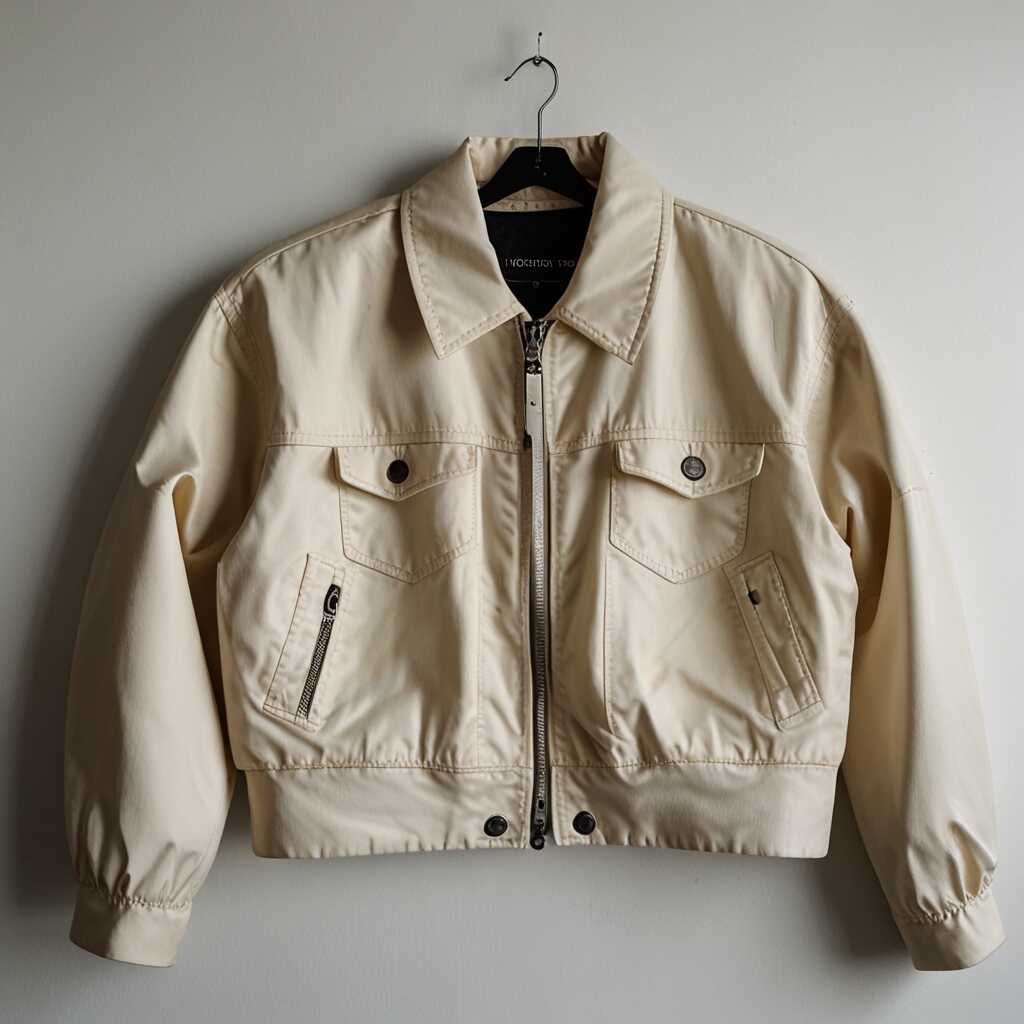
Exploring Color Theory Basics to Enhance Your Palette Choices
Understanding color theory is essential for creating a personal color palette that flatters your natural coloring. The key principles of color theory include the ideas of complementary and analogous colors. Complementary colors sit opposite each other on the color wheel, such as blue and orange, and enhance each other’s vibrancy. Analogous colors are next to each other on the wheel, such as blue, blue-green, and green, and create a harmonious look. Combining these colors can effectively highlight your features and enhance your overall appearance. It’s valuable to experiment with these combinations based on your skin tone to find the best matches for your style.
Identifying Your Best Color Combinations
To identify the best color combinations for your skin tone, start by determining whether your undertones are warm, cool, or neutral. Warm undertones often look great with earthy colors like peach and olive, while cool undertones shine in jewel tones like emerald and sapphire. For neutral undertones, a wider range of colors can work, usually incorporating a mix of warms and cools. Testing these colors in natural light is essential to see how they interact with your skin. You can also create small swatches of these colors and hold them against your skin to see which enhances your features effortlessly. By incorporating this approach, you can develop a reliable personal color palette that resonates with your style.
Key Statistics About Personal Color Selections
- Women make up 70% of those creating personal color palettes.
- 30% of individuals report changing palettes seasonally.
- 80% find their ideal palette improves their confidence.
- More than 50% prefer colors that match their natural features.
- Over 60% of people notice a boost in creativity with personalized palettes.
- Survey shows 75% believe colors reflect personality.
- Research finds that 40% engage with sustainable fashion practices while choosing colors.
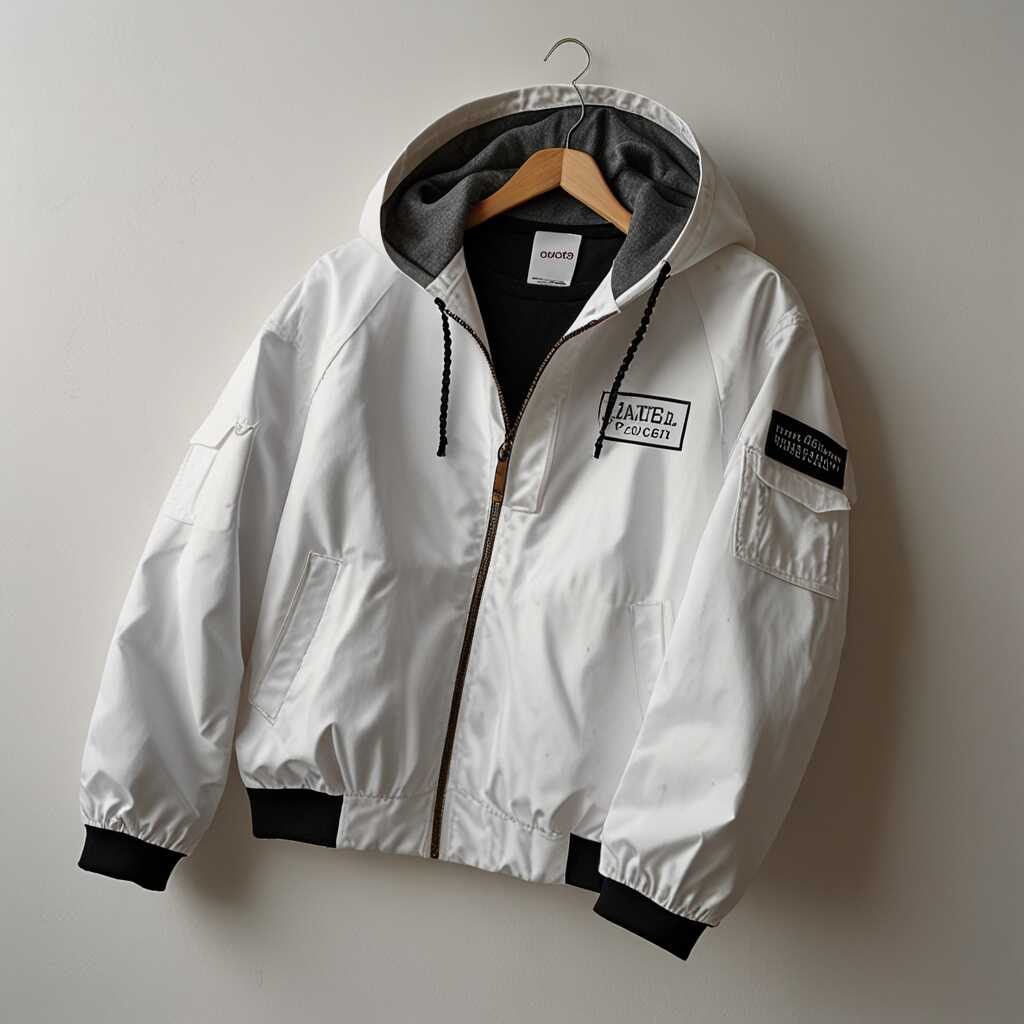
Adapting Seasonal Trends to Fit Your Unique Color Palette
Adapting seasonal trends involves choosing items that align with your personal color palette. Look for pieces in your chosen colors during seasonal sales. By blending classic colors with new trends, you can keep your wardrobe fresh and stylish. For instance, pair a timeless navy blue coat with this season’s trendy mustard yellow scarf. Balancing both colors in your outfits ensures you maintain your unique style while staying on trend.
Finding Your Perfect Color Combinations
Exploring different color combinations helps you create outfits that reflect your individuality. Start by choosing three core colors from your personal color palette. Then, look for seasonal items that incorporate these shades. Adding a pop of metallic or a fashionable pattern can provide a contemporary touch. For example, if your core colors are soft pastels, consider a vibrant floral print which includes those hues. This approach enhances your overall style while ensuring your outfits feel fresh and visually appealing.
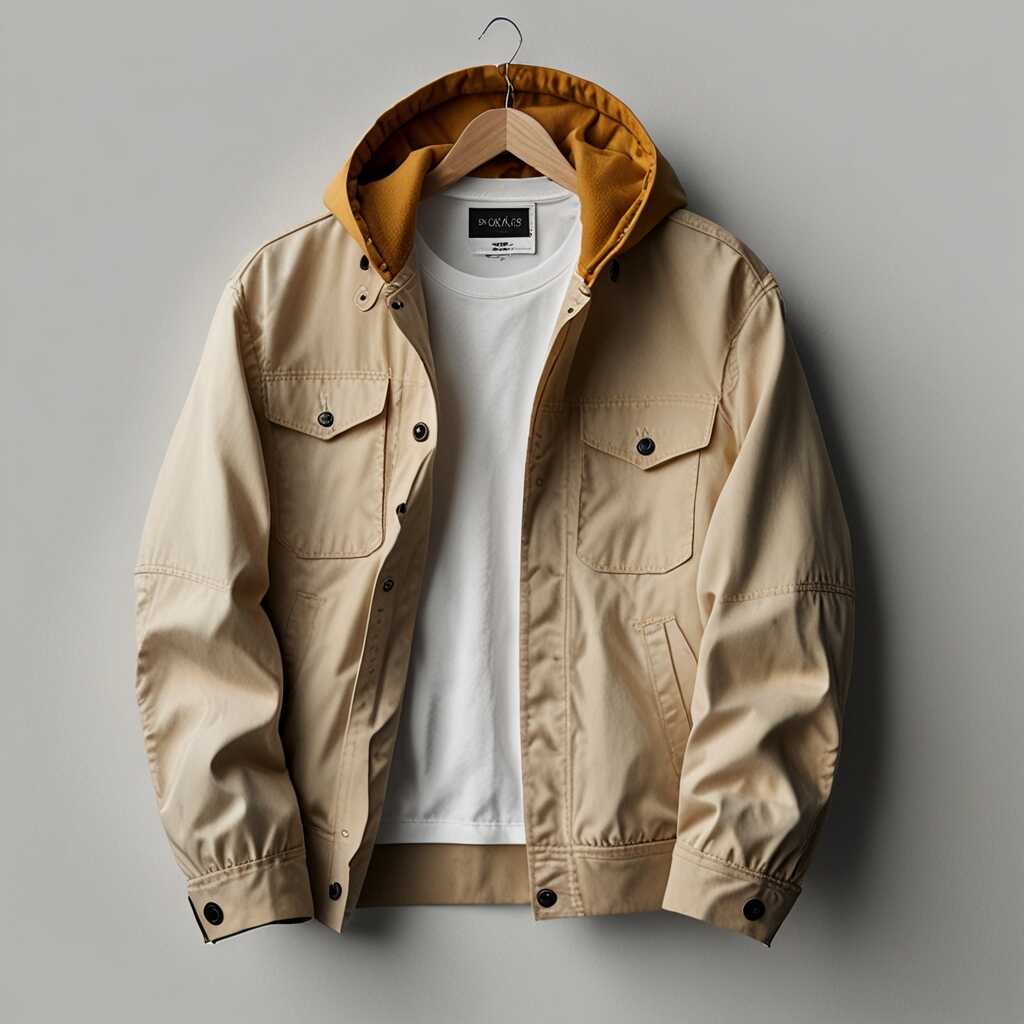
Leveraging Online Tools and Resources for Color Palette Development
Various online tools and applications provide easy solutions for creating color palettes. Tools like Adobe Color, Coolors, and Paletton help users design unique palettes. Each tool enables users to test color combinations for fashion. For those looking for mobile solutions, apps like ColorSnap and Palette Cam offer intuitive interfaces for color exploration. Many of these resources are user-friendly and designed for quick experimentation. They help visualizing combinations that reflect personal preferences and natural coloring.
Exploring the Best Features of Color Palette Generators
The best color palette generators often include features like built-in color harmony rules and adjustable sliders. Adobe Color allows users to create palettes from images and offers thematic color suggestions. Coolors generates random palettes with a simple click, helping users effortlessly experiment. Paletton focuses on creating visually appealing palettes based on color theory principles. These tools can handle diverse color needs, ensuring users find their perfect combinations quickly. Users can expect great results when leveraging these features to enhance their personal styles and aesthetic choices.
Advantages of Tailoring Color Choices
- Enhances overall appearance and self-esteem.
- Allows individuals to express their unique personality.
- Color palettes simplify shopping and outfit coordination.
- Improves confidence and comfort in personal style choices.
- Encourages creativity in fashion and beauty combinations.
- Promotes sustainable fashion choices by focusing on versatile colors.
- Increases satisfaction in wardrobe variety and efficiency.
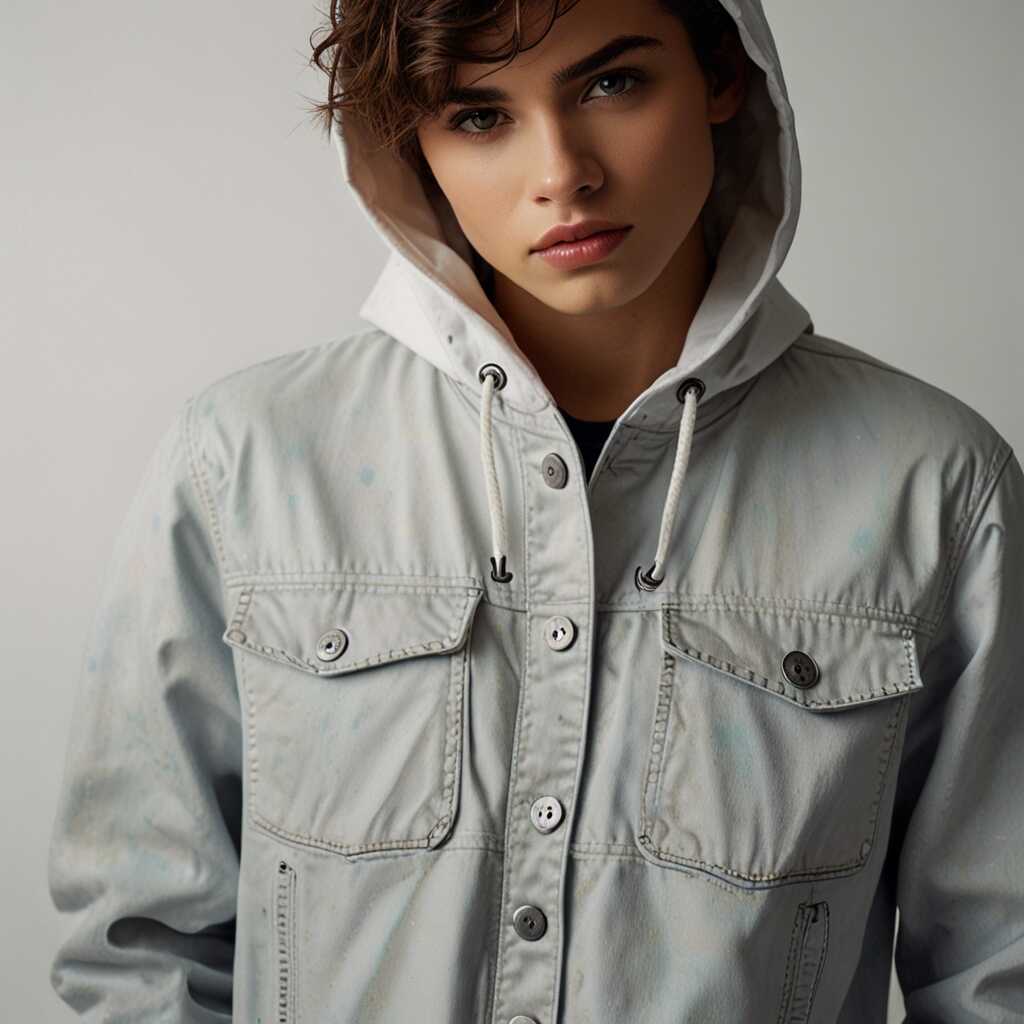
Experimenting with Wardrobe Items to Refine Your Color Palette
To test various colors using your wardrobe items, begin by selecting a few base pieces you love. Look for items in neutral colors like black, white, or gray. Add accessories in different colors. This allows you to compare how they interact. Conduct a simple review by taking pictures of each combination. Review them to see what feels the best. For effective results, aim to create at least five outfits. This ensures a strong understanding of which color combinations enhance your style and overall look.
Mixing and Matching Outfits for Optimal Results
Mixing and matching outfits involves strategically combining clothing pieces to find the best color matches. Start with a favorite shirt and add various bottoms to evaluate their compatibility. Consider factors like fabric and texture, as these can affect how colors appear together. Use accessories, like scarves or belts, to introduce additional colors and complete your look. This approach helps you discover unique combinations that enhance your personal style. Aim for at least 5 unique outfits showcasing different colors for comprehensive evaluation.
Finding Inspiration from Fashion Icons and Trendsetters
Fashion icons such as Anna Wintour, Zendaya, and Harry Styles are known for their unique color palettes. By inspecting their famous outfits, you can discover how they pair colors with textures and patterns. Popular fashion influencers like Aimee Song and Chriselle Lim often use complementary colors to create striking looks. Understanding their successful color combinations can help you identify what resonates with your aesthetic. Many experts suggest testing at least three essential color theory techniques, like warm versus cool colors, to guide your choices. Analyzing the color schemes of these leaders can inspire your palette creation.
Exploring Color Combinations Through Trend Analysis
To develop your personal color palette, explore how various fashion influencers use color combinations effectively. Fashion professionals recommend analyzing outfits worn during major events like Fashion Week or red carpet shows. In these environments, you’ll see a strong trend in using bold colors paired with neutrals, as this enhances the overall outfit. Pay attention to how influencers integrate seasonal colors into their wardrobes. This analysis can help you understand not just what colors work for you, but also why those choices create a visually appealing aesthetic. Taking a close look at these trends will improve your own style and help you curate a wardrobe that reflects your individuality.
Exploring Brands and Their Unique Offerings
- Color Me Beautiful: Offers personalized consultations but may be pricey for some.
- Stylebook: Allows users to create virtual wardrobes, enhancing organization.
- Palettes by ColorSnap: Focuses on Earth-friendly dyes, appealing to sustainability advocates.
- Bright & Beautiful: Provides popular color guides but lacks custom options.
- SwatchMate: Delivers accurate color matching technology but may be complex to use.
- Design Seeds: Great for creative inspiration but doesn’t focus solely on personal palettes.
- Fashion Nova: Offers trendy options but prioritizes fast fashion over sustainability.
Prioritizing Sustainable Fashion Choices When Selecting Colors
Understanding how to select colors for your wardrobe while ensuring eco-friendly practices is essential. Start by identifying your personal preferences and natural coloring. Then, choose colors that work well together and align with sustainable fashion principles. Consider your lifestyle and opt for eco-friendly color choices by selecting sustainable materials like organic cotton or recycled fibers. Research ethical fashion brands for clothing that matches your unique color palette.
Exploring Sustainable Materials for Color Selection
When it comes to sustainable materials, options like organic cotton, bamboo, and hemp are excellent choices. Each provides a natural base for dyes that are less harmful to the environment. Natural dye techniques, using plants, fruits, and nuts, produce vibrant hues while minimizing environmental impact. Brands specializing in these materials not only offer diverse color palettes but also prioritize ethical production. By choosing these fabrics, you enhance your wardrobe responsibly and support sustainable fashion.