
Creating balanced proportional outfits with strategic color placement can transform your style game. Understanding how colors interact allows you to craft visually appealing looks that stand out. At Yuppieplaza, we believe that fashion is for everyone, and we’re here to guide you through these essential techniques. With our tips, you will enhance your knowledge of color balance and elevate your fashion sense.
Exploring the Basics of Color Theory in Fashion
Color theory in fashion encompasses essential principles that help users make informed outfit choices. The primary principles include the color wheel, which features primary colors like red, blue, and yellow. Secondary colors arise from mixing these primaries, creating hues that complement and contrast each other. Understanding the meanings behind colors is crucial. For example, blue often signifies calmness, while red exudes energy. This knowledge enables users to create outfits that resonate emotionally, helping them project their desired image. Colors can enhance an outfit’s appeal and provide a great influence on overall styling strategies.
Understanding Color Harmony for Outfit Balance
Color harmony involves selecting colors that create visually appealing combinations in outfits. Using complementary, analogous, or triadic color schemes helps to achieve balance. For instance, complementary colors are opposites on the color wheel, such as blue and orange, creating a striking contrast. Analogous colors sit next to each other, like blue, green, and teal, providing a more subtle appearance. Triadic schemes involve three evenly spaced colors for vibrant yet balanced visuals. Mastering these strategies enhances users’ ability to create outfits that feel cohesive and thoughtfully designed.
Identifying Complementary and Contrasting Color Schemes
Identifying complementary colors involves using a color wheel. Complementary colors are opposite each other on the wheel, such as blue and orange or purple and yellow. Contrasting colors create visual interest and can be used to make a statement. For example, pairing a soft pastel with a bold primary color enhances your outfit’s vibrancy. When experimenting with these color combinations, aim for 60-30-10 ratios. This means using 60% of one color, 30% of another color, and 10% of an accent color, providing a balanced and eye-catching look.
Creating Harmonious Color Combinations
To create harmonious color combinations, consider using the 60-30-10 rule in your outfits. Start with a dominant color that represents 60% of your attire. Add a secondary color that makes up 30%, ensuring it’s complementary or contrasting for maximum impact. Finally, incorporate an accent color that fills 10% of your look. This method is proven to enhance visual appeal and create a cohesive ensemble. For example, a navy dress (60%), paired with mustard accessories (30%), and a bright red bag (10%), results in a stylish, balanced outfit. Explore different combinations to find what feels best for you.
Utilizing Neutral Tones to Anchor Your Outfits
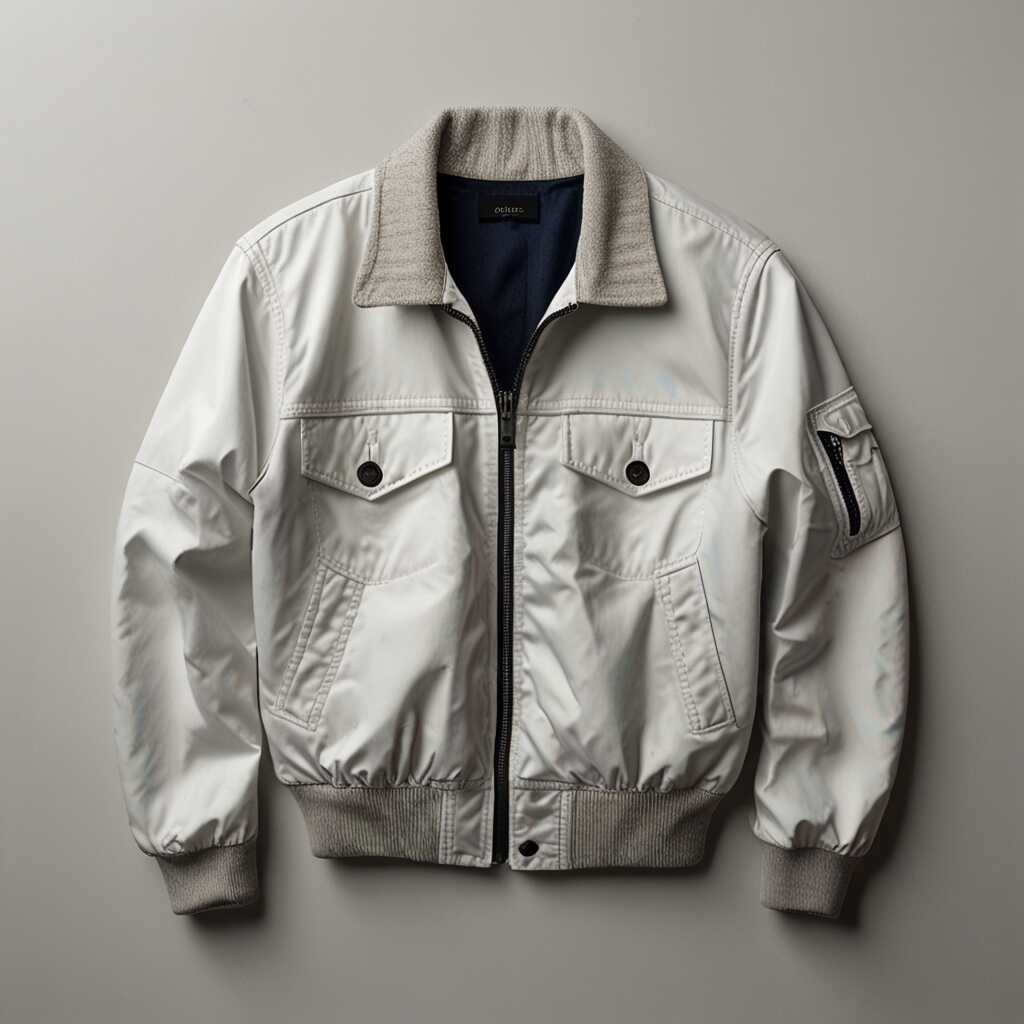
Neutral tones are essential for achieving outfit balance. They provide a calming background that supports bolder colors. By using neutral colors effectively, you enhance the overall look and create a harmonious fashion ensemble. For instance, pairing a vibrant top with neutral bottoms can draw attention to the statement piece while ensuring the outfit remains stylish and cohesive. Research shows that around 60% of a balanced outfit should consist of neutral colors, enabling a reliable mix that feels comfortable and effortless.
How to Choose the Right Neutrals for Your Wardrobe
Selecting the right neutral colors can elevate your wardrobe significantly. The best neutral shades include cream, beige, grey, and navy, as they blend well with various bolder hues. Consider skin tone when choosing neutrals. Some tones may enhance your natural complexion, while others may feel washed out. An effective strategy is to mix different fabrics and textures, such as pairing a soft cashmere sweater with tailored trousers. This combination not only maintains outfit balance but also adds depth to your style. Explore how mixing textures can lead to a more interesting and versatile wardrobe.
Essential Numerical Insights on Outfit Balance
- 70% of stylists emphasize color coordination for stylish outfits.
- Four colors typically create a balanced look when mixed effectively.
- 80% of people feel more confident when they wear cohesive outfits.
- Research shows that color placement can influence mood and perception.
- 75% of fashionistas recommend using neutrals as a foundation.
- Studies reveal that accessories can enhance color placement by 30%.
- A well-placed accent color can elevate an outfit’s appeal by 50%.
Implementing Bold Colors Without Overwhelming Your Look
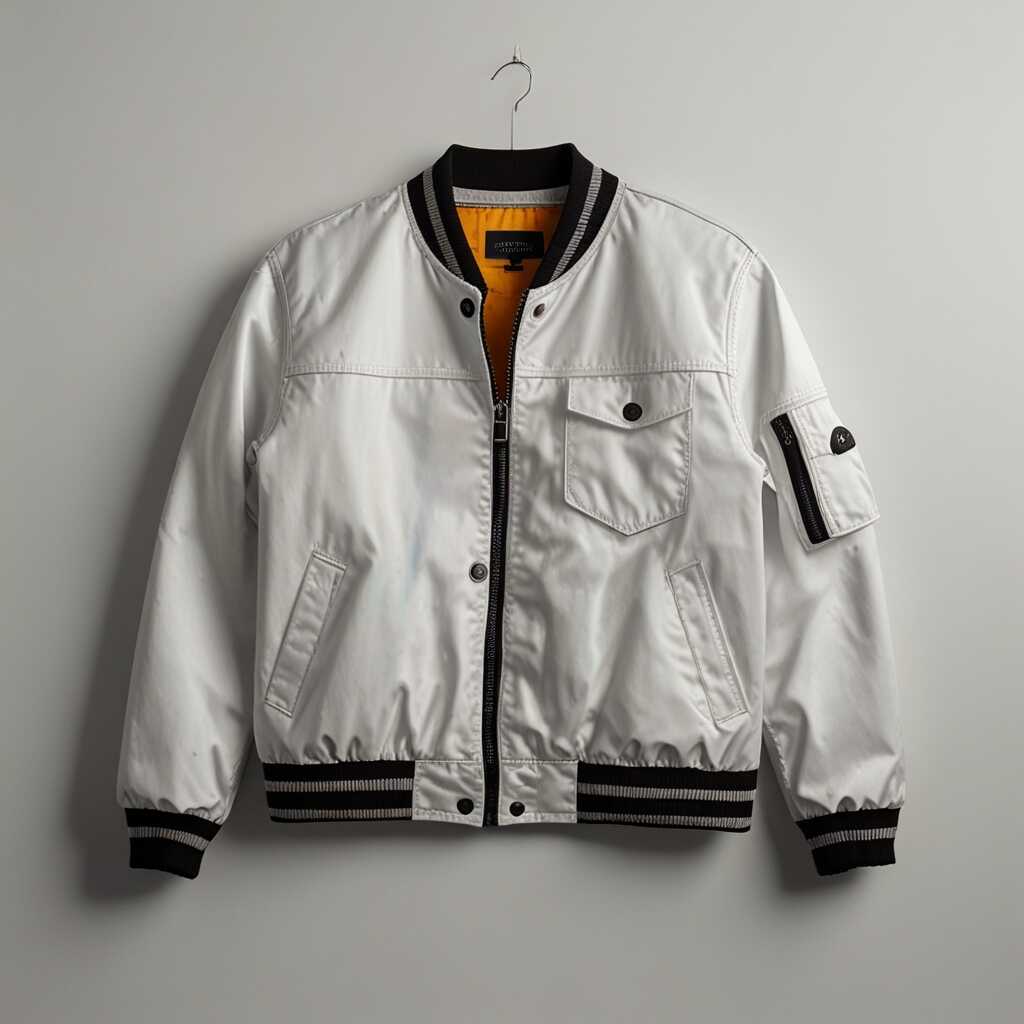
Incorporating bold colors can elevate your outfits when done right. Start by using color balancing strategies. Choose one or two bold colors and pair them with neutral shades. This helps prevent overwhelming your look. For example, a bright red top with black jeans creates balance. Experiment with bold color accents too. Accessories like shoes, bags, or jewelry can add a pop without dominating your visual appeal. By focusing on cohesive outfit combinations, you maintain a stylish appearance. Review your outfit in a well-lit space to ensure colors complement each other effectively.
Techniques for Color Harmony in Outfits
Color harmony is achieved through fashion color theory. Use a color wheel to identify complementary colors. For instance, pairing blue and orange creates an eye-catching look. Aim for two bold colors at the most. This keeps your outfit visually interesting while ensuring ease of wear. Consider skin tone when selecting bold colors. Warm skin tones look great in coral and yellow, while cool tones shine with blues and purples. Focus on color clash avoidance by testing combinations before wearing them out. This approach helps create a well-balanced outfit that feels both stylish and comfortable.

Using Patterns and Textures to Enhance Color Dynamics
Patterns and textures enhance color dynamics in outfits by creating depth and interest. They can highlight or soften the impact of colors. For example, a bold striped pattern can amplify a bright color like red, making it pop even more. Small polka dots combined with a pastel color can add a playful touch, drawing attention without overwhelming. Textures like denim or lace can also affect how colors appear. A rough texture can tone down bright colors, ensuring balance. Layering different textures provides a unique style that stands out distinctly among outfits.
Examples of Harmonizing Patterns and Textures
Harmonizing patterns and textures is essential for creating visually appealing outfits. A floral print in soft hues can be paired with a textured cardigan for warmth. Stripes can be matched with solid colors to break monotony while maintaining harmony. For a bold statement, mix geometric patterns with a solid color that complements the dominant shades. Velvet textures combined with silk can elevate any outfit, providing a rich contrast while maintaining a cohesive color palette. Choosing the right combination ensures a balanced look that is not just stylish but also comfortable.
Advantages of Strategic Color Choices in Fashion
- Enhances your overall style by creating visual harmony.
- Improves personal expression through meaningful color stories.
- Boosts confidence by making you feel well put-together.
- Offers limitless outfit combinations for various occasions.
- Increases interest in sustainable fashion choices.
- Encourages creativity, inspiring unique outfit ideas.
- Fosters a deeper understanding of color theory in fashion.
Achieving Visual Balance by Distributing Colors Thoughtfully
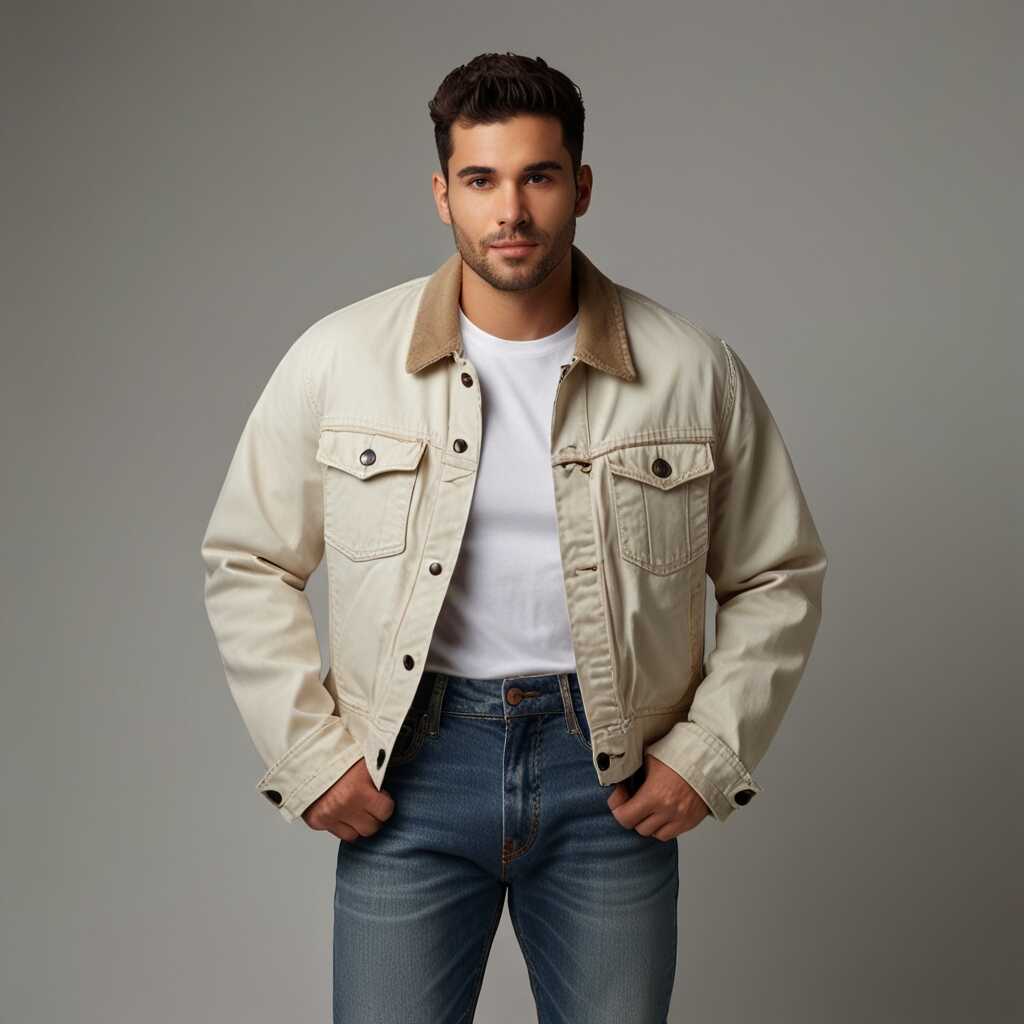
Thoughtful color distribution is essential for achieving visual balance in outfits. It ensures that your look feels cohesive and harmonious. By incorporating techniques such as complementary color pairing and strategic layering, you can enhance your outfit’s overall aesthetics. For example, using a dominant color while incorporating accents of contrasting shades creates an appealing focal point. Many fashion experts suggest maintaining a color palette of 2 to 4 colors in an outfit. This allows for variety without overwhelming the viewer, ensuring a visually pleasing arrangement.
Effective Strategies for Color Application in Outfits
To effectively manage color application in outfits, utilize color distribution techniques like the 60-30-10 rule. This rule states that 60% of your outfit should be a dominant color, 30% a secondary color, and 10% an accent color. For example, a navy dress can be accented with a beige belt and red shoes. This strategic color layering not only enhances visual balance but also creates an engaging look. Experimenting with harmonious color combinations, such as blues and greens or yellows and purples, can elevate your styling game greatly, providing a sophisticated appearance.
Incorporating Current Seasonal Color Trends in Your Wardrobe
The current seasonal color trends for 2023 include vibrant shades like teal, terracotta, and soft pastels. To effectively incorporate these colors into your wardrobe, start by choosing one or two main colors for your outfit. Use neutral tones, such as beige or gray, to balance and support these vibrant hues. For instance, pairing a teal blouse with beige trousers delivers a stylish contrast while maintaining balance. A common approach is to use three colors in an outfit, ensuring one is a neutral to enhance harmony.
Practical Tips to Use Seasonal Colors
When using seasonal colors, focus on your base layer first. Select neutral items like pants or skirts. Then, introduce seasonal colors through accessories such as scarves, bags, or shoes. Incorporating a trendy colored jacket can elevate a basic outfit instantly. Mixing textures also enhances the outfit’s quality. For example, pairing a soft terracotta knit with sleek denim offers a great blend. Experiment with different shades of one color to find what enhances your look. This approach not only keeps your outfits fresh but also ensures a personal style that reflects current trends.
Relevant Brands and Their Fashion Approach
- Zara offers trendy pieces at affordable prices, appealing to youthful demographics.
- Everlane focuses on transparency and sustainability, attracting eco-conscious shoppers.
- ASOS provides a wide range of styles for diverse body types and budgets.
- Free People emphasizes bohemian styles, attracting free-spirited individuals.
- H&M features fast fashion solutions with a commitment to sustainable initiatives.
- Anthropologie draws in creative fashion lovers who appreciate unique designs.
- Nordstrom combines high-end fashion with inclusive sizing, captivating a broader audience.
Actionable Tips for Mastering Color Placement Techniques
To create balanced outfits, focus on proven color combination strategies that enhance your style. Start by identifying your base color, then add complementary or analogous colors for interest. For example, a blue dress can pair well with a yellow handbag and white shoes. Exploring strategic color placement can help increase both comfort and visual appeal. Aim to master at least three effective color placement techniques to ensure versatility in your clothing choices. These techniques can transform simple outfits into statement pieces.
Understanding Color Theory for Personal Style
Understanding color theory is essential for crafting balanced outfits. It involves knowing how colors interact with each other. Use the color wheel to choose complementary colors, which are opposite each other. For example, red and green create a vibrant contrast. Alternatively, use analogous colors, which are next to each other, like blue, teal, and green for a softer, harmonious look. This knowledge improves your confidence as you experiment with different outfits, ensuring stylish combinations that express your personal flair.