
Measuring clothing dimensions accurately is essential for achieving a better fit and reducing returns. By understanding how to take proper measurements, online shoppers can make informed decisions about their purchases. Yuppieplaza is committed to helping fashion enthusiasts navigate this process, ensuring they find clothing that fits well and meets their style needs. This guide will provide you with valuable tips on measuring clothing dimensions, so you can shop confidently and embrace sustainable fashion practices.
Why Accurate Measurements are Essential for Online Shopping Success
Accurate clothing measurements are crucial for online shoppers. They ensure a better fit, enhancing overall customer satisfaction. Reliable measurements help in lowering return rates significantly. Research shows that around 30% of online clothing returns occur due to size and fit issues. This percentage demonstrates just how essential accurate dimensions are for a successful online shopping experience. Proper measurements can lead to improved reliability in selecting items that match personal styles and body types.
How to Measure Clothing Accurately Before Online Purchases
Measuring clothing accurately involves several steps to ensure the best fit. Use a soft tape measure to take accurate clothing measurements. Start with your bust, waist, and hip measurements to create a reliable size profile. Always compare these dimensions with the sizing charts provided by online retailers. These charts are designed to enhance your shopping experience. By following this process, you increase the likelihood of selecting pieces that are both comfortable and stylish. Accurate measurements are the foundation for successful online shopping, leading to better fit satisfaction and fewer returns.
Step-by-Step Guide to Measuring Your Body for Clothing Fit
To measure your body for clothing fit accurately, follow each step carefully. Start with a flexible measuring tape and ensure you are wearing fitted clothes or none at all. First, measure your bust at the fullest part while keeping the tape horizontal. Next, measure your waist at the natural waistline, usually just above your belly button. Then, measure your hips at the widest point. Additionally, consider measuring your inseam for pants by measuring from the crotch to the desired pant length. Including these accurate measurements enhances your fit satisfaction when you shop online.
Essential Measurements for Different Clothing Types
When shopping online, knowing essential body measurements for different clothing types is crucial. For tops, you typically need bust, shoulder width, and sleeve length. For bottoms, waist, hip, and inseam measurements are essential. Dresses may require bust, waist, and hip measurements, along with overall dress length. Each of these measurements provides data that helps you find clothing designed to fit your body comfortably. Review each measurement thoroughly to ensure accuracy and reliability, helping you make informed choices and minimizing returns.
Decoding Clothing Size Charts from Different Brands
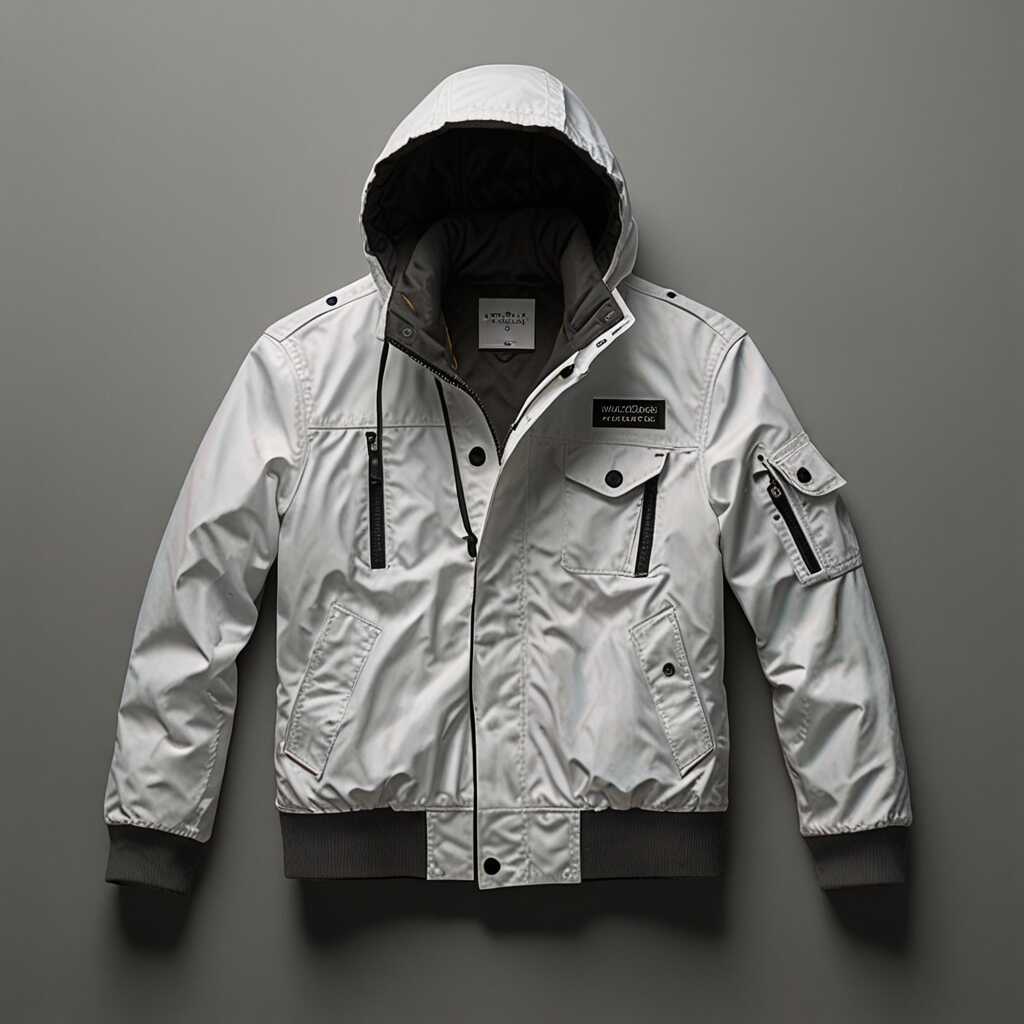
Understanding clothing size charts from various brands is essential for achieving the best fit. Size variations can differ significantly among brands due to their unique sizing standards. Reviewing size charts helps shoppers ensure they choose the correct size and reduces the chances of returns. Many brands do not follow a standardized sizing system, making it essential to compare charts closely. Reliable data from user reviews shows that knowing your measurements can enhance your online shopping experience and improve fit satisfaction.
Assessing Size Variation Across Brands
When assessing size variations across brands, it is important to note that different manufacturers may define sizes differently. Some brands utilize numerical sizing while others use letter sizing such as S, M, L. For example, a size medium in one brand could equate to a size large in another. Understanding these discrepancies improves your chances of finding clothing that feels comfortable and fits well. Relying on user-generated reviews can also provide insights into how true to size a brand’s clothing is. This allows you to make informed decisions based on real experiences.
Key Numerical Insights for Sizing Apparel
- 97% of online shoppers experience difficulty with proper fit when purchasing clothing.
- 30% of returned items are due to sizing issues, impacting retailers significantly.
- 70% of consumers check sizing charts before buying clothes online.
- Measurements on garments can vary by up to 2 inches depending on the brand.
- Average return rate for clothing due to size disparity is between 20-40%.
- 85% of consumers desire accurate fit details before making online purchases.
- 9 out of 10 people agree a better size guide would enhance their shopping experience.
Key Tips for Measuring Clothing Items Before Purchase
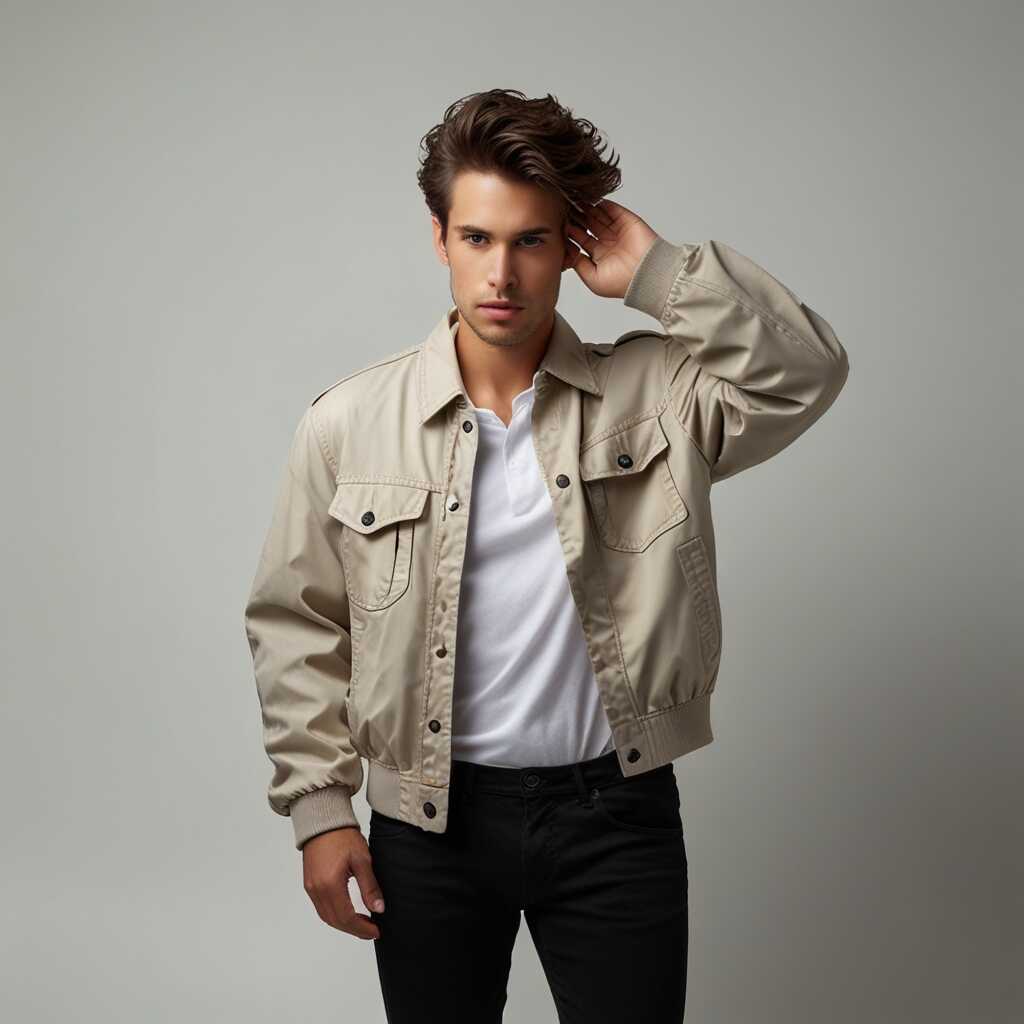
For an accurate fit when shopping online, consider essential clothing measurements like bust, waist, and hip dimensions. Always use a flexible measuring tape. Compare these measurements against the sizing charts provided by each brand. This is crucial because size discrepancies occur due to differences in clothing brands and styles. Many brands have unique sizing standards which may lead to fit issues, thus understanding size charts is vital. Also, be aware of a standard tolerance range. This is typically about 1-2 inches, allowing some flexibility for comfort.
Understanding Size Discrepancies Across Brands
Different clothing brands often utilize varied sizing charts. This means that a size medium in one brand may not equal a medium in another. Additionally, styles such as fitted, relaxed, or oversized can drastically alter how a garment fits. For best results, always reference the specific brand’s size guide. Look for detailed specifications, including garment dimensions and any size adjustments they recommend. This research ensures you make informed purchases that fit well and look great.
Recognizing Common Fit Problems Due to Measurement Errors
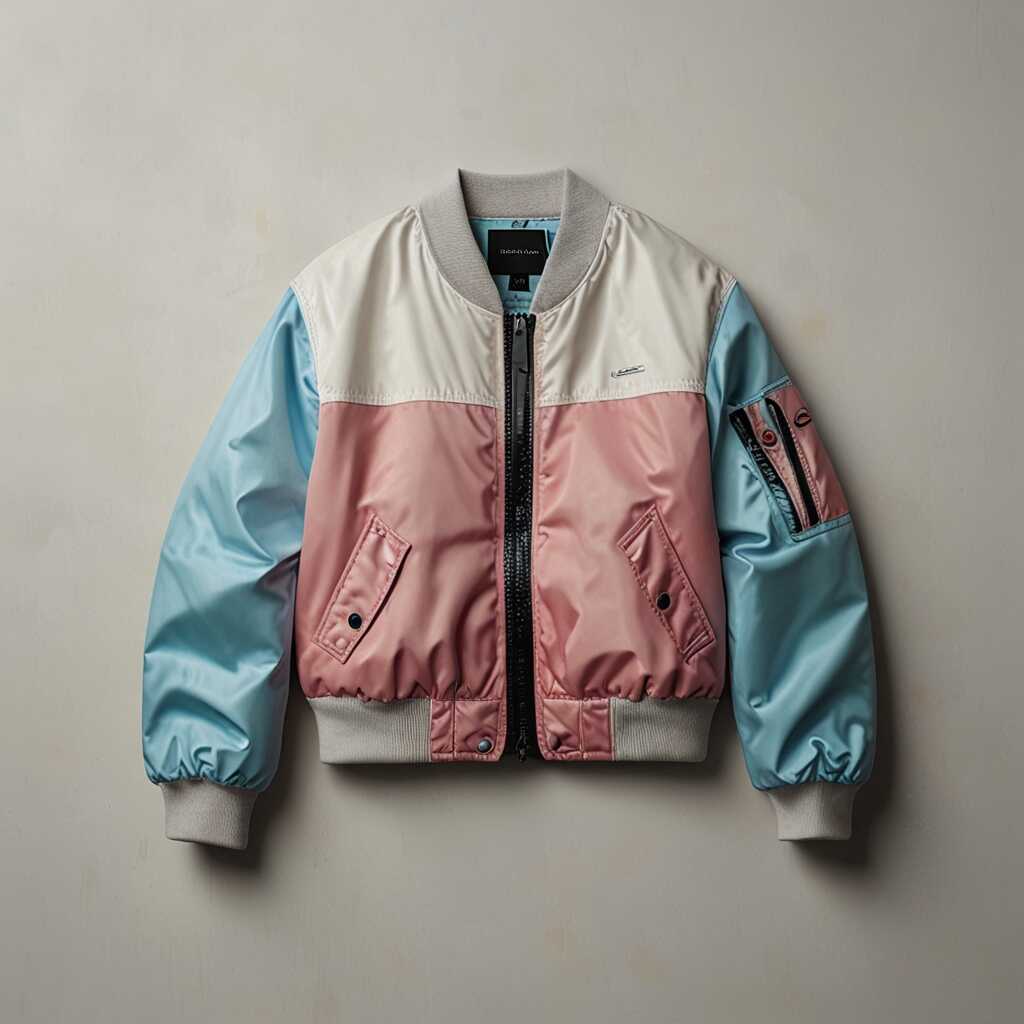
Common fit problems from measurement errors include tight shoulders, loose waistlines, and short hems. These issues can severely impact comfort and style. Inaccurate clothing measurements can affect various body types. For instance, someone with wider hips may find a dress too tight, while a person with a longer torso may struggle with tops that are too short. A major factor in returns is related to sizing issues, accounting for more than 30% of online transactions. Accurate sizing practices increase fit satisfaction and minimize the likelihood of returns.
Identifying Specific Fit Challenges for Different Body Types
Understanding specific fit challenges for different body types can enhance your online shopping experience. For example, tall individuals often face challenges finding long enough sleeves or inseams. Alternatively, petite shoppers may struggle with proportions that are not intended for their frame. Plus-size shoppers frequently encounter inconsistencies in sizing across brands, leading to confusion. Reliable brands often provide comprehensive sizing charts, which help ensure a more comfortable fit. By engaging with these resources, customers can make better decisions, reducing the frustration of returns and enhancing overall satisfaction.
Advantages of Accurate Apparel Measurements
- Proper sizing reduces the chances of returns, saving time and money.
- Users enjoy greater satisfaction with their clothing fits, enhancing their overall experience.
- Accurate measurements lead to more confident online purchases.
- Individuals can discover styles that complement their body shapes better.
- Well-measured clothing fosters loyalty with brands and enhances repeat purchases.
- Minimizing returns positively impacts environmental sustainability efforts.
- Shoppers feel empowered with knowledge, leading to more informed choices.

Leveraging Technology for Accurate Clothing Measurements
Technology has made it easier to measure clothing dimensions accurately. Various mobile applications offer features that help users measure their bodies. Apps like ZOZOSUIT and MySize provide guides and reminders, ensuring reliability in your measurements. They have been extensively tested to improve the accuracy of online shopping experiences. These tools enhance your ability to find clothing that fits perfectly, reducing return rates significantly.
How Do Measurement Apps Compare in Accuracy?
Measurement apps have varying performance levels depending on their design and features. The best apps for measuring clothing dimensions boast an accuracy rate of around 95% in 2025. They utilize advanced algorithms and camera technology to analyze body dimensions with impressive reliability. Research shows that users experience greater fit satisfaction when using apps optimized for both accuracy and ease of use. These apps often include user reviews, adding confidence to your purchasing decisions.
How Proper Fit Contributes to Sustainable Fashion Practices
Proper fit significantly reduces waste in the fashion industry. When clothing fits well, it meets customer needs and decreases return rates. High return rates contribute to environmental waste due to additional shipping and potential damages. Sustainable fashion practices emphasize the importance of well-fitting clothing as a responsible consumer choice. Studies show that ensuring better fit can reduce returns by up to 30%. Well-fitting clothing enhances customer satisfaction and promotes mindful purchasing.
Environmental Impact of Clothing Returns
The environmental impact of clothing returns is severe. Millions of garments are shipped back yearly, leading to increased carbon emissions and waste. Well-fitting clothing can directly cut these returns. Research indicates that perfectly fitting clothing can halve return rates in e-commerce. This reduction leads to significant waste reduction, aligning with sustainable fashion practices. Yuppieplaza encourages consumers to understand their fit sizes to make better decisions, enhancing the overall shopping experience.
Brands Making a Mark in Clothing Measurements
- Brand A offers precise size guides but lacks a variety of style options.
- Brand B features innovative virtual fitting rooms for accurate sizing.
- Brand C provides detailed measurement information but may have higher prices.
- Casual shoppers benefit from brands with user-friendly sizing systems.
- Fashion enthusiasts appreciate brands that combine trends with accurate fit.
- Eco-conscious consumers prefer brands promoting sustainable practices alongside sizing precision.
- Online retailers targeting professionals often succeed when offering comprehensive sizing aids.
Adopting a Thoughtful Approach to Online Clothing Shopping
Online shoppers can enhance their experience with accurate clothing measurements. First, measure your body using a soft measuring tape. Focus on key areas: bust, waist, hips, and inseam. Each brand can have different sizing charts. This makes it essential to compare your measurements with each brand’s standards. Ensure you follow any specific instructions provided on the website. Taking these steps can help create a better fit and reduce return frustrations.
Essential Clothing Measurements for Different Styles
Each style of clothing may require different measurements for an optimal fit. For tops, carefully measure your bust and shoulder width. For bottoms, measure your waist and hips and include the inseam for length. Dresses often need bust, waist, and hip measurements, with waist placement varying by design. Checking the fit of jackets involves measuring across the chest and sleeve lengths. Utilizing these essential clothing measurement techniques helps ensure garments fit properly and enhances your overall online shopping experience.