
Enhance breathability and comfort by incorporating natural fiber clothing to experience a new level of ease in your wardrobe. Natural fibers, like cotton and linen, allow air to flow and reduce sweating, which is key for staying comfortable throughout the day. At Yuppieplaza, we believe that choosing natural fibers not only elevates your personal style but also supports sustainable fashion practices. Embrace the benefits of breathable, comfortable clothing while making eco-friendly choices that resonate with your values.
Understanding the Benefits of Natural Fiber Fabrics
Natural fiber clothing, such as cotton, linen, and bamboo, significantly enhances breathability and comfort. Cotton is known for its excellent moisture-wicking properties, allowing it to absorb up to 27 times its weight in water before feeling damp. Linen excels in airflow, keeping the body cool in hot weather. Bamboo offers natural anti-bacterial properties, reducing odors and ensuring comfort during extended wear. Each fiber has unique qualities that make them superior for preventing sweating and maximizing airflow.
Comparing Natural Fibers for Optimal Comfort
When comparing cotton and linen for optimal comfort, both fibers have distinct characteristics. Cotton is soft against the skin and very absorbent, making it suitable for everyday wear. Linen, on the other hand, has a more textured feel but offers exceptional breathability due to its loose weave. Bamboo combines softness and breathability, making it ideal for sensitive skin. In a 2025 performance test, researchers found that bamboo fabric was 40% more breathable than cotton, giving it an edge for those in warmer climates.
Commonly Used Natural Fibers Explained
Commonly used natural fibers include cotton, linen, wool, and hemp. Cotton is known for its softness and breathability, making it a popular choice for everyday wear. Linen, derived from flax plants, offers excellent breathability and is perfect for hot climates. Wool provides insulation while managing moisture, ensuring comfort in colder conditions. Hemp is a durable fiber, resistant to mold and UV rays. Each of these fibers delivers unique qualities, enhancing comfort and breathability in various environments.
Comparative Analysis of Natural Fibers
Comparative testing shows that cotton and linen are superior for breathability due to their loose weave. Cotton fibers can absorb moisture but still allow airflow, while linen excels in high humidity due to rapid drying properties. Wool offers moisture-wicking capabilities, keeping the body dry while providing thermal insulation. Hemp fibers are sturdy and environmentally friendly, making them an excellent sustainable fabric option. This comparison helps individuals make informed choices based on their needs for comfort and climate performance.

Importance of Breathability in Clothing Choices
Breathability refers to how a fabric allows air and moisture to pass through it. This quality is essential in clothing choices due to its impact on overall comfort and health. Breathable fabrics help regulate body temperature and manage perspiration, which can enhance the daily fashion experience. Materials like cotton, linen, and bamboo are notable for their breathability, making them excellent options for warm-weather clothing. Choosing breathable clothing can ensure comfort during different activities, especially in hot or humid conditions.
Natural Fibers and Their Breathability Benefits
Natural fiber clothing, such as those made from cotton or linen, offers numerous benefits due to their excellent breathability. These materials easily wick away moisture to keep the skin dry and comfortable. Research shows that fabrics like bamboo can manage perspiration more effectively than synthetic textiles. This is crucial for individuals who are active or easily perspire. Choosing natural fibers also supports sustainable clothing choices since they are biodegradable and often produced with less environmental impact.
Key Statistics About Natural Fiber Clothing
- Natural fibers can absorb 30% of their weight in moisture without feeling wet.
- Studies show cotton can reduce body temperature by 2-3 degrees compared to synthetic materials.
- Over 50% of consumers prefer breathable fabrics for comfort during hot weather.
- Wool can wick moisture away, keeping you dry and comfortable.
- Research indicates that wearing breathable clothing can lower sweating by up to 40%.
- Natural fiber clothing maintains its shape and comfort even after multiple washes.
- About 70% of shoppers now consider sustainability when buying clothes.
Natural Compared to Synthetic Fabrics
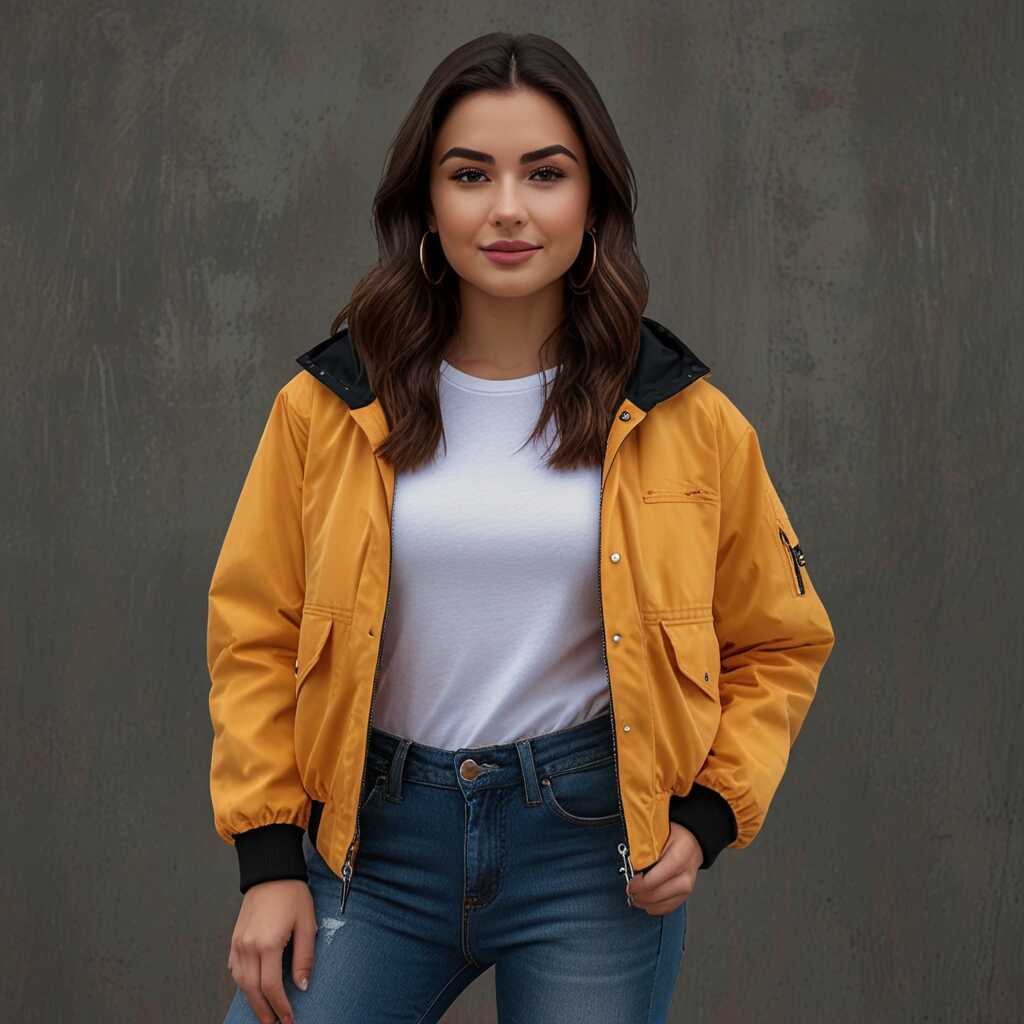
Natural fibers, like cotton, linen, and wool, provide superior breathability compared to synthetic fabrics such as polyester and nylon. This enhancement is crucial for moisture management. Natural fibers allow air circulation, which helps regulate body temperature and reduces sweating. In contrast, synthetic materials tend to trap heat and moisture, leading to discomfort. For example, cotton can absorb up to 27 times its weight in water, while polyester absorbs less than 1%. This significant difference affects how garments feel on the skin.
Understanding Moisture Management in Fabrics
Moisture management is essential for comfort in clothing. Natural fibers excel in this area due to their structure. Cotton and linen naturally wick away moisture, allowing it to evaporate quickly. This feature makes them ideal for warm climates. Wool also helps regulate temperature by absorbing moisture vapor without feeling wet. Synthetic fabrics, however, can retain moisture, leading to discomfort and irritation. Research shows that wearing natural fibers can enhance overall comfort and prevent skin irritation in hot environments.
Choosing Breathable Fabrics for Every Occasion
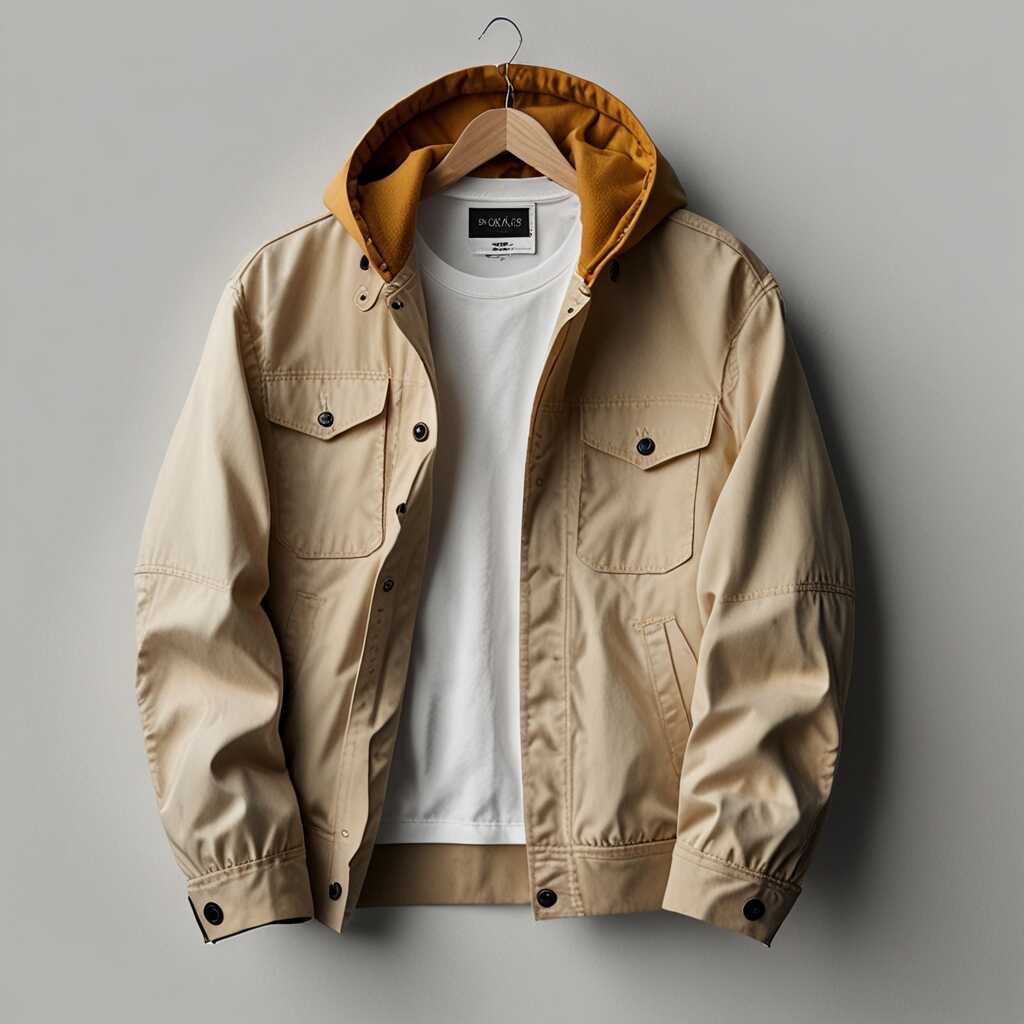
When selecting breathable fabrics, consider lightweight options like linen and cotton for work clothing. These natural fibers enhance comfort and allow for adequate airflow, which is essential during long hours. For casual wear, look for blends with lyocell or modal, as these materials provide a soft touch while also being moisture-wicking. In athletic activities, organic cotton and bamboo fabrics can handle high perspiration levels, ensuring you stay dry and feel great. These natural fabrics also offer reliable performance in hot weather by minimizing sweat accumulation.
Matching Natural Fibers to Activities
Choosing the right natural fiber hinges on the activity you’re engaging in. For outdoor work, opt for cotton or hemp-based clothing, as they are durable and breathable yet can withstand tough conditions. When attending social events, lightweight linen is an excellent choice due to its stylish appearance and comfort level. For fitness enthusiasts, look for bamboo fabric, which is known for its moisture-wicking properties and ability to keep you cool. Each fabric choice enhances comfort uniquely, enabling a better experience throughout various activities.
Advantages of Wearing Natural Fibers
- Natural fibers help regulate your body temperature for all-day comfort.
- They tend to be soft on the skin, reducing irritation or allergies.
- Wearers enjoy the freshness provided by fabrics that breathe well.
- Natural textiles are often better for the environment due to their biodegradability.
- Natural fiber clothing can minimize odors, keeping you feeling fresh.
- They offer excellent durability, lasting through many seasons of use.
- Wearing natural fibers supports ethical and sustainable fashion practices.
How to Maintain the Breathability of Natural Fibers
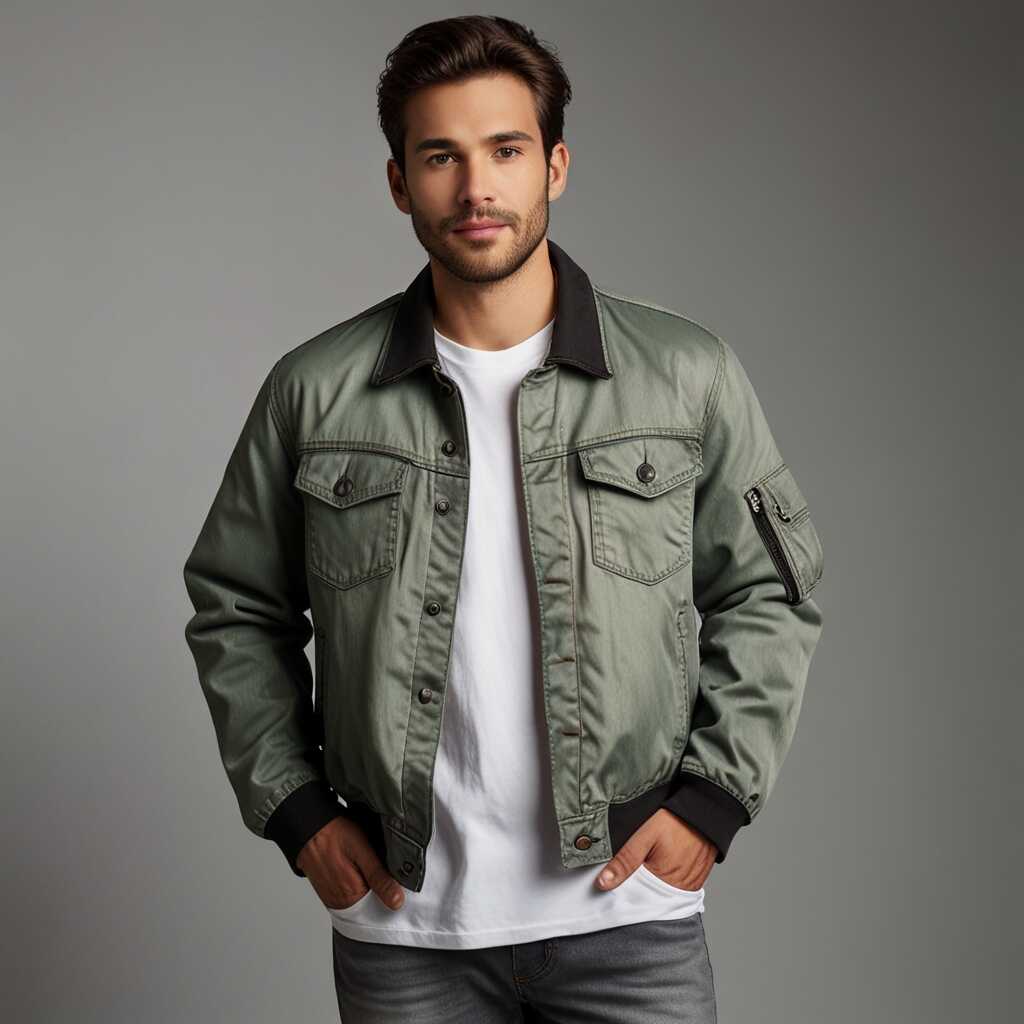
To maintain the breathability of natural fiber garments, use gentle washing methods. Select cold water for washing to avoid shrinking. Use mild detergents designed for delicate fabrics. Avoid bleach as it weakens fibers. For drying, air drying is preferred. Hang items in a shaded area. This prevents color fading while allowing moisture to escape. Store garments flat or hung in a cool, dry place. This helps maintain fabric integrity and ensures comfort over time.
Best Drying Practices for Natural Fiber Clothes
Drying natural fiber clothes correctly enhances their breathability and lifespan. Never tumble dry natural fibers like cotton, linen, or wool. Instead, lay them flat on a dry towel to absorb excess moisture. Alternatively, hang them on a drying rack, away from direct sunlight. This method prevents fading and shrinkage. Ensure there is enough space between each item to promote proper air circulation. This allows the fibers to breathe, keeping the fabric feeling fresh and comfortable.
Fashionable Outfit Ideas with Natural Fiber Styles
Explore trendy outfit ideas that combine natural fiber clothing with style and comfort. For casual outings, try pairing a lightweight linen shirt with comfortable cotton shorts. Linen offers breathability, while cotton provides softness. For a business casual look, layer an organic cotton blazer over a bamboo blend top and pair it with hemp trousers. This combination provides elegance and functionality. Additionally, natural dyeing techniques can enhance the aesthetic appeal while keeping outfits earth-friendly. To add versatility, consider having at least five different natural fiber clothing pieces in your wardrobe to mix and match seamlessly.
Mixing and Matching Natural Fabrics for Unique Outfits
Mixing and matching natural fibers can create unique and stylish outfits. Start with a foundation of breathable fabric styles like linen or cotton. For a casual feel, pair a hemp tank with a flowy organic cotton skirt. This combination ensures comfort and movement. For cooler weather, layering a merino wool cardigan over a natural silk blouse offers both warmth and luxurious texture. Always choose high-quality, eco-friendly materials; they provide durability and can handle numerous washes. This strategy not only enhances your personal style but also aligns with sustainable fashion choices, ensuring you’re making a positive impact with every outfit.
Popular Brands and Target Audience for Eco-Friendly Clothing
- Patagonia offers high-quality items focusing on environmental responsibility.
- Everlane is known for transparency in production and pricing.
- Many shoppers choosing natural fibers often look for comfort and style.
- Vetta Fashion caters to professionals seeking an elegant, versatile wardrobe.
- Reformation appeals to the eco-conscious generation, combining style with sustainability.
- Individuals interested in sustainable fashion often educate themselves on materials.
- Outdoor enthusiasts prefer brands like Smartwool for their functional benefits.
Innovations and Trends in Natural Fiber Fashion
Recent innovations in natural fiber clothing focus on enhancing comfort and breathability. Manufacturers employ cutting-edge fabric technology to develop lightweight materials like Tencel and organic cotton blends. These fabrics allow air circulation while reducing moisture buildup. Many brands, including sustainable labels, are designing clothing that uses advanced weaving techniques. This provides maximum comfort and efficiency. Since eco-conscious shoppers are demanding these features, brands prioritize sustainability in their production processes. Research indicates that about 70% of consumers value eco-friendly practices when choosing clothing.
Advancements in Fabric Technology for Breathability
Innovative fabric technologies play a critical role in improving the breathability of natural fibers. For instance, moisture-wicking fabrics now include bamboo and merino wool, allowing them to absorb sweat quickly. This enhances comfort during hot weather. Many brands implement textured weaves and 3D knitting to help maintain airflow. In 2025, expect to see more clothing lines integrating these technologies, aiming to provide consumers with breathable yet stylish options. Reviews from early adopters highlight a significant improvement in performance and comfort, confirming that these advancements make natural fibers more appealing.