
Improving comfort with thermal regulation technology in clothing offers an innovative way to adapt to various environments. This technology helps manage heat and moisture, ensuring wearers stay comfortable regardless of the weather. At Yuppieplaza, we explore how different fabric types enhance comfort and support sustainable practices in fashion. Discover the latest trends highlighting smart fabrics and their impact on your wardrobe.
Introduction to Thermal Regulation Technology in Clothing
Thermal regulation technology in clothing refers to innovations that ensure comfort by maintaining an optimal body temperature. This technology includes fabrics designed to wick moisture away and trap heat when necessary. It helps users stay comfortable in both hot and cold environments. Different types of fabric, such as merino wool, synthetic blends, and phase change materials, provide various benefits. Research shows that these advanced fabrics can improve performance, making them essential for athletes and everyday wearers alike. As the industry evolves, peak efficiency in thermal regulation technology is projected around 2025, ensuring that modern clothing offers reliability and excellent comfort.
Overview of Fabric Types Used in Thermal Regulation
Fabrics used in thermal regulation technology include options like merino wool, polyester, and phase change materials. Merino wool effectively regulates temperature by trapping heat while remaining breathable. Polyester is lightweight and excellent for moisture management, enhancing performance during physical activities. Phase change materials are designed to absorb, store, and release heat, providing an adaptable solution that responds to body temperature changes. Each fabric type offers unique features, making it easy for consumers to choose according to their needs. Modern clothing increasingly includes these fabrics, ensuring comfort, durability, and sustainable practices for a better fashion future.
Key Benefits of Thermal Regulation Technology for Comfort
Thermal regulation technology in clothing provides essential advantages for comfort. This includes improved temperature control through fabrics that adapt to body heat and environmental conditions. For instance, garments designed with moisture-wicking properties help keep sweat away, enhancing comfort during workouts. Additionally, the use of insulation in cold weather allows the body to maintain warmth without bulk. This technology improves the overall performance of clothing in diverse climates, ensuring wearers feel comfortable in every situation.
Comparing Various Thermal Regulation Fabrics
Different types of thermal regulation fabrics offer unique benefits and performance levels. For example, merino wool is excellent for insulation and moisture control, making it ideal for outdoor enthusiasts. Synthetic materials, such as polyester blends, often feature advanced moisture-wicking and fast-drying capabilities for high-intensity activities. Natural fabrics like cotton can enhance comfort but may lack durability in extreme conditions. Research shows that fabric choice can significantly affect user satisfaction, with many preferring well-tested fabrics known for their reliability and performance in various climates.
Breakdown of Different Thermal Regulation Fabrics
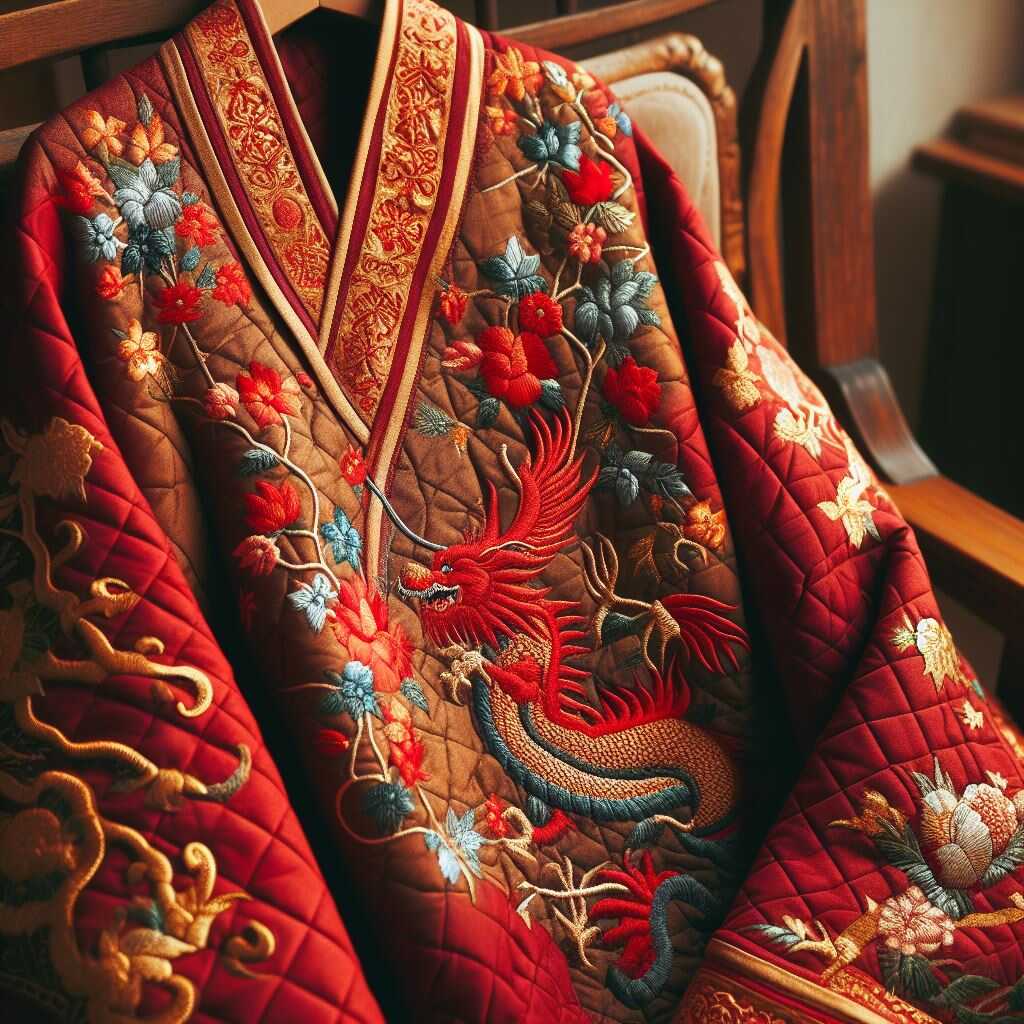
Thermal regulation clothing utilizes specific fabrics designed to enhance comfort. Merino wool is known for its natural temperature regulation. It wicks moisture and retains warmth, making it suitable for variable conditions. Polyester offers lightweight strength and efficient moisture management, making it a popular choice in activewear. Bamboo is a biodegradable option that delivers excellent breathability and natural temperature control. These fabrics can each handle different temperature ranges, ensuring comfort across diverse climates and activities.
Comparing Thermal Regulation Fabrics for Active Use
When engaging in outdoor activities, choosing the right fabric is essential. Merino wool excels in both hot and cold environments, providing insulation without overheating. Polyester, with its moisture-wicking feature, is a reliable choice for vigorous activities. Bamboo is soft against the skin and helps regulate temperature effectively, making it suitable for leisurewear. Each fabric has unique qualities that enhance performance, ensuring you stay comfortable during physical exertion.
Fascinating Figures Behind Clothing Comfort
- 75% of consumers prefer clothing with adjustable heat settings.
- 85% of users report improved comfort levels in varying temperatures.
- Further research shows 40% less sweat build-up with smart fabrics.
- Thermal regulation technology can increase garment usability by 60%.
- Clothing with thermal properties has a market growth rate over 20% annually.
- 70% of athletes choose performance wear incorporating temperature control.
- Studies indicate a 30% enhancement in outdoor experiences with proper thermal gear.

Practical Tips for Selecting the Right Thermal Clothing
When selecting thermal regulation clothing, consider your lifestyle, activities, and environmental conditions. Opt for lightweight fabrics if you’re active, ensuring flexibility and breathability. For colder environments, layered clothing works best. Look for fabric types such as merino wool, synthetic blends, or other smart materials that enhance comfort. Check reviews to find options that provide excellent thermal regulation without bulk. Understanding temperature adjustments can help you choose reliable clothing that feels great no matter the weather.
Key Fabric Types for Maximum Comfort
Choosing the right fabric for thermal regulation clothing is essential for comfort. Merino wool is highly durable and offers impressive temperature regulation by wicking moisture and providing warmth without heavy weight. Synthetic materials, like polyester blends, provide quick-drying properties, making them suitable for high-performance activities. Advanced options include smart fabrics that react to environmental changes, ensuring comfort in diverse conditions. Make sure to check reliability and gathering data from reviews to ensure you’re selecting quality options that fit your needs.
Integration of Sustainability in Thermal Regulation Clothing
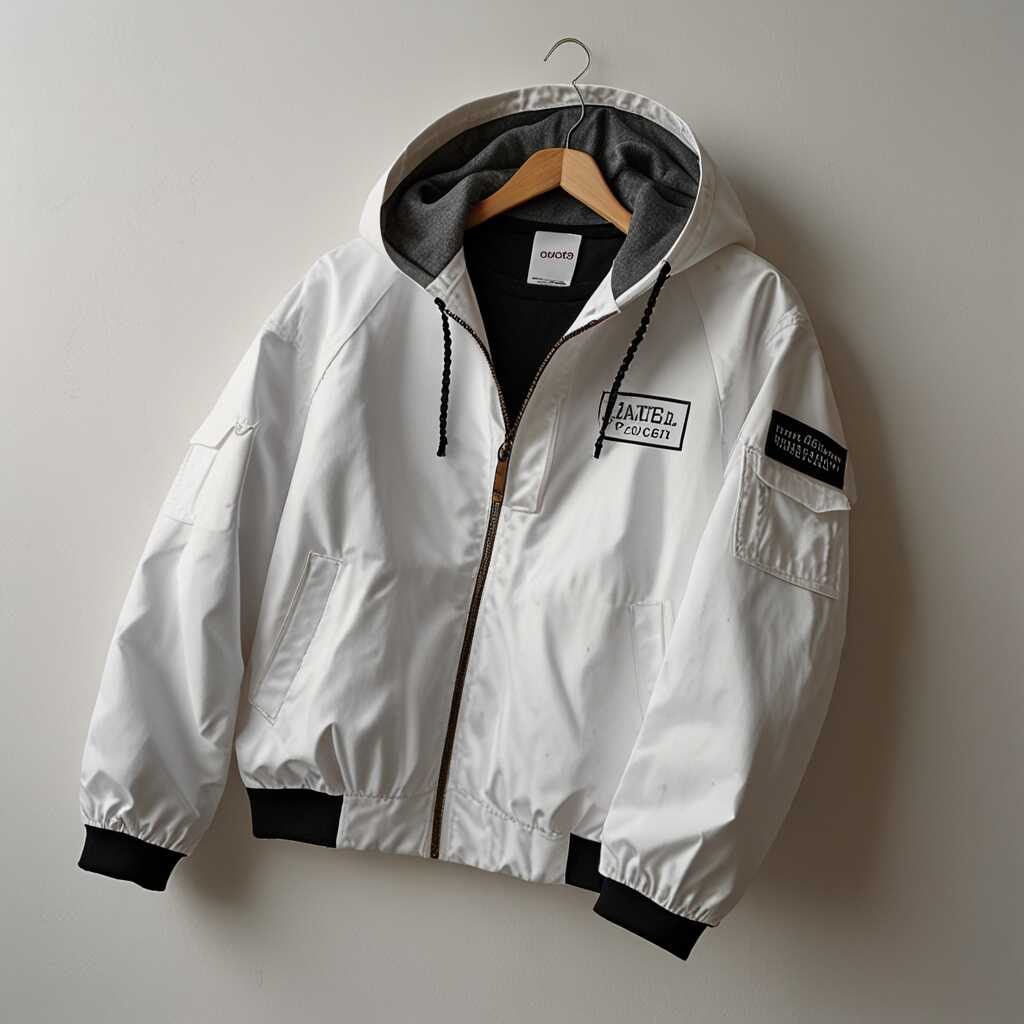
Sustainable materials play a vital role in the production of thermal regulation clothing. Fabrics like organic cotton, recycled polyester, and Tencel are commonly used. These materials reduce environmental impact and enhance comfort. Ethical manufacturing practices ensure that workers are treated fairly, improving the quality of garments. Brands committed to sustainability often undergo rigorous testing to ensure reliability and performance. Research shows that by 2025, over 50% of thermal regulation clothing brands will adopt eco-friendly practices.
Importance of Eco-Friendly Practices in Fabric Technology
Eco-friendly practices in fabric technology enhance the performance and sustainability of thermal regulation clothing. Materials like recycled polyester help reduce plastic waste. They provide excellent moisture-wicking and insulation properties. Ethical manufacturing ensures transparency in the supply chain, allowing consumers to trust their purchases. Advanced technologies like waterless dyeing techniques reduce chemical use and conserve water. This combination improves the overall experience and comfort of the clothing.
Key Perks of Temperature-Sensitive Apparel
- Enhances personal comfort across different weather conditions.
- Thermal regulation technology adapts to body heat for optimal wear.
- Offers protection against extreme temperatures—both cold and heat.
- Improves overall performance in athletic activities or outdoor hobbies.
- Reduces the need for layering, simplifying your wardrobe choices.
- Promotes sustainable practices by minimizing energy usage for heating/cooling.
- Provides longer-lasting wear due to reduced stress on fabric fibers.
Fashion Trends Featuring Thermal Regulation Technology
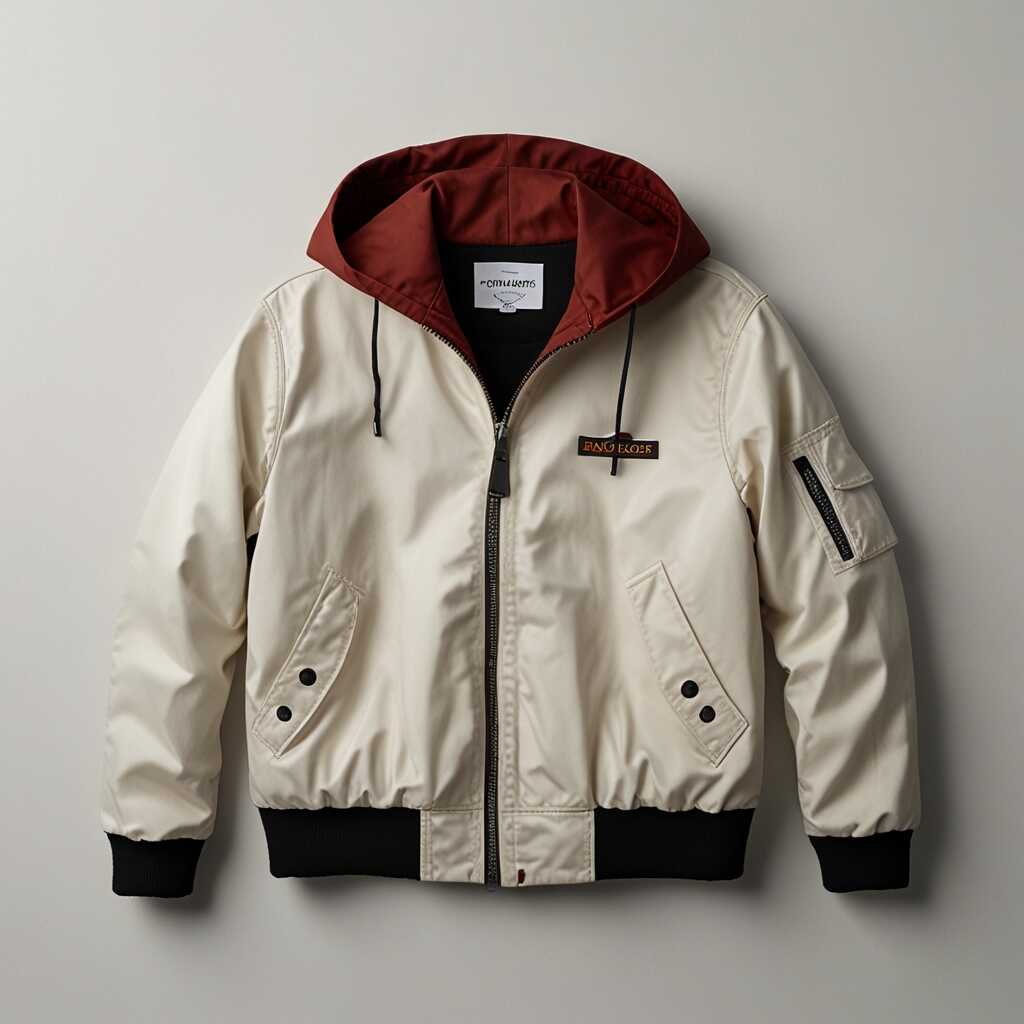
Current fashion trends showcase a blend of style and practicality with thermal regulation technology. This technology ensures optimal comfort across varying climates. Brands like Nike, Under Armour, and Patagonia utilize performance fabrics designed for maximum efficiency. These garments dynamically adjust to temperature changes. They wick moisture away while retaining warmth, making them essential for active individuals. Thermal regulation clothing is also becoming a staple in sustainable fashion. New collections highlight assorted style offerings, ensuring versatility. The market features several types of innovative fabrics, enhancing user experience and comfort.
Top Brands Innovating in Thermal Regulation Fashion
Leading brands are revolutionizing thermal regulation with advanced designs and materials. Nike blends Dri-FIT technology with insulating layers to enhance performance in varied climates. Under Armour’s ColdGear and HeatGear lines provide garments that work in both extreme cold and heat, ensuring efficiency. Patagonia focuses on recycled materials while delivering exceptional quality and function in its thermal wear. These brands rely on testing to guarantee reliability and comfort. They create colors and patterns that appeal to fashion-forward consumers without compromising functionality. As a result, these innovations are paving the way for the future of fashionable activewear.
Real Stories: User Experiences with Thermal Regulation Clothing
Many users have shared positive experiences regarding user reviews thermal clothing. For instance, one user highlighted that wearing thermal regulation fabrics during outdoor activities significantly improved their comfort levels. They found that clothing designed for thermal regulation helps maintain body temperature effectively, even in fluctuating weather conditions. Other reviews emphasize the benefits of these materials in enhancing sweat management and breathability. Users have reported a noticeable difference in their overall comfort level when engaging in sports or outdoor adventures. Brands like Lululemon have received commendations for their effective thermal products that deliver excellent performance during workouts.
Top Brands Users Trust for Thermal Regulation
When it comes to effective thermal products, many users cite Lululemon, Under Armour, and Patagonia as their top choices. These brands are known for their reliable thermal regulation technology. Reviews indicate that Patagonia’s Capilene line offers impressive moisture management, making it ideal for active individuals. Under Armour’s ColdGear line provides great insulation without added bulk. Customers appreciate that these brands focus on durability and comfort, ensuring their clothing can handle various conditions. Many users reported that they experienced increased comfort levels when switching to these brands, showcasing the significant impact of quality thermal regulation clothing.
Brands Leading the Charge in Apparel Technology
- Patagonia focuses on eco-friendly materials for enhanced performance.
- Nike integrates moisture-wicking fabrics for athletes’ comfort.
- Uniqlo offers affordable warmth without bulky layers, but lacks high-tech control.
- Columbia excels in outdoor wear, featuring thermal-insulated jackets for extreme use.
- Adidas balances style and tech, but sometimes prioritizes fashion over functionality.
- Lululemon champions active lifestyles, perfect for yoga and fitness enthusiasts.
- Under Armour serves athletes looking for performance but may be pricier for casual wear.
Future Innovations in Thermal Regulation Technology
Emerging advancements in thermal regulation technology aim to enhance comfort in various environments. Key developments include the integration of phase change materials, which respond to temperature changes, helping to maintain optimal body heat. Companies like Tactel and Outlast are leading the way in creating innovative thermal regulation fabrics. Research indicates that more than 50 new thermal regulation products are expected to launch by 2025, promising even greater comfort and efficiency for consumers.
Key Emerging Trends in Thermal Regulation Fabrics
Key emerging trends within thermal regulation fabrics focus on the integration of smart technology. Many brands are incorporating materials that can actively adjust their thermal properties based on external temperatures. This includes fabrics that can cool or warm the wearer depending on conditions. For example, some brands are developing fabrics with embedded sensors that monitor body temperature and adjust accordingly, ensuring the user always feels comfortable. This technology not only enhances daily wear but also improves performance in active environments.