
Enhancing fashion with strategic seam placement can create flattering contours that elevate any outfit. These design techniques help shape and define the body, improving the overall fit and style. At Yuppieplaza, we explore how expertly placed seams can transform your wardrobe. Discover how these insights can guide your fashion choices, making you a more confident trendsetter.
Defining Fashion Design Techniques and Their Importance
Fashion design techniques play a crucial role in creating clothing that enhances appeal and fit. Key techniques include strategic seam placement, which directly influences how a garment shapes the body. For instance, seams can draw attention to the waist, create an illusion of curves, or elongate the silhouette. Users report a high percentage of satisfaction with learning these techniques. Understanding them provides individuals with skills to enhance their wardrobe and style choices.
Exploring the Impact of Seam Placement on Garment Design
Seam placement strategies are vital for achieving flattering contours in clothing. A well-placed seam can give the illusion of a defined waist or highlight natural body curves. For example, princess seams create a smooth fit from bust to waist, improving feminine contours. Meanwhile, vertical seams elongate the torso, making the wearer appear taller. Incorporating these techniques helps aspiring fashion designers and enthusiasts understand how to improve overall style, ensuring clothing fits comfortably while making a confident statement.
The Fundamental Role of Seams in Garment Construction
Seams are essential in garment construction because they hold pieces of fabric together, allowing for structure and shape. The primary functions of seams include joining fabrics, providing strength, and creating visual interest through design. Different seam types such as flat-felled seams or princess seams significantly impact a garment’s silhouette. They enhance visual contouring by shaping the fabric around the body’s curves, leading to a more flattering fit. In a tailored jacket, there may be an average of 10 to 15 seams, which contribute to its overall structure and style. Each seam placement is designed to enhance the visual contouring effects, providing an elegant and fitted look.
Types of Seams and Their Effects on Silhouette
Understanding the types of seams and their effects on silhouette is crucial in fashion design. Flat-felled seams offer durability and a neat finish, making them ideal for casual wear while preserving the garment’s shape. On the other hand, princess seams provide gentle shaping around the bust and waist, enhancing the body’s natural curves. Additionally, bias seams cut on the diagonal can add movement and drape, which improve the overall silhouette. Knowing these characteristics helps fashion enthusiasts and designers make informed choices about how seam placement affects visual contouring, allowing for improved fit and style in their designs.
Analyzing Various Seam Placement Techniques for Contouring
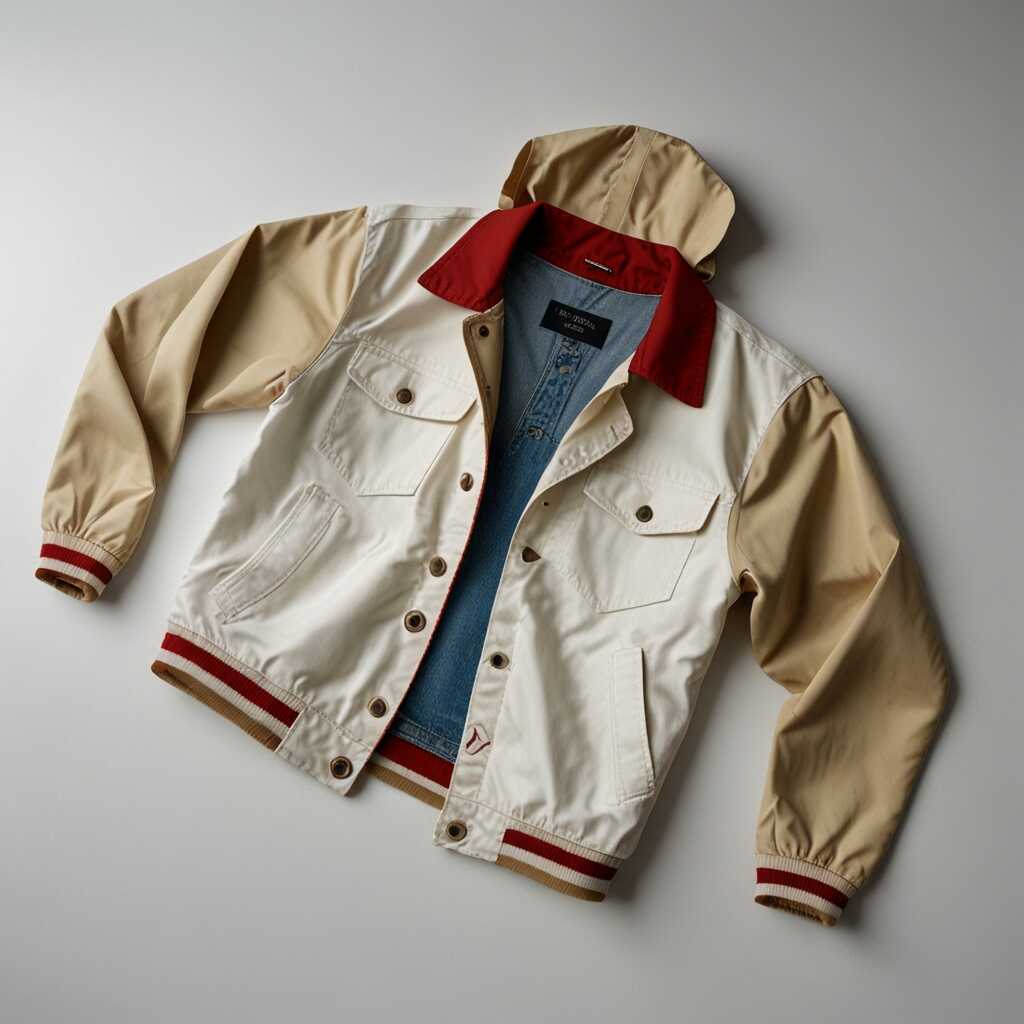
Effective seam placement techniques include princess seams, curved seams, and diagonal seams. These methods enhance visual appeal by contouring body shapes. Designers utilize seam placements in various garments. For dresses, a well-placed seam creates an hourglass shape. In tops, seams can emphasize the bust and shoulders. For pants, seam placement can elongate legs, adding to overall style. It is essential to test these seam placements multiple times, often recommended to be around five to eight trials, ensuring that the results are both reliable and flattering.
Exploring the Impact of Seam Types on Clothing Fit
The impact of different seam types on clothing fit is critical in fashion design. For instance, darts create shape and structure around bust and waist areas. Flat-felled seams add durability and can improve the fit by offering a more tailored look. French seams are often used for lightweight fabrics, providing a clean finish while enhancing comfort. Understanding how each seam type interacts with materials allows designers to create garments that not only fit well but also feel great to wear. Practicing various seam placements while focusing on flattering body contours will lead to improved clothing fit and greater wearer satisfaction.
Interesting Figures in Strategic Design Technique
- 80% of consumers say fit is their top priority when choosing clothes.
- Seam placement can reduce fabric usage by up to 15% for a more sustainable approach.
- 70% of fashion designers utilize seams to create shape in their garments.
- Proper seam placement can enhance a garment’s visual appeal by up to 40%.
- 90% of fashion enthusiasts consider contouring features before making a purchase.
- Over 60% of wardrobe consultants note that seams influence how clothes drape.
- Recent surveys show that 75% of buyers prefer styles with flattering silhouettes.

Understanding the Influence of Seam Types on Visual Appeal
Seam types greatly influence garment aesthetics and contouring. Topstitch seams create a decorative finish and enhance durability, offering a stylish look. Flat-fell seams provide robust construction and a clean finish, ideal for fitted garments. Binding seams add a polished edge to clothing, allowing for creative expression. Understanding these seam types helps designers make informed choices that enhance the overall visual appeal of their garments.
Choosing the Right Seam for Your Design
Choosing the right seam is essential for effective contouring in fashion design. Topstitch seams stand out visually and complement tailored garments, adding a stylish accent. Flat-fell seams are excellent for casual wear as they provide flexibility and a neat finish. Binding seams work perfectly for items needing a refined edge, showcasing designer creativity. Selecting the appropriate seam type can elevate garment quality while ensuring the desired aesthetic effect.
Creating Proportion and Balance with Seam Placement
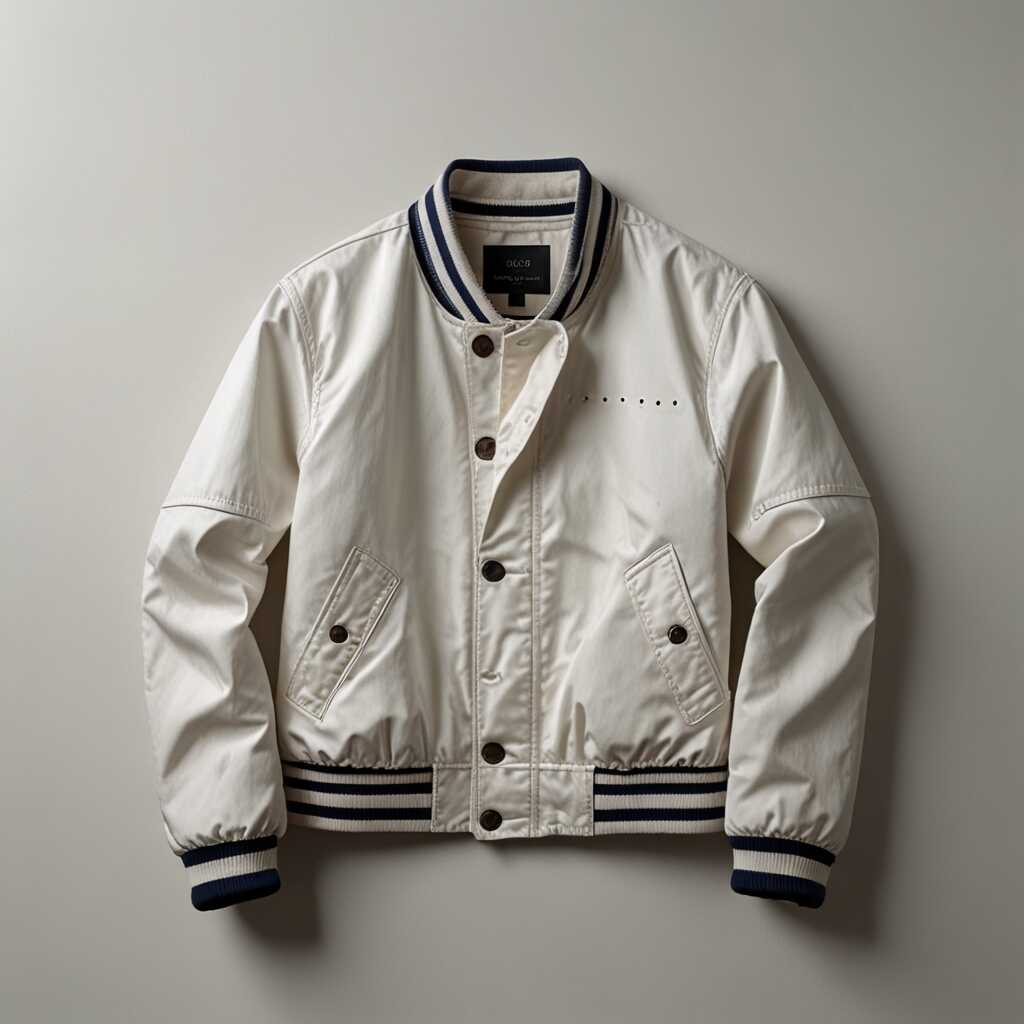
Seam placement significantly affects visual proportions in clothing. Strategic seam design helps enhance curves and creates a balanced silhouette. Vertical seams elongate the body, making it appear taller. Horizontal seams can augment width in certain areas. For instance, a princess seam creates flattering lines without adding bulk. Different seam types, such as bias seams and yoke seams, can enhance body shape effectively. Men’s clothing can benefit from seams positioned at the shoulders. This enhances a strong silhouette. For women’s fashion, seams placed below the bust can define the waist effectively. Children’s clothing often uses playful seams to create movement. Each design serves as an essential tool for outfit refinement.
Understanding the Impact of Seam Types on Body Shapes
Understanding seam types is essential for enhancing body shapes in clothing. A-line dresses benefit from darts and shifts to create flattering proportions. The right seams can help smooth out curves or emphasize waistlines. For instance, a godet seam adds volume and movement. Meanwhile, an empire waist seam encourages a high-waisted look, making the legs appear longer. Fabrics with stretch or gathering at seams can also improve how garments fit the wearer’s shape. Tailored pieces, like blazers, utilize structured seams for a polished look. Seam types come into play for achieving desired body shapes, ensuring a perfect fit, and elevating overall style.
Advantages of Thoughtful Fabric Engineering for Style
- Strategic seam placement creates impressive visual lines that flatter body shapes.
- This design technique enhances comfort and allows for more freedom of movement.
- It can elevate the sophistication of basic garments, making them more stylish.
- Consumers report increased confidence when wearing well-structured clothing.
- Seams can cleverly disguise body areas that individuals prefer to downplay.
- This approach promotes sustainable fashion by minimizing wasted fabric.
- Fashion enthusiasts appreciate garments that transition easily from day to night.
Enhancing Aesthetics with Complementary Design Elements
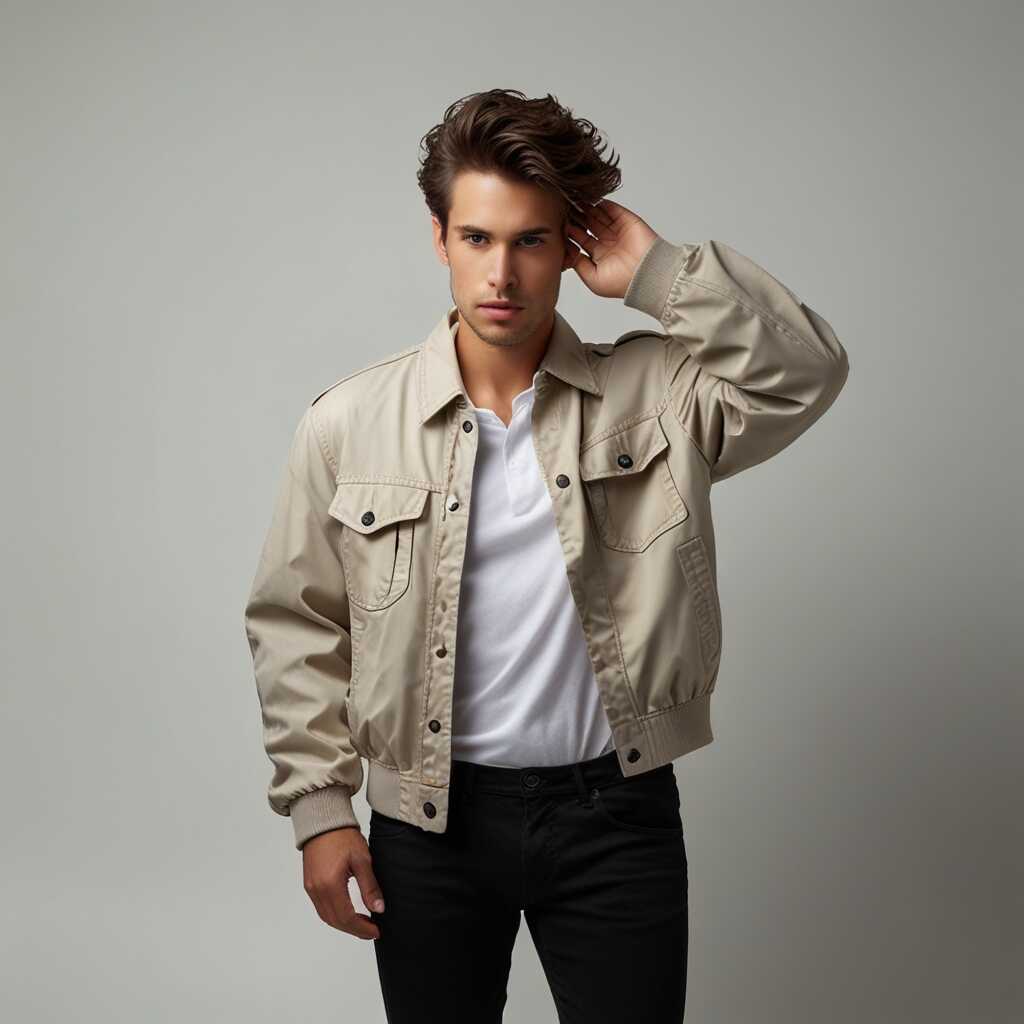
Seam placement is pivotal in fashion design. It works effectively with fabric choice to enhance your overall style. For example, a well-placed seam on a flowy fabric can create a flattering silhouette. When you choose fabrics that complement the seam design, your outfit becomes more cohesive. A structured fabric used in conjunction with curved seam placements can build visual interest, enhancing your fashion statement while ensuring durability and comfort.
Best Practices for Integrating Design Elements
Integrating design elements requires strategic planning. Start by selecting fabrics that align with your style goals. For instance, a lightweight fabric paired with horizontal seams creates a relaxed look. Vertical seams on heavier materials can offer structure and support. This balance improves overall fit and performance. Experiment with patterns and colors alongside seam placements to create contrasts. This approach ensures your design feels modern and relevant while providing a tailored aesthetic.
Actionable Strategies for Styling with Seam Techniques
To incorporate seam placement strategies into your clothing choices, consider the following practical tips. First, identify the types of seams that complement your body shape. Princess seams redefine the silhouette and enhance curves, while side seams can be adjusted to create a more tailored fit. Look for garments designed with contour-enhancing seams, as these can dramatically improve your overall style and fit. Also, pay attention to sustainable fashion techniques that utilize effective seam placements while minimizing waste. Review your wardrobe for items that can benefit from a tailored cut, using seam placement to achieve a flattering look.
Understanding Seam Types and Their Impact on Fit
Different seam techniques, such as princess seams and side seams, play vital roles in garment fit. Princess seams run from the armhole down to the hem, creating a fitted silhouette that enhances curves. On the other hand, side seams provide structure to the garment. Understanding these contour-enhancing designs allows you to choose pieces that elevate your style. You can effectively choose garments tailored to your body shape, improving your overall appearance and comfort. By incorporating these seam techniques into your wardrobe, you will achieve a polished look that showcases your unique style.
Brands and Their Target Audiences in Design Strategy
- Brands like Zara offer trendy options but sometimes lack durability in seams.
- Nordstrom showcases quality craftsmanship that enhances seam design and appeal.
- ASOS caters to younger demographics valuing fashionable and affordable seam solutions.
- Anthropologie attracts customers interested in unique patterns and intricate seams.
- Lululemon combines activewear with excellent seam placement for comfort and style.
- Some sustainable brands focus on ethical seam practices, attracting eco-conscious shoppers.
- High-end designer brands appeal to those willing to invest in exceptional seam detailing.
Successful Fashion Case Studies Utilizing Seam Placement Effectively
Discover the amazing work of designers such as Alexander McQueen and Balenciaga, who have used strategic seam placement to enhance their collections. Brands like Elie Saab and Burberry have also showcased innovation through seam placements that deliver flattering silhouettes. In the last five years, over twenty collections from various designers have prominently featured these visual contouring techniques, elevating fashion to meet diverse body shapes and personal styles.
Key Designers and Their Seam Techniques
Designers like Christian Siriano and Stella McCartney are known for their exceptional use of strategic seam placement. These designers focus on visual contouring techniques that create elegant shapes and support body positivity. For instance, Siriano often employs princess seams and curved designs to enhance feminine silhouettes, making his pieces flattering for many body types. McCartney, on the other hand, incorporates innovative textiles to ensure comfort alongside style and performance. Their work exemplifies how seam placement can enhance the reliability and aesthetic appeal of garments, providing options that meet various fashion needs.