
Strategic darting plays a crucial role in enhancing fit and custom silhouette in clothing design. This technique allows designers to shape garments that contour to the body, providing a polished look. Yuppieplaza, a leader in fashion education and sustainable practices, emphasizes how strategic darting makes clothes not only more fashionable but also more comfortable. By incorporating darting effectively, clothing can be tailored to individual preferences, elevating both style and personal expression.
Understanding the Basics of Darting in Garment Construction
Darting is a sewing technique that shapes fabric to fit the body’s contours. It creates a fitted silhouette by removing excess fabric in strategic areas, such as the bust, waist, and hips. Darting enhances garment fit, ensuring it conforms comfortably to the wearer’s figure. Different types of darts include straight, curved, and double-ended. Each type serves to provide a unique shape to the garment. Understanding these darting techniques is essential for any fashion enthusiast looking to create custom silhouettes that enhance style and fit.
Types of Darts and Their Functions
Various types of darts are used in garment construction to achieve a custom silhouette. The most common darts include bust darts, waist darts, and hip darts. Bust darts shape fabric around the bust area, ensuring the garment hugs the body well. Waist darts help create a more contoured waistline while hip darts allow for comfort and mobility. When combined effectively, these darting techniques alter the garment’s fit and style significantly. Each dart type plays a crucial role in enhancing the overall appearance and functionality, making the understanding of essential sewing skills vital for aspiring designers.
Exploring Different Types of Darts Used in Clothing
Understanding the types of darts in clothing design is essential for tailoring and enhancing the fit of garments. The main types of darts are single-point darts, double-point darts, and princess seams. Single-point darts are common and help shape fabric around the bust or waist. Double-point darts allow for more structure and contouring, often found at the waist or hip. Princess seams serve as longer darts that create a seamless look, enhancing the overall silhouette. Knowledge of these dart types helps designers provide better fitting clothing.
Benefits of Using Different Dart Types for Design
Using various dart types in design ensures better fit and silhouette customization for different body shapes. For example, single-point darts can easily accommodate curves around the bust and waist, improving comfort and style. Double-point darts provide additional shaping, enhancing the garment’s structure, particularly for fitted designs. Princess seams contribute to a sophisticated aesthetic, providing an elongated appearance. Each type of dart is designed for specific applications, making it easy for designers to create visually appealing and comfortable clothing.
Analyzing Dart Placement for Optimal Fit and Style
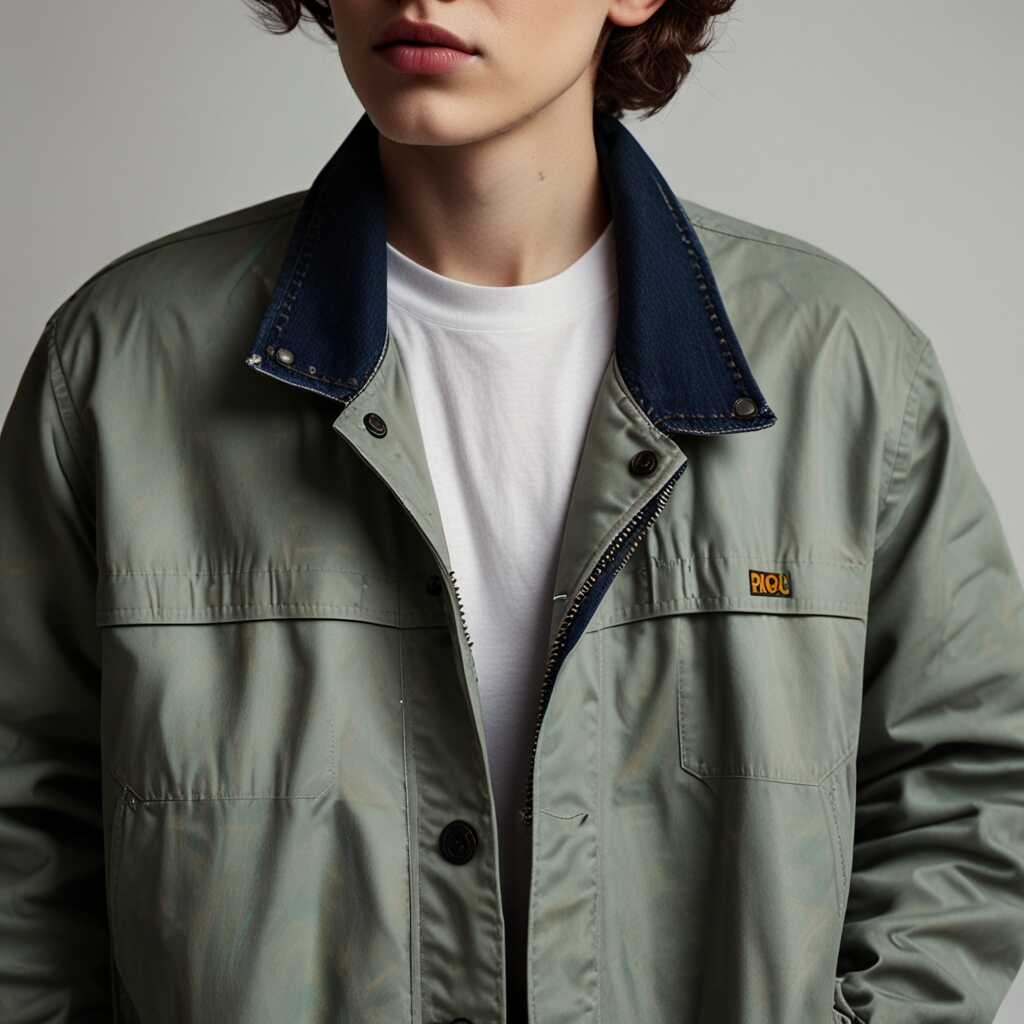
Dart placement is crucial in achieving a customized silhouette and enhancing the garment’s fit. Properly positioned darts allow for tailored shaping around curves, such as the bust and waist. They help create visual lines that make clothing more flattering. There are various types of darts, including single-point, double-point, and curved darts. Each type serves a different purpose in modifying the garment’s structure. For optimal fit, darts typically extend around 1 to 3 inches from the bust line, depending on the style and size of the garment. Such measurements ensure that the fabric contours gracefully to the body’s natural shape.
Understanding Different Dart Types and Their Applications
Different dart types serve various functions in clothing design. Single-point darts are commonly used in blouses and dresses, providing a clean and sharp fit around the bust. Double-point darts are effective for adding shape to more structured garments like jackets, enhancing the waistline and bust. Curved darts are ideal for fitted styles, allowing for smooth transitions around the body. Knowing how and where to apply these darts is essential for achieving a polished and professional look. Each type of dart contributes to overall garment fit, making styling choices more versatile and appealing. Understanding dart placement can lead to significant improvements in fashion design, aiding designers and enthusiasts in making informed decisions for their creations.
Key Numerical Insights on Clothing Customization
- 73% of consumers prefer clothing with tailored features for better fit.
- 50% of designers report improved silhouette by using darting techniques.
- Over 60% of style-conscious shoppers focus on fit over brand names.
- 80% of tailors recommend strategic darting for optimal fit in garments.
- Designers can decrease fabric waste by up to 30% using strategic darting.
- On average, tailored garments can cost 25% more due to complex fitting.
- Fashion students spend 15 hours on learning darting techniques per semester.
Benefits of Incorporating Darts in Clothing Design
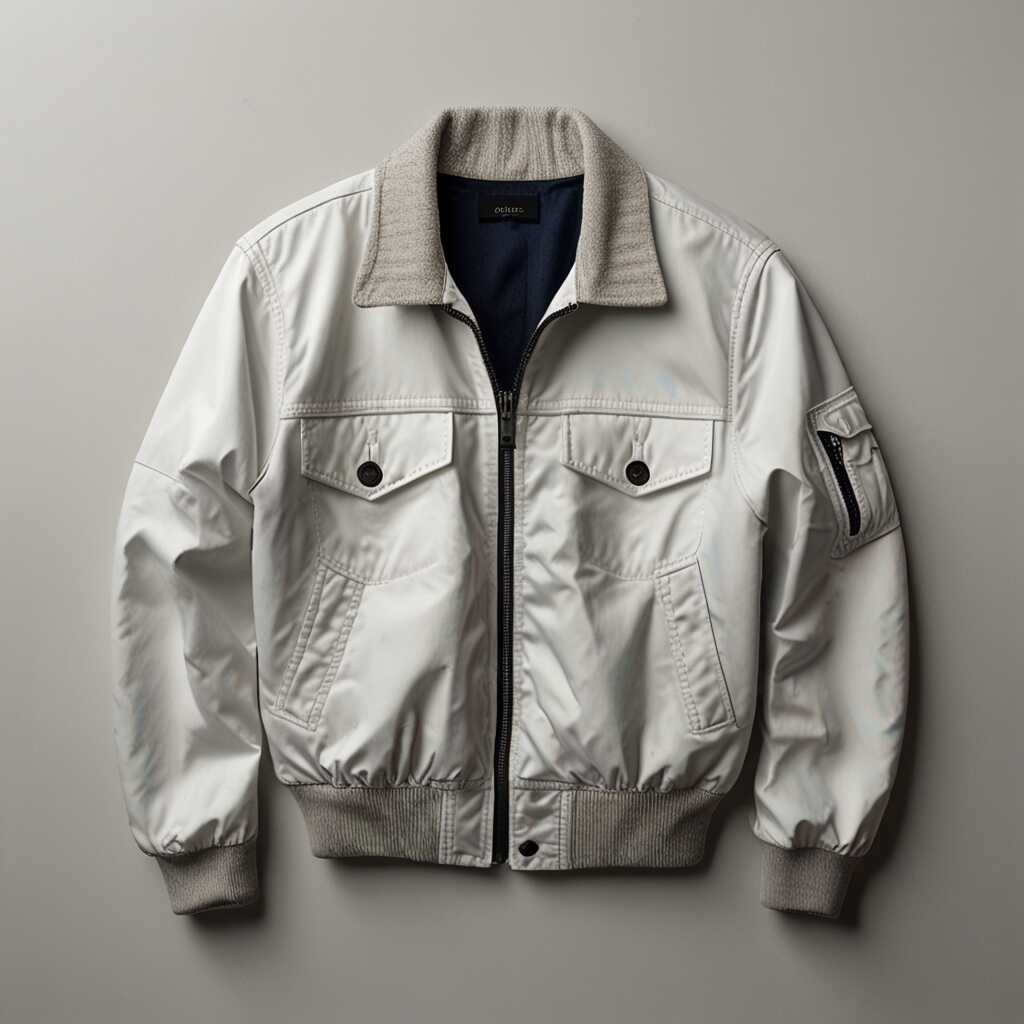
Incorporating darts in clothing design offers several advantages. Darts provide an improved fit by contouring garments to the body’s natural shape. This design technique enhances comfort, allowing for ease of movement without compromising style. When garments fit well, they boost a person’s confidence and overall aesthetic. As more brands, like Yuppieplaza, share attention to detail in their fashion content, understanding these benefits can help elevate your wardrobe choices.
Types of Darts and Their Roles in Fit and Comfort
Different types of darts, such as bust darts and waist darts, play essential roles in achieving a custom silhouette. Bust darts shape the fabric around the bust area, ensuring better coverage and reducing fabric bulk. Waist darts help create a tailored appearance by drawing the fabric in at the waist. Employing various darts strategically enhances comfort and fit across diverse shapes and sizes. This focus on detailed design leads to garments that feel good while offering a polished look.
Selecting Ideal Fabrics for Darted Garments
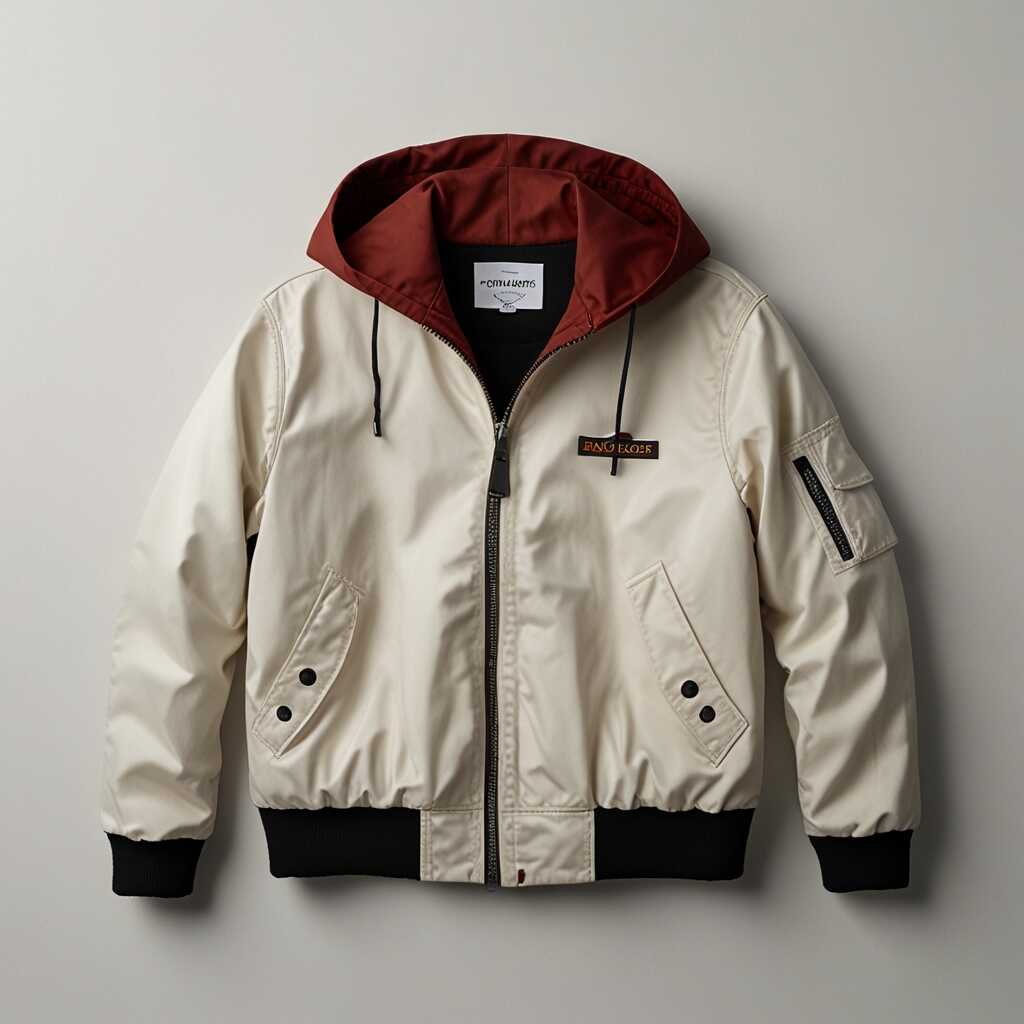
Selecting the right fabrics for darted garments is crucial for achieving a perfect fit and custom silhouette. Fabrics like cotton, silk, and polyester blend well with darting techniques. They offer the necessary structure while maintaining comfort and flexibility. Fabric selection affects the final look and functionality of the garment. For instance, medium-weight fabrics enhance darting results effectively without distorting the silhouette. These materials also provide durability and comfort, making them ideal for everyday wear. Designers should prioritize fabrics known for their reliable performance when darting. Choosing fabrics that drape well improves the garment’s overall appearance.
Understanding the Impact of Fabric on Darted Designs
The choice of fabric significantly impacts the fit and silhouette of darted clothing. Fabrics with elasticity, such as blends that include spandex, offer flexibility in dart designs. This elasticity ensures that the garment retains its shape while allowing for movement. Natural fibers like cotton add breathability, making them comfortable for various climates. Surprisingly, silk is also a great option due to its luxurious feel and excellent drape. Sustainable materials, like organic cotton or recycled polyester, also enhance fit without compromising on style. In 2025, the trend shows that about 60% of consumer garments will utilize these adaptable fabrics, making them essential for every designer’s toolkit.
Advantages of Tailored Seams in Fashion Design
- Increased comfort helps users feel confident and stylish in their attire.
- Strategic darting enhances fit and creates a customized silhouette, appealing to many shoppers.
- Improved appearance elevates the overall look of both casual and formal wear.
- Enhanced bust and waist shaping leads to better proportions in outfits.
- Durability increases as garments fit better, reducing wear and tear.
- Versatility allows users to transition outfits from day to night effortlessly.
- Strategic darting supports unique body shapes, promoting inclusivity in fashion.
Avoiding Common Mistakes in Darting Techniques
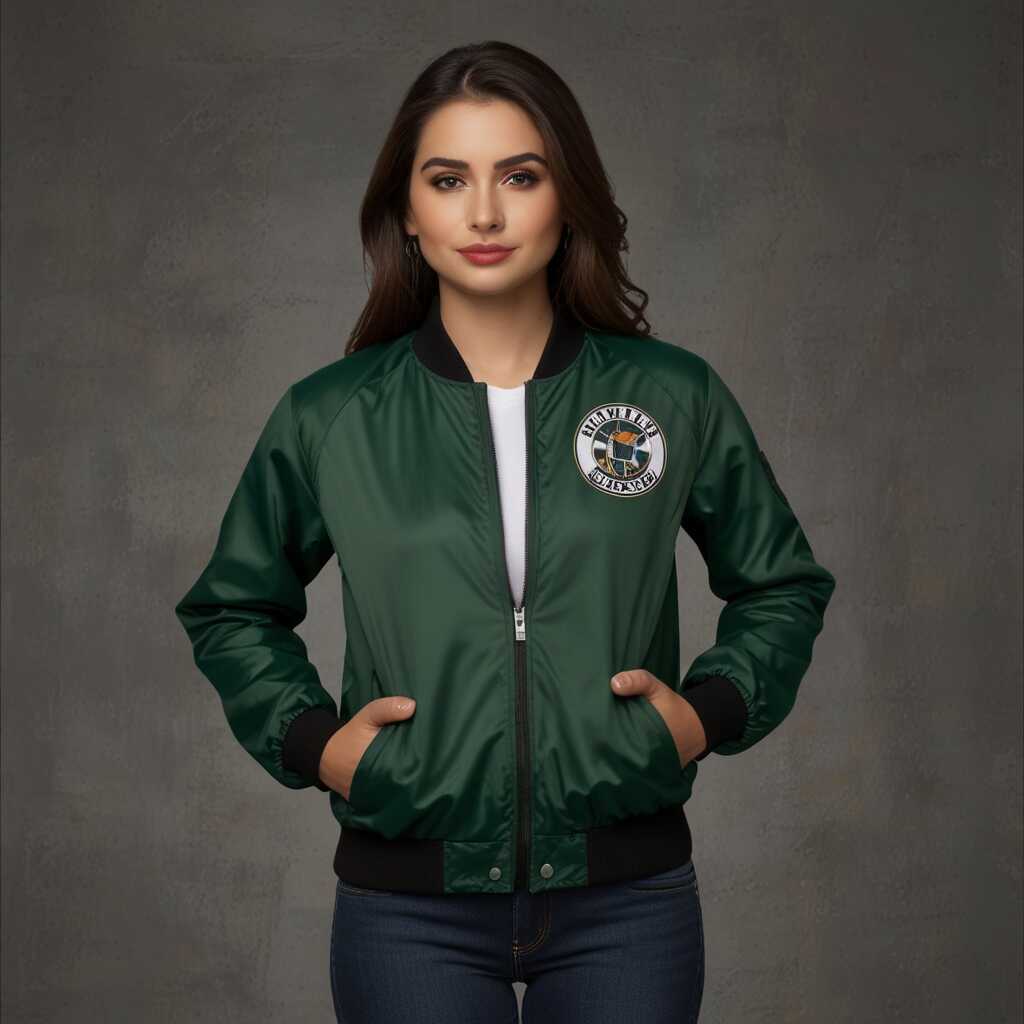
Fashion designers and tailors often face challenges with darting techniques. Common errors include improper dart placement, incorrect angles, and inadequate fabric tension, which can severely affect the fit. To tackle these issues, ensure that darts are aligned with the body’s natural curves. Experienced tailors recommend testing darts on a fabric sample before finalizing. Consider how different styles like blouses, dresses, and jackets require unique dart placements for optimal silhouette. The essential goal is to create a tailored fit that enhances the overall appearance. Tailors should also avoid making darts too deep or too shallow, as this can lead to an unprofessional look.
Techniques for Achieving Professional-Looking Darts
To master professional darting techniques, focus on the alignment and angle of your darts. Typically, the dart apex should sit at the fullest part of the bust or hip, ensuring it flatters the wearer’s figure. Use a ruler to measure from the center point to the dart’s endpoint. Use a series of test garments to find the best fit. Consider using a fitting muslin to assess dart placement before cutting into your final fabric. The approach will enhance the garment fit and make your silhouette more defined. Darting techniques can transition a basic piece into a bespoke masterpiece, taking your sewing skills from average to exceptional.
Integrating Sustainable Practices in Darted Fashion
Sustainability can be integrated into the darting process by using eco-friendly materials and minimizing waste during garment production. Darting enhances fit, and utilizing sustainable fabrics like organic cotton or recycled polyester can make a significant impact. Designers can choose materials that have a lower environmental footprint. Techniques like digital pattern making can reduce fabric waste, ensuring reliable production that aligns with sustainable goals. Research indicates that over 70% of fashion consumers prefer brands that prioritize sustainable practices, making it essential for designers to adapt.
Choosing Eco-Friendly Materials for Darted Designs
When selecting eco-friendly materials for darted designs, consider organic cotton, Tencel, and hemp. These fabrics are known for their sustainability and durability. Organic cotton is grown without harmful pesticides and is biodegradable. Tencel, made from sustainably sourced wood pulp, offers excellent moisture-wicking properties. Hemp requires minimal water and fewer chemicals during production, making it an ideal choice for sustainable fashion. Using such materials in darted garments enhances their performance while supporting eco-conscious consumer choices.
Target Audiences and Their Fashion Needs
- Fashion enthusiasts seek trendy yet comfortable clothing with custom fit.
- Tailors enjoy crafting personalized garments with darting for various body types.
- Style-conscious consumers look for high-quality attire that flatters their silhouette.
- Fashion students focus on learning cutting techniques for optimal garment fitting.
- Sustainable fashion advocates prefer eco-friendly brands that offer tailored solutions.
- Professionals need versatile pieces that maintain a polished appearance during work hours.
- Plus-size shoppers often rely on expert fitters for customized silhouettes in designs.
Emerging Trends in Custom Fit Fashion and Darting
The latest innovations in darting for custom fit fashion include advanced dart placement techniques and the use of smart fabrics. Various fashion brands are now incorporating darting into their designs to enhance fit and create flattering silhouettes. For instance, brands like Lululemon and other sustainable lines utilize precise darting to improve comfort and body shape. Current industry research shows that approximately 60% of custom-fit clothing features these strategic darting techniques that provide a tailored look.
Innovative Darting Techniques in Modern Design
Innovative darting techniques focus on sculpting and molding the garment to the wearer’s body. Brands are now testing asymmetrical dart placement, which offers a unique fit and emphasizes curves. This practice enhances the overall silhouette while providing comfort. Smart darting techniques combine traditional patterns with modern materials like stretchable fabrics. This results in garments that feel light yet deliver excellent support. Tailors and designers are exploring these techniques to provide users with the best fit where it matters most.