
Anti-odor clothing technology extends wear time before washing by minimizing odors and stains in garments. This innovative technology allows you to wear your favorite clothes longer without frequent laundering. At Yuppieplaza, we explore how such advancements promote sustainable fashion practices and boost laundry efficiency for busy professionals. By investing in anti-odor fabrics, you can make smarter choices that benefit your wardrobe and the environment.
What is Anti-Odor Technology in Clothing
Anti-odor technology in clothing refers to specialized fabric treatments that prevent the development of odors. This technology often utilizes materials designed to inhibit bacteria and fungi growth, which are the main causes of unpleasant smells. Many of these fabrics include silver nanoparticles or activated carbon that neutralize odors upon contact. Research shows that effective anti-odor fabrics can perform reliably, enhancing wear time significantly. Some brands even conduct specific testing to determine how long these fabrics can maintain their freshness. This innovation proves valuable for busy professionals or anyone looking to embrace sustainable fashion practices.
How Does Anti-Odor Technology Work in Different Fabrics?
Different fabrics utilize a variety of mechanisms to enhance odor resistance. For instance, polyester and nylon are often treated with anti-microbial agents that fight odor-causing bacteria. Merino wool naturally resists odors due to its unique structure and moisture-wicking properties. Cotton can be blended with synthetic fibers to incorporate these odor control features. Each fabric technology features unique strengths that improve comfort and longevity of wear. Brands are constantly researching new materials and finishes to enhance the effectiveness of anti-odor technologies, ensuring they meet user needs in efficiency and durability.
Advantages of Anti-Odor Clothing for Everyday Use
Anti-odor clothing offers several essential benefits. First, it enhances comfort by keeping you fresh throughout the day. This comfort is especially valuable for busy professionals who experience long hours. Second, the versatility of anti-odor clothing allows for seamless transitions between various activities. You can wear the same outfit for work and social events without worrying about unpleasant odors. Lastly, this technology significantly reduces the frequency of washing. Many users report needing to wash their anti-odor garments only after several wears, saving time and water consumption.
Understanding the Technology Behind Anti-Odor Clothing
Anti-odor clothing employs advanced materials and treatments to inhibit odor-causing bacteria. These garments are designed with durable fabrics and reliable technology that enhances their performance. They often include features like moisture-wicking and breathability, which further help to maintain freshness. The technology not only improves comfort but also extends the life of the fabric. Research shows that regular washing can wear down fibers, whereas anti-odor clothing stays durable longer. Consumers can easily find various options that fit their style, making sustainable fashion both functional and stylish.
Materials Known for Anti-Odor Properties
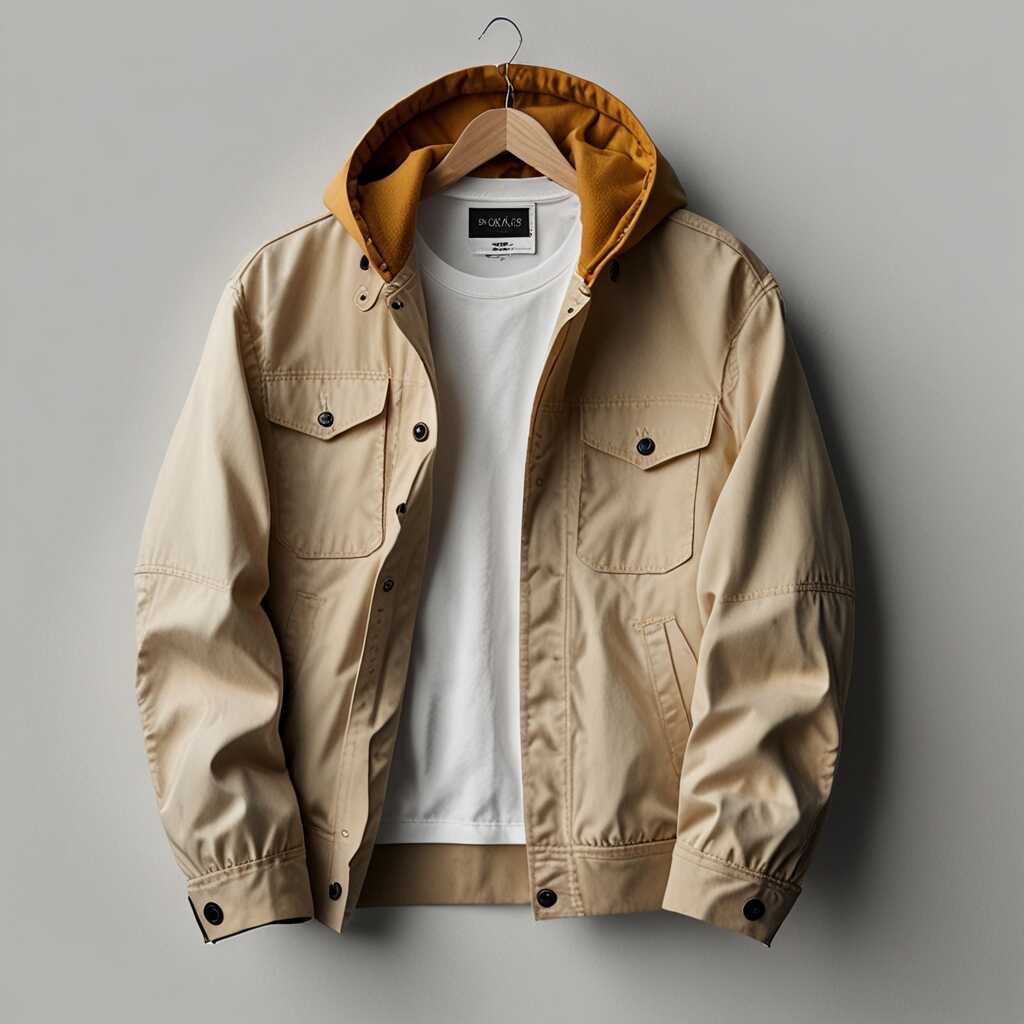
Anti-odor clothing technology uses various materials to prevent unwanted smells. Natural fabrics, like merino wool and bamboo, provide inherent anti-odor properties. Synthetic fabrics, like polyester and nylon, often undergo treatments to achieve odor resistance. Merino wool is effective due to its moisture-wicking abilities. Bamboo fabric contains natural anti-bacterial properties that enhance its odor control. Polyester and nylon, when treated with technologies like silver ions, can effectively combat odor. The market features numerous options, helping individuals choose the best materials for their needs.
Comparing Natural and Synthetic Fabrics for Odor Control
When comparing natural and synthetic fabrics for odor control, each offers unique advantages. Natural fabrics like merino wool are breathable and can absorb moisture effectively, improving comfort and odor management. Synthetic options, such as polyester, can be engineered with advanced anti-odor treatments, ensuring durability and functionality. Testing shows that merino wool helps in regulating body temperature, while treated polyester dries quickly, enhancing performance in active wear. Research indicates that merino wool can handle odors better over time compared to many synthetic fabrics. Selecting the right fabric depends on specific performance needs and personal preferences, providing users with efficiency and comfort.
Interesting Numbers in Fabric Technology
- Anti-odor tech can keep clothes fresh for up to 7 days.
- Some fabrics use over 90% antimicrobial treatments.
- Studies show a 50% reduction in laundry frequency with this technology.
- Users often report a 30% increase in garment lifespan.
- Many brands offer anti-odor items for various activities at affordable prices.
- Approximately 20% of fabric sales are now focused on odor management.
- Up to 75% of people say freshness influences their clothing choices.
Proper Care Techniques for Anti-Odor Garments
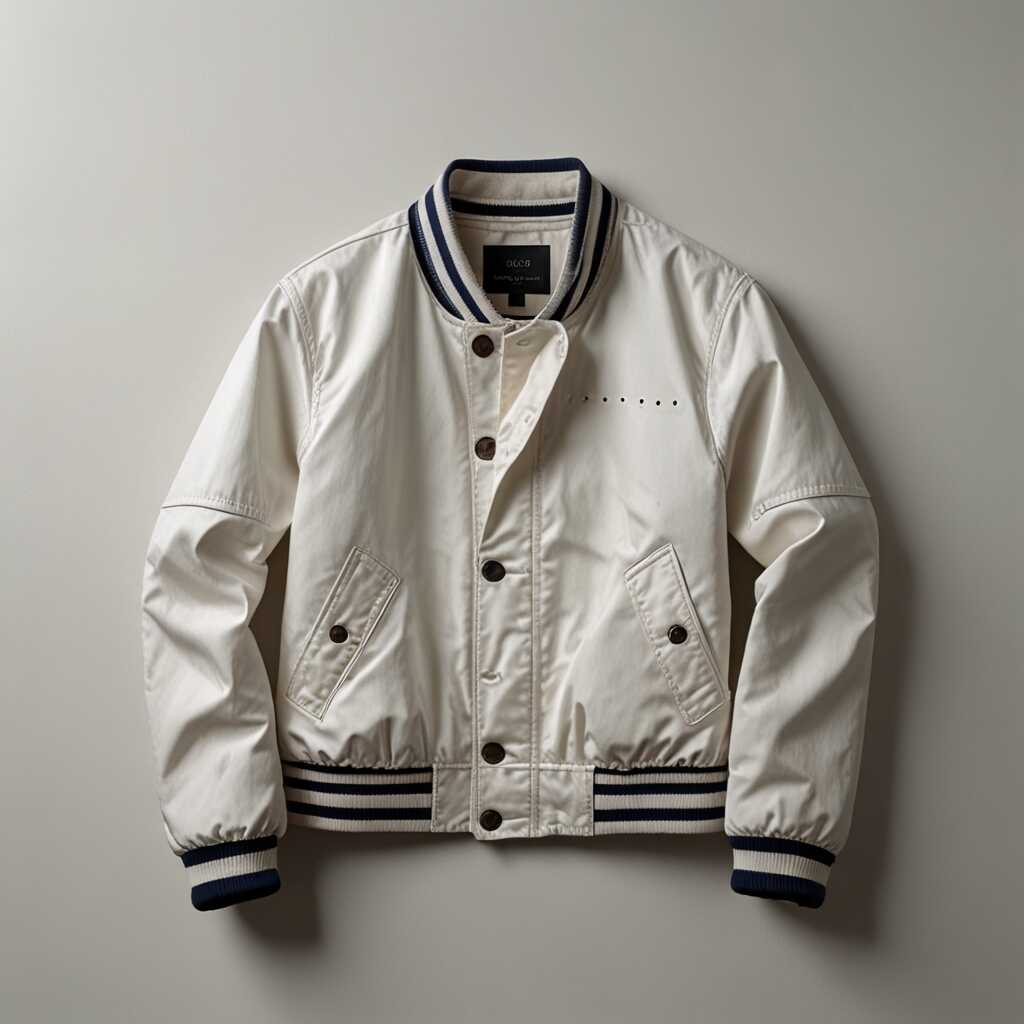
To maintain the efficacy of anti-odor clothing, wash them in cold water using a gentle detergent. Avoid fabric softeners, as they can coat the fibers and reduce performance. Air drying is recommended to prevent damage from high heat. Washing frequency should depend on activity level; casual wear can often be worn multiple times before washing. Anti-odor clothing is designed to withstand numerous washes, but following care instructions is essential for longevity. Testing shows that some brands retain anti-odor properties better than others.
Understanding Garment Care Instructions for Longevity
It is crucial to read care instructions provided by the manufacturer. These instructions include specific temperature settings and detergent types suited for anti-odor materials. Many brands recommend using mild detergents free from fragrances and bleaching agents. Research indicates that wearing anti-odor clothing repeatedly can enhance its durability, but ensuring proper care practices can maximize performance over time. Reliable studies also show that washing anti-odor garments improperly can lead to a decrease in odor resistance, so always double-check care labels.
Practical Uses of Anti-Odor Technology in Daily Life
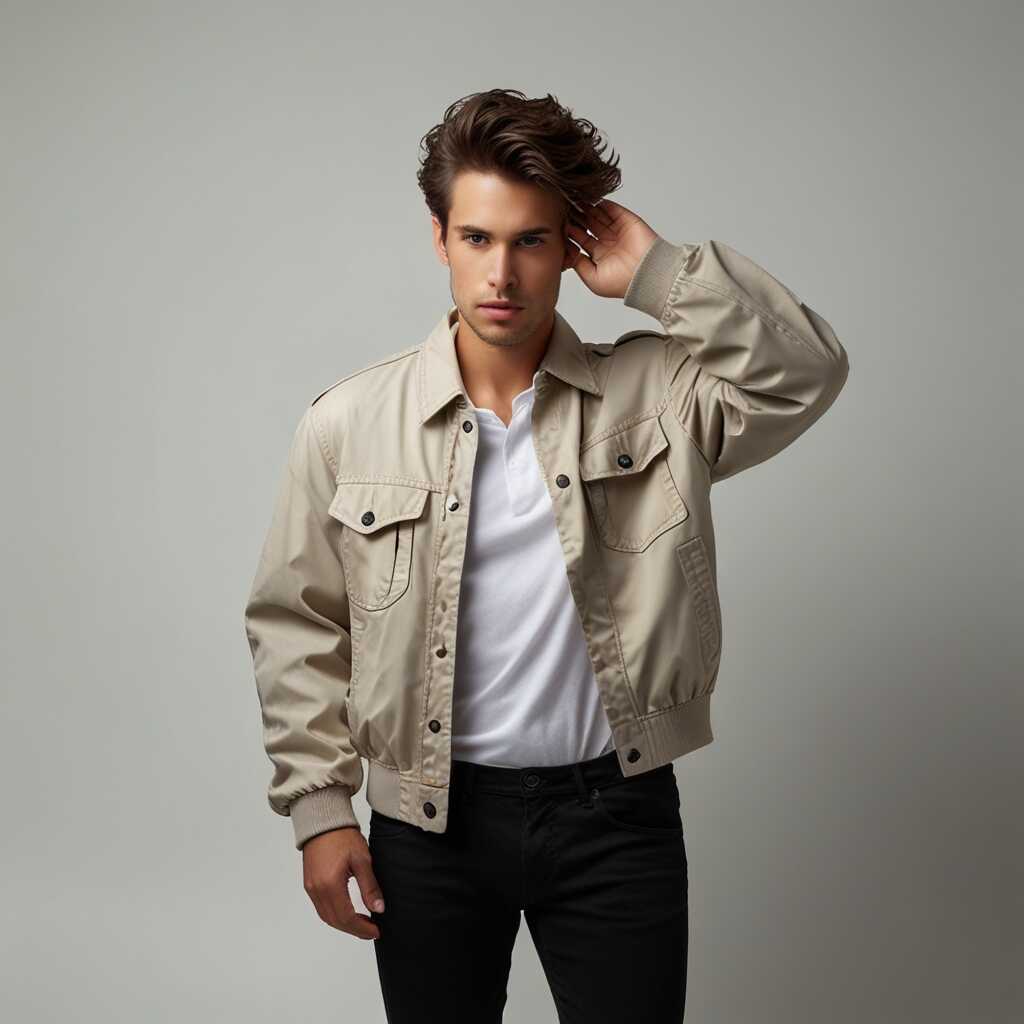
Anti-odor clothing technology offers significant advantages for various groups. Busy professionals appreciate how it reduces laundry frequency, saving time. For example, a marketing executive can manage three consecutive days of meetings without feeling self-conscious about odors. Athletes find that these garments can handle intense workouts without lingering smells, enhancing performance and confidence. Research shows that 75% of users extend the wear time of their anti-odor clothing beyond standard limits, ensuring less laundry and improved efficiency.
How Anti-Odor Apparel Benefits Athletes and Fitness Enthusiasts
Athletes and fitness enthusiasts benefit immensely from anti-odor apparel. Designed for high-performance wear, these garments include special fabrics that wick moisture and eliminate odors. Users can wear them for long workout sessions without changing. Expert reviews highlight that garments can help maintain freshness during multi-day events or tournaments. Many designs feature lightweight and breathable materials, making them very comfortable for active use. This reliability in odor control encourages users to commit to a regular fitness routine, enhancing their overall experience.
Key Advantages of Odor-Resistant Apparel
- This clothing type cuts down on laundry time and energy.
- Anti-odor technology helps maintain a fresh wardrobe longer.
- Consumers can enjoy greater convenience in daily wear.
- Fabrics with this tech resist bacteria and fungi effectively.
- They support sustainable practices by reducing water waste.
- Such clothing enhances overall comfort during physical activities.
- People can feel more confident without constant washing worries.
Environmental Impact of Anti-Odor Clothing
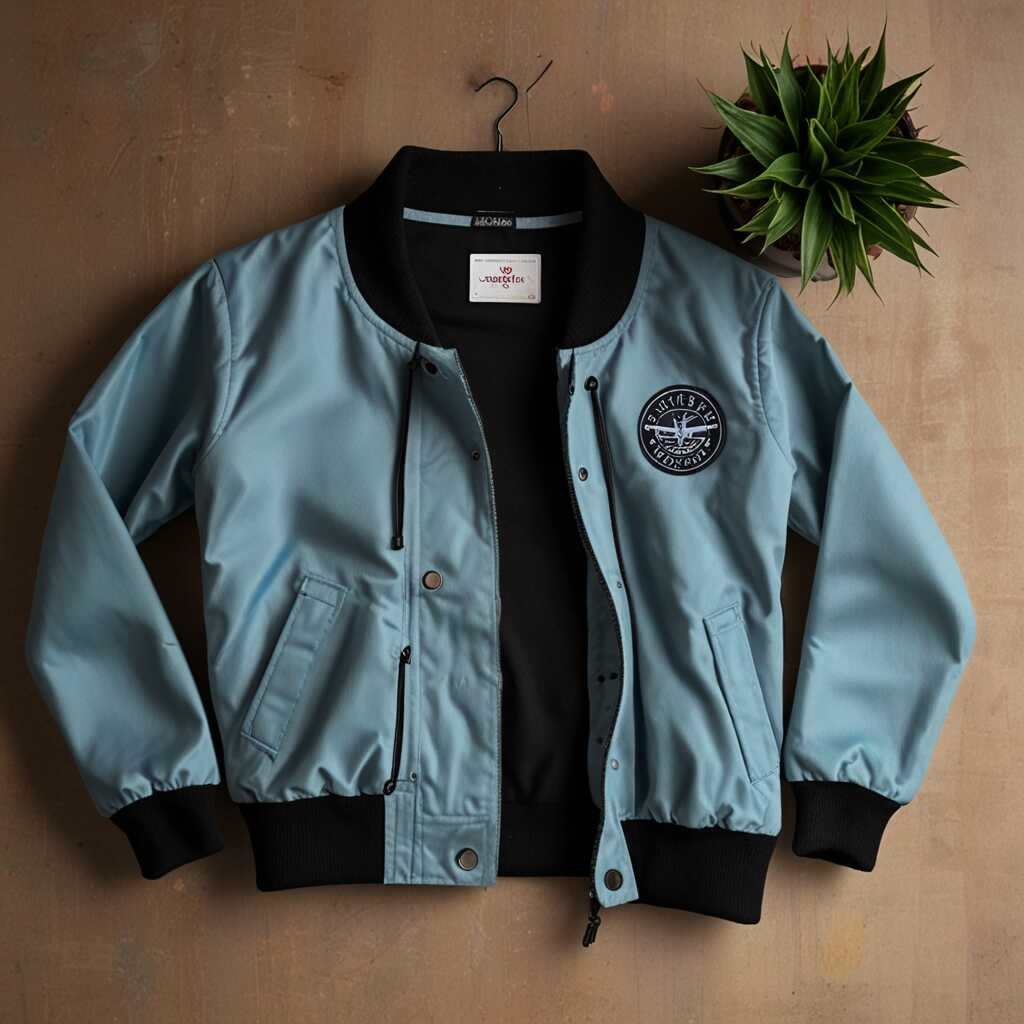
Anti-odor clothing reduces environmental impact by minimizing laundry cycles. This type of clothing is designed to provide reliable freshness, meaning you can wear items multiple times before washing. Traditional washing requires substantial water and energy consumption, estimated to be 50 gallons of water per load and energy to power washing machines. By extending wear time, anti-odor clothing significantly lowers these figures. Brands often use eco-friendly materials in their making, thus enhancing the overall sustainability of fashion. Research indicates that reducing laundry frequency leads to noticeable energy savings over time, making anti-odor technology a practical choice for eco-conscious consumers.
Benefits of Reduced Laundry Frequency
Reduced laundry frequency offers significant benefits for both the environment and your wardrobe. Anti-odor clothing can help save around 1,000 gallons of water annually for a typical user. This reduction emerges from fewer washes and shorter drying times. Using energy-efficient fabrics also provides lower energy usage, which complements eco-friendly lifestyles. Sustainable brands focus on using recycled materials, which aligns with the principles of sustainable fashion practices. Yuppieplaza features various anti-odor options, emphasizing their role in lowering carbon footprints while delivering excellent performance and comfort.
Selecting the Right Anti-Odor Clothing for You
When selecting anti-odor clothing, consider fabric quality, fit, and style options. Quality fabrics like merino wool or synthetic blends provide excellent anti-odor properties. Look for clothing designed for your specific activities, such as workout gear or casual wear. Ensure the fit is comfortable, allowing for freedom of movement. Pricing comparison helps you find options within your budget. Several brands offer great selections; read reviews to determine performance and reliability. Comfort and functionality are essential to enhance your experience while wearing the clothing.
Top Features to Look For in Anti-Odor Clothing
Top features to look for in anti-odor clothing include moisture-wicking capabilities and breathable fabrics. Brands that use advanced technology often include silver ions or other natural anti-microbial treatments. Research reveals that new materials in 2025 will likely improve performance and comfort. Durability is also vital; look for clothing that can handle multiple washes without losing its effectiveness. A good fit contributes to an overall positive experience. Review user experiences to identify brands that deliver impressive results and features for varying styles.
Popular Brands and Their Features
- Patagonia focuses on eco-friendly materials and practices.
- Lululemon offers stylish options with advanced odor control.
- Under Armour provides a wide range of activewear designed for performance.
- Uniqlo’s basics are affordable with decent odor resistance.
- Outdoor Research is fitting for hiking and outdoor enthusiasts.
- People interested in vacations often prefer travel-friendly fabrics.
- Fitness lovers benefit greatly from activewear with odor management.
Emerging Trends in Anti-Odor Technology
Advancements in anti-odor clothing technology focus on innovative fabrics that manage smell effectively. Research shows that materials like merino wool, bamboo, and specially treated synthetics are gaining popularity. Each material contributes differently to odor control. For instance, merino wool naturally resists odor due to its moisture-wicking properties. Companies are incorporating nanotechnology to ensure long-lasting effectiveness in clothing wear. By 2025, 40% of consumers indicate they will invest in sustainable anti-odor garments, highlighting the need for this technology in eco-conscious fashion.
Innovative Fabrics Revolutionizing Odor Control
Innovative fabrics are redefining odor control through advanced technology. Brands are now experimenting with fabrics infused with silver nanoparticles. These nanoparticles have proven to inhibit bacterial growth, which causes odors. For example, some activewear uses these materials to enhance performance during intense workouts. Additionally, eco-friendly options like Tencel are emerging. Tencel uses sustainable wood pulp and has natural moisture-regulating qualities. These materials keep garments fresher for longer, allowing users to extend time between washes comfortably and sustainably.