
Discovering your skin undertone is key to optimal color selection for clothing, makeup, and accessories. Understanding your undertones helps highlight your natural complexion and brings out your best features. At Yuppieplaza, we provide valuable insights and expert tips to guide you in choosing the right colors based on your undertones. With our friendly approach, we aim to empower fashion enthusiasts and individuals interested in self-improvement to elevate their style effectively.
Understanding Skin Undertones
Skin undertones are the subtle hues beneath the surface of your skin that influence overall appearance. They fall into three main categories: warm, cool, and neutral. Understanding these undertones is essential for selecting colors that enhance your natural beauty. The color of your veins can help you identify your undertone; if they appear greenish, you likely have warm undertones. If they look blue, you have cool undertones. Neutral undertones are a mix, and people can find their veins appearing blue-green.
Identifying Your Skin Undertone Accurately
To identify your skin undertone accurately, start by testing jewelry against your skin. Silver jewelry complements cool undertones, while gold suits warm undertones best. Conduct a white paper test too. Hold a piece of white paper next to your face in natural light. If your skin appears yellowish, you likely have warm undertones. If it looks pink or rosy, you have cool undertones. Those who see little change may possess neutral undertones. These methods help clarify your undertone with high reliability, making sure your color choices boost personal style.
Methods for Identifying Your Skin Undertone
Identifying your skin undertone is essential for selecting the best colors in clothing and makeup. Several reliable methods can help you determine your undertone. One popular method is the wrist test, which involves examining the veins on your wrist. If your veins appear blue, you likely have a cool undertone. If they look green, you might have a warm undertone. Another effective testing method is the white paper test; hold a piece of white paper next to your face and observe the contrast. If your skin appears yellowish, you have a warm undertone; if it looks pink, you have a cool undertone. Lastly, consider using color analysis tools, which can provide expert comparisons of various shades to ensure you find the most flattering colors.
Understanding the Primary Undertones and Their Characteristics
Your skin’s undertone can be categorized into three primary types: cool, warm, and neutral. Cool undertones often display pink or bluish hints and are typically paired with silver jewelry. Warm undertones exhibit golden or peachy tones and generally look better in gold jewelry. Neutral undertones can exhibit a mix of both colors, allowing for versatility in fashion choices. Knowing these characteristics enriches your experience in choosing colors. This information will help you enhance your overall appearance. By understanding which undertone category you belong to, you can make solid and informed color choices that elevate your style.

Impact of Undertones on Clothing Color Selection
Your skin undertone significantly impacts your clothing color selection. Understanding whether you have warm, cool, or neutral undertones will help you choose fabric colors that enhance your complexion. For instance, warm undertones pair well with earthy colors like oranges and yellows. Cool undertones shine in jewel tones like blues and purples. Neutral undertones can wear both warm and cool colors, giving you versatility. Having a palette in mind based on your undertone ensures effective clothing choices that suit you well.
Best Colors for Different Undertones
Choosing the best colors for your skin undertone enhances your overall appearance. Warm undertones should focus on colors like mustard, coral, and olive green. Cool undertones can look stunning in colors like navy, emerald, and magenta. If you’re neutral, consider blending these themes with colors like blush pink or teal. Building a wardrobe with these color palette suggestions not only ensures a stylish look but also boosts confidence in your outfit choices.
Key Facts About Skin Color and Undertones
- Three primary undertones exist: warm, cool, and neutral.
- Approximately 83% of people have either warm or cool undertones.
- Skin undertones can influence color selection by enhancing features.
- Many makeup products label undertones to simplify the selection process.
- Common tests for undertones include the wrist and white paper tests.
- Undertones can change with seasons but stay relatively stable over time.
- Recognizing undertones can improve your overall self-confidence.

Choosing Makeup Shades that Match Your Undertones
Choosing the right makeup shades is essential for enhancing your natural beauty. Start by determining your skin undertone—whether cool, warm, or neutral. For foundation, look for shades labeled as “cool” if your skin has pink or red tones, while “warm” shades fit yellow or golden undertones. The best evidence from reviews shows that brands like Fenty Beauty and MAC provide a wide range of shades designed for various undertones. When selecting lipstick, test at least 3 to 5 shades. This will help you find colors that create a harmonious look. Ensure your chosen shades from lipsticks and eyeshadows complement your undertones to improve your overall appearance.
Specific Tips for Selecting Eyeshadow for Your Undertone
When it comes to eyeshadow, your undertone plays a critical role in color selection. For cool undertones, opt for eyeshadows with bluish or silver hues, such as lavender and icy blue. Warm undertones shine with earthy tones like copper, gold, and warm browns. Neutral undertones allow versatility, meaning you can comfortably wear both cool and warm colors. Research shows that brands like Urban Decay and Too Faced have the best eyeshadow palettes that cater to various skin undertones. Testing different shades and learning which colors enhance your natural glow will make a significant difference in your makeup experience.
Color Palettes for Every Undertone Type
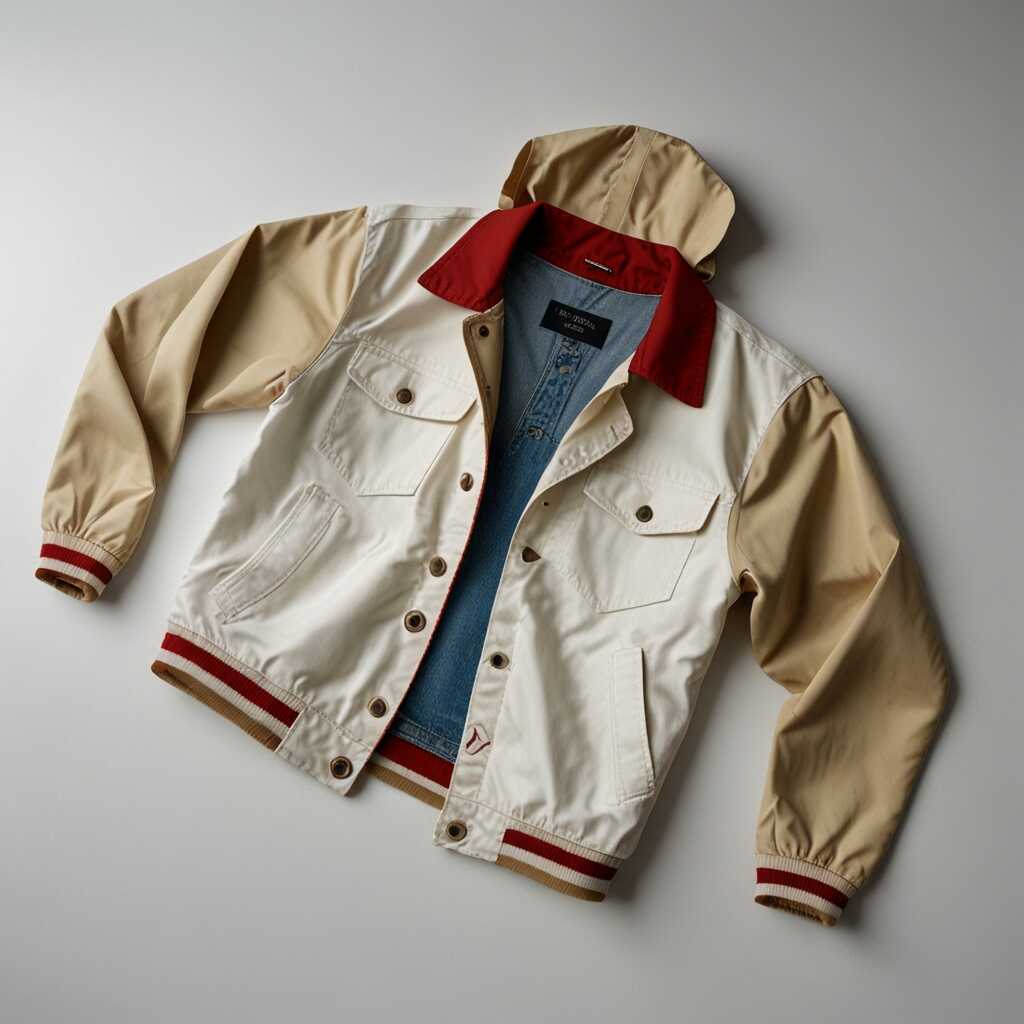
For cool undertones, the best colors include blues, purples, and emerald greens. These hues complement your natural complexion and enhance your look. Warm undertones benefit from colors like oranges, yellows, and earthy tones. These palettes bring out the warmth in your skin. Additionally, using a versatile color palette allows for the creation of numerous outfits by mixing and matching. For example, you can craft at least 10 different outfits with 5 staple pieces, improving your style effortlessly.
Creating Versatile Outfits with Tailored Color Combinations
To create versatile outfits, focus on using tailored color combinations that suit your undertones. For cool undertones, consider a palette that includes icy pastels and deep jewel tones. Mixing these colors with neutrals like gray or white can help create outfits that feel cohesive. For warm undertones, earthy colors and rich autumn shades look amazing together. Combine these with warm neutrals like beige or cream for added versatility. By testing these tailored color options together, you will find stylish combinations that enhance your appearance while easily fitting your wardrobe needs.
Advantages of Identifying Personal Undertones
- Choosing colors that suit your undertone enhances your natural glow.
- It can simplify shopping by guiding you towards the right clothing shades.
- Foundational makeup applied correctly can elevate your look.
- Understanding undertones helps avoid colors that can wash you out.
- Using undertones assists in finding complementary eye and lip colors.
- Informed color choices can contribute to a more sustainable wardrobe.
- True color representation can lift your overall mood and appearance.
Key Misconceptions About Color and Undertones
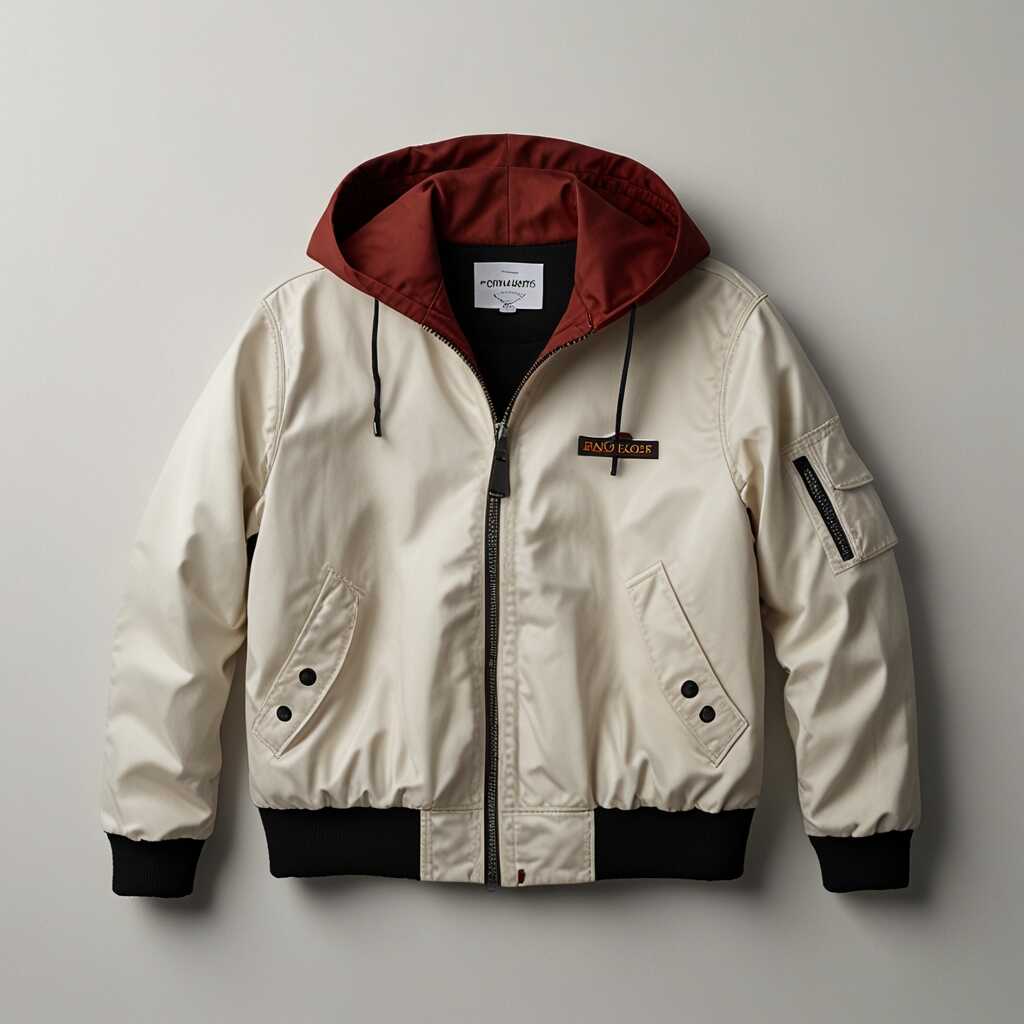
Many people think that undertones and skin tone are the same. Skin tone refers to the surface color of your skin, while undertones are the underlying hues that affect how colors look on you. Another misconception is that certain colors are universally flattering. In reality, the suitability of colors varies significantly between individuals based on their unique undertones. Lastly, many assume that people with darker skin have warm undertones, but this is not always true. Undertones can be categorized into warm, cool, and neutral, allowing for diverse palettes that can enhance everyone’s natural complexion.
Understanding Different Undertone Types for Optimal Color Choices
Recognizing the different types of undertones is crucial for making informed color choices. Warm undertones have a golden or peachy hue, while cool undertones lean towards pink or blue. Neutral undertones blend both warm and cool hues, often appearing as a balance of the two. Identifying your undertones enables effective color selection for clothing and accessories, thereby enhancing your overall look. This understanding helps individuals avoid pitfalls and embrace colors that make their features shine, ensuring a more confident style statement.
Aligning Seasonal Trends with Your Skin Undertone
Understanding your skin undertone is essential for choosing seasonal trends that enhance your unique appearance. Knowing whether your undertone is warm, cool, or neutral allows you to select colors that complement your natural complexion. For example, individuals with warm undertones look great in earthy colors like orange and yellow during the fall, while cool undertones shine in jewel tones like emerald and sapphire. Seasonal color palettes often include shades specifically designed to flatter each undertone, ensuring your look reflects current trends while enhancing your overall aesthetic.
Identifying Colors for Each Season
Fall typically features a range of earthy and warm tones. For warm undertones, colors like rust, olive green, and mustard yellow enhance your natural glow. If your skin has cool undertones, opt for deep berry shades, navy, and cool grays. Neutral undertones can embrace both spectrum, making it easy to mix and match autumn colors. By integrating these color selection tips into your seasonal wardrobe, you can easily navigate current fashion trends while maintaining a look that feels comfortable and authentic.
Brands and Their Approach to Color Matching
- MAC Cosmetics offers a wide range of shades catering to all undertones.
- Sephora’s “Color IQ” technology helps find the perfect match instantly.
- Fenty Beauty focuses on inclusivity with a broad spectrum of undertones.
- Maybelline provides affordable options but may lack undertone specificity.
- Clinique emphasizes skin-care-infused makeup that suits various undertones.
- Ulta offers both drugstore and high-end options for different budgets.
- Professional makeup artists often rely on brand guidelines to assist clients with undertones.
Resources for Mastering Color Theory Beyond Fashion
Books like “Color” by Betty Edwards and “The Interaction of Color” by Josef Albers are essential readings. They explore color psychology and design principles crucial for fashion choices. Websites such as Canva and Color Theory offer various tools for selecting color combinations. Color Lovers is another platform where you can find engaging community-created palettes. In color theory, there are three primary color schemes: monochromatic, complementary, and analogous. Understanding these schemes helps improve your color selection.
Utilizing Color Theory in Personal Style Development
Mastering color theory enhances your personal style significantly. By understanding color psychology, you can select hues that reflect your personality. Applying design principles like contrast and harmony makes your outfits more appealing and cohesive. Experiment with color combinations using tools from online resources. Analyzing color palettes tailored for your skin undertone helps in achieving a balanced and stylish look. This approach transforms your fashion choices into expressions of your unique self, empowering you to build a wardrobe that truly represents you.