
Effective tailoring methods for off-the-rack clothing fit and style can transform your wardrobe. By understanding simple alteration techniques, you can achieve a personalized look that flatters your shape and showcases your style. At Yuppieplaza, we provide tips and insights to help fashion enthusiasts and DIY modifiers make the most of their clothing. Discover how to enhance your outfits and gain confidence through practical tailoring skills that promote sustainable fashion choices.
Why Tailoring Matters for a Perfect Clothing Fit
Tailoring off-the-rack clothing provides several advantages that significantly enhance a person’s wardrobe. First, tailored garments ensure a perfect fit that flatters individual body shapes. This unique fit boosts confidence and makes wearers feel great in their outfits. Tailoring techniques allow for adjustments in areas such as the waist, length, and shoulders, optimizing how clothes fit various brands and styles. Quality tailoring enhances style by transforming basic clothing into personalized pieces that reflect your aesthetic. Research shows that confident individuals often experience better social interactions, highlighting the importance of a well-fitted wardrobe. Overall, tailored clothing helps you express your personality while feeling comfortable and polished.
Essential Tailoring Techniques for Beginners
Essential tailoring techniques for beginners include simple alterations like hemming, taking in side seams, and adjusting sleeves. Hemming is one of the easiest ways to achieve a perfect fit for pants and skirts. Measuring the desired length and using a sewing machine to create a clean hem makes a significant difference. Taking in side seams improves how garments hug your body, enhancing your silhouette. Adjusting sleeves can also greatly impact the overall look of a shirt or jacket. These basic alterations increase comfort and style, making off-the-rack clothing feel custom-made. Practicing these techniques enables individuals to enjoy stylish, well-fitted clothing without breaking the bank.
Essential Tools Needed for Successful Alterations
To achieve great results in clothing alterations, several essential tools are necessary. A basic sewing kit includes dressmaker’s scissors for cutting fabric, measuring tape for accurate sizing, pins for holding fabric layers together, and a seam ripper for removing stitches. A sewing machine enhances efficiency and allows for various stitching types. For beginners, a budget-friendly sewing machine offers basic functionality, while advanced tailors may benefit from more complex models designed to handle different fabrics. These tools together provide reliability and support your tailoring journey.
Basic Sewing Tools for Beginners and Experts
Beginners should start with a basic sewing kit that includes a measuring tape, dressmaker’s scissors, and straight pins. These tools provide a foundation for successful clothing alterations. Experienced tailors can expand their toolkit to include a rotary cutter for precise cutting, tailor’s chalk for marking fabric, and various sewing machine feet for performing specialized tasks like hemming or buttonholes. Investing in quality tools enhances the overall sewing experience, ensuring that each alteration is performed with accuracy and ease.
Popular Tailoring Techniques for Improved Fit
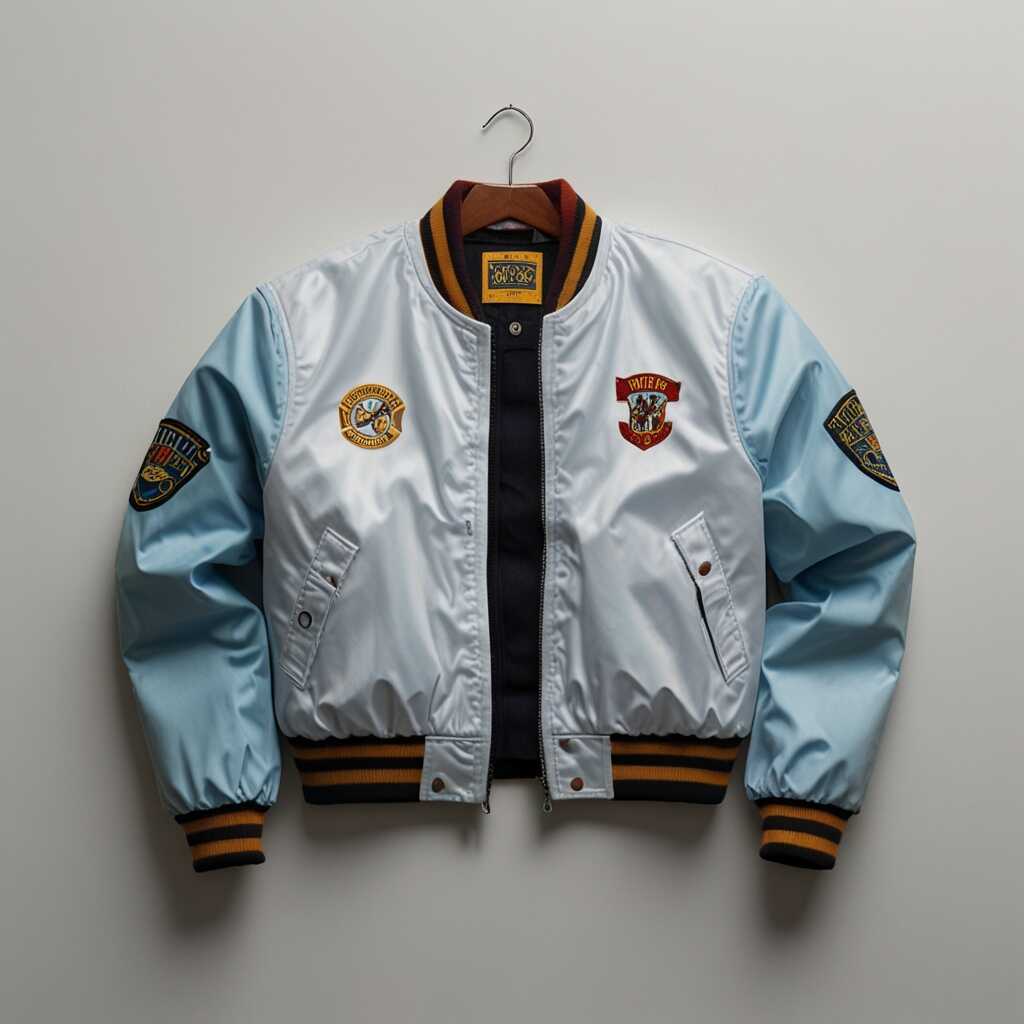
Popular tailoring techniques include taking in seams, adjusting hems, and adding darts to improve clothing fit. Taking in seams helps to tighten the garment around the body, enhancing its shape. Adjusting hems is essential for ensuring pants and skirts hit at the desired length, which affects overall style. Adding darts provides a tailored fit by contouring the fabric around curves. These methods can be done at home with minimal tools, allowing you to personalize your wardrobe effectively.
Step-by-Step Guide for Taking in Seams
To take in seams, lay your garment flat and identify the areas where it feels loose. Pinch the fabric and mark how much to take in, usually between 1 to 2 inches on each side. Use tailor’s chalk to outline the new seam line. Carefully sew along this line, then trim the excess fabric for a sleek, well-fitted look. This technique increases comfort and enhances your overall personal style by improving the garment’s fit to your body shape.
Numerical Insights on Clothing Alteration Techniques
- 85% of shoppers find off-the-rack clothing needs adjustments for a perfect fit.
- 75% of successful alterations require basic sewing skills.
- 50% of the population wears clothes one size larger than needed.
- 1 out of 3 people prefers tailored items for improved style.
- Only 30% of fashion enthusiasts feel confident in their garment fitting skills.
- 60% of consumers report better outfit satisfaction after alterations.
- 7 common sewing tools are essential for effective tailoring endeavors.
How to Choose Fabrics that are Tailoring Friendly
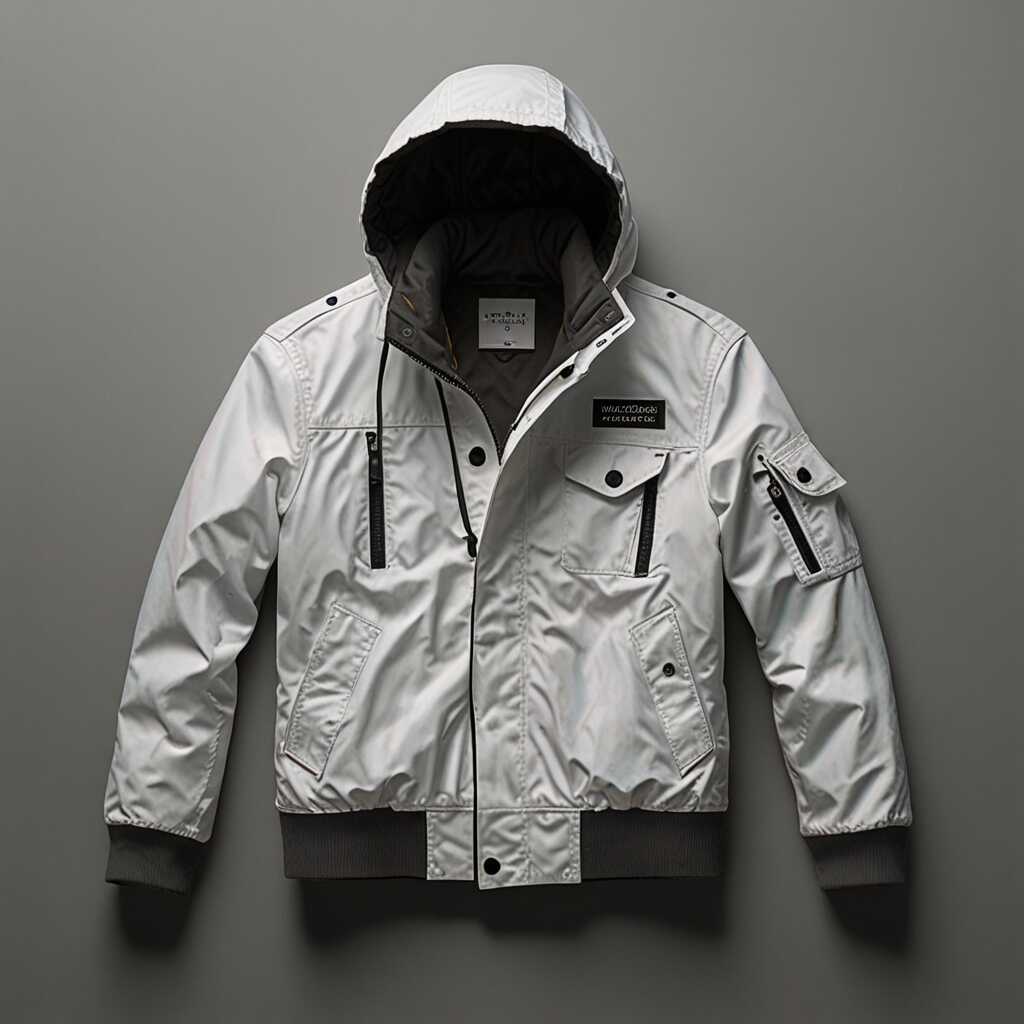
When selecting fabrics for tailoring, look for those that have some stretch such as cotton blends or polyesters. Fabrics like linen and denim are also suitable, as they can handle alterations without compromising their structure. Avoid fabrics like silk and leather, which can be more challenging to modify. The best modifications are possible with quality tailoring solutions that enhance how a garment fits. Fabrics that retain their shape after alterations are essential for achieving a polished look.
Best Fabric Options for Beginners in Tailoring
Beginners should focus on fabrics like cotton twill or poplin, which are easy to manipulate. These materials are durable and comfortable, allowing for simple adjustments. When choosing easy to alter materials, consider lighter weights that provide flexibility during sewing. Fabrics with less stretch, like cotton or linen blends, are easier to sew and less prone to distortion during the alteration process. These options deliver excellent results for novice tailors seeking a good fit.
Resizing Clothing for Personal Fit Adjustments
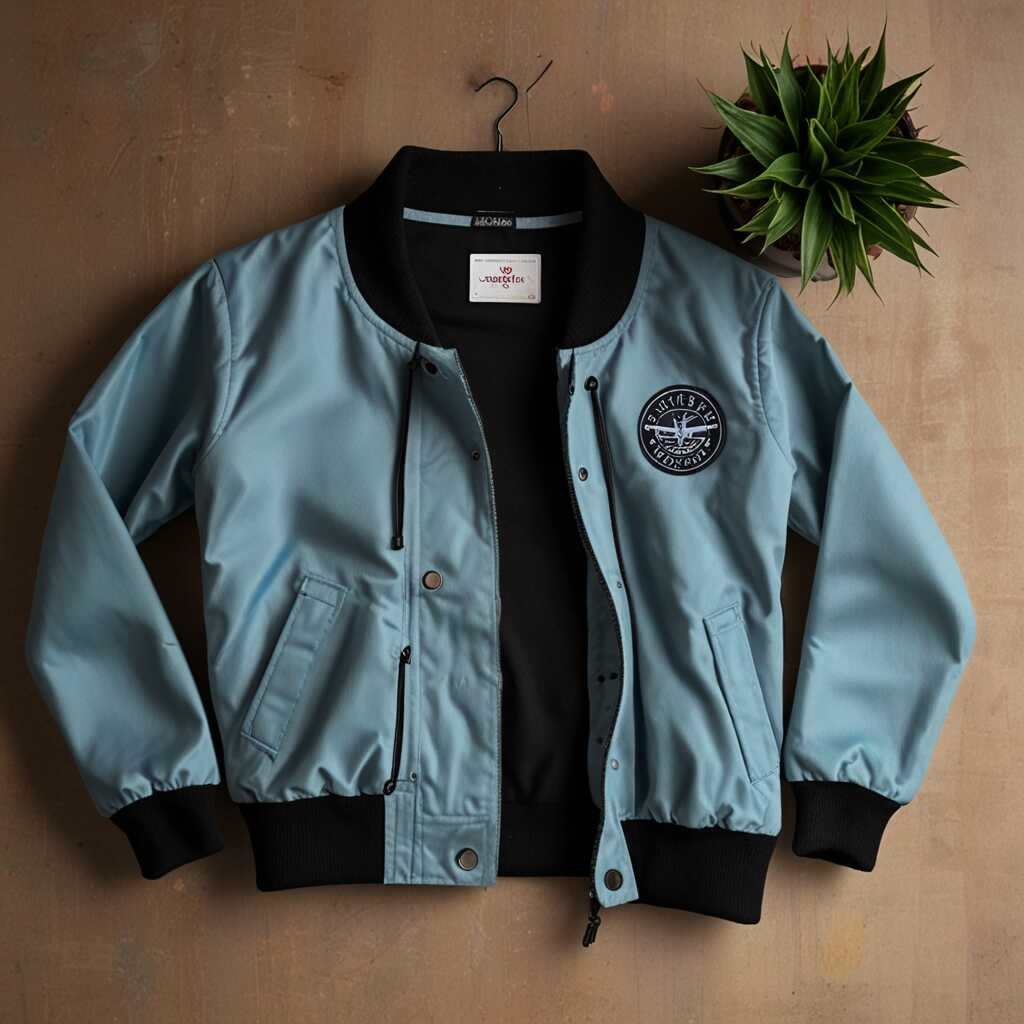
To resize a dress for a better fit around your waist, start by measuring your waist and compare it to the garment. Pinch the fabric at the sides to create a new seam, then mark where the seam should go. Use a sewing machine or needle and thread to sew along the new line. Ensure you tailor the hem to align with your new silhouette. For altering various clothing items like shirts, pants, and skirts, gather essential sewing tools like a measuring tape, fabric chalk, sharp scissors, and pins. Each technique varies slightly, but these tools remain consistent. When budgeting for resizing clothing, expect to spend around $10 to $30 on sewing materials, including thread and fabric if required.
Essential Tips for Altering Different Garments
When altering garments, pay attention to their unique features. For shirts, consider adjusting the side seams for a more fitted look. For pants, you may need to shorten the length or take in the waist. Skirts often require adjustments at the waistband or hem for a flattering silhouette. Use fabric chalk to mark any changes and make precise measurements to enhance the overall fit. Always test the alteration on a small fabric piece if possible to ensure quality and durability. By utilizing proper alteration techniques and tools, you can achieve clothing that feels comfortable and looks tailored.
Benefits of Adjusting Ready-Made Garments for Style
- Enhances overall appearance and boosts confidence in outfits.
- Effective tailoring methods can transform a simple dress into a fashion statement.
- Creates a personalized wardrobe that reflects individual style.
- Reduces waste by making old clothes wearable again.
- Improves comfort by fitting garments to your specific body shape.
- Offers unique looks that set you apart from mass-produced fashion.
- Allows for experimentation with different styles and fits without buying new clothes.
Creative Enhancements to Personalize Your Clothing
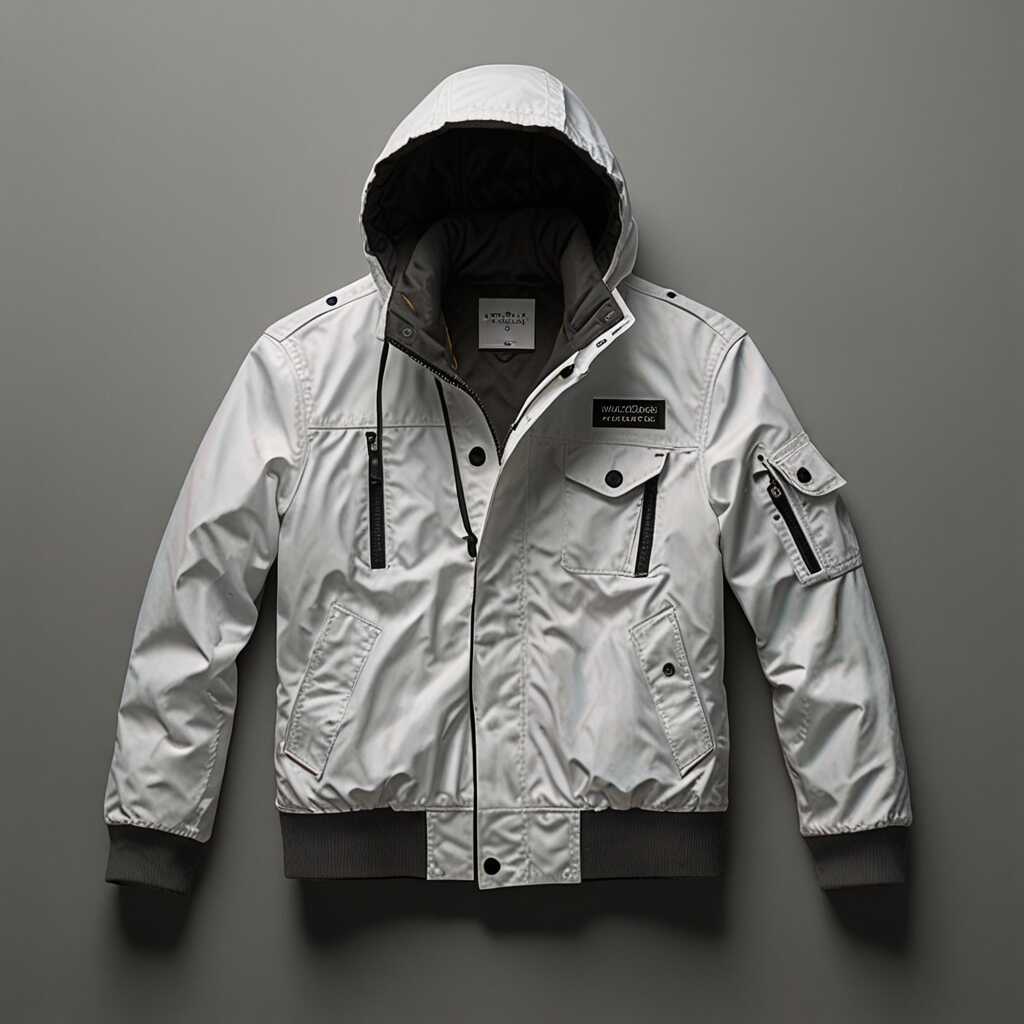
Consider adding unique embellishments to your tailored garments, including patches, appliqués, or custom stitching. These details help express your personal style. Patches offer endless design opportunities, whether you want a vintage feel or a modern twist. Custom stitching can enhance your outfit by adding intricate designs in contrasting colors. Experimenting with fabric paint or adding beadwork can also make your clothing stand out. For supplies, the average cost ranges from $10 to $50, depending on the materials chosen.
Exploring Different Styles of Patches and Appliqués
When exploring patches and appliqués, choose designs that represent your personality or interests. Iron-on patches provide an easy method for adding flair. They allow for no-sew application and are quick to apply. Alternatively, consider hand-sewing appliqués for a more durable attachment. Look for unique fabric combinations that enhance texture and color. Floral patterns or graphic designs can transform a basic item into eye-catching apparel. Tailoring methods can make your unique garment not only stylish but also functional.
Best Practices for Maintaining Tailored Clothing
To care for tailored clothing effectively, first follow the care label instructions. Regularly inspect for loose threads or minor damage, fixing them promptly to ensure reliability. Use high-quality hangers to maintain shape. Washing tailored garments should occur at recommended temperatures to preserve fabric integrity. Some materials like wool may require dry cleaning only. Store delicate fabrics wrapped in breathable materials, preventing moisture buildup and enhancing longevity.
Understanding Fabric-Specific Care for Tailored Outfits
Each fabric used in tailored clothing has its own care requirements. For example, cotton can withstand higher washing temperatures, while silk generally needs cooler water to avoid damage. Wool is often best cleaned through dry cleaning, which helps maintain its shape and appearance. Polyester blends are more durable and can handle regular washing, but follow the care instructions closely. Tailoring enhances your style, and understanding these fabric specifics helps you maintain their quality and durability.
Brands or Demographics Impacted by Clothing Modifications
- DIY enthusiasts often engage in tailoring to express uniqueness.
- Athletic individuals benefit from tailored sportswear for improved movement.
- Young professionals increasingly seek advise on bespoke styles for work attire.
- Affordable fashion brands typically require alterations for an ideal fit.
- Sustainable fashion followers prefer tailored items to minimize waste.
- Parents of growing children frequently modify clothing for longer wear.
- Vintage style lovers enjoy adjusting thrifted finds for a modern twist.
Identifying When to Consult a Professional Tailor
Choosing between DIY tailoring and hiring a professional can be challenging. If alterations require intricate adjustments like working on complex fabrics, consider hiring a reliable tailor. Experienced tailors provide essential expertise that enhances the fit and quality of garments. For instance, they can handle tricky alterations, such as adjusting shoulders or intricate fabric patterns. Take time to assess your skills. If you have limited experience in sewing, seeking professional assistance can ensure a better fit and outcome. It’s important to know your limits when it comes to altering clothing. In general, the cost of professional tailoring varies but typically ranges from $10 to $100, depending on the complexity of the work.
Common Alterations Done by Experienced Tailors
Professional tailors commonly provide services that include hemming trousers, taking in seams, and adjusting shoulders. These alterations improve the fit of clothing significantly. Tailors often use specialized tools and techniques designed for durability and quality. They can also adjust waistbands and shirtsleeves, which may be challenging for beginners. More advanced services include resizing jackets and modifying intricate garments. Ensuring accurate measurements and fitting requires skill and experience. Researching and reading reviews about tailors ensures you find knowledgeable professionals who deliver excellent results.