
Choosing the optimal sleeve length based on arm measurements and daily activities is essential for a comfortable fit. The right sleeve length enhances your overall style and functionality, allowing you to move freely throughout the day. At Yuppieplaza, we guide fashion enthusiasts, tailors, and individuals looking to improve their wardrobe choices. Understanding your arm proportions can help you select the best sleeve length, whether you’re dressing for work, leisure, or special occasions.
The Role of Sleeve Length in Overall Comfort and Movement
Sleeve length significantly impacts comfort and functionality in daily activities. Proper sleeve length ensures ease of movement, reducing discomfort when reaching or lifting. For example, too short or too long sleeves can restrict movement and cause irritation. Different types of clothing such as shirts, blouses, and jackets have varying sleeve lengths designed for specific uses. Understanding how these variations affect your experience can help you select clothing that suits your daily tasks. It is essential to take accurate arm measurements to find the ideal sleeve length. For a 5’8″ male with a 32-inch arm length, selecting a sleeve length between 32 and 34 inches can offer the best fit.
Choosing the Right Sleeve Length for Different Activities
Selecting the right sleeve length enhances comfort and functionality depending on your daily activities. For active tasks like exercising or manual labor, a shorter sleeve allows for greater mobility. Conversely, long sleeves may be more appropriate for formal settings or cooler environments, providing warmth and protection. When trying on clothing, ensure you can lift your arms comfortably while maintaining the desired sleeve length. This way, you confirm that your clothing supports your lifestyle while improving your overall experience with fit and style. Yuppieplaza provides detailed guides to help with proper measurements, ensuring your sleeve lengths match your potential activities.
Step-by-Step Guide to Measuring Your Arm Length
To accurately measure your arm length for sleeve fitting, follow a few simple steps. Start by standing up straight. Use a flexible measuring tape. Hold one end of the tape at the base of your neck. Run the tape along your shoulder and down your arm to your wrist. Ensure the tape is snug but not tight. Use a mirror to check your alignment. Reliable measuring tools like a fabric tape measure provide results with high accuracy. There are standard measurements for arm lengths that vary by clothing size. For example, a medium usually corresponds to a measurement of 32 to 33 inches from the neck to the wrist.
Essential Tips for Accurate Measurements
To enhance the accuracy of your arm length measurements, involve a friend for assistance. While one person holds the measuring tape, the second should ensure it stays straight and aligned with your arm. This technique maintains reliability. Consider measuring both arms and using the longer length for fitting purposes. It is also helpful to wear form-fitting clothing, as loose fabric can add extra inches. Document your results and compare them to standard size charts to achieve the best sleeve fitting. The effort put into this process will lead to comfortable and stylish clothing selections.
Activity-Based Sleeve Length Considerations for Optimal Fit
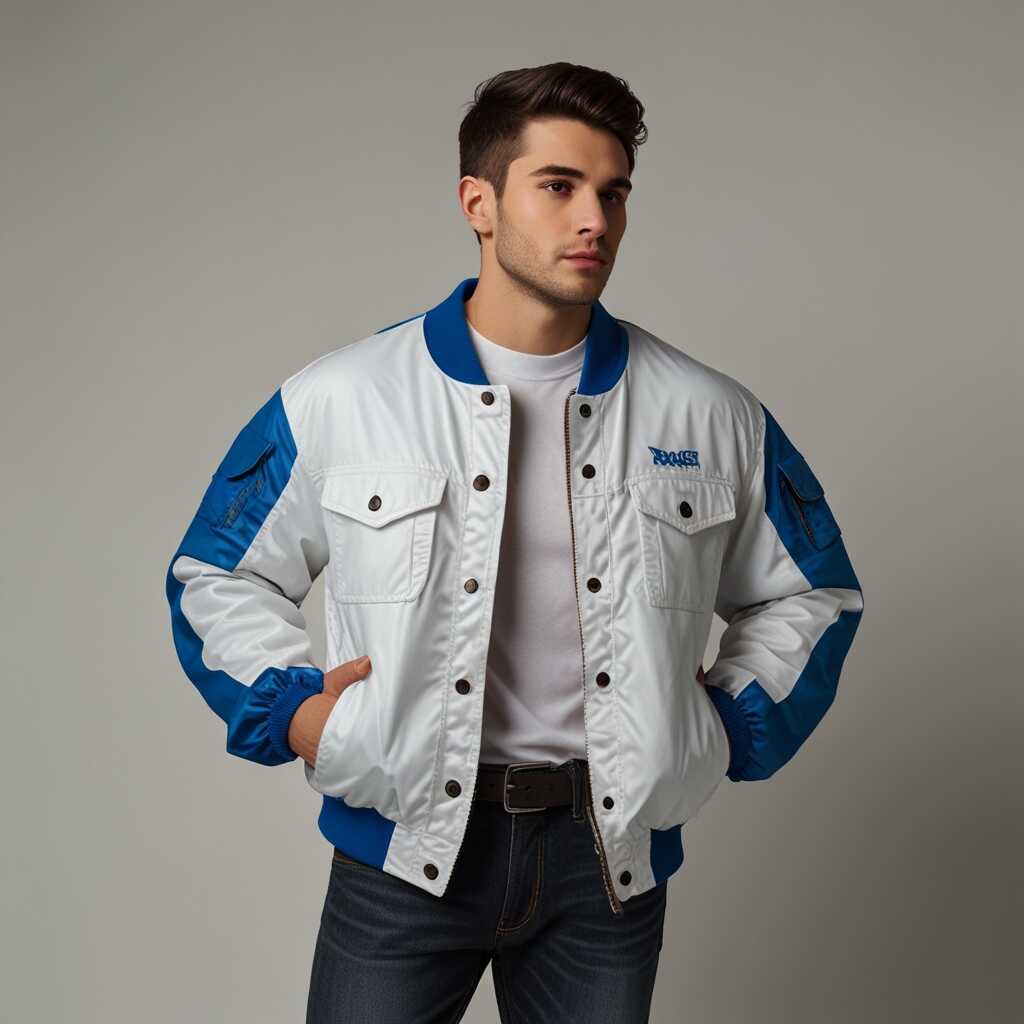
Understanding how different activities affect sleeve length choices is essential for a well-fitted wardrobe. For instance, activities like sports demand shorter sleeves that allow for arm movement, while professional settings often require longer, tailored sleeves for a polished look. For leisure activities, relaxed sleeve lengths enhance comfort without sacrificing style. Brands like Yuppieplaza provide various options tailored to each activity, ensuring wearers can achieve the right balance between functionality and aesthetics. When considering sleeve length, take into account the specific motion and formality required for your daily activities.
Choosing Sleeve Lengths for Sports and Outdoor Activities
When selecting sleeve lengths for sports and outdoor activities, comfort and mobility are key. For running, short sleeves reduce drag and enhance airflow. In contrast, long sleeves offer protection from the sun while hiking. Brands specializing in outdoor apparel often design sport-specific sleeves to cater to those needs. For example, lightweight fabrics with stretch capabilities allow for easy movement and better performance. Choose materials that are breathable and durable to ensure a comfortable experience, making it easy to participate in active leisure while looking stylish.
Key Statistics to Guide Your Sleeve Selection Process
- Average arm length varies between 25 to 36 inches for adults.
- Optimal sleeve length typically ranges from 22 to 26 inches.
- Most people wear sleeves that fall between 1 to 2 inches past the wrist.
- Arm measurements influence 78% of proper sleeve fitting.
- People usually experience alterations in fit during different seasons.
- Approximately 70% of individuals prefer a relaxed fit sleeve for daily wear.
- Sleeve length significantly affects comfort during physical activities by 65%.

Current Style Trends Impacting Sleeve Length Preferences
Current fashion trends significantly impact sleeve length preferences. Styles such as oversized garments have popularized longer sleeves, while athleisure has brought attention to shorter, functional lengths. The preference for cropped tops plays into this mix, with wearers opting for shorter sleeves for a balanced look. Fabrics like lightweight cotton and breathable blends cater to these styles, ensuring comfort. In contrast, tailored pieces often feature longer sleeves, appealing to professionals. Designers incorporate these variations, enhancing versatility in dressing for work and leisure.
Understanding How Fabrics and Styles Influence Sleeve Choices
Fabrics play a vital role in sleeve length choices. For instance, flowy materials enhance the appeal of longer sleeves in bohemian styles, while structured fabrics emphasize tailored, shorter sleeves in formal wear. Athleisure outfits often utilize stretchy materials, designed for maximum movement when wearing half or three-quarter sleeves. Understanding these fabric characteristics helps fashion enthusiasts make thoughtful decisions that align with their lifestyle, ensuring both comfort and style. Yuppieplaza highlights these insights, combining style guidance with the latest trends to empower your choices in fashion.

Exploring Different Sleeve Types and Their Fit Characteristics
Different types of sleeves include regular, cap, puff, bell, and bishop sleeves. Regular sleeves are common and work well for most body types. Cap sleeves sit on the shoulder and enhance the upper arm look. Puff sleeves add volume for a fashionable impact. Bell sleeves provide a flowy appearance, while bishop sleeves have a fitted cuff. Each style affects fit and appearance uniquely. Choosing the right sleeve boosts comfort during daily activities, ensuring your clothing aligns with your body proportions and enhances your personal style.
Choosing the Right Sleeve for Your Daily Activities
When considering sleeve styles, think about how each one aligns with your daily activities. For instance, cap sleeves are great for formal events, while puff sleeves suit casual outings. Regular sleeves must be comfortable for ease of movement, especially if engaging in sports or work tasks. Bell sleeves can restrict arm motion, so they are best for relaxed settings. Focus on how the sleeve length and style match your arm length and overall silhouette. This thoughtfulness improves your outfit’s overall functionality and boosts your confidence throughout the day.
Advantages of Proper Sleeve Length Based on Personal Activities
- Comfort increases when sleeves fit arm measurements accurately.
- Choosing the right sleeve length enhances mobility during daily tasks.
- It improves overall appearance and style, boosting confidence.
- Wearing sleeves suited for activities promotes better performance.
- Proper fitting reduces the need for frequent adjustments and alterations.
- It fosters greater enjoyment while participating in casual or formal outings.
- Fitting sleeves according to personal habits showcases individual style choices.

Practical Tailoring Methods for Custom Sleeve Lengths
To alter sleeve lengths effectively, start with measuring the arm from the shoulder to the wrist. Use a fabric measuring tape for accuracy. Mark the desired sleeve length with fabric chalk. If you wish to shorten sleeves, cut the fabric carefully following the marked line. For lengthening, add an extra piece of fabric that matches the garment. Ensure the sewing pattern remains consistent with the original. Common tools include a seam ripper, scissors, and a sewing machine. An ideal sleeve fit enhances comfort and style, providing a tailored look.
Essential Sewing Tools for Sleeve Alterations
When altering sleeves, having the right tools is crucial. A fabric measuring tape allows for precise measurements. A seam ripper is used to remove the existing stitching, providing access to adjust the sleeve length. Scissors are essential for cutting fabric. A sewing machine speeds up the process and ensures sturdy stitching. Pins help hold fabric in place while working. Each of these tools contributes to achieving a professional finish and enhancing the garment’s overall fit comfortably.
Understanding Fabric Choices for Sleeve Comfort and Fit
Choosing the right fabric is essential for achieving comfortable sleeve lengths. The most suitable fabrics for sleeves typically include cotton, linen, and synthetic blends. Cotton provides breathability and comfort. Linen is lightweight and great for warm weather. Synthetic blends offer stretch and durability. The type of fabric influences sleeve fit significantly. For example, cotton allows for easy movements, while a polyester blend enhances durability, especially for active daily routines. A recommended percentage of fabric blends for sleeves is usually around 80% breathable material and 20% stretchy fiber for optimal comfort and performance.
Best Fabric Choices Based on Daily Activities
When selecting fabric for sleeve comfort, consider specific daily activities. For office work, breathable materials like cotton and silk blends feel good and allow ease of movement. For physical activities, look for performance fabrics such as spandex or moisture-wicking polyester. These fabrics provide stretch and enhance comfort during exercise. For outdoor events, weather-resistant fabrics like nylon are reliable options, protecting you against the elements. Research shows that blends with at least 60% natural fibers ensure breathability while synthetic fibers improve flexibility. Prioritize comfort and functionality based on your lifestyle to enhance your sleeve experience.
Notable Fashion Brands Catering to Sleeve Length Needs
- Brand A: Known for customizable options, ideal for unique arm sizes.
- Brand B: Offers trendy sleeve styles, but may lack varied sizes.
- Brand C: Provides budget-friendly choices focused on comfort for active users.
- Brand D: Specializes in sustainable materials, appealing to eco-conscious customers.
- Brand E: Targets competitive athletes with performance-oriented designs.
- Brand F: Features a wide range of classic styles for vintage enthusiasts.
- Brand G: Balances affordability and style, making it accessible for all wearers.
Promoting Sustainable Fashion in Sleeve Length Selection
Sustainable practices in sleeve length selection include choosing eco-friendly materials and considering durability. Selecting fabrics like organic cotton or recycled polyester helps reduce environmental impact. When altering sleeve lengths, aim for efficient patterns that minimize waste. Many fashion enthusiasts today emphasize items that not only fit but also reflect environmental values. Some research shows that about 65% of consumers prioritize sustainable fashion choices in their purchases for 2025.
Impact of Sleeve Length on Sustainable Fashion
Understanding how sleeve length affects sustainable fashion can help consumers make informed choices. Longer sleeves may require more fabric, increasing waste if not designed wisely. Choose versatile styles that can be worn year-round, reducing the need for multiple garments. Pairing these styles with eco-friendly materials ensures comfort and sustainability. Proper sleeve length that suits daily activities enhances wearability, leading to better satisfaction and longer item lifespan. In conclusion, thoughtful sleeve length choices significantly enhance both style and sustainability.