
Creating cohesive outfit color stories with strategic undertone coordination can transform your wardrobe into a visually stunning canvas. Understanding color undertones helps you mix and match clothes while ensuring every outfit feels intentional and harmonious. With Yuppieplaza’s fashion insights, you can explore tips on coordinating colors and learn how to express your personal style. This guide will simplify the art of color theory and provide inspiration for your next fashionable ensemble.
Basics of Color Theory and Its Importance in Fashion
Color theory encompasses rules and guidelines about how colors interact. It includes primary, secondary, and tertiary colors. Primary colors are red, blue, and yellow. These colors mix to create secondary colors like green, orange, and purple. Understanding complementary colors, which oppose each other on the color wheel, can enhance outfit coordination. For a vibrant effect, combine colors like blue and orange or red and green. There are three main color schemes used effectively in fashion: monochromatic, analogous, and complementary. Monochromatic schemes use one color in varying shades, while analogous schemes combine colors that are next to each other on the wheel. Complementary schemes include two opposite colors, creating high contrast and visual interest.
Effective Use of Color Schemes in Personal Styling
Choosing the right color scheme can enhance personal style and highlight unique features. For example, if you have warm undertones, incorporating earthy hues like terracotta and olive can make your skin glow. Monochromatic looks provide a streamlined appearance and are simple to coordinate. In contrast, using complementary colors can create bold outfit statements. When dressing for events, pairing a soft pastel with a striking jewel tone can ensure a well-rounded look. Understanding how to mix and match these schemes allows for infinite creativity in wardrobe styling, helping you express your personality while maintaining cohesiveness in your outfits.
Determining Your Skin Undertones for Better Color Choices
To determine your skin undertones, look closely at your wrist veins. If they appear blue or purple, you likely have cool undertones. Greenish veins indicate warm undertones, while a mix suggests neutral undertones. Understanding how these undertones influence color choices can significantly enhance your style. Selecting hues that complement your undertones creates a harmonious look. Try testing colors against your skin by draping fabric swatches across your chest. Observe which shades make your skin glow versus those that wash you out.
Testing Methods for Identifying Skin Undertones
Effective testing methods for identifying skin undertones include the white paper test and the fabric draping method. For the white paper test, hold a white sheet near your face. If your skin looks yellowish against the paper, you have warm undertones. Conversely, if your skin appears rosy or pink, you likely have cool undertones. The fabric draping method offers practical experience. Gather clothes in various shades and drape them around your shoulders. Notice how each color interacts with your skin. These methods help you find the best colors that enhance your personal style.
Mixing Colors for a Harmonious Fit
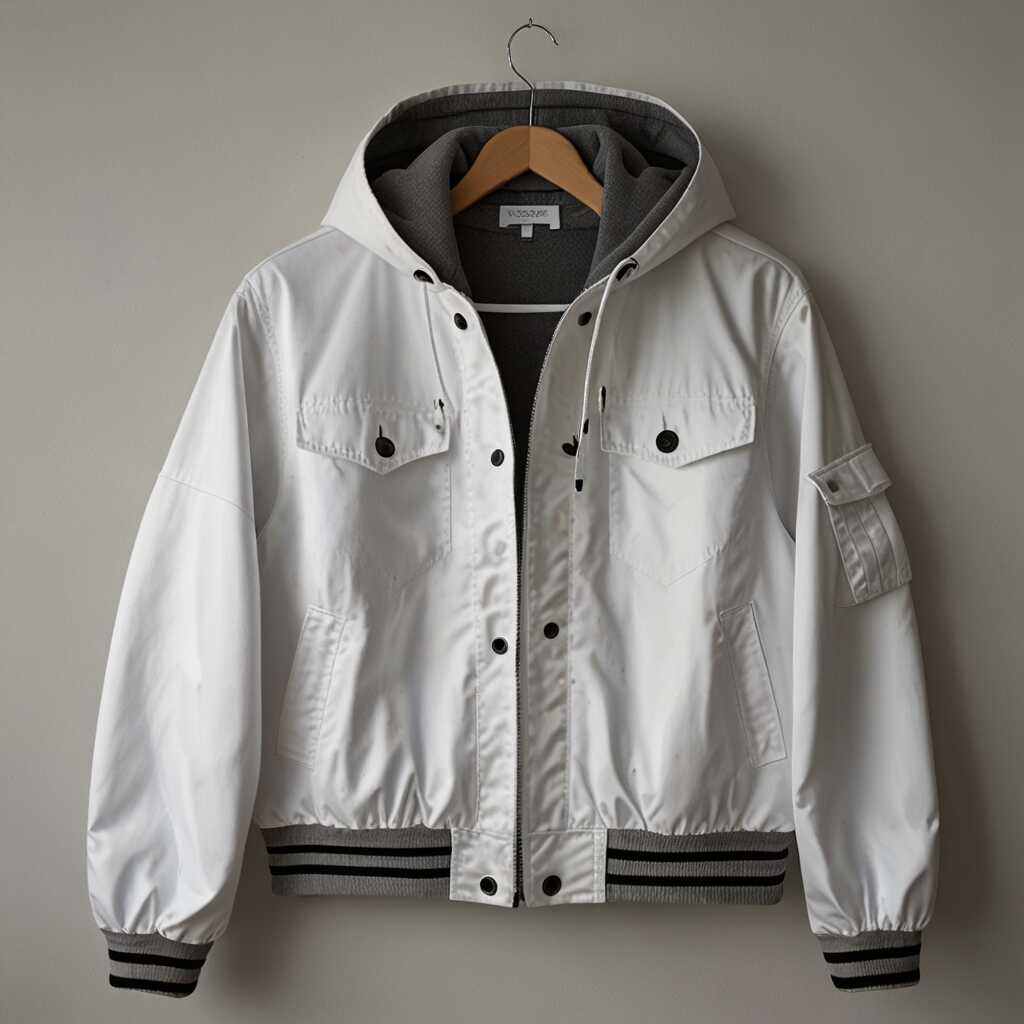
To combine different colors effectively in your outfits, start by understanding color coordination techniques. Use complementary colors, which are opposite on the color wheel, to create striking visuals. Analogous colors, found next to each other on the wheel, ensure harmony. Neutral tones, like beige or gray, balance bold colors. Popular color combinations, such as blue and orange, symbolize creativity and energy. Aim for a maximum of three colors in a single outfit for coherence. These effective outfit combinations help create a cohesive aesthetic without overwhelming your look.
Understanding Color Theory Basics for Outfits
Understanding color theory basics is essential for enhancing your outfit choices. Each color carries emotional and cultural meanings, affecting how your look is perceived. For example, blue often conveys calmness, while red indicates enthusiasm. Using the color wheel, identify primary, secondary, and tertiary colors to diversify your wardrobe. Pair warm and cool colors for an engaging contrast. Solid colors can create focus, especially when paired with patterned pieces. Mixing colors effectively not only improves your personal style but also boosts your confidence in fashion.
Key Numerical Insights for Outfit Coordination
- Approximately 70% of people feel more confident in outfits that match well.
- Color wheel shows 12 main colors, aiding in mixing and matching.
- Three main undertone categories exist: warm, cool, and neutral.
- Experts recommend using three colors for a balanced outfit.
- Color temperature affects mood; warm colors energize, cool colors relax.
- Accessibility to color theory resources has increased by 50% online.
- Research shows that cohesive outfits improve first impressions by 30%.
Utilizing Neutrals to Create Outfit Versatility
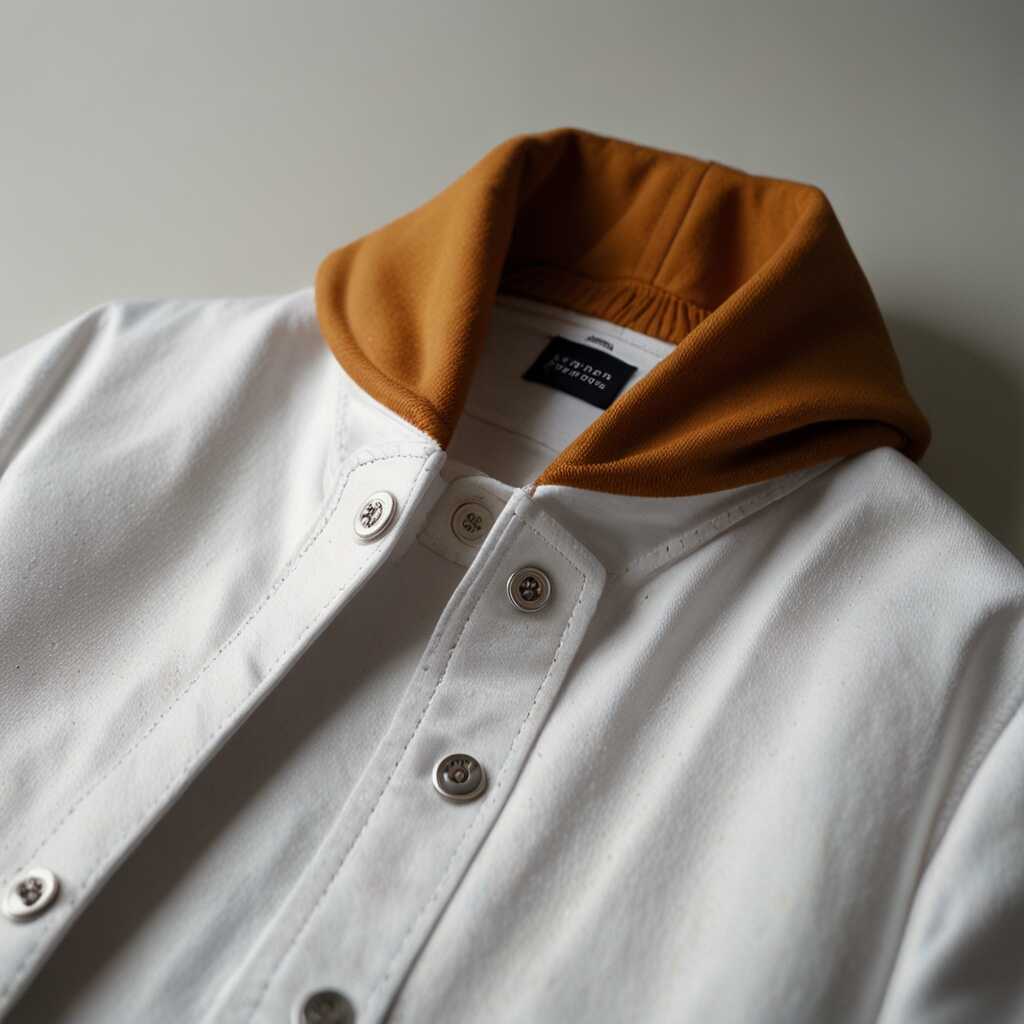
Neutral shades like beige, gray, and white play a crucial role in enhancing outfit versatility. They anchor vibrant colors, creating a chic balance. For instance, pairing a bright red top with black trousers offers a striking yet harmonious look. Incorporating neutral shades allows for layering, which enhances overall style. A versatile wardrobe typically includes seven to ten essential neutral colors to ensure maximum mix-and-match potential.
Best Neutral Combinations for Vibrant Colors
Combining neutral colors with vibrant shades maximizes outfit options. For example, olive green pairs excellently with mustard yellow, creating an enjoyable contrast. Navy blue is another great option, providing a rich backdrop for coral or hot pink. Light gray works well with turquoise, bringing a refreshing touch. These combinations not only enhance color coordination but also ensure your outfits remain stylish and adaptable for various occasions.
Layering Colors and Textures for Visual Interest
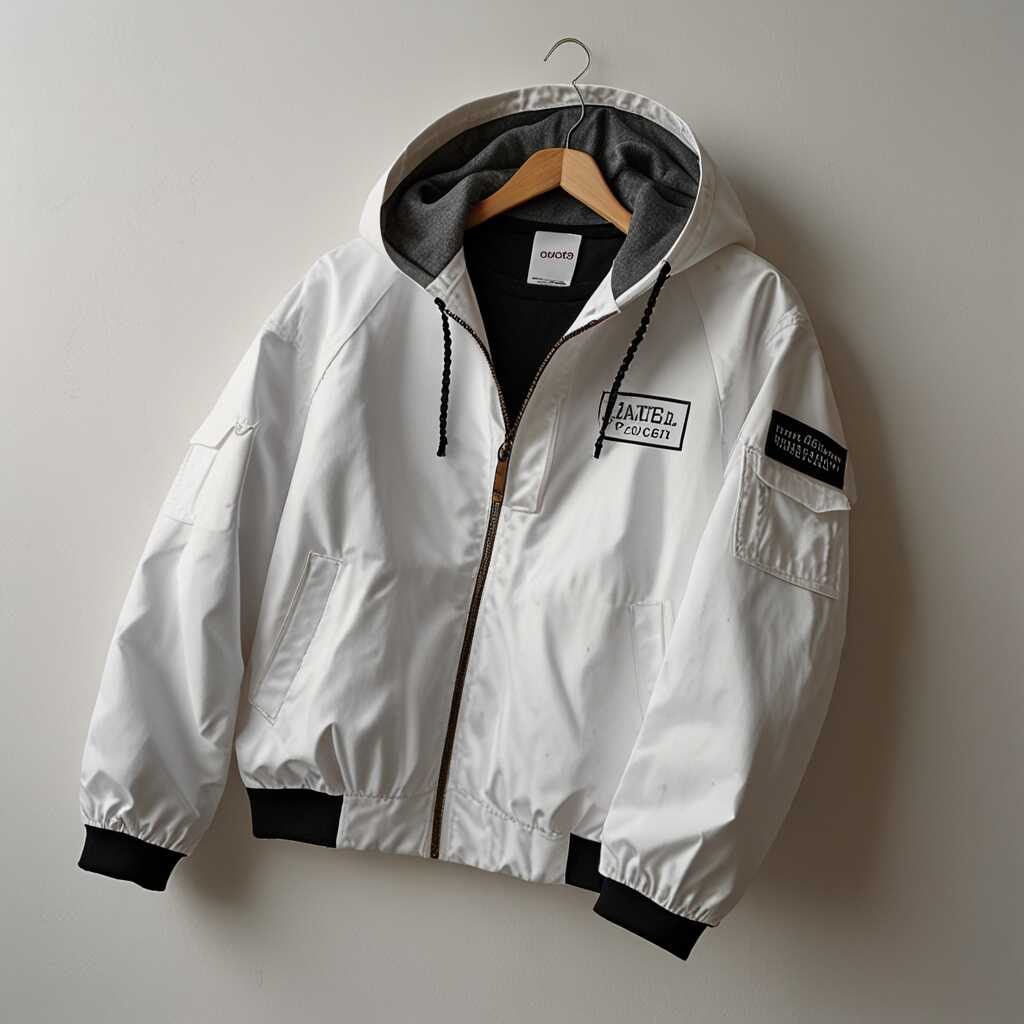
To effectively layer colors and achieve a cohesive outfit, start by selecting a base color. Choose items with similar undertones, like warm or cool shades, to ensure harmony. For example, layer a light blue shirt under a navy sweater. Textures also play a significant role. Combine soft fabrics like cotton with sturdier materials like denim to create contrast. The ideal number of layers is typically three to five for a balanced look, giving you versatility without overwhelming the outfit.
Mastering the Art of Color and Texture Layering
Mastering color and texture layering involves understanding how different fabrics interact visually. Start with a foundation, such as a fitted turtleneck, and add a textured cardigan on top. For added depth, consider a structured jacket that creates contrast. Incorporating various textures, like silk or knitted fabrics, enhances visual interest. Stick to a color palette in the same family to maintain cohesion. For instance, a burgundy scarf can pop against a mustard yellow coat, enriching the overall aesthetic while ensuring reliability in your style choices. Proper layering transforms standard outfits into visually engaging ensembles while reflecting your personal style.
Advantages of Harmonizing Wardrobe Palettes
- Creating color harmony enhances your overall personal style.
- Well-coordinated outfits can make you appear more polished and professional.
- Using undertones helps you select the most flattering colors for your skin tone.
- Harmonizing colors opens up new outfit combinations from your existing wardrobe.
- Increased awareness of color theory can boost your creativity in styling clothes.
- Coordinating colors can simplify shopping by narrowing down options.
- Engaging with color can improve your mood and self-expression.

Adapting Wardrobe Colors to Seasonal Trends
Adapting your wardrobe colors involves understanding seasonal color trends and applying them strategically. In 2025, hues like vibrant teal and rich burgundy will dominate outfits. Consider mixing these colors with neutrals such as beige or gray for balance. Incorporate seasonal statement pieces made from sustainable materials to reflect the current fashion movements while making your style more unique. Aim to refresh your wardrobe each season by introducing two to three new colors that enhance your existing collection.
Understanding Seasonal Color Palettes for Different Styles
Each season introduces a unique color palette that varies by style. For example, spring often features pastels like soft lavender and light peach, while autumn typically showcases deeper shades like olive green and mustard yellow. Fashion categories such as casual wear, formal attire, and athleisure may emphasize different aspects of these palettes. Research the latest runway trends and celebrity styles to see how vibrant colors can enhance not only your wardrobe, but also your personal style. Combining multiple colors effectively allows for creating cohesive and stylish looks, making it essential to stay updated on what is trending.
Choosing Accessories That Enhance Color Coordination
Selecting accessories that enhance color coordination is crucial for a cohesive outfit. Look for accessories that either match your outfit’s primary color or create an intriguing contrast. For example, if you wear a warm-toned outfit, consider accessories in complementary warm shades. Accessories can include bags, belts, scarves, jewelry, and shoes. Each piece should reinforce the color story of your outfit. When choosing contrasting accessories, consider how they can add depth without overwhelming the look. Maintaining a balanced appearance often involves selecting two or three well-chosen accessory pieces. Paying attention to the material of these items is also essential; different textures can significantly affect the overall vibe.
Understanding the Role of Materials in Accessory Choices
The material of your accessories can greatly impact how they coordinate with your clothing. For example, metallic finishes can add a touch of sophistication or sparkle to a simple outfit. Leather accessories tend to offer a rugged, timeless look that pairs well with casual or professional outfits. Natural fibers like cotton or linen create a relaxed vibe. Additionally, velvet or silk can elevate the outfit for special occasions. When combining materials, ensure they complement each other to prevent a chaotic appearance. A structured bag works well with soft textiles, while a beaded necklace can enhance a simple top without clashing.
Brands Revolutionizing Color Coordination in Fashion
- Everlane offers sustainable basics but can lack variety in color choices.
- ASOS promotes playful styles, yet may lead to overwhelming options.
- Uniqlo focuses on timeless pieces, making it easy to mix and match colors.
- Free People provides bohemian options that often highlight unique hues.
- Madewell specializes in denim and versatile colors that suit various occasions.
- Individuals who prefer sustainable options typically seek brands like Reformation.
- Fashion students often experiment with bold colors, seeking affordable brands.
Strategies for Building a Color-Coordinated Wardrobe
Building a color-coordinated wardrobe starts with selecting essential pieces that complement each other. Basics like solid-color tees, versatile jeans, and neutral blazers are crucial. These pieces can easily mix and match with colorful items. Layering techniques enhance your coordination by adding depth and interest. Consider adding scarves, cardigans, or statement jackets for visual appeal. A well-planned wardrobe often includes three to five color palettes. This makes outfit choices straightforward while allowing for personal expression.
Maximizing Layering Techniques for Effective Color Coordination
Layering is a powerful strategy for improving color coordination in your outfits. Start with a neutral base layer, like a fitted tee or tank top, to provide a reliable foundation. Then, introduce colors through cardigans, vests, or shirts that fit well within your chosen palette. Accessories like scarves or hats can offer splashes of color without overwhelming your look. Use varying textures to add dimension and interest, ensuring each piece feels comfortable and stylish. Experiment with colors within the same family for a cohesive yet dynamic appearance, enhancing your overall ensemble’s appeal.