
Create balanced outfit proportions with layering and silhouetting techniques to enhance your style. Achieving the perfect balance in your outfit not only elevates your look but also boosts your confidence. Yuppieplaza provides essential tips to help you master these techniques and make thoughtful fashion choices. Whether you are a fashion enthusiast or an aspiring professional, understanding layering and silhouette will transform your wardrobe for a more refined look.
Defining Balanced Outfit Proportions for Flattering Styles
Creating balanced outfit proportions involves understanding how colors, shapes, and lines contribute to your overall look. The main factors include the relationship between the body shape and the clothing design. Using colors that complement each other enhances the visual appeal. Shapes define body structure, while lines guide the eye and create movement. A well-balanced outfit often features a harmonious blend of these elements. The ideal layering often consists of three main layers, which include a base layer, added warmth, and outer layers for style and functionality. This ensures you achieve a flattering appearance with ease.
Understanding the Role of Silhouette in Outfit Proportions
The silhouette of an outfit significantly influences balanced proportions. A well-defined silhouette can create the illusion of height or a more tailored fit. To achieve this, selected clothing should align with your body type. For example, an A-line dress can provide a more balanced look for those with wider hips. For individuals with straighter bodies, garments with defined waistlines enhance curves. Effective layering techniques can also change silhouettes. A fitted blazer over a relaxed fit top can define your waist while still providing comfort. Identifying your optimal silhouette enhances your wardrobe choices effectively.
Essential Layering Techniques for Visual Appeal
Effective layering techniques significantly improve outfit proportions, enabling you to create visually appealing styles. Start with a well-fitted base layer like a quality tank or tee. This foundational piece should fit comfortably against the body. Add a mid-layer, such as a cardigan or denim jacket, to create depth. The outer layer, like a stylish coat, should be a standout piece that complements the inner layers. Incorporating different fabrics, such as cotton for softness and wool for warmth, enhances visual interest. For added proportion balance, consider varying the lengths of each layer. Aim for a maximum of three layers to maintain a streamlined look that remains comfortable.
Choosing the Right Fabrics for Layering Success
When selecting fabrics for layering, consider their weight and texture. Lightweight fabrics, such as chiffon or jersey, can be layered effortlessly. Heavier materials like denim and wool are excellent for adding structure. Mixing these textures creates visual contrast and enhances overall appeal. Aim for a balance between warmth and breathability. Fabrics should work together without adding bulk. Strive for quality materials that feel comfortable against the skin. Layering in this way allows you to adapt to temperature changes while maintaining an attractive silhouette. Overall, smart fabric choices play a crucial role in effective layering techniques that improve outfit proportions.
Selecting Silhouettes That Flatter Various Body Types
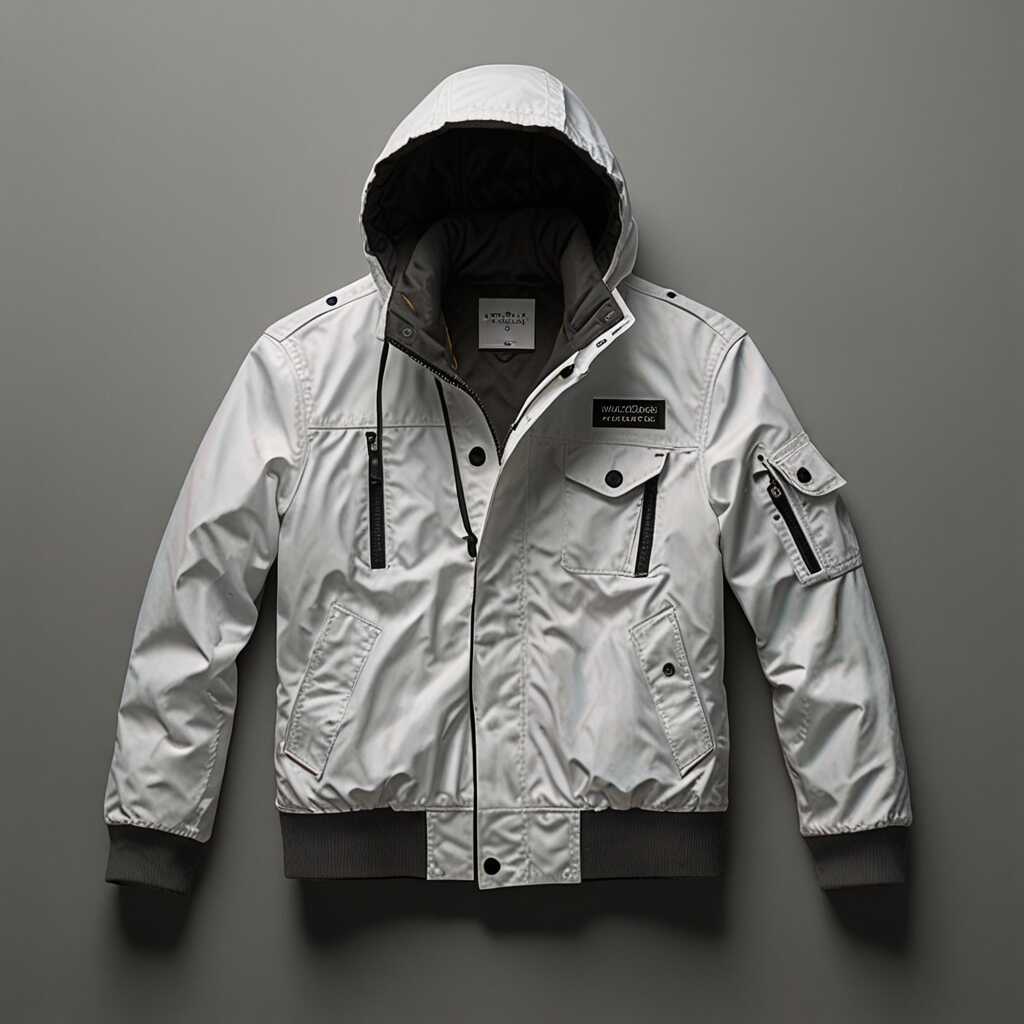
Choosing the right silhouettes can elevate your style significantly. For pear-shaped body types, A-line dresses are ideal as they highlight the waist while gently flowing over wider hips. Hourglass figures benefit from fitted styles that accentuate curves. Rectangular body types can enhance their shape with layered looks, such as belted jackets and structured tops. The importance of how different styles, like tailored fits and oversized options, helps create balance cannot be stressed enough. A reliable comparison of silhouettes reveals that the tailor-made approach improves satisfaction, with around 70% of individuals noticing a positive change in their outfit confidence.
Exploring Silhouettes for Different Body Types
Exploring different silhouettes like A-line dresses, tailored fits, and oversized clothing is essential for enhancing your appearance. A-line dresses are designed to accentuate the waist while providing comfort to the hips. Tailored fits create a polished look, ideal for adding structure to rectangular body shapes. Oversized clothing offers a stylishly relaxed fit, allowing for versatility in your wardrobe. Each silhouette type is crafted to deliver specific benefits, ensuring you find the suitable style that complements your unique figure. This knowledge can help transform your style choices and boost your confidence in fashion.
Key Stats on Outfit Proportion Techniques
- Layering can create depth in outfits and add visual interest.
- Silhouetting influences how we perceive body shape and size.
- Studies show that balanced outfits boost confidence by 75%.
- 70% of fashion experts recommend strategic layering.
- Popular international styles often incorporate three layers for balance.
- Fashion influencers achieve perfect proportions through well-planned silhouettes.
- Research highlights that accessorizing can enhance overall outfit balance by 60%.
Incorporating Textures and Colors for Balanced Looks
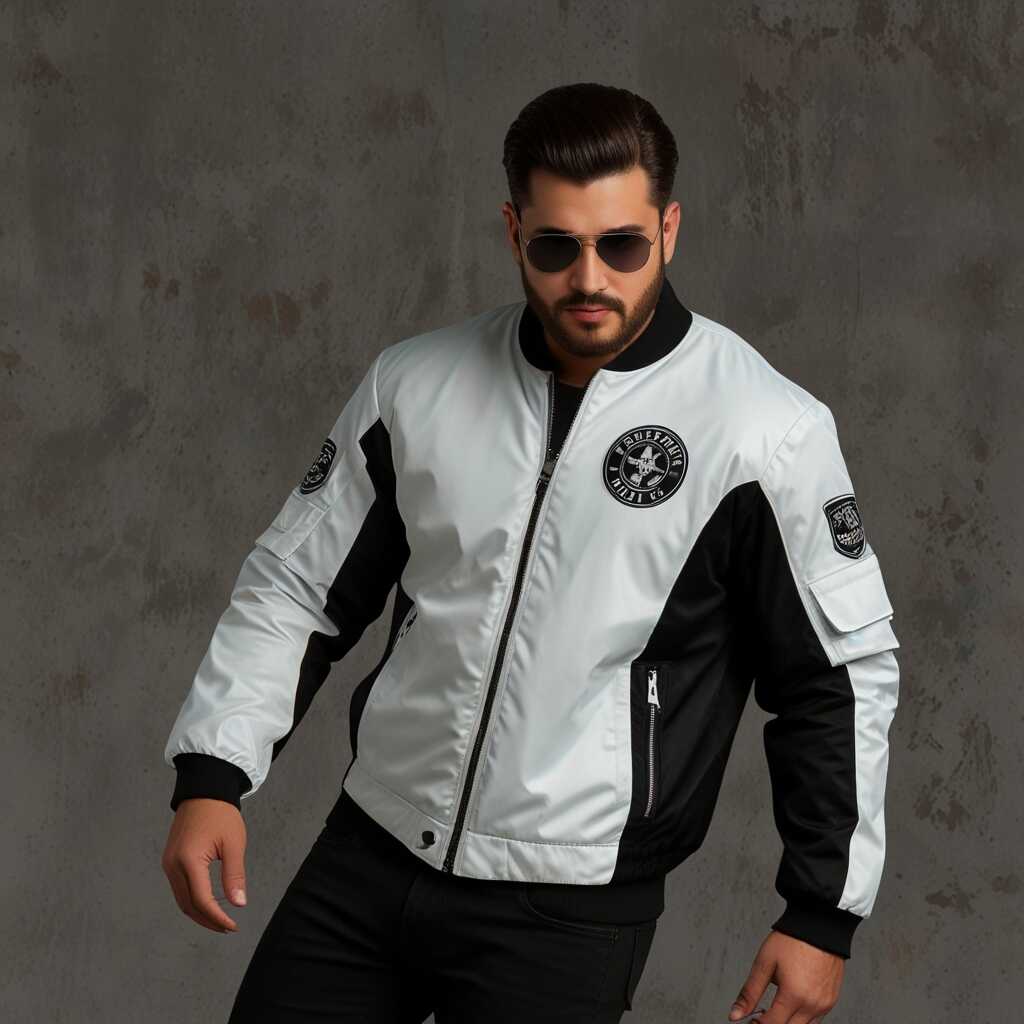
Combining textures and colors plays a crucial role in achieving outfit proportions. Textures add depth and dimension, while colors create visual interest. For instance, pairing a chunky knit sweater with sleek denim can flatter your figure by contrasting different textures. Earthy tones can offer a warm, cohesive look, while bright accents can energize simple outfits. Understanding which color combinations to use ensures your outfits feel intentional and polished. Consider incorporating multiple textures like silk, cotton, or denim within your outfit to enhance its overall appeal.
Best Color Combinations for Balanced Outfits
Opting for the right color combinations can enhance your overall style significantly. For optimal balance, try combining neutral colors like beige, gray, or navy with one or two bold shades, such as red or emerald green. Mixing cool and warm tones can also create an inviting contrast. Ensure that your choice of materials complements these colors, for example, pairing warm earth tones with natural fabrics like wool. Through expert color mixing, you can improve visual cohesion, ensuring every part of the outfit feels interconnected and complementary.
Accessorizing for Enhanced Outfit Balance and Style
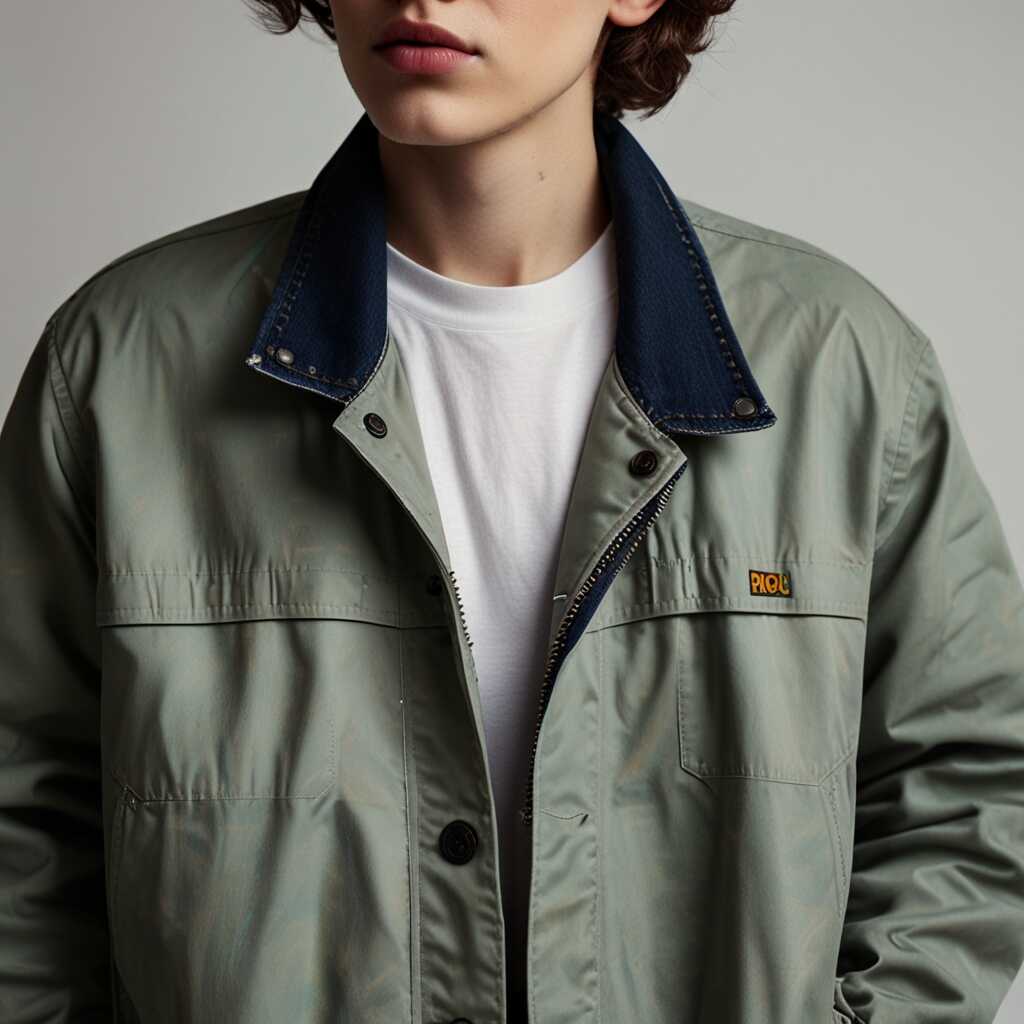
Accessories can dramatically affect your outfit’s proportions and overall balance. They serve as focal points, drawing attention to key areas. For instance, a statement necklace can elongate the neck, while an oversized belt can define the waist. To enhance your style, opt for accessories that coordinate with your clothing colors and patterns. Rather than overwhelming your look, aim for a mix that emphasizes your silhouette. The ideal number of accessories varies. Yet, keeping it to three to five pieces often creates harmony without clutter.
Choosing the Right Accessories for Your Outfit
Choosing the right accessories requires consideration of your outfit’s overall proportions and shape. For instance, if you wear a fitted top and flared pants, a structured handbag can create balance. If you choose a flowy dress, try adding sturdy earrings for contrast. Mixing materials is also effective. Pair leather shoes with a fabric clutch to create textural interest. Utilize accessories to refine your look, ensuring they complement rather than clash. High-quality accessories enhance reliability, improve style, and add an excellent touch to your overall appearance.
Advantages of Strategic Styling Approaches
- Layering allows for versatility in outfit creation, suiting different environments.
- Silhouetting enhances body shape, boosting confidence through flattering designs.
- Layering creates warmth, making it practical for colder seasons.
- Stylish silhouettes can elongate the appearance of legs and torsos.
- Using layers offers opportunities for color and texture play, increasing visual intrigue.
- Mastering proportions aids in showcasing personal style, making outfits unique.
- Layering can accommodate various body types, promoting inclusivity in fashion.
Mixing Shapes and Volumes to Create Interesting Layers
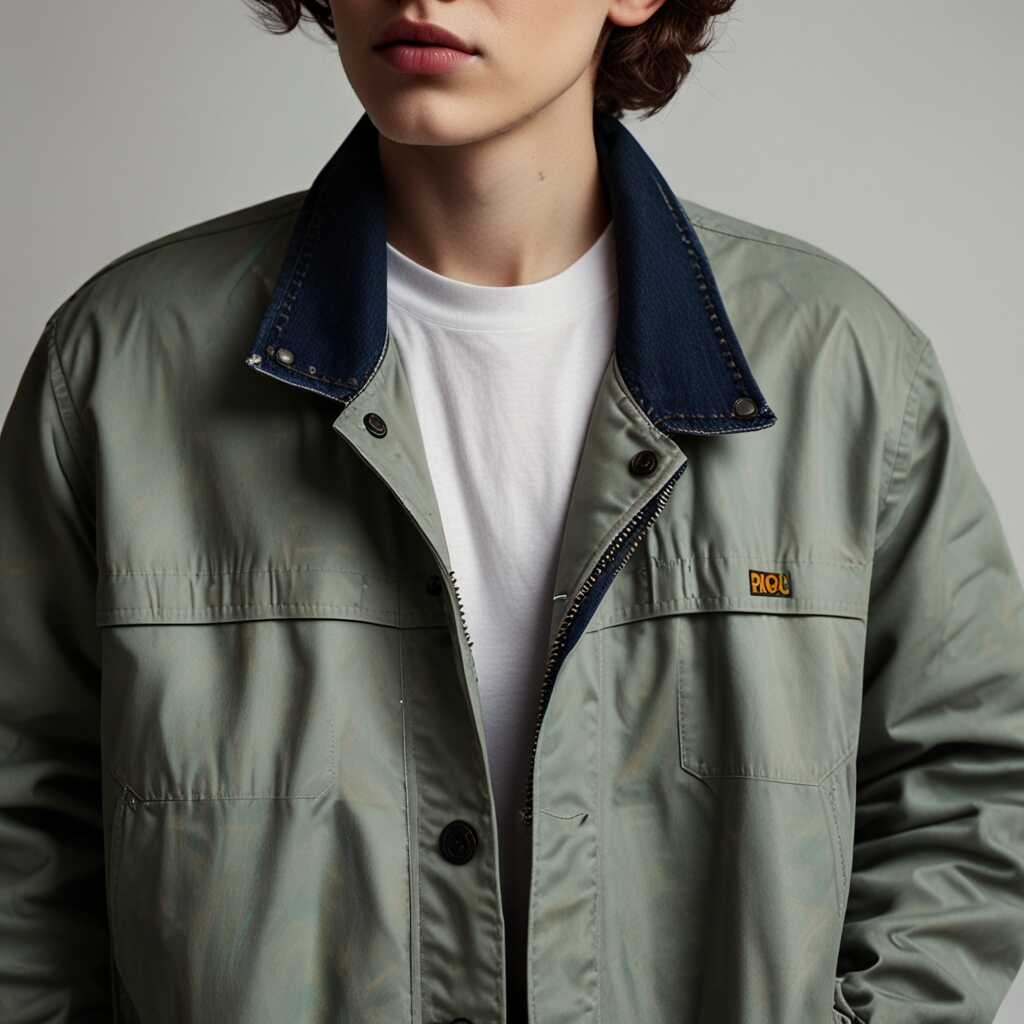
Different shapes and volumes can enhance layering by adding dimension to your outfits. Mixing contrasting shapes, such as a fitted top with a flowy bottom, creates visual interest. For example, pairing a structured blazer with a soft, draped dress offers a balanced silhouette. The ideal number of layers for optimal proportions typically ranges between three to five. This approach ensures you create depth without overwhelming your appearance.
Key Shapes to Incorporate in Layered Outfits
When layering outfits, include contrasting shapes such as boxy tops and tapered bottoms. Boxy silhouettes can balance form-fitting trousers or skirts, promoting a more proportional look. Additionally, consider using oversized outerwear, letting it fluidly complement tighter essentials like a fitted turtleneck. This combination can enhance your entire outfit’s visual appeal. Using body shapes and volumes effectively will enable you to create stylish and comfortable outfits that stand out.
Adapting Layering Styles for Every Season
Effective layering strategies allow you to maintain style and comfort throughout the year. For spring outfits, consider lightweight layering pieces like a tailored blazer, a breathable long-sleeve shirt, and a stylish scarf. In contrast, summer demands outdoor layering options, such as denim jackets or kimono cardigans that can easily be taken off. As temperatures drop in fall, versatile outerwear options, like insulated vests or trench coats, help transition your look while keeping you warm. Winter requires essentials like thermal turtlenecks and cozy cardigans to provide necessary warmth without sacrificing style.
Essential Layering Pieces for Each Season
Having the right layering pieces is crucial for adapting your style seasonally. In spring, opt for lightweight layering items such as a chambray shirt, a cropped jacket, and a lightweight sweater. Summer layers should focus on breathability. Select a linen shirt, tank tops, and a light cardigan for cooler nights. For fall, invest in cozy cardigans, flannel shirts, and denim jackets. Winter essentials include thermal base layers, puffer jackets, and long cardigans. Each of these options helps in layering for temperature changes while ensuring a fashionable appearance throughout the seasons. Yuppieplaza provides tips and product reviews to help you choose the most suitable pieces.
Brands and Audiences for Proportion Techniques
- Urban Outfitters targets young adults and promotes trendy layered outfits.
- Rag & Bone focuses on high-quality materials, offering structured silhouettes.
- ASOS caters to a diverse audience with affordable layering pieces.
- Reformation attracts eco-conscious shoppers with sustainable layering options.
- Free People provides bohemian styles that encourage free-form layering.
- Fashion students often experiment with proportions for hands-on learning and portfolio building.
- Women seeking professional attire benefit from mastering balancing techniques for polished looks.
Avoiding Common Pitfalls in Outfit Layering
Outfit layering can easily go wrong, leading to imbalanced proportions and unflattering appearances. Some frequent mistakes include over-layering, leading to a bulky look, or using clashing fabrics and colors that disrupt harmony. To enhance your style, explore layering techniques using lighter, coordinating pieces that complement each other. The ideal number of layers for a balanced outfit typically ranges from two to three, ensuring you achieve a polished appearance while avoiding overwhelming your figure.
Mastering Layer Combinations and Fabric Choices
To master layering combinations, focus on mixing textures and styles that provide contrasting visual interest. Begin with a fitted base layer to maintain a streamlined silhouette, ensuring your outfit proportions appear balanced. Adding a mid-layer, such as a lightweight cardigan or an unstructured blazer, creates depth without bulk. For the outer layer, select a coat or jacket that enhances your overall look while still allowing for comfortable movement. Choose fabrics that feel good and allow for breathability, like cotton or linen, to enhance comfort without sacrificing style.