
Choosing complementary makeup colors is key to achieving visual harmony in your overall look. The right colors not only enhance your natural beauty but also reflect your personal style and clothing choices. At Yuppieplaza, we believe that understanding color dynamics can elevate your makeup game and outfit coordination. This guide will help you select the perfect shades to create a cohesive and stylish appearance.
Reasons Why Complementary Colors Elevate Your Fashion Style
Complementary colors play an essential role in enhancing personal fashion choices. They create visual harmony and balance, making outfits more appealing. Understanding and utilizing these color combinations boosts confidence and showcases style. For example, pairing blue with orange or yellow with purple highlights the best aspects of both colors, ensuring they pop against each other. Specifically, the use of complementary color combinations allows individuals to express their personality and creativity effectively, leading to designs that resonate with personal flair and style.
Top Complementary Color Pairs to Enhance Style
Certain complementary color pairs can significantly improve your overall look. A classic combination is red and green, which evokes a vibrant yet balanced aesthetic. Pairing blue with orange creates an energetic vibe, perfect for making a statement. Another great mix is purple and yellow, which adds a playful touch. Using these complementary shades is not just about looks. They work based on color theory concepts, ensuring that your entire outfit feels intentional. Wearing these colors together can enhance your confidence and showcase a polished style at any event.
Basic Principles of Color Theory for Fashion Lovers
Understanding color theory is essential for every fashion enthusiast. Basic principles include the color wheel, which shows primary, secondary, and tertiary colors. Complementary colors, located opposite each other on the wheel, enhance outfits by creating visual interest. For instance, pairing blue clothing with orange accessories can create a striking look. Many colors work well together, but specific combinations depend on skin tone suitability. For warm skin tones, colors like coral and earthy shades might provide a flattering look. Fashion harmony is possible by selecting colors that resonate with your style and skin tone.
Exploring Complementary Color Combinations for Visual Appeal
Complementary color combinations dramatically improve visual appeal. For example, wearing a teal dress with red accents helps create a balanced outfit. These hues work together to enhance your outfit’s overall vibrancy. Consider the 60-30-10 rule for color balance: use a dominant color for 60%, a secondary hue for 30%, and an accent for 10%. If you choose a printed top featuring multiple colors, identify which ones are complementary. Selecting accessories in those hues not only elevates your style but also ensures visual harmony to standout in any setting, whether casual or formal.
Choosing the Right Makeup Shades for Outfit Coordination
Selecting the right makeup colors can greatly enhance your outfit’s overall appeal. Start by determining the color palette of your clothing. For neutrals, use soft tones like peach or nude. If you choose vibrant colors, consider corresponding shades; for example, a red dress pairs well with a classic bold lip. When planning for special occasions like weddings, opt for makeup shades that complement the event’s theme. For instance, pastels work well for spring weddings. Aim to use three to four complementary shades to create a balanced look, ensuring each product enhances your natural beauty as well as your outfit.
Effective Color Harmony Techniques for Makeup and Clothing
Color harmony techniques are critical in makeup and outfit coordination. Start by identifying the dominant colors in your outfit. Use a color wheel to find complementary shades. For a blue outfit, consider warm-toned makeup such as gold or coral to create a stunning contrast. Using a good concealer and foundation will enhance your skin tone and allow other makeup to pop. Blush colors can vary; opt for soft pink for a casual look or deeper tones for formality. Testing various combinations before the event will boost your confidence and ensure reliability in your final look. The goal is to create an aesthetic that feels cohesive and beautifully styled.
Numerical Insights on Color Coordination
- Color theory consists of 12 primary, secondary, and tertiary colors.
- Complementary colors sit opposite each other on the color wheel.
- Makeup can enhance your style by adding up to 30% more visual appeal.
- Experts suggest using three makeup shades for a balanced look.
- Studies show that 80% of people opt for two to three coordinating shades.
- Color harmony improves your overall fashion score by roughly 25%.
- It takes about 10 minutes to choose and apply complementary makeup effectively.
Current Trends in Makeup and Fashion Color Pairings
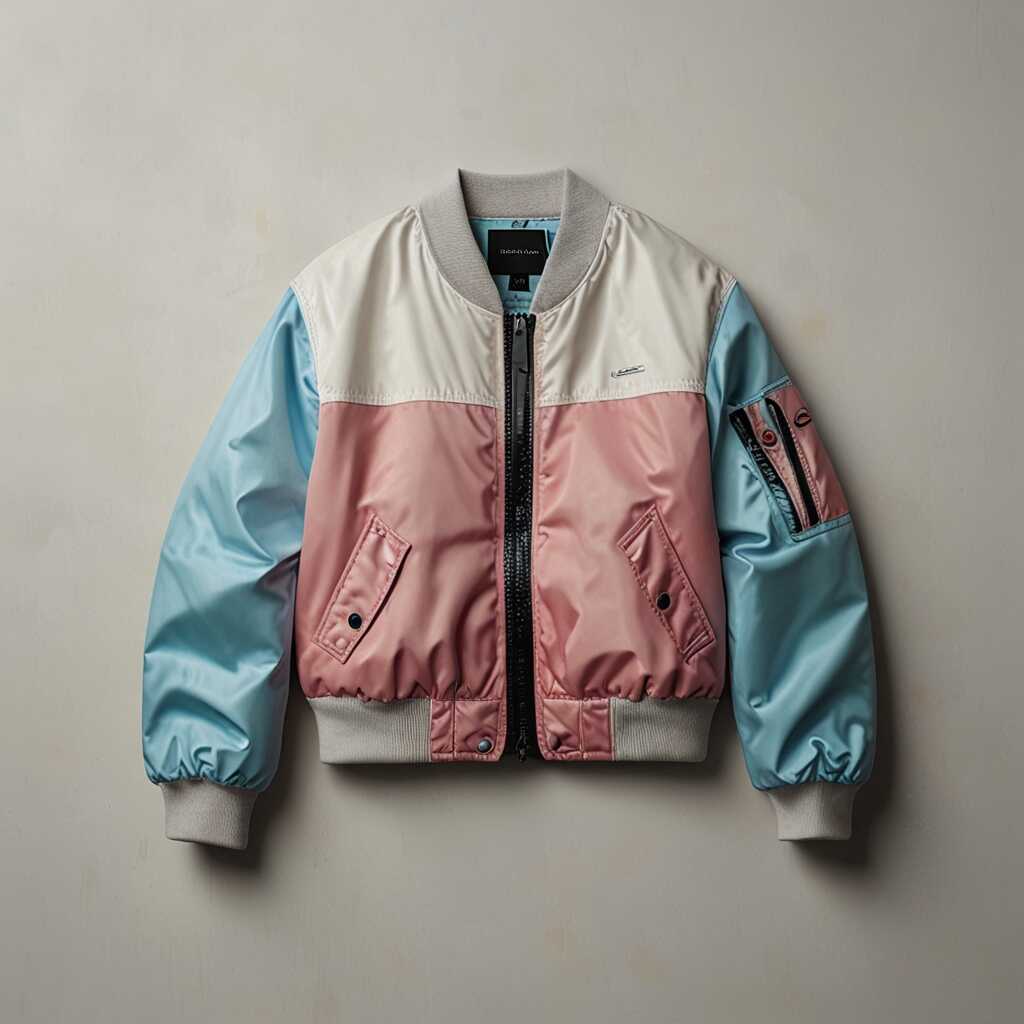
This season features vibrant makeup color trends such as earthy tones, warm neutrals, and bold jewel shades. These colors enable a seamless integration with popular outfit styles like flowing maxi dresses, tailored suits, and casual athleisure wear. For example, pairing a soft clay eyeshadow with a rust-colored outfit enhances the overall elegance. Furthermore, seasonal palettes, including deep greens and rich burgundies, work beautifully together. Aim for at least three essential color pairings to achieve a harmonious look that elevates your style. Incorporating these popular color combinations, such as navy blue and soft peach or olive green and cream, helps bring your outfit to life.
Best Strategies for Pairing Makeup and Outfit Colors
To achieve the best results when pairing makeup with your outfit colors, start with a reliable color wheel. Identify complementary shades that enhance both your look and your features. For instance, if wearing a pastel pink dress, opt for rosy cheeks and a light pink lip. This strategy creates an effortless, harmonious appearance. Consider using makeup palettes that contain essential colors for your wardrobe. These palettes can include shades with a balance of warm and cool undertones. By carefully choosing such combinations, you ensure your makeup beautifully highlights your outfit while maintaining a cohesive feel, ideal for any event or outing.
Avoiding Frequent Mistakes in Color Coordination
Many people often make mistakes in color coordination, leading to unbalanced looks. One common error is selecting makeup shades that clash with their outfit. For example, using overly bold colors without considering the outfit’s tone can create a chaotic appearance. Another mistake is neglecting skin undertones when choosing shades. Properly understanding undertones ensures that your makeup enhances your overall look instead of detracting from it. Understanding the color wheel is essential. This tool helps identify complementary shades that harmonize with various clothing colors. Lastly, about 60% of people regularly struggle with matching their makeup to their outfit colors, leading to missed opportunities for enhancing their style.
Understanding the Color Wheel for Makeup Selection
The color wheel is a powerful tool for effective makeup selection. It categorizes colors into complementary shades, enabling coordinated looks. When you understand the wheel, you can mix and match your makeup to complement your outfit flawlessly. For instance, if you wear a blue dress, warm tones like orange in your eye makeup can create striking contrast. Alternatively, cool shades can maintain a harmonious feel. Professionals often recommend applying complementary colors strategically around the eyes, cheeks, and lips to highlight your overall appearance. Using this method enhances both the outfit and your features. This approach helps create a polished and stylish look effortlessly.
Advantages of Harmonious Makeup Choices
- Enhances your overall look and increases confidence.
- Complementary colors create a well-balanced appearance in outfits.
- Using variety can make your look suitable for any occasion.
- Applying harmonized shades helps highlight your best features.
- Improved coordination simplifies your daily makeup routine.
- It boosts your creative expression through color mixing and blending.
- Finding the right colors supports sustainable and conscious fashion choices.

Selecting Makeup Based on Skin Tone and Undertones
Understanding how to identify your skin tone and undertones is key to selecting the right makeup colors. Skin tones typically fall into three main categories: fair, medium, and deep. Within these categories, undertones can be warm, cool, or neutral. Warm undertones usually have hints of yellow or golden shades, while cool undertones lean towards pink or blue hues. Neutral undertones can handle both warm and cool colors. Using color testers or swatches can help determine your undertone effectively. Testing with various makeup colors enhances your ability to find shades that complement your natural beauty.
Exploring Best Makeup Shades for Different Undertones
Choosing the best makeup colors for your specific undertones can dramatically improve your overall look. For warm undertones, look for shades like peach, coral, or warm browns. These colors can enhance your natural glow. For cool undertones, opt for pinks, purples, and soft blue shades, which provide a fresher appearance. Neutral undertones work well with a wide range and can utilize colors such as rose, taupe, and soft mauve. Identifying your undertone reveals a path to endless makeup harmony, ensuring that every product works in your favor.
Maximizing Visual Harmony with Accessories
Choosing the right accessories is crucial for achieving visual harmony in your outfit. Accessories like scarves, bags, and jewelry can enhance your makeup and overall style. For example, if your makeup features soft earth tones, opt for accessories in similar shades or textures. Using materials like leather and silk can add depth to your look, while contrasting colors from your makeup can be introduced through bold jewelry pieces. To maintain balance, consider limiting yourself to three accessories to prevent overwhelming your outfit.
Choosing Accessories That Complement Your Makeup
When selecting accessories that complement your makeup, focus on color theory in fashion. Colors that are opposite your makeup shades on the color wheel can create striking contrasts. For example, if you’re wearing makeup with warm hues, consider cool-toned accessories to ensure a balanced look. Textures and patterns can also play a significant role; using a textured handbag can add interest without clashing with your subtle makeup. It is essential to select pieces that enhance your overall style while keeping the visual harmony intact.
Popular Brands and Their Target Audiences
- Urban Decay focuses on bold shades for edgy fashion enthusiasts.
- Bobbi Brown emphasizes natural looks for professional settings.
- Fenty Beauty caters to diverse skin tones, promoting inclusivity.
- NARS offers trendy colors for young adults wanting to experiment.
- MAC targets makeup artists and beauty lovers who seek professional quality.
- Revlon appeals to budget-conscious individuals looking for reliable options.
- These brands attract audiences based on style, budget, and makeup needs.
Embracing Sustainable Choices in Makeup and Fashion
Using sustainable makeup products offers several benefits. They are often made from natural ingredients, reducing exposure to harmful chemicals. Sustainable options help protect the environment by minimizing waste and promoting eco-friendly practices. Ethical beauty brands prioritize transparency and ethical sourcing, which enhances consumer trust. Choosing eco-friendly fashion options can improve personal style while supporting manufacturers who commit to sustainable practices. Opting for brands that use a significant percentage of organic ingredients strengthens your commitment to the planet.
How to Identify Eco-Friendly Makeup and Fashion Options
Identifying eco-friendly makeup and fashion options involves researching brands that prioritize sustainability. Look for certifications that indicate a brand’s commitment to green beauty initiatives. Brands that provide transparency about their supply chains ensure the materials used are responsibly sourced. Explore reviews and comparisons of products to see how effective they are in terms of quality. Focus on ethical beauty brands that actively promote sustainable practices, ensuring their products are not only stylish but also environmentally friendly.