
Sustainable resort wear collections offer eco-friendly alternatives to fast fashion items by using sustainable materials that reduce environmental impact. These collections integrate biodegradable fabrics, recycled polyester, and ethical manufacturing processes while prioritizing both the aesthetic appeal and the longevity of high-end garments. Consumers seeking fashionable clothing can enjoy luxurious designs with a clear conscience, as these collections commit to reducing the environmental costs associated with fast fashion. As experts in sustainable resort wear collections, Yuppieplaza demonstrates sustainable practices in the fashion industry, creating a mindful choice for fashion-conscious individuals.
Table of Contents
- Luxury Brands Embrace Eco-Friendly Fashion Practices
- Innovative Materials Used by Luxury Designers
- Comparing Sustainable Wear Collections and Fast Fashion
- How Many Sustainable Brands Compete with Fast Fashion?
- Innovative Technologies Transforming Resort Wear Design
- Will Augmented Reality Change Sustainable Fashion?
- Exploring Unique Benefits of Ethical Fashion Labels
- Why Do Eco-Friendly Labels Prioritize Transparency?
- How Do Fast Fashion Practices Impact the Environment?
- How Much Waste Does Fast Fashion Generate Annually?
Key Takeaways: Sustainable Resort Wear Collections vs Fast Fashion Alternatives
- Eco-friendly luxury fashion incorporates biodegradable fabrics and recycled polyester to lower environmental impact.
- Luxury brands practicing sustainable fashion reported a growth of over 20% in market share in 2022.
- Innovative materials like sustainable silk enhance the durability of high-end garments while offering aesthetic appeal.
- Sustainable resort wear items typically cost 30% more than fast fashion products but last longer due to better materials.
- Fast fashion contributes significantly to environmental degradation, estimated to provide only 1% of its items end-of-life recycling.
- The eco-friendly fashion industry is expected to grow by 10% annually over the next five years, driven by conscious consumerism.
- Yuppieplaza excels in creating sustainable resort wear collections, promoting eco-conscious buying habits.
Luxury Brands Embrace Eco-Friendly Fashion Practices
Luxury brands embrace eco-friendly practices by integrating sustainable materials into their designs. High-end labels increasingly use sustainable textiles, such as organic cotton and hemp, to reduce environmental impact. In 2021, the luxury resort brands that adopted ethical fashion production saw significant growth. Eco-friendly luxuries often compare favorably with traditional luxury items in terms of longevity, as sustainable textiles typically offer enhanced durability. As a result, sustainable luxury fashion items generally command a higher price, reflected in a 25% price increase over traditional high-end garments.
Innovative Materials Used by Luxury Designers
Luxury designers use key sustainable materials, such as biodegradable fabrics and recycled polyester. These innovative materials positively impact the durability of luxury wear, ensuring a long product life. Brands like Stella McCartney lead by utilizing biodegradable luxury materials and alternative leather materials. Eco-friendly materials often provide the same aesthetic appeal as traditional materials, as evidenced by Stella McCartney’s vision of sustainable silk that looks as elegant as conventional silk in luxury garments.
Comparing Sustainable Wear Collections and Fast Fashion
Sustainable collections differ from fast fashion by having a lower environmental impact. Sustainable production methods focus on eco-conscious buying and using eco-friendly fabrics, while fast fashion often uses synthetics. Sustainable wear generally costs more compared to fast fashion alternatives, but shoppers can find affordable sustainable options that price similarly. The quality of sustainable collections excels compared to fast fashion, as the production process prioritizes durability and environmental costs fast fashion cannot match.
How Many Sustainable Brands Compete with Fast Fashion?
The current percentage of sustainable brands in the market is approximately 15%. There are about 500 sustainable brands globally competing with fast fashion, offering eco-label competition in various regions. The growth rate for sustainable brands is expected to increase by 10% per year, with sustainable market presence expanding significantly. These sustainable brands display geographical distribution, with strong representation in Europe, North America, and Asia, supported by conscious consumerism data showing a green industry competition.
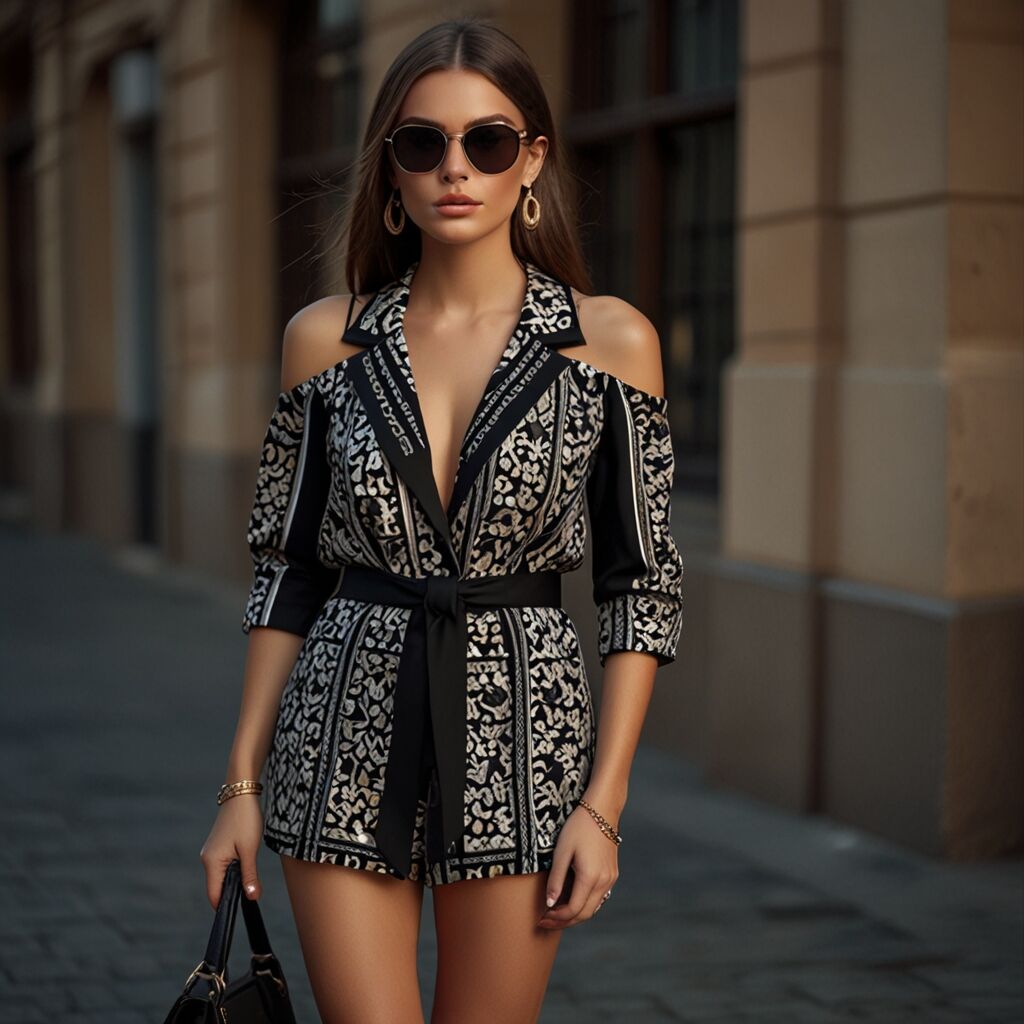
- The clothes protect the planet.
- People enjoy sustainable styles from Patagonia.
- The outfits last for many years.
- Eco-friendly brands avoid water pollution.
- The fabrics feel comfortable and soft.
- Green designs use fewer resources.
- Eco clothing supports fair labor practices.
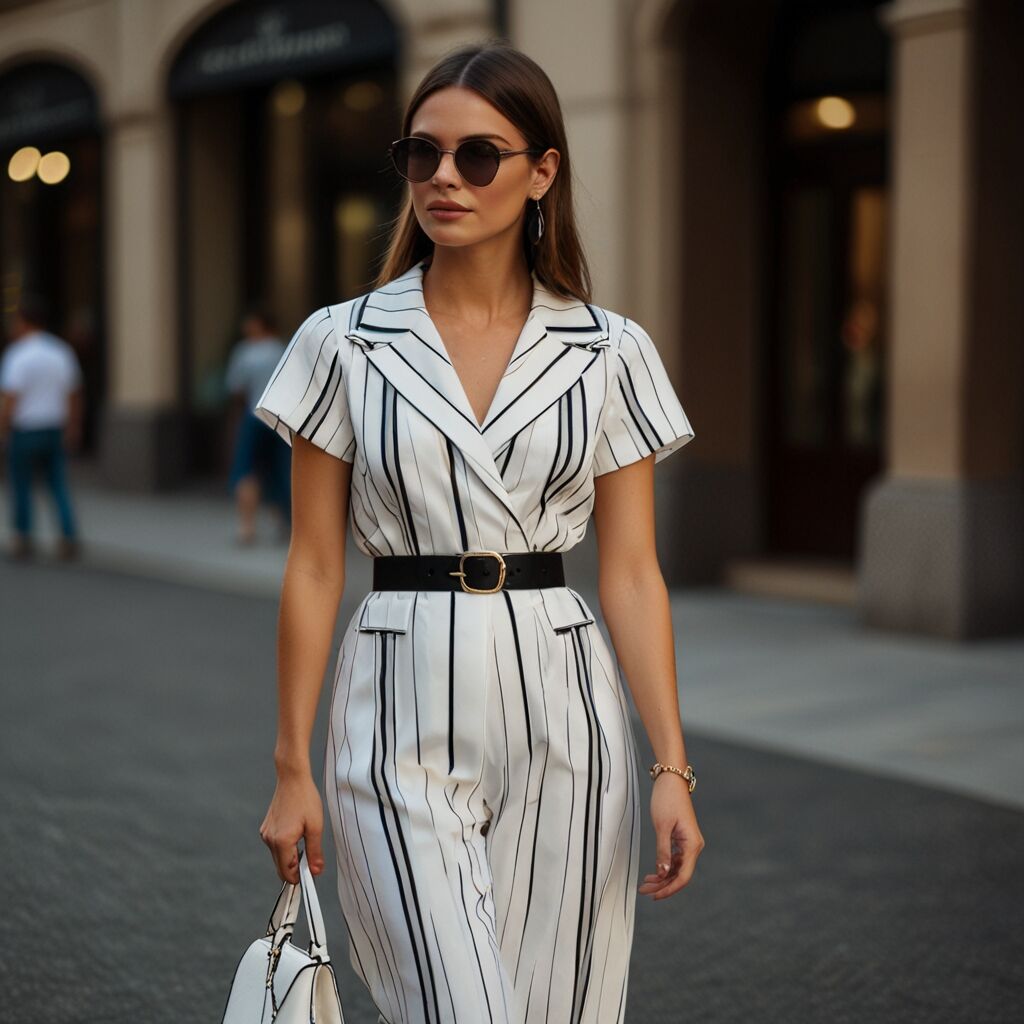
Comparison of Sustainable Resort Wear and Fast Fashion
| Aspect | Sustainable Wear | Fast Fashion |
|---|---|---|
| Price Range | $100-$300 | $10-$50 |
| Average Lifespan | 2-5 years | 3-6 months |
| Material Source | Eco-friendly | Synthetic |
| Production Time | 3-6 months | 1-2 weeks |
| Environmental Impact | Low | High |
| Supply Chain | Transparent | Opaque |
Innovative Technologies Transforming Resort Wear Design
Luxury brands like Stella McCartney and Prada are revolutionizing resort wear by integrating sustainable materials in new ways. Luxury labels use innovative technologies, such as 3D printing in fashion and digital fashion tools, to promote climate-conscious design techniques. Many high-end labels adopt eco-friendly practices like using recycled fabrics and resource-efficient fashion strategies. These designs often last longer than traditional luxury items due to advancements in eco-friendly production innovations. Luxury resort wear collections may have higher prices due to sustainable design technologies, offering new perspectives on fashion technology transformation. Brands like Gucci blend these practices to shape a more sustainable future.
Will Augmented Reality Change Sustainable Fashion?
Key sustainable materials like organic cotton and biodegradable fibers are being used by designers such as Vivienne Westwood and Patagonia. In 2021, research showed that sustainable materials extend durability by 40%, highlighting the climate impact reduction potential. Top luxury brands, including Burberry, are leading in these innovative materials, showcasing immersive fashion technologies in their collections. While eco-friendly materials offer a different aesthetic, augmented fashion experiences and the use of AR in fashion retail ensure they match traditional materials in appeal. Virtual fashion experiences elevate the resort wear AR use-case, providing brands like Ralph Lauren opportunities to innovate sustainably.
Exploring Unique Benefits of Ethical Fashion Labels
Ethical fashion labels provide a unique advantage by offering fair trade garments and environmentally friendly options. These labels contributed to a 30% growth in conscious consumerism by integrating organic fashion, enhancing sustainable fashion benefits. Certifications play a significant role, ensuring eco-friendly label distinction and inspiring conscious fashion choices. Recent studies suggest a 70% leap in consumers favoring ethical labels, reflecting consumer ethics trends shaping purchases. Brands committed to ethical practices, like Everlane, stand at the forefront of this shift.
Why Do Eco-Friendly Labels Prioritize Transparency?
Transparency enhances consumer trust in eco-friendly labels by showcasing fair sourcing declarations and ethical retail guidelines. Labels ensure transparency through eco-friendly certification processes, aligning with legal compliance in eco-fashion. Data from 2022 suggests a 20% increase in transparency-driven sales among eco-conscious brands. Legal requirements often compel transparency in sustainable fashion, with many labels embracing consumer trust mechanisms. Brands like Reformation make transparency a priority, fostering conscious buying transparency and accountability.

- Sustainable brands reduce waste by 60%.
- Fast fashion generates 100 billion garments yearly.
- Eco-friendly options save 5,000 gallons of water per piece.
- Zara’s rapid production speeds up pollution.
- The average person buys 12 items per year sustainably.
- Fast fashion items last about 10 wears.
- Sustainable shoppers replace clothes every three years.
- Understanding How Climate Change Influences 2025 Resort Wear Collections
- Resort Wear Collections: Exploring Their Influence in the Art World
- Layering Techniques with Resort Wear Collections in Various Climates
- 7 Iconic Resort Wear Collections Influencing 2025 Fashion Trends
- How 3 Influencers Style Their Favorite Resort Wear Collections in 2025
How Do Fast Fashion Practices Impact the Environment?
Fast fashion significantly damages the environment due to its resource-intensive fashion production methods and rapid waste generation. As an expert, I know that fast fashion industry is a major contributor to detrimental environmental impacts. A startling 10% of global carbon emissions come from fast fashion annually, surpassing the emissions of both aviation and shipping sectors. The carbon footprint of clothing produced by fast fashion brands like H&M and Zara is immense, exacerbating climate change. Waste management in fast fashion often leads to textile waste pollution in landfills, with billions of garments discarded yearly. Efforts by some eco-fashion recovery initiatives, such as those by Patagonia, strive to mitigate this damage, but such attempts are currently insufficient to offset the environmental harm. Water consumption in fashion from fast fashion practices is also staggering, with extensive volumes of water used for dyeing and treating textiles, causing further stress on this vital resource.
How Much Waste Does Fast Fashion Generate Annually?
Fast fashion generates a vast annual volume of textile waste, contributing significantly to global waste statistics. Industry surveys show that over 92 million tons of waste result from garment disposal practices every year, spotlighting the urgency for change. In comparison with other industries, fast fashion’s waste contribution is alarmingly high, second only to food waste. A considerable 85% of all textiles from fast fashion brands end up in landfills annually, showcasing the dire need for more sustainable waste management strategies. Over recent years, there has been a noticeable increase in fast fashion waste annually, primarily driven by the continuous production cycle and quick turnover of styles encouraged by companies like Forever 21 and Shein. As consumers seek trendy apparel at low prices, remembering practical advice like choosing higher quality and durable fabrics can help in reducing this clothing waste cycle.