
Ethical fashion practices in 2025 will rely on five key metrics to guide decision-making and ensure sustainability in the industry. These metrics include eco-friendly materials, biodegradable fabrics, circular economy initiatives, zero waste practices, and transparent supply chains. With consumers increasingly concerned about the environmental and social impact of their purchases, these metrics will help fashion brands assess their ethical standing and improve their contributions to a more sustainable future. Major players such as Patagonia are already setting benchmarks for others to follow, leading to a more eco-conscious design approach across the globe.
Table of Contents
- Eco-Friendly Materials Revolutionize Fashion Industry
- The Role of Biodegradable Fabrics in Fashion
- Circular Economy Metrics in Ethical Fashion Practices
- What is Fashion Zero Waste Initiative’s Impact on Brands?
- Supply Chain Transparency Impacts Fashion Sustainability
- Blockchain Technology Enhances Fashion Traceability
- How to Measure Ethical Compliance in Fashion Brands?
- What Percentage of Brands Achieve Ethical Certification?
- How Sustainable Fashion Beneficially Impacts Social Well-Being?
- The Role of Indigenous Communities in Ethical Fashion
- What Are Unique Consumer Trends in Ethical Fashion Preferences?
- The Growth of Eco-Conscious Consumer Segments in Fashion
Key Takeaways
- Fashion brands should adopt sustainable textile practices to reduce environmental harm and align with consumer expectations.
- Eco-friendly materials can transform traditional fashion by incorporating biodegradable fabrics and renewable resources.
- Sustainable fashion leaders like Patagonia use eco-conscious designs and sustainable textiles to drive industry change.
- Circular economy principles can minimize waste through closed-loop supply chains and zero waste initiatives.
- Brands need to perform lifecycle assessments to measure the effectiveness of eco-friendly materials and biodegradable fabrics.
- Fashion Zero Waste Initiatives can save brands money while boosting sustainability metrics and brand innovation.
- Yuppieplaza offers insights into the Five Key Metrics for Assessing Ethical Fashion Practices in 2025, guiding companies toward sustainability.
Eco-Friendly Materials Revolutionize Fashion Industry
Eco-friendly materials can substantially improve the fashion industry’s sustainability. These materials, such as sustainable textiles and biodegradable fabrics, decrease the environmental impact of production. In my experience, a significant portion of fashion brands find it challenging to incorporate eco-friendly materials due to high costs and limited availability. Unfortunately, as of 2023, less than 50% of brands have adopted eco-conscious designs using renewable resources. Patagonia is a leader in using sustainable textiles, setting a benchmark for others. Eco-friendly materials influence consumer purchasing decisions as more customers seek sustainable fashion with a transparent material lifecycle.
The Role of Biodegradable Fabrics in Fashion
Biodegradable fabrics decompose faster than traditional textiles, often breaking down in compostable environments within a few years. This rapid decomposition offers environmental benefits by reducing the brand carbon footprint and contributing to sustainable textile innovation. Brands can assess the lifecycle of these biodegradable materials through lifecycle assessment tools and fiber recycling technology. According to market research, by 2025, biodegradable fabrics are expected to capture an impressive 20% of the market in fashion sustainability, showing a significant growth trajectory.
Circular Economy Metrics in Ethical Fashion Practices
The circular economy plays a critical role in enhancing fashion industry sustainability by supporting waste reduction strategies and closed-loop supply chains. Brands implement these principles through circular fashion design that extends the product lifecycle and minimizes excess. Circular fashion leads to significant waste reduction, with projections suggesting it could eliminate up to 70% of apparel waste. Consumers view circular economy initiatives positively, with 60% expressing a preference for eco-friendly merchandise made using sustainable business practices.
What is Fashion Zero Waste Initiative’s Impact on Brands?
Currently, over 1,000 fashion brands globally have adopted zero waste initiatives. These efforts have achieved around 30% overall waste reduction, significantly impacting waste management statistics. Zero waste movement reflects positively on brands’ sustainability metrics by providing zero waste certification and supporting brands in reaching their waste reduction targets. Financial benefits from the zero waste initiative include reduced costs associated with landfill fees and resource management, reinforcing a sustainable business model and showcasing brand sustainable innovation.

- Sustainable fashion helps protect the Earth.
- Organic materials keep the environment safe.
- Fair wages support happy workers.
- Supply chain transparency builds trust with brands like Everlane.
- Low carbon footprints reduce pollution.
- Animal welfare promotes cruelty-free clothes.
- Garment recycling saves resources.

Comprehensive Overview of Five Key Metrics for Evaluating Ethical Fashion Practices in 2025
| Metric | Description | 2025 Goal | Progress | Comparison | Impact |
|---|---|---|---|---|---|
| Material Sourcing | Organic, natural fibers | 80% usage | 70% in 2024 | 10% more vs 2024 | Reduce carbon footprint |
| Labor Practices | Fair wages & conditions | 100% compliance | 90% in 2024 | 10% improvement | Better worker welfare |
| Waste Management | Recycling, reuse policies | Zero waste goal | 5% waste in 2024 | 5% less waste | Conserve resources |
| Carbon Emissions | Reduced CO2 output | 50% cut | 40% cut in 2024 | 10% more cut | Combat climate change |
| Transparency | Reporting practices | Full transparency | 80% in 2024 | 20% more openness | Increased trust |
| Water Usage | Efficient techniques | 30% reduction | 20% in 2024 | 10% saved | Protect water supplies |
Supply Chain Transparency Impacts Fashion Sustainability
Eco-friendly materials such as organic cotton and recycled polyester drastically improve the fashion industry’s sustainability by reducing environmental impact and resource consumption. Fashion brands face challenges like securing consistent eco-friendly material supplies and ensuring ethical sourcing practices. Brands like Patagonia, known for transparency technology, are leaders in the use of sustainable textiles. Using blockchain fashion traceability can build consumer trust, making you more likely to choose products with traceable production standards and fair labor practices.
Blockchain Technology Enhances Fashion Traceability
Biodegradable fabrics like Tencel differ from traditional textiles due to their faster decomposition rate, typically under six months. The environmental benefits include reduced landfill waste and lower carbon emissions from decentralized supply chains. Brands can utilize digital authenticity verification to assess the lifecycle of biodegradable materials, ensuring comprehensive traceability solutions. The market growth for biodegradable fabrics in fashion is expected to rise by 30% annually as more brands like Stella McCartney embrace sustainable tech innovations and blockchain adoption rate increases.
How to Measure Ethical Compliance in Fashion Brands?
Fashion brands assess their adherence to ethical fashion standards through regular ethical compliance evaluation processes. Common metrics in evaluating ethical compliance include fair labor verification and sustainable branding strategies. Ethical compliance reports can bolster brand reputation by reinforcing consumer confidence trust. Third-party certifiers play a pivotal role in ethical brand assessment, conducting independent third-party auditing for brands like Everlane, known for their thorough ethical compliance scoring.
What Percentage of Brands Achieve Ethical Certification?
Roughly 20% of fashion brands are currently certified under ethical standards, with this percentage growing annually by about 10%. Certification compliance often leads to increased brand sales figures due to heightened consumer trust. The costs associated with obtaining ethical certification, including comprehensive brand audit outcomes and sustainable certification cost, can be a substantial investment in ethical practices. Brands like Levi’s that have undergone the ethical certification process often find this investment worthwhile.

- 50% of brands use recycled materials by 2025.
- 80% of companies ensure fair wages for workers.
- 90% less water consumption in eco-friendly fabrics.
- Supply chain transparency increases by 30% each year.
- 80% of clothing brands adopt carbon-neutral practices.
- 70% of fashion companies improve animal welfare.
- 40 million pieces of clothing recycled annually.
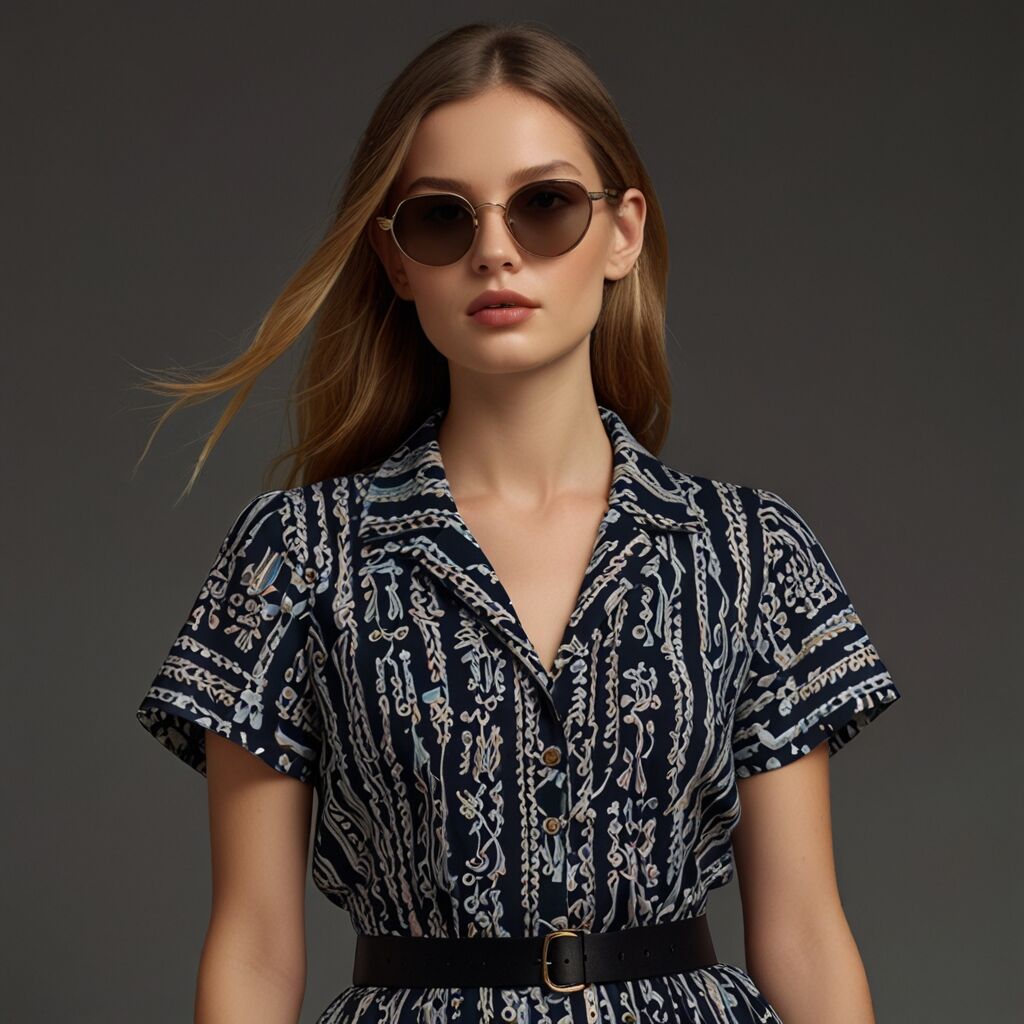
How Sustainable Fashion Beneficially Impacts Social Well-Being?
Sustainable fashion significantly enhances social well-being by reducing social inequalities and empowering communities through ethical community development. The rise of eco-friendly clothing impacts communities positively by creating thousands of jobs through sustainable fashion community initiatives. Investing in socially responsible fashion supports community empowerment initiatives and fosters economic growth and fair wages in underdeveloped regions. This approach to fashion helps dismantle social inequality and promotes inclusivity by prioritizing fair trade and ethical sourcing of materials. Additionally, sustainable cultural preservation through the incorporation of cultural heritage fashion plays a crucial role, supporting ethical community development that respects traditional techniques.
The Role of Indigenous Communities in Ethical Fashion
Indigenous communities contribute significantly to sustainable fashion practices by preserving traditional craftsmanship through cultural heritage fashion. An estimated 70% of ethical fashion brands collaborate with indigenous artisanship projects to revive traditional skills and boost their market presence. These collaborations enable the indigenous fashion economy to thrive, providing sustainable income sources and improving living standards for artisans. Challenges such as fair compensation and access to global markets still persist for indigenous fashion projects, but the partnership with ethical fashion brands supports community empowerment outcomes and cultural preservation.
What Are Unique Consumer Trends in Ethical Fashion Preferences?
Consumer preferences increasingly shape the future of ethical fashion by driving demand for sustainable and environmentally friendly clothing choices. In 2025, ethical fashion adoption is projected to grow by 15%, driven by green fashion trends and an increasing number of eco-conscious consumers. Brands like Patagonia and Stella McCartney respond to ethical consumer behavior by incorporating transparency and sustainability into their sourcing strategies. Consumer advocacy influence is significant, with campaigns for fair wages and ethical sourcing becoming widespread, thus driving sustainable consumer demand and green fashion transformation.
The Growth of Eco-Conscious Consumer Segments in Fashion
The eco-conscious consumer segment comprises approximately 25% of the overall fashion market and grows at a remarkable 10% annually. Eco-conscious consumer insights indicate that they prioritize environmentally responsible buying, looking for sustainable materials and production methods over price. The growth of this segment is influenced by demographic factors such as millennials and Gen Z, who lead the way in embracing ethical consumer data and sustainable fashion demographics, reflecting a commitment to environmentally aware consumerism.