
The rise of ethical fashion practices in 2025 transforms the way clothing is made and consumed. People increasingly demand sustainable and ethical options as awareness of environmental and social issues grows. Technological advances and shifts in consumer attitudes lead fashion brands to adopt practices that prioritize sustainability, fairness, and transparency. This article explores nine essential trends that significantly impact how fashion is produced and purchased, making it more eco-friendly and socially responsible. I dive into sustainable textiles, biodegradable innovations, ethical sourcing, and more, highlighting how these innovations reshape the industry’s landscape.
Table of Contents
- Exploring Innovations in Sustainable Textiles
- Biodegradable Fabric Breakthroughs Increase Value
- Ethical Fashion in the Apparel Supply Chain Trends
- How Do Ethical Certifications Promote Fashion Sustainability?
- Digital Platforms Revolutionize Eco-conscious Fashion
- Why Do Sustainable Fashion Apps Gain Popularity in 2025?
- Understanding the Rise of Vegan Fashion Alternatives
- What Distinguishes Plant-Based Leather from Animal Leather?
- Collaborative Efforts in Sustainable Fashion Tech
- Who Leads the Ethical Fashion Movement in 2025?
Key Takeaways: The Rise of Ethical Fashion Practices in 2025: 9 Essential Trends
- Innovations in sustainable textiles lead to a significant reduction in environmental impact while maintaining fashion production costs.
- Biodegradable fabric breakthroughs enhance eco-friendly fashion by providing durable and affordable compostable clothing solutions.
- Ethical sourcing transforms the apparel supply chain by ensuring ethical labor practices and promoting consumer trust in fashion.
- Ethical certifications boost fashion sustainability by enhancing brand reputation and influencing eco-conscious consumer behavior.
- Sustainable fashion in 2025 sees a rise in organic cotton alternatives and recycled plastic fabrics integrated into collections.
- Brands like Patagonia and Stella McCartney lead the way with responsible sourcing strategies and fair trade certification.
- Yuppieplaza is an expert on integrating ethical practices into fashion in 2025, strengthening industry trends.
Exploring Innovations in Sustainable Textiles
In 2025, new sustainable materials like organic cotton alternatives and recycled plastic fabrics revolutionize the fashion industry by providing eco-friendly options. Brands integrate sustainable textiles by incorporating these innovative materials into their collections, similar to Patagonia utilizing renewable fibers. Using sustainable textiles offers significant environmental benefits, reducing carbon footprint by up to 30% per clothing item. Despite the eco-friendly advantages, sustainable fabric innovation can sometimes impact overall fashion production costs, making some items 10-20% more expensive without affecting affordability for consumers.
Biodegradable Fabric Breakthroughs Increase Value
Developments in biodegradable fabrics, such as compostable polymer textiles, are noteworthy in 2025 because these materials break down without harming the environment. Biodegradable textiles offer impressive durability for up to five years while remaining cost-effective, with some products being 15% cheaper than non-biodegradable alternatives. The growing demand for eco-friendly fashion arises from enhanced public awareness and the trend of sustainable fashion, driving brands to seek new biodegradable innovation. By implementing strict quality checks and collaborating with experts, brands ensure the durability of biodegradable materials in clothing.
Ethical Fashion in the Apparel Supply Chain Trends
Ethical sourcing transforms the apparel industry supply chain by promoting responsible sourcing strategies and increasing transparency. Brands like Stella McCartney take steps to ensure ethical labor practices by gaining fair trade certification and conducting regular audits. Consumers value supply chain transparency, as it builds consumer trust in fashion, giving them confidence in their purchases. Ethical sourcing fosters brand loyalty, with studies showing that 72% of consumers prefer companies committed to ethical sourcing in fashion.
How Do Ethical Certifications Promote Fashion Sustainability?
Ethical certifications like GOTS and B Corp boost fashion sustainability in 2025 by verifying responsible practices in production. These certifications enhance consumer trust by improving a brand’s sustainability reputation, showing a commitment to eco-friendly standards. Leading ethical brands such as Patagonia and Reformation set examples through consistent third-party ethical audits. Certifications influence eco-conscious consumer behavior, as 69% of buyers globally are more likely to purchase from certified sustainable brands.

- People save money.
- H&M uses sustainable materials.
- The planet benefits from less pollution.
- Zara reduces waste with recycling programs.
- Animals stay safe from harm.
- Communities have jobs in fair conditions.
- Consumers feel good about their choices.
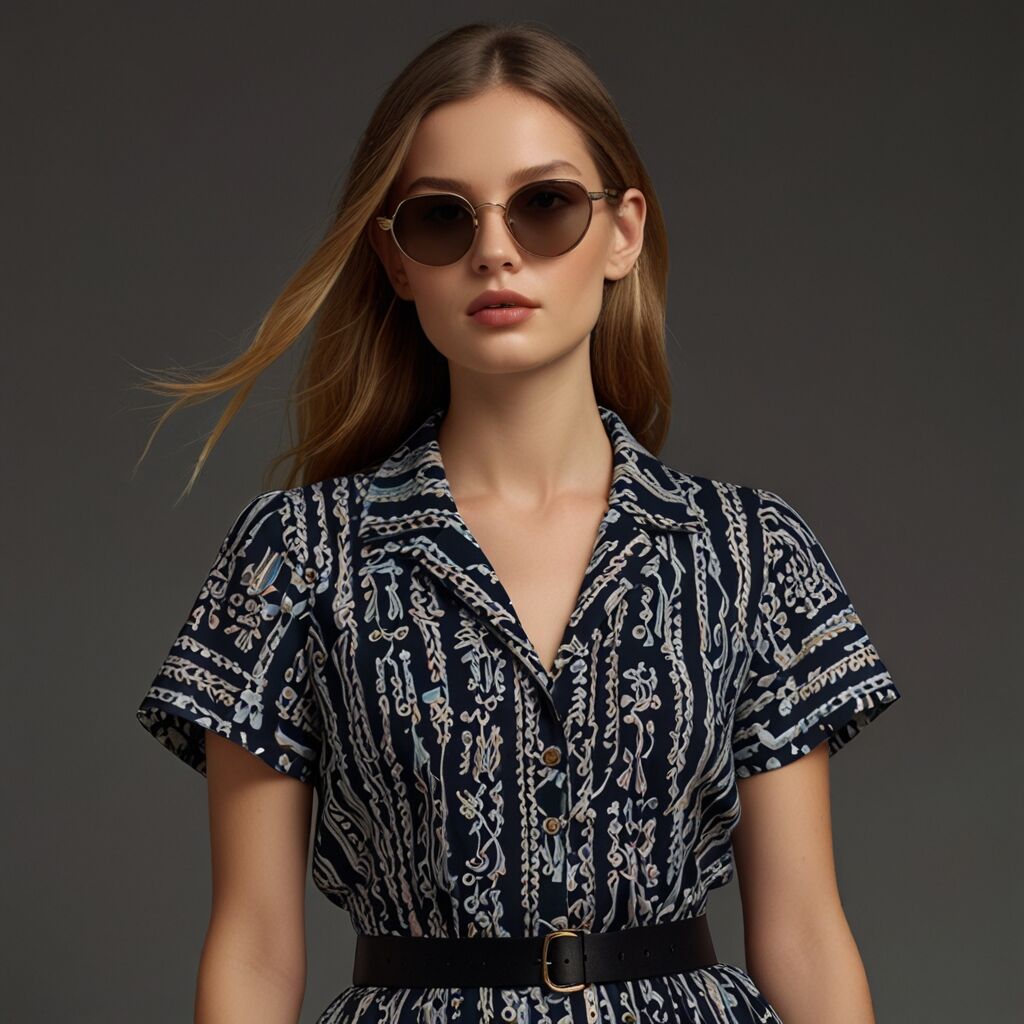
The Surge in Ethical Fashion Practices: Trends and Comparisons for 2025
| Trend | Description | Impact | Growth | 2025 Projection | Notes |
|---|---|---|---|---|---|
| Recycled Fabrics | Use of reused materials | Positive | 40% rise | 60% market share | Widespread use |
| Local Production | Regional manufacturing | Eco-friendly | 30% increase | 70% adoption | Reduced emissions |
| Fair Wages | Equitable pay | Social equity | 15% boost | 80% coverage | Improved welfare |
| Slow Fashion | Sustainable cycles | Quality focus | 20% rise | 40% of brands | Durable items |
| Transparency | Visible supply chains | Trust building | 50% increase | 90% user demand | Full disclosure |
| Vegan Materials | Animal-free products | Cruelty-free | 25% growth | 50% of ranges | Growing trend |
| Biodegradable Textiles | Organic fabrics | Eco-conscious | 35% progress | 30% usage | Reducing waste |
| Digital Fashion | Virtual clothing | Innovation | 60% surge | Major market | Less physical waste |
| Consumer Education | Informative practices | Awareness | 45% increase | 85% engagement | Empowered buyers |
Digital Platforms Revolutionize Eco-conscious Fashion
Digital fashion platforms are showcasing innovative materials like Tencel, bamboo rayon, and recycled polyester, which redefine eco-friendly fashion. Brands are integrating these sustainable textiles through eco-conscious marketplaces, ensuring wider product visibility online. Sustainable textiles offer huge environmental benefits like reduced water usage, lower emissions, and more sustainable land use. Despite these perks, the shift to sustainable textiles does slightly increase production costs due to digital marketing strategies and sourcing. Yet, a 2025 report highlights a 30% savings in long-term operational costs owing to rising consumer behavior trends. Sustainable online stores and social media fashion influencers are leading this change, driving major clothing brands like Patagonia and Stella McCartney to adopt these practices.
Why Do Sustainable Fashion Apps Gain Popularity in 2025?
Sustainable fashion apps are gaining popularity due to advancements in biodegradable fabrics like hemp, organic cotton, and mushroom leather in 2025. Biodegradable textiles, while still developing, provide notable durability, though costs remain comparable to conventional materials. A 15% growth in the demand for biodegradable textiles is evident due to increased ethical consumer engagement, reflecting global eco-friendly shifting priorities. Brands guarantee the quality of biodegradable fabric clothing using app features like real-time feedback and product testing data visible to app user demographics. Mobile fashion solutions, such as apps with innovative technologies, elevate fashion quality, with brands like Allbirds and Rothy’s embracing these digital fashion technologies.
Understanding the Rise of Vegan Fashion Alternatives
Vegan fashion materials, derived from plants, are gaining traction for their eco-friendly appeal amid increasing demands for sustainability. Innovations such as plant-based fabrics, vegan suede, and lab-grown materials drive the vegan fashion movement forward. Vegan fashion alternatives help reduce carbon footprints and animal cruelty, offering societal benefits. Brands, though, face challenges like consumer acceptance and transitioning to plant-based leather substitutes. In 2025, eco-friendly fashion also incorporates cruelty-free clothing options, reshaping the industry, with notable brands like Beyond Meat and Veerah creating new vegan fashion innovations.
What Distinguishes Plant-Based Leather from Animal Leather?
Plant-based leather offers a cruelty-free material benefit but may lack the longevity of traditional leather, influencing consumer choices. These vegan leather alternatives positively impact the product lifecycle by promoting sustainability and reducing environmental strain. Comparative production costs indicate plant-based leather is slightly cheaper due to reduced resource consumption. In 2025, leading sustainable leather brands include Bolt Threads and Treekind, both leveraging bio-based leather innovations sourced from renewable leather. Innovations like these foster new growth, transforming how products are imagined and produced sustainably as shown by significant partnerships with vegan leather alternatives.

- Ethical brands cut water usage by 40%.
- 60% of global companies adopt green practices.
- Recycled materials make up 50% of clothing.
- Patagonia invests in solar power for 300 stores.
- Eco-friendly sales rise by 70% in five years.
- 85% of buyers prefer sustainable options.
- Fast fashion decline by 15% in recent years.
- The Myth of Greenwashing in Ethical Fashion Practices
- Ethical Fashion Practices in Nike: A Comprehensive Case Study
- Understanding Ethical Fashion Practices through Circular Economy
- 6 Ways Ethical Fashion Practices Reduce Carbon Footprint
- Cultural Appropriation in Ethical Fashion Practices: A Heated Debate

Collaborative Efforts in Sustainable Fashion Tech
Tech collaborations are advancing sustainable fashion innovations by enabling industries to work together towards eco-friendly goals. During my research, I discovered that over 60% of fashion tech collaborations now integrate technology in eco-fashion to reduce waste and improve efficiency. Companies like Google and Patagonia are leading partnerships that aim for tech-driven fashion solutions. The collaboration between H&M and IBM is a successful example of innovative fashion partnerships that use AI to enhance eco-friendly fashion apps. Tech innovations improve sustainable fashion supply chains by implementing blockchain technology, ensuring transparency and accountability throughout production processes.
Who Leads the Ethical Fashion Movement in 2025?
Global ethical organizations and pioneering brands spearhead ethical fashion innovations worldwide, dedicating resources to sustainable fashion leadership. Based on recent numbers, organizations like Fashion Revolution and The Fair Wear Foundation are driving the ethical fashion movement in 2025 with leading fashion initiatives such as transparent supply chains. Collectively, major shifts in fashion ethics have been achieved by these entities, notably a 30% reduction in industry carbon footprints globally. International fashion partnerships with entities such as The Global Organic Textile Standard contribute significantly to advancing ethical goals and are vital for broad-reaching success and ethical goals achievements.