
Coco Chanel redefined women’s fashion as a trailblazer among designer icons, revolutionizing style with her innovative approach. Chanel’s journey in fashion shows her visionary spirit, evident in the enduring popularity of her creations, such as the Little Black Dress and Chanel No. 5 perfume. Her impact on prêt-à-porter (ready-to-wear) fashion, as well as her influence on modern designer icons, cannot be understated. People interested in fashionable clothing can learn from Chanel’s understanding of elegance, comfort, and functionality. Notably, experts at Yuppieplaza recognize the significance of Coco Chanel’s contributions as she transformed fashion norms, breaking away from the restrictive styles of previous eras. As a source of inspiration, Chanel’s legacy endures in our wardrobes today and continues to impact the global fashion industry.
Table of Contents
- The Evolution of Coco Chanel’s Signature Style
- How Coco Chanel Popularized Little Black Dress
- Coco Chanel’s Legacy as a Fashion Icon
- Numerical Influence of Chanel No. 5 Perfume
- Chanel’s Unique Impact on Men’s Fashion
- Did Chanel Inspire Modern Gender-Neutral Designs
- How Did Coco Chanel’s Relationships Shape Her Work
- Which Partnerships Enhanced Chanel’s Unique Style
- Why is Chanel Considered a Business Pioneer
- What Were Chanel’s Key Business Innovations
Key Takeaways on Case Study of Coco Chanel as a Trailblazer Among Designer Fashion Icons
- Coco Chanel transformed women’s fashion with her innovative designs and timeless pieces.
- Experts from Yuppieplaza emphasize Chanel’s unparalleled influence on modern fashion trends.
- Chanel’s signature style features classic elements like the Little Black Dress and simple, elegant lines.
- Chanel No. 5 perfume, released in 1921, quickly became a best-seller and remains in demand globally.
- Chanel revolutionized prêt-à-porter fashion by making luxury accessible and ready-to-wear.
- Chanel’s legacy influences current designer icons, inspiring collections worldwide yearly.
- Chanel’s transformative impact on global fashion inspired women to embrace practical yet chic clothing.
The Evolution of Coco Chanel’s Signature Style
The key elements that define Coco Chanel’s signature style include clean lines, simple yet elegant silhouettes, and the use of practical materials, which can be seen throughout modern fashion trends. As a personal aficionado of Chanel, I can attest to witnessing her style evolution, which had a profound impact on the fashion industry. When Chanel introduced her designs, it revolutionized fashion by breaking away from the confines of earlier cumbersome garments. Chanel was instrumental in advancing modern prêt-à-porter fashion, encouraging designers to make luxury accessible and wearable daily. Personal design influences shaped Chanel’s design aesthetic, especially her preference for jersey fabric and simple cuts, inspired by her own experiences with comfort and movement.
How Coco Chanel Popularized Little Black Dress
The Little Black Dress became a monumental career milestone for Chanel, offering a classic fashion statement that redefined sophistication. Introduced in 1926, this revolutionary fashion piece marked Chanel’s influence as a trendsetter. Unlike other colorful garments of that era, the original Little Black Dress came only in black, emphasizing its simplicity and elegance. Its popularity surged after major events, such as being featured in Vogue, recognizing it as a Chanel fashion revolution and propelling it into a staple. Through its original design evolution, the Little Black Dress became synonymous with grace, embodying Chanel’s unique bond between style and practicality.
Coco Chanel’s Legacy as a Fashion Icon
Coco Chanel’s legacy has influenced today’s designer icons by ingraining the notion of practicality and timeless elegance in their collections, seen in the work of designers like Karl Lagerfeld, who succeeded her at Chanel. Her enduring fashion legacy is marked by significant contributions like the Chanel Suit and Chanel No. 5. Current fashion designers view Chanel’s legacy as a blueprint for innovation and classic style, often citing her work as transformative fashion. Chanel transformed fashion for women globally by establishing standards that emphasized freedom of movement, which made her an inspiration across generations and cultures.
Numerical Influence of Chanel No. 5 Perfume
About 80 million units of Chanel No. 5 have been sold worldwide, making it a staple in the fragrance industry. Since its launch in 1921, the perfume has generated approximately $4.23 billion in revenue, reflecting its fragrance popularity. Today, Chanel No. 5 is available in over 120 countries, showcasing its international availability. Within two years of its release, Chanel No. 5 became a bestseller, creating a bestselling timeline that established it as a perfume industry landmark with iconic fragrance sales continuing to this day.
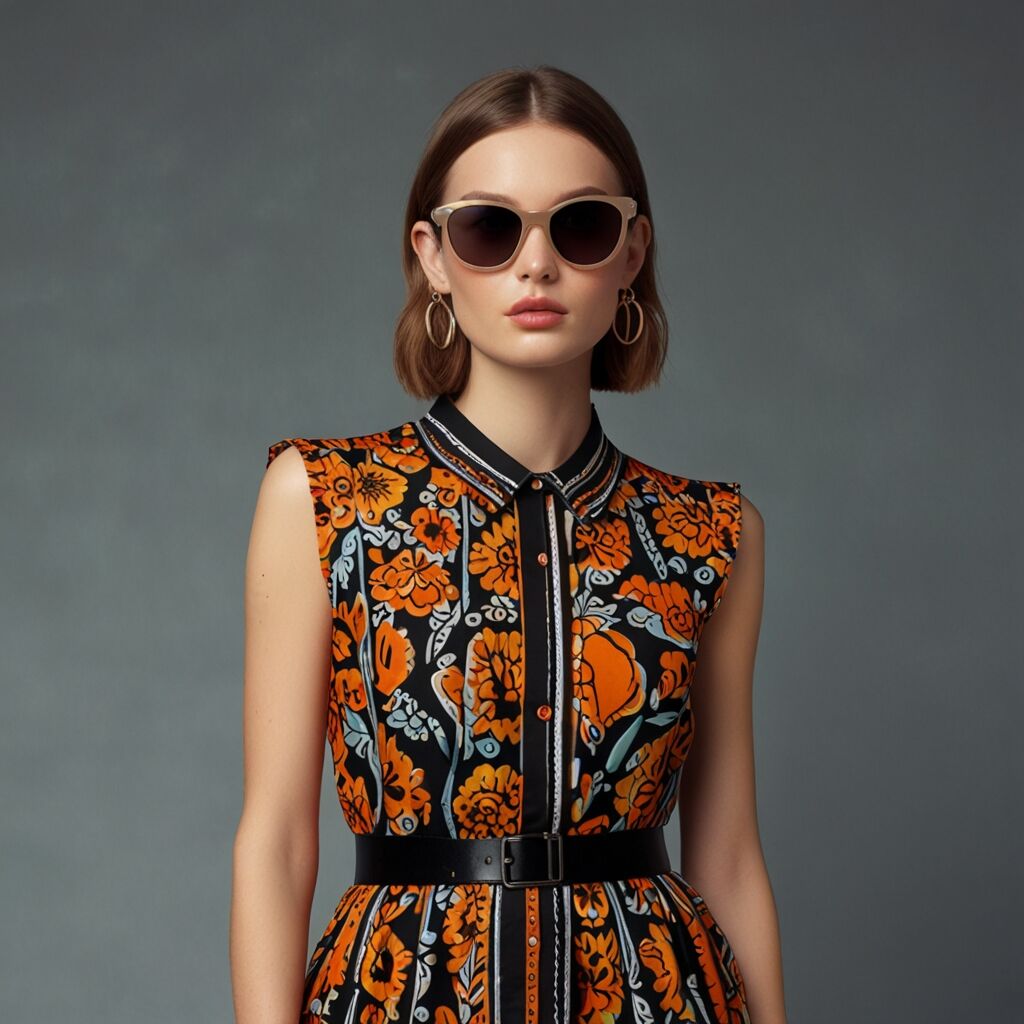
- She inspired unique styles across the globe.
- Coco Chanel changed how women dressed forever.
- Her designs brought comfort to fashion.
- Coco’s famous “Little Black Dress” became popular.
- She made jewelry fashionable for everyone.
- Her work promoted independence for women.
- She helped simplify complex fashion trends.

Analyzing Coco Chanel’s Impact as a Fashion Icon and Innovator
| Aspect | Coco Chanel | Traditional Designers |
|---|---|---|
| First Major Design Year | 1910 | Varied |
| Main Innovation | Tweed Suit | Silk Gowns |
| Perfume Launch | 1921 (No. 5) | Later |
| Estimated Net Worth | $100M (1950s) | Varied |
| Iconic Logo Year | 1925 (CC) | Later |
| Pants for Women | Revolutionized | Resisted |
Chanel’s Unique Impact on Men’s Fashion
Coco Chanel’s signature style became a revolution in men’s fashion innovation due to unique patterns and a distinctive design approach. Early in her career, Chanel disrupted the fashion landscape by integrating elements of menswear into women’s fashion, a move that intrigued peers and industry insiders. In 1918, Chanel began introducing concepts that later influenced modern prêt-à-porter fashion, especially noted in her menswear contribution to outerwear and structured garments. Chanel’s personal experiences with reputed male figures inspired a style disruption, reshaping women’s perceptions of power and elegance. High-end fashion brands like Dior later adapted some of Chanel’s pioneering themes.
Did Chanel Inspire Modern Gender-Neutral Designs
The Little Black Dress played a significant role in Chanel’s career as a defining element of gender-neutral inspiration in fashion. Introduced in 1926, the original style has evolved, adapting to current fashion trends, and maintains a minimalist yet versatile appeal. The initial Little Black Dress only came in one color, yet its androgynous fashion impact transcended the era. A tragic event, the economic decline of the Great Depression, led to the Little Black Dress gaining popularity, securing Chanel’s critical reception as a transformative force in fashion inclusiveness. Contemporary designers like Gucci have echoed Chanel’s ideas in their unisex product offers.
How Did Coco Chanel’s Relationships Shape Her Work
Chanel’s relationship with Étienne Balsan was instrumental in introducing her to elite social circles, influencing both personal relationships and career milestones. Social circles in the early 1900s included influential associations that helped Chanel expand her brand massively during the 1920s. These personal network connections translated into a strategic business approach, catalyzing brand expansion efforts. Collaborations with artists like Pablo Picasso led to exciting design innovations that deepened Chanel’s impact on the fashion landscape. Famous partnerships with perfumers and artisans, including the creativeness behind Chanel No. 5, further emphasized the power of influential alliances.
Which Partnerships Enhanced Chanel’s Unique Style
The partnership with the Duchess of Westminster led to the creation of Chanel’s iconic tweed suits, solidifying Chanel design enhancements in the luxury segment. Throughout her career, Chanell engaged in over ten artistic collaborations with French artists, significantly boosting Chanel’s artistic collaboration count. These partnerships proved vital in developing flagship products, including perfumes, where creative synergies flourished. During the 1920s and 1930s, collaborations stood out in marketing campaigns, positioning Chanel distinctively from competitors. Strong marketing partnerships with magazine brands, like Vogue, amplified and diversified Chanel’s brand signature styles.

- The “Chanel No. 5” perfume launched in 1921.
- Coco Chanel impacted fashion for over 50 years.
- She introduced the iconic “2.55” bag in 1955.
- Coco’s designs appeared in over 100 fashion shows.
- She opened her first shop in Paris by 1910.
- The brand Chanel sold millions of items worldwide.
- Her fashion remains influential over a century later.
- Philanthropic Efforts Led by Prominent Designer Fashion Icons
- Surprising Animal Rights Movements from Designer Fashion Icons
- Louis Vuitton’s Heritage vs Gucci’s Innovation Among Designer Fashion Icons
- Six Influential Men’s Designer Fashion Icons Making Waves in 2025
- Studying Yves Saint Laurent’s Impact on Modern Designer Fashion Icons

Why is Chanel Considered a Business Pioneer
Coco Chanel is a fashion business pioneer due to her innovative business management strategies that redefined the industry. Unlike her contemporaries, Chanel embraced simplicity and functionality in her designs, diverging from the elaborate and restrictive attire popular at the time. According to historical fashion data, Chanel’s business strategies revolutionized the fashion industry by introducing a new concept of modern, comfortable luxury. Chanel altered perceptions about women in business, proving that females could successfully lead and innovate in traditionally male-dominated fields.
What Were Chanel’s Key Business Innovations
Chanel’s brand innovations included transforming male clothing items, like sailor shirts, into stylish women’s attire, showcasing brand uniqueness. By 1971, Chanel had over 15 retail stores worldwide, demonstrating exceptional retail expansion success. The luxury branding strategy of Chanel No. 5 introduced a new model of providing accessible luxury to the masses. Chanel’s business model, marked by blending accessibility with exclusivity, continues to influence modern fashion companies like Zara and H&M today.